
 English
 中文简体
中文简体
Phone:+86-13952799285
A denture wearer once told me that he had been using a medium-bristle brush on his new artificial teeth. Within a few weeks, the glossy acrylic surface lost its shine and started picking up stains. Artificial teeth are made from resin materials that are softer than natural enamel and far more prone to scratching. Once the surface is damaged, plaque and food pigments settle into the tiny grooves. That is why the best toothbrush for artificial teeth is not the firmest one, but the gentlest one that still cleans the surface well.
Content
Why Artificial Teeth Need a Different Brush
Natural enamel ranks around 5 on the Mohs hardness scale, while most acrylic denture materials fall between 2.5 and 3.5. Hard bristles that barely affect enamel can leave visible marks on a denture base or the polished surfaces of artificial teeth. These marks are not just a cosmetic problem; they become reservoirs for plaque, bacteria, and stain that are difficult to remove later.
There is also the gum side of the story. Many denture wearers have sensitive gum tissue, and a stiff brush can create sore spots or worsen irritation. Gentle brushing with the right head protects both the appliance and the soft tissue it rests against. The conclusion is simple: look for brushes labeled soft or extra soft, with a compact head and rounded bristle tips.
Core Features to Look For
Once you accept that softness is non-negotiable, the rest of the decision comes down to a handful of practical details.
Bristle Softness
Soft bristles are the starting point, but not all soft brushes feel the same. The softest options use finer filaments packed more densely, while standard soft brushes use slightly thicker bristles. Rounded, polished filament tips glide over acrylic without catching. If you are comparing models, the label matters less than the actual feel, so run the bristles across your fingertip before you buy. The science of choosing the right bristle softness explains these differences in detail.
Gentleness rating by bristle type, with 100 representing the gentlest feel on denture surfaces.
Artificial teeth need gentleness more than raw abrasive power. The chart above gives extra-soft bristles a gentleness score of 95, which is why dentists recommend them for acrylic surfaces. Soft bristles still earn a respectable 78 and remain a practical daily choice for many wearers. Medium bristles drop to 55, and they can scratch a denture base after just a few weeks of firm brushing. Hard bristles rate only 30 and should never be used on artificial teeth. This relative rating is a useful starting point whenever you compare products side by side.
For denture wearers, an extra-soft brush is the safest everyday option, while a standard soft brush works if you keep pressure light. Medium and hard brushes should stay out of the denture routine entirely.
Brush Head Size and Shape
A compact head reaches the back teeth and the curved areas around a denture clasp with less effort. A wide head covers more surface quickly, but it also makes it easier to miss the corners. For artificial teeth, smaller is usually better because precision matters more than speed. Rounded edges on the brush head also prevent accidental scratching of the gum line.
Handle Design
A comfortable, non-slip grip gives you better control and reduces the urge to press hard. Some handles are angled, which helps you reach the inner surfaces of the denture without twisting your wrist. If you have arthritis or limited hand strength, a thicker handle with a rubber grip will feel steadier.
Electric Toothbrush Modes and Pressure
Electric toothbrushes are not off the table for denture wearers, but the settings matter. Look for a model with a gentle or sensitive mode and a low speed option. A built-in timer helps you brush for the recommended two minutes, and a pressure sensor warns you when you are pushing too hard. These features turn a powerful tool into a safe one for acrylic surfaces.
Manual or Electric: What Works Better for Artificial Teeth?
Both manual and electric toothbrushes can clean artificial teeth effectively when the bristles are soft and the technique is gentle. The difference is how the cleaning energy is delivered, and that affects how much risk the surface faces.
Relative risk of scratching or dulling a denture surface, with 100 meaning the highest risk.
This chart ranks the relative risk of scratching or dulling a denture surface, with 100 meaning the highest risk. A hard manual brush scores 82, which explains why so many dental clinics warn against it. A medium bristle brush still reaches 58, and repeated use will visibly dull acrylic over time. Soft manual brushes drop to 24, while a sonic brush on a low setting sits at 18 and an oscillating brush on a gentle mode at 28. The pattern is clear: bristle energy matters more than the basic type of brush. Any of the last three options is safe when used with light pressure.
A manual brush gives you full control over pressure, which makes it the most forgiving option for dentures, especially if your gum tissue is tender. It is also inexpensive and easy to travel with. The main drawback is that you have to produce every stroke yourself, and tired hands often lead to rushed, uneven cleaning.
Electric brushes do the repetitive work for you. A sonic brush with soft bristles and a low mode cleans along the gum line and around clasps without requiring heavy pressure. For wearers who want this convenience, a sonic rechargeable brush for gentle tooth cleaning is a strong candidate. The key is to use the lowest effective setting and a soft brush head.
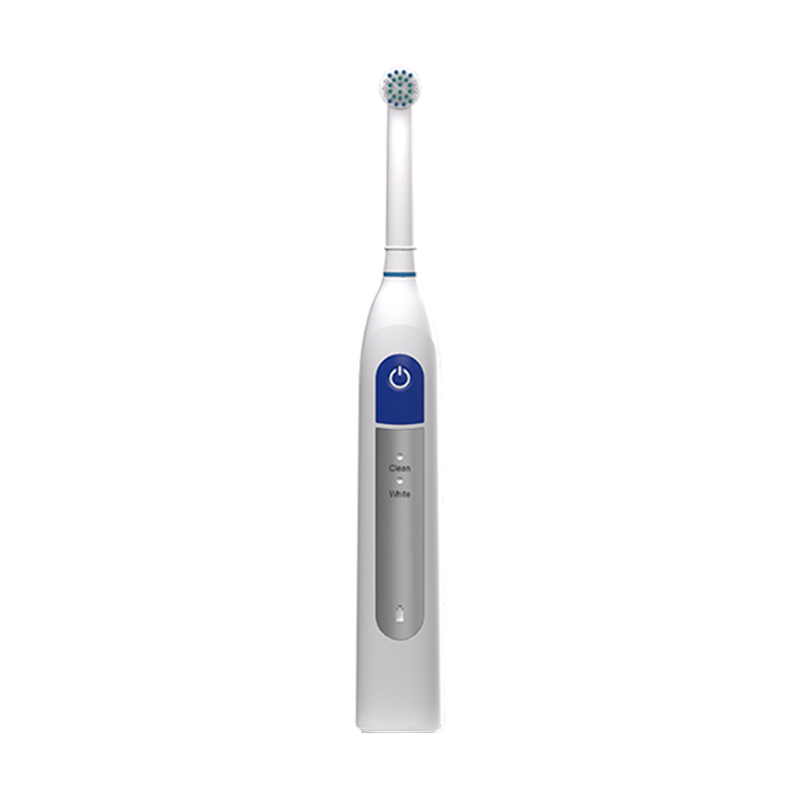
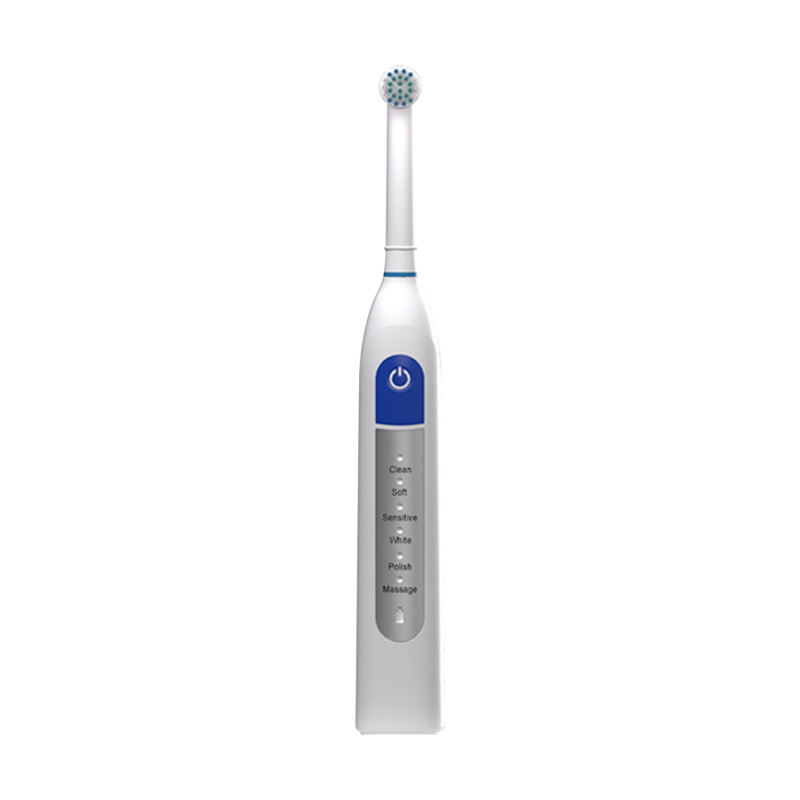
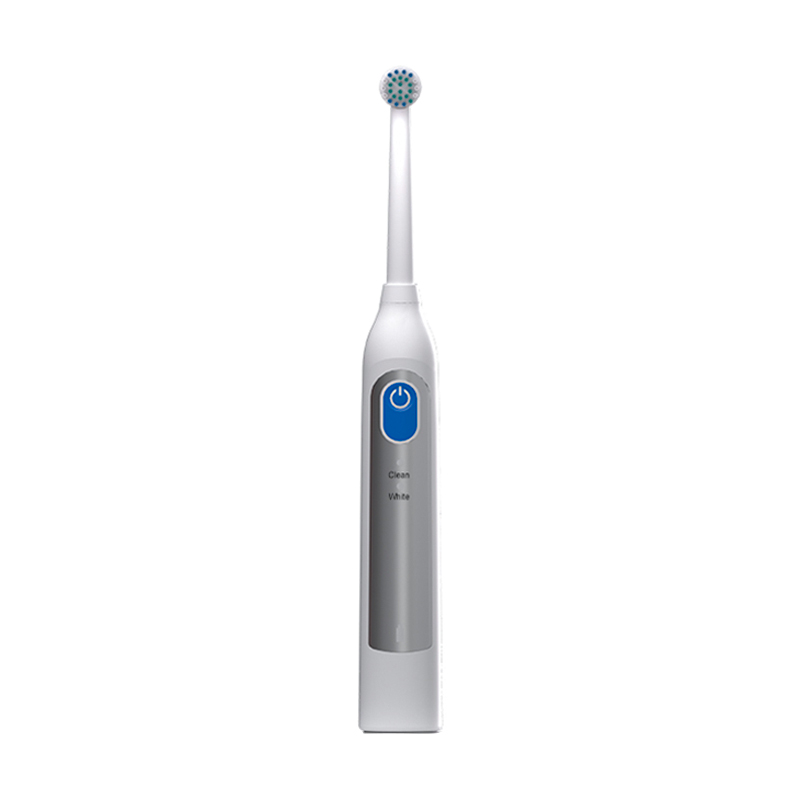
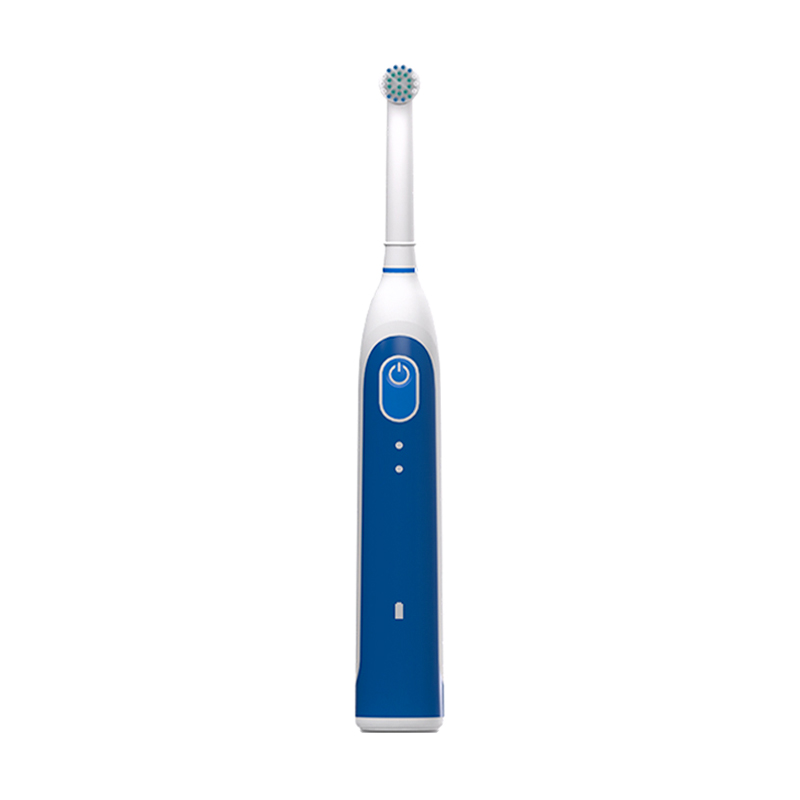
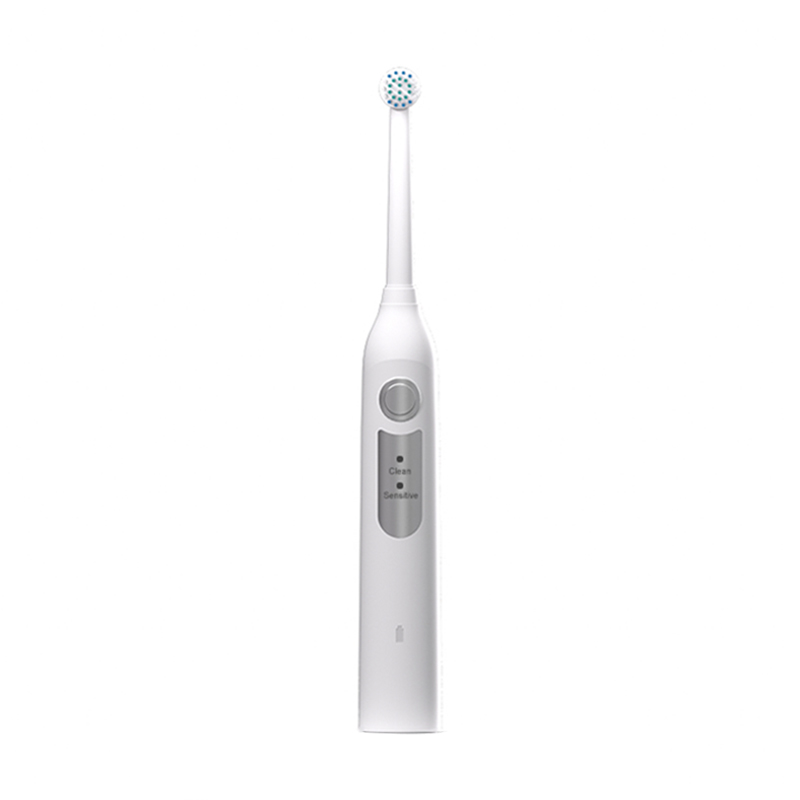
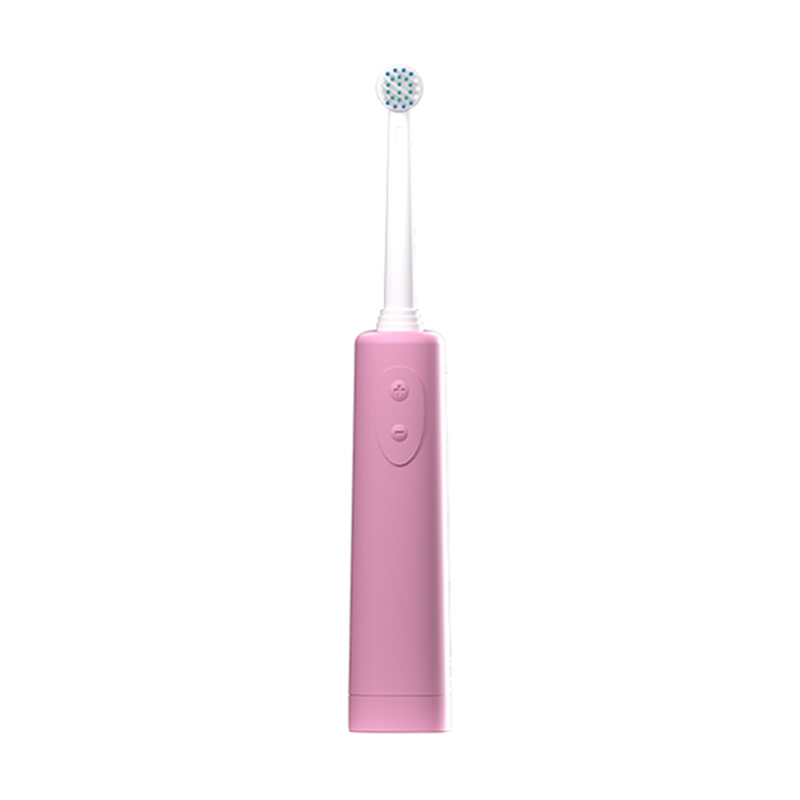
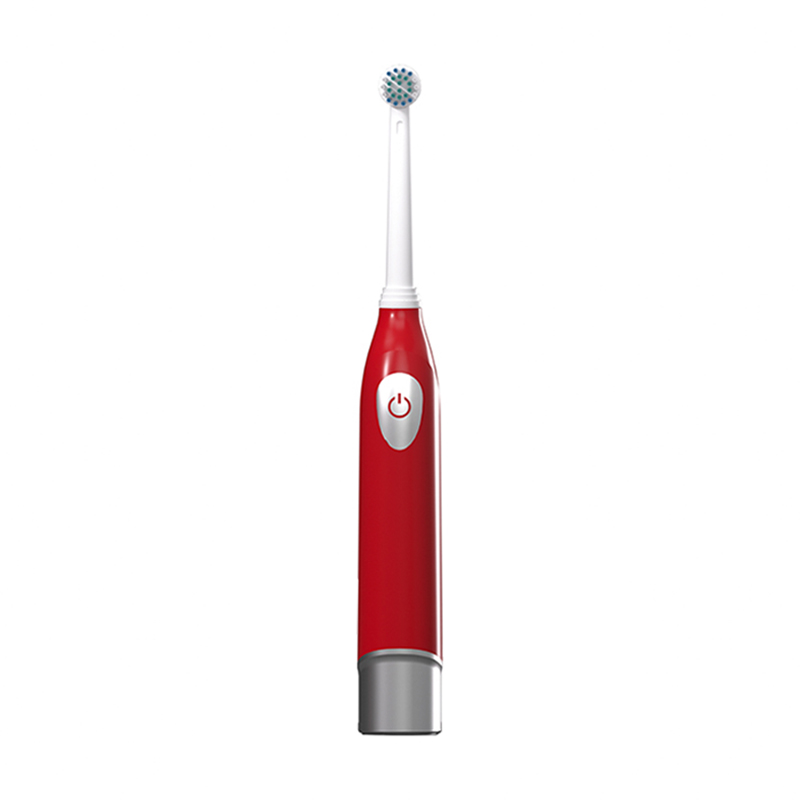
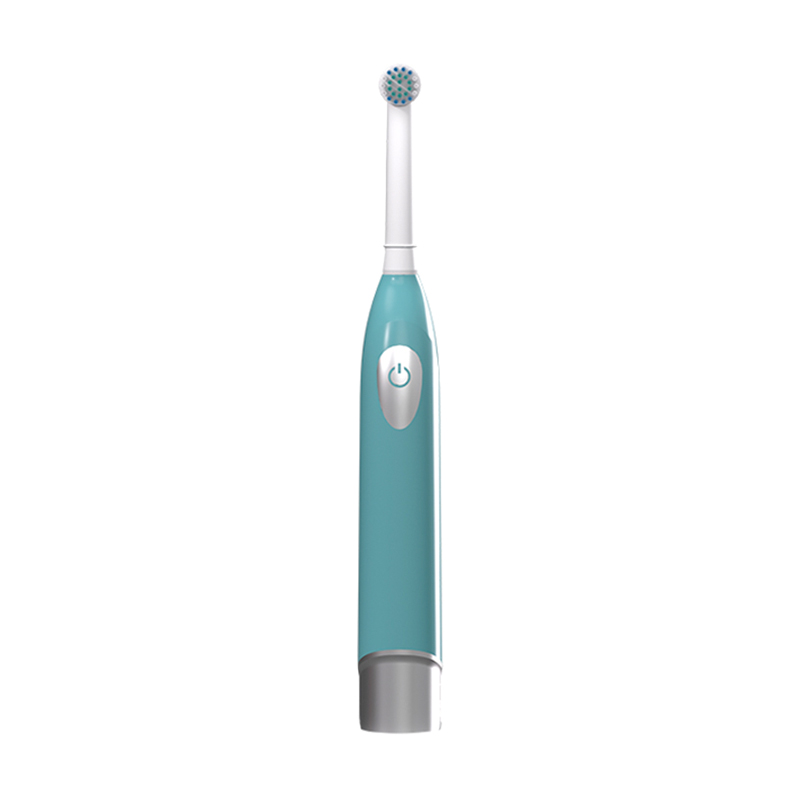
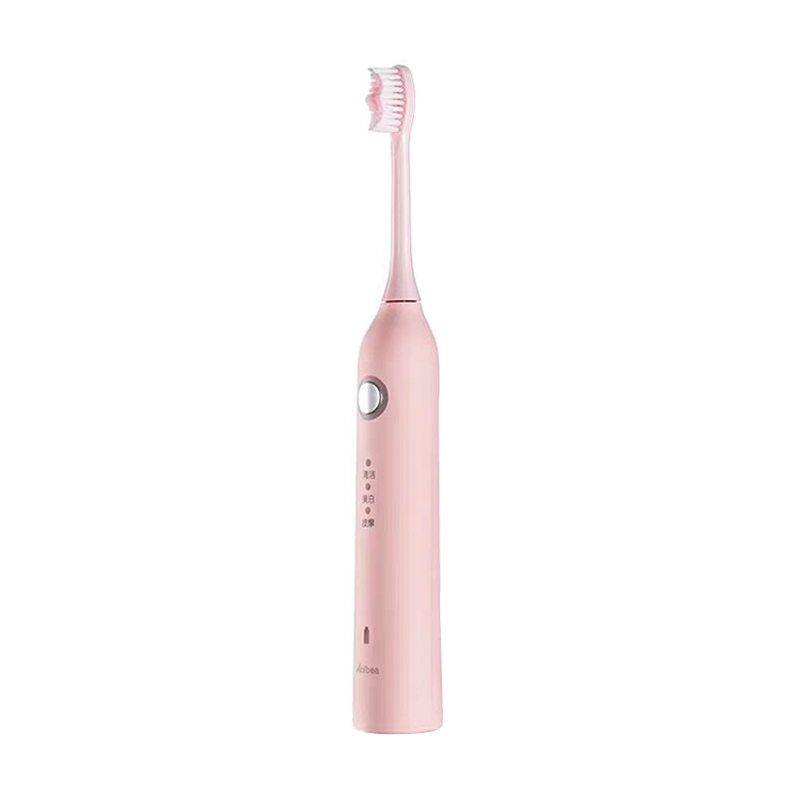 Custom ALB-946 Adult Couple Electric Toothbrush For Gentle Tooth Cleaning SuppliAolbea Oral Care Products is China custom ALB-946 Adult Couple Electric Toothbrushes For Gentle Tooth Cleaning suppliers and OEM company,...View Product →
Denture Brush Versus a Regular Toothbrush
You may see brushes sold specifically as denture brushes in pharmacies. They differ from regular toothbrushes mainly in head shape, handle length, and bristle configuration.
| Feature | Denture brush | Regular soft toothbrush |
|---|---|---|
| Bristle stiffness | Soft to extra soft with rounded tips | Soft or extra soft, depending on the brand |
| Head shape | Often block shaped or angled for flat surfaces | Compact or wide; choose compact for dentures |
| Handle length | Longer handle for two hand positions | Ergonomic handles with non-slip grips |
| Best use | Daily denture body cleaning | Cleaning remaining teeth, gums, and tongue |
A regular soft toothbrush works fine on artificial teeth if you select a compact head and use gentle pressure. Many wearers keep two brushes: one denture brush for the appliance and one soft manual brush for their natural teeth, gums, and tongue. This separation reduces the transfer of bacteria between the mouth and the denture.
How to Clean Artificial Teeth Safely
Cleaning method matters as much as the brush itself. The goal is to remove plaque from the denture surface without scratching it.
- Rinse the denture under running water to remove loose food particles.
- Wet the brush and apply a mild liquid soap or a non-abrasive denture cleanser instead of regular toothpaste.
- Brush every surface with small circular motions, including the inner side that rests against the gums.
- Rinse the denture thoroughly and soak it overnight in a denture cleaning solution.
- Rinse the brush head, shake off excess water, and let it dry upright between uses.
Brushing time also affects results. The chart below compares how two common options perform over a full two-minute session.
Plaque removed from a denture surface during a two-minute cleaning session.
This line chart tracks how much plaque is removed from a denture surface over two minutes of brushing. A soft manual brush lifts about 62 percent of surface plaque by the end of the period. A sonic brush on a low setting reaches roughly 78 percent in the same time. Both curves rise fastest in the first 30 seconds, which means technique and coverage matter as much as the tool. For delicate artificial teeth, the sonic advantage comes from moving fluid around curved contours without aggressive scrubbing. That extra 16 percent can be decisive for wearers who struggle with hard-to-reach areas.
Hygiene and Replacement Habits
A clean brush is part of the equation. A breathable toothbrush uses vented holes in the brush head so moisture does not pool around the bristle roots, where bacteria tend to multiply. For denture wearers, a breathable soft-bristled wide-head toothbrush has an extra benefit: less retained moisture means fewer bacteria growing between uses. Pairing it with the right routine keeps the appliance and the brush fresher for longer.
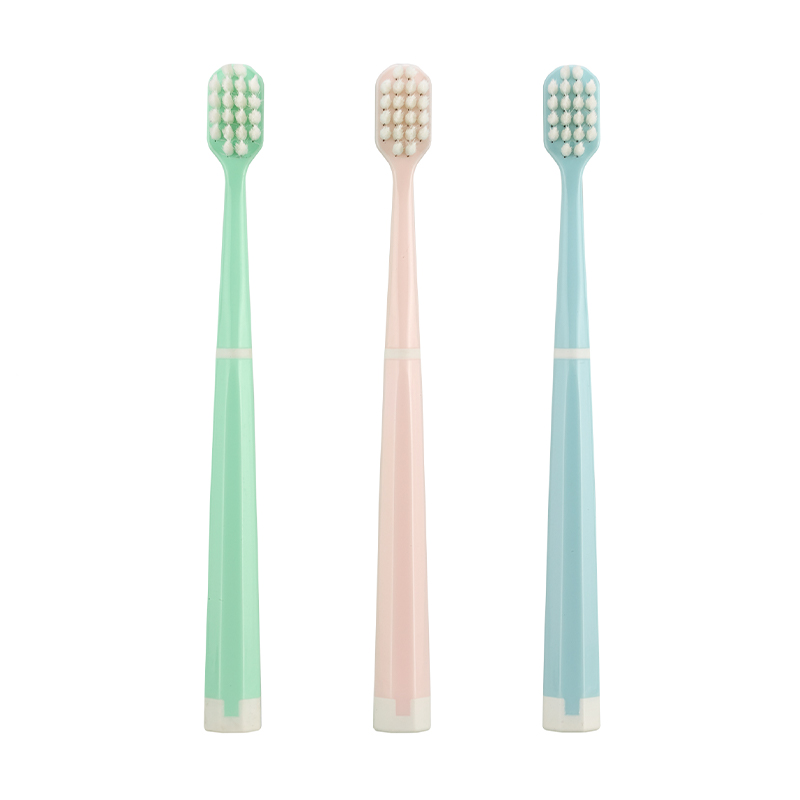 Custom ALB-4016 Breathable Soft-Bristled Wide-Head Toothbrush Suppliers, OEM ComAolbea Oral Care Products is China custom ALB-4016 Breathable Soft-Bristled Wide-Head Toothbrushes suppliers and OEM company,There are 10...View Product →
Even a breathable brush needs regular attention. You can follow a simple routine for keeping your toothbrush hygienic, such as rinsing the head thoroughly and storing it upright in an open space. This habit reduces the chance of recontaminating your denture right after cleaning it.
Replace your brush every three months, or sooner if the bristles start to splay. Worn bristles lose their rounded tips and become more likely to scratch acrylic. The article on how often a toothbrush should be replaced explains the three-month rule in detail and covers the warning signs to watch for.
Making the Final Choice
There is no single brush that suits every smile, but the decision becomes easier when you compare options across the criteria that matter to you.
Overall value comparison of three brush options across six daily care criteria.
The radar chart compares three realistic options across six criteria that matter to denture wearers. A dedicated denture brush leads in gentleness and ease of control, which reduces the chance of over-brushing. A soft manual toothbrush offers balanced performance and is widely available at a low cost. A sonic brush on a low mode wins on cleaning coverage, plaque removal, and hygiene because its vibrations reach recessed areas and leave less residue behind. The trade-off is a higher price and the need for careful speed selection. For most wearers, combining a denture brush for morning cleaning with a low-mode sonic brush for a deeper evening clean gives the best overall result.
If you prefer to keep things simple, choose a soft manual brush with a compact head and a comfortable grip. The gum-care soft bristle toothbrush is one practical option, with bristles gentle enough for acrylic and a head that reaches posterior areas easily. Start with a soft or extra-soft brush, keep the pressure light, and clean your artificial teeth every evening without fail. That combination protects the investment you made in your smile and keeps your gums healthy for years.
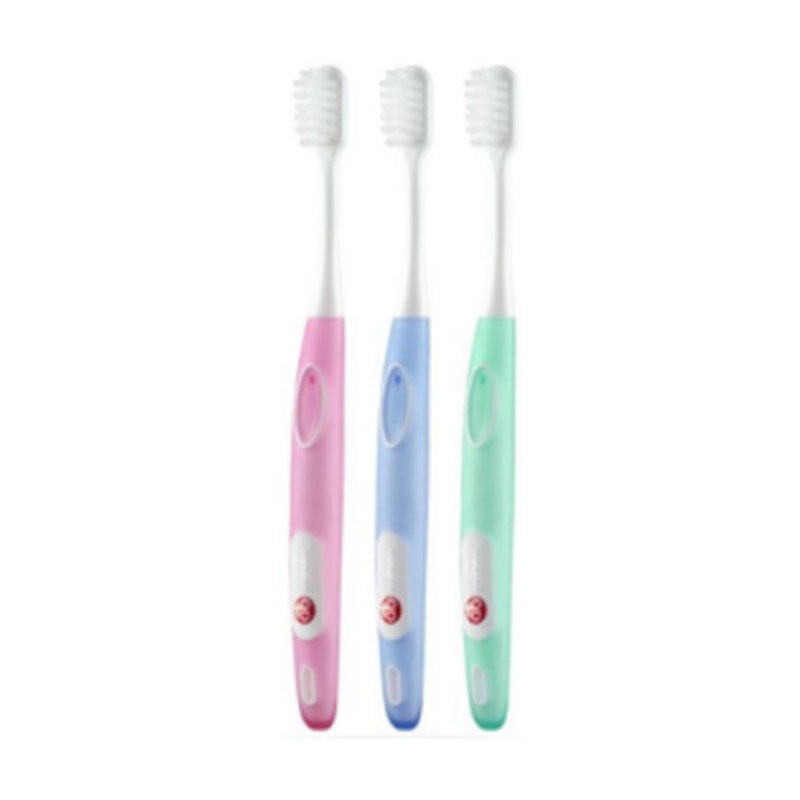 Custom ALB-4008 Gum Care Soft Bristle Toothbrush Suppliers, OEM Company - NingboAolbea Oral Care Products is China custom ALB-4008 Gum Care Soft Bristle Toothbrushes suppliers and OEM company,The slim brush neck fits ...View Product →