English
 中文简体
中文简体Phone:+86-13952799285

language


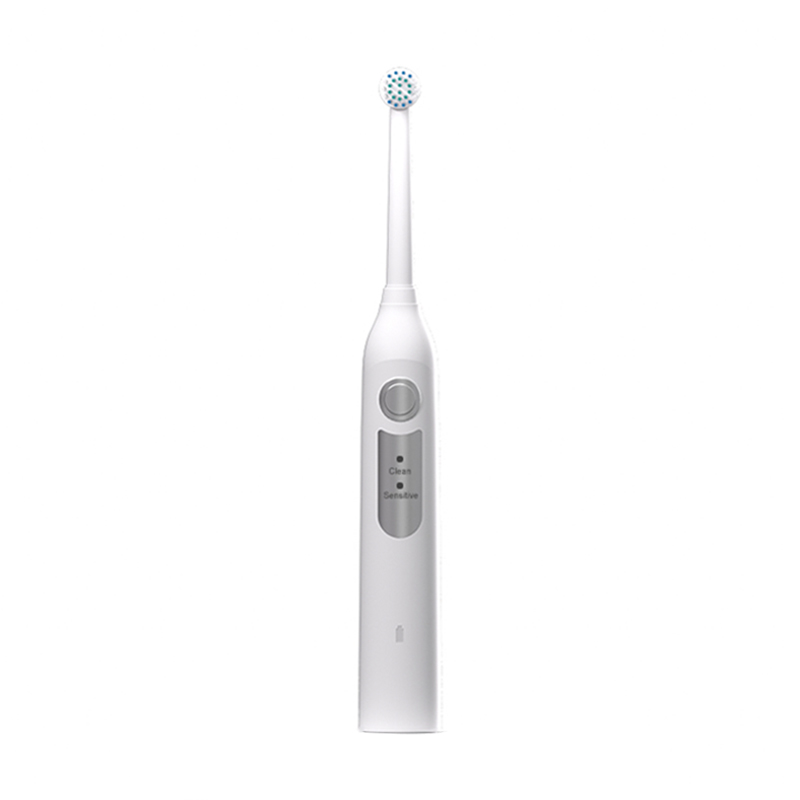
Founded in 1986, our company has developed from an early factory specializing in the R&D and plastic mold design and manufacturing of toothbrushes and healthcare products to a global oral care products supplier that currently integrates the R&D, production and sales of oral products such as manual toothbrushes, electric toothbrushes, interdental brushes and dental floss, etc. After nearly 30 years of continuous accumulation and innovation, the company has become one of the largest professional one of the electric toothbrush manufacturing enterprises. OEM rotary rechargeable electric toothbrushes Manufacturers and wholesale Oscillating Rechargeable Toothbrushes Factory in China.
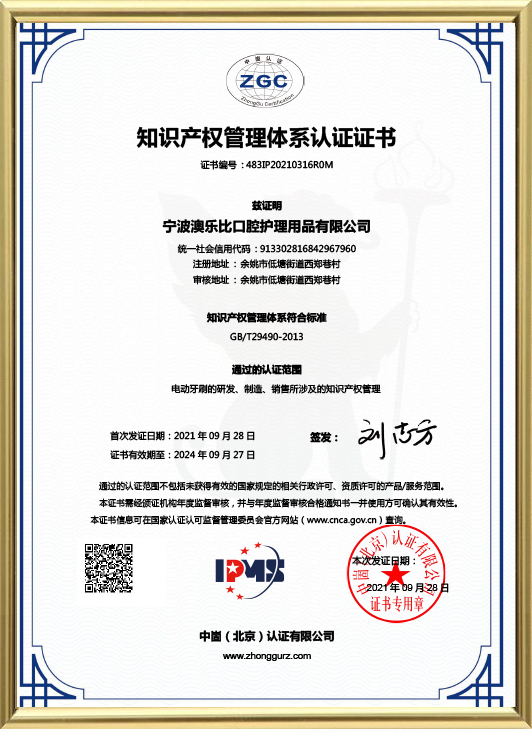
Firmly adhering to the corporate mission of "focusing on new technology of healthy dental care and promoting sustainable development of human oral health", our company has been committed to in-depth research and development of oral care product technology. At present, the company mainly produces and sells all kinds of children's smart toothbrushes, children's electric toothbrushes; adult electric toothbrushes, adult electric cleaning equipment, breathing patent toothbrushes and other more than 30 series of products, nearly 100 models, with independent intellectual property rights of various patents more than 130, in the electric toothbrush industry in a leading position. It is a national high-tech enterprise. Meanwhile, various products are exported to more than 100 countries and regions in the world's five continents, and have won good reputation from customers at home and abroad. Supply wholesale Oscillating Rechargeable Toothbrushes. In the world and in China, more and more people are choosing Orbea. Over the past 30 years, Orbea has been steadily developing its product quality and service.
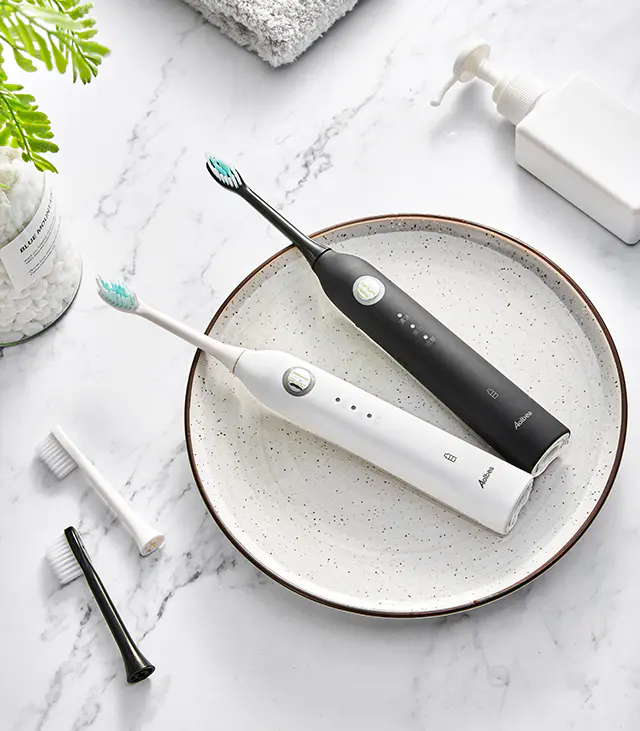
If something wears out over time, you can find the right product here. Continue to provide worry-free product supply to every customer.
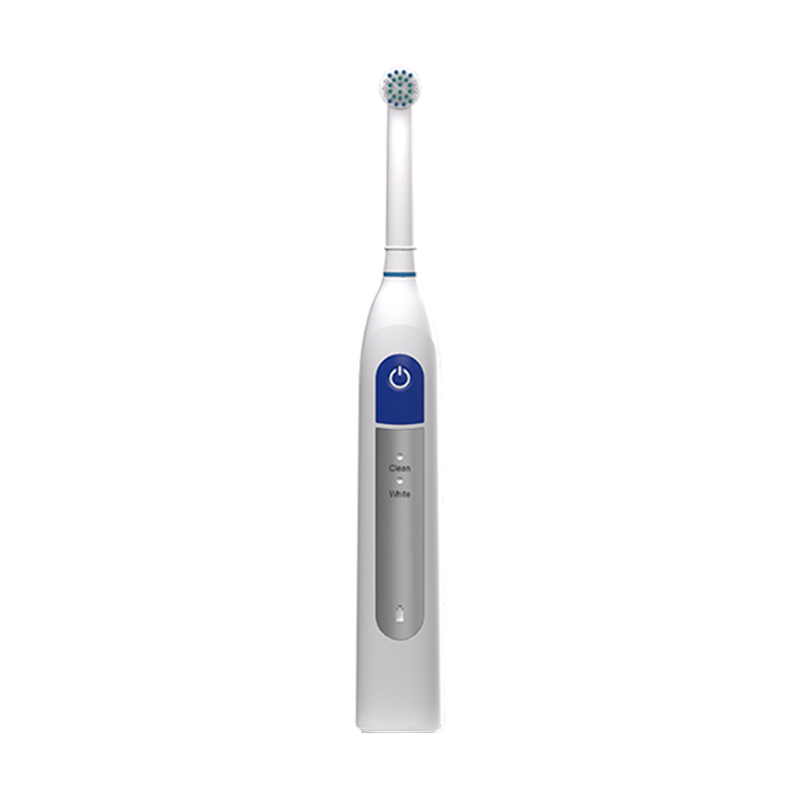
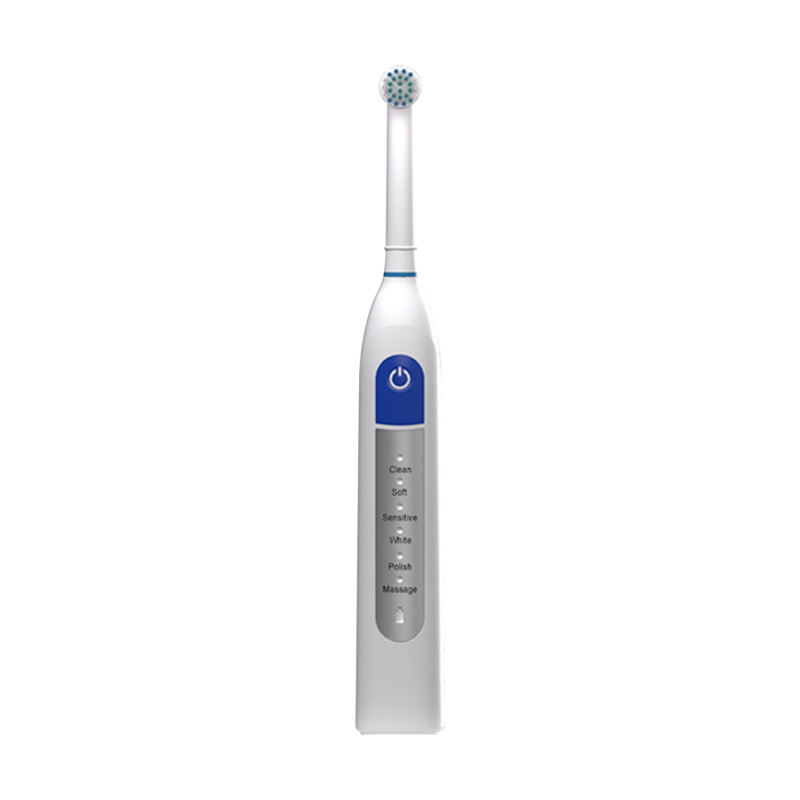
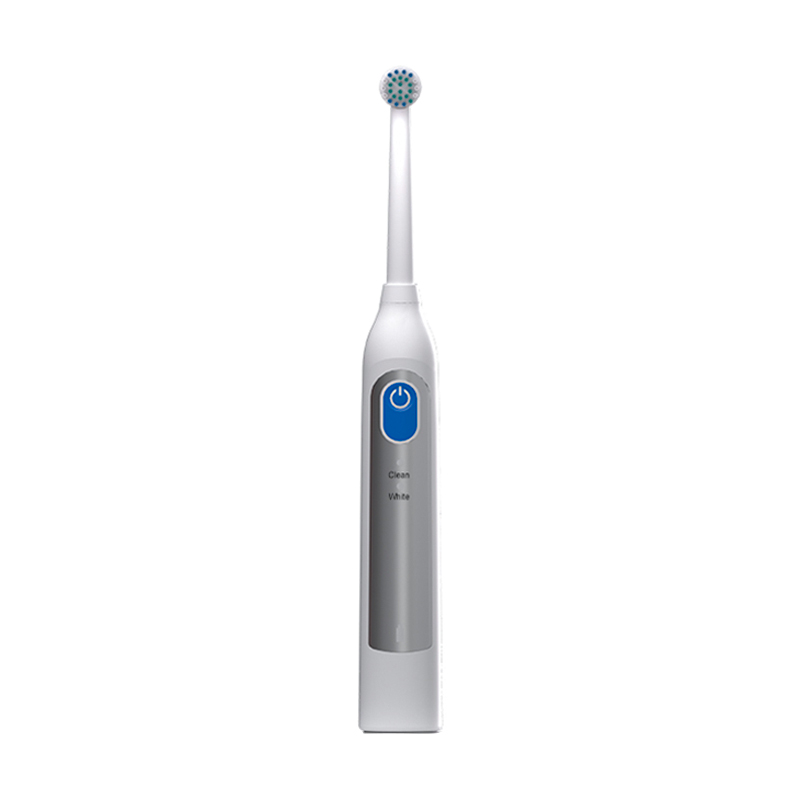
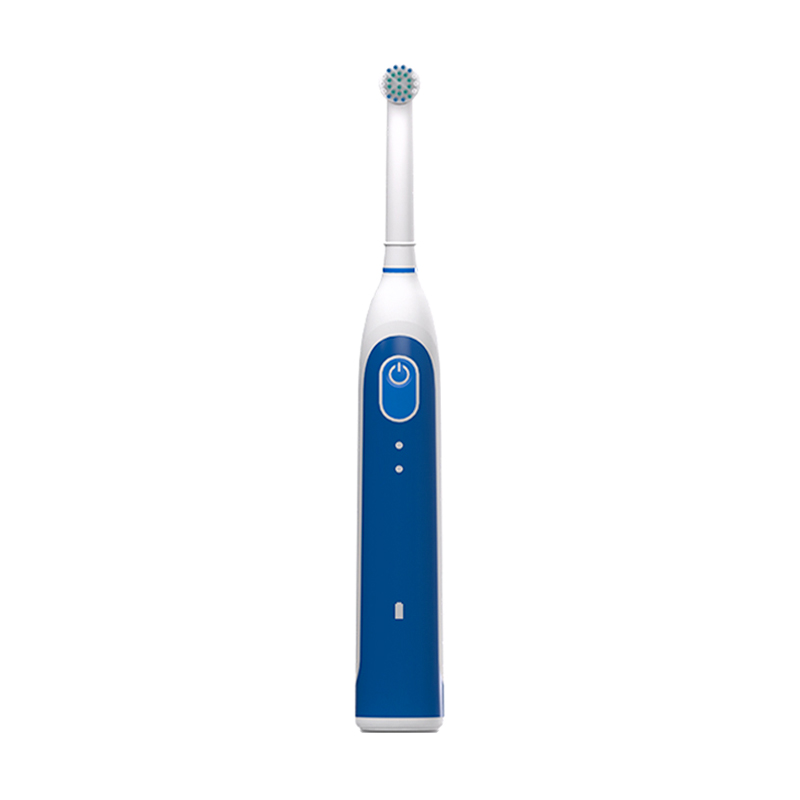
An Oscillating Rechargeable Brush uses a built-in rechargeable battery paired with a charging base instead of replaceable disposable batteries, which means the handle only needs periodic charging rather than battery swaps. This design generally supports steadier power delivery to the rotating head throughout a charge cycle, since rechargeable cells are built to maintain a more consistent output curve. For buyers comparing options, the Oscillating Rechargeable Brush pairs a rotating head mechanism with a dedicated charging stand designed for everyday countertop use. The sections below use charts to compare charging time, battery capacity retention over time, charging habits, and overall attribute balance for rechargeable oscillating designs.
Charging time is one of the more practical differences between a rechargeable brush and a disposable battery model, since a rechargeable handle needs time on its base rather than an instant battery swap. The horizontal bar chart below compares approximate time to reach a usable charge level, based on general manufacturer specification summaries. A quick top-up charge generally restores enough power for a day or two of use in a short window. A full overnight charge typically brings the battery to its complete capacity, supporting several days of typical twice-daily brushing. Disposable battery replacement is nearly instant by comparison, though it requires keeping spare batteries on hand at all times.
Source: general manufacturer charging specification summaries for rechargeable oral care devices
Rechargeable batteries in electric toothbrush handles generally follow a gradual capacity decline pattern common to lithium-ion cells used in small household devices. The line chart below shows an illustrative capacity retention curve across three years of regular use, based on general battery industry research summaries. Capacity typically stays close to its original level during the first year of ownership under normal charging habits. A more noticeable decline tends to appear by the second and third year, which is a standard characteristic of rechargeable battery chemistry rather than a defect. Avoiding full depletion before every charge is a habit some manufacturers suggest may help support more stable capacity over time.
Source: general lithium-ion battery industry research summaries on capacity retention over time
How often and where a rechargeable brush is charged tends to vary based on household routines and counter space. The column chart below groups approximate charging habit preference into three categories based on general product-feedback pattern estimates. Overnight countertop charging is the most common habit, generally fitting naturally into an existing bathroom routine. Periodic top-up charging, done every few days rather than nightly, is also common among users who prefer not to keep the base plugged in continuously. Travel charging, using a separate charger or power bank away from home, represents a smaller but steady share tied to trip frequency.
Source: general product-feedback pattern estimates on charging habit preference
Selecting a rechargeable oscillating brush usually involves weighing several attributes together rather than charging convenience alone. The radar chart below compares five attributes commonly considered: charge retention, charging speed, portability, durability, and reduced battery waste. Charge retention and charging speed are often evaluated together since both relate directly to how the battery is built and managed. Reduced battery waste is generally rated as a practical advantage of rechargeable designs, since there is no need to discard disposable batteries on a regular basis. Portability can be slightly lower than a fully manual brush due to the added weight of the motor and battery, which is a common tradeoff for motorized designs.
Source: illustrative attribute comparison based on general category benchmarks
A few charging-related features tend to distinguish one rechargeable oscillating brush from another during daily use. The table below summarizes common features and their general purpose.
| Feature | Typical Function |
| Low-battery indicator light | Signals when a charge is needed soon |
| Sealed charging contacts | Supports safe charging in a wet bathroom setting |
| Compact charging base | Fits easily on standard bathroom counter space |
| Travel charging cable option | Supports charging away from the home base |
Consistent internal assembly is important for any handle that combines a rotating motor, sealed housing, and rechargeable battery cell. Ningbo Huiho Cosmetics Packaging Co., Ltd. is located in Ningbo, Zhejiang Province, an area sometimes referred to as the "Venice of the East," and operates as a professional manufacturer of large-scale daily cosmetics packaging in China. After years of continuous research, development, and innovation, the companys products have earned recognition and trust from domestic and international partners, helping set a benchmark within the cosmetics packaging industry. This background supports the manufacturing standards applied to items such as the Oscillating Rechargeable Brush, where consistent battery seating and housing seals help maintain reliable charging performance over repeated cycles. Strong process control is generally a useful indicator of dependable bulk order quality for distributors and retailers.
Many rechargeable handles are designed to support roughly one to two weeks of twice-daily use on a single full charge, depending on usage habits.
Most rechargeable designs include charging management circuitry, so leaving the handle on its base between uses is generally considered a normal charging pattern.
A noticeably shorter run time after a full charge compared to earlier use is generally a sign of gradual battery capacity decline over time.
Charging bases are typically designed with sealed contacts suited for everyday bathroom humidity, such as the base included with the Oscillating Rechargeable Brush.
Yes, many models support charging through a standard cable, making it possible to top up power away from the primary charging base.
Relying on professional design, sophisticated mold manufacturing and advanced equipment, and perfect management, the company's various products are exported to more than 100 countries and regions on five continents.We are OEM Oscillating Rechargeable Toothbrushes Factory.
 West Zhengxiang Village, Zhengxiang, Yuyao City, Zhejiang, China.
 +86-13952799285/+86-574-62291690
 +86-574-62294590