
 English
 中文简体
Phone:+86-13952799285
A hotel bathroom sink is a poor place to discover that your toothbrush case does not seal, your charger needs a bulky dock, or your brush head has been pressing against a damp toiletry bag for ten hours. A portable sonic electric toothbrush solves a specific problem: it brings sonic cleaning into a small, protected, travel-ready format. The right choice is not simply the shortest handle or the lightest brush. It is the model whose case, power system, brush head, and cleaning mode still work well on the third night of a trip and at home between journeys.
Content
- 1 What portable really means in daily and travel use
- 2 Cleaning performance: frequency is useful, technique matters more
- 3 Power, charging, and battery life for real trips
- 4 Waterproofing, hygiene, and shared spaces
- 5 Buying checklist for different travelers
- 6 Packing routine that avoids most surprises
- 7 Mistakes that make a portable brush feel inconvenient
What portable really means in daily and travel use
Portable is a system, not a measurement. A brush that is two centimeters shorter but needs a charging stand is less portable than a slightly larger model with USB charging and a hard case. Check four elements: sealed brush head protection, cable or battery format, weight with the case, and whether the brush can dry without trapping water. A head that cannot ventilate after use can stay damp, while a case that seals too tightly without any airflow can hold odor. The practical balance is a case that protects the head and handle while allowing the brush to be dried before packing.
| Format | Strength | Watch-outs | Best for |
|---|---|---|---|
| Battery-powered sonic | No charger needed and easy battery replacement | Disposable batteries add weight and sustained power can drop | Remote trips and short stays with uncertain power |
| USB rechargeable sonic | Recharges from a laptop, power bank, or standard adapter | Needs the correct cable and some charge planning | Business travel, hotel stays, and carry-on packing |
| Travel case bundle | Protects the brush head and keeps the handle clean | Takes more space and must be packed dry | Frequent flyers and commuters who pack daily |
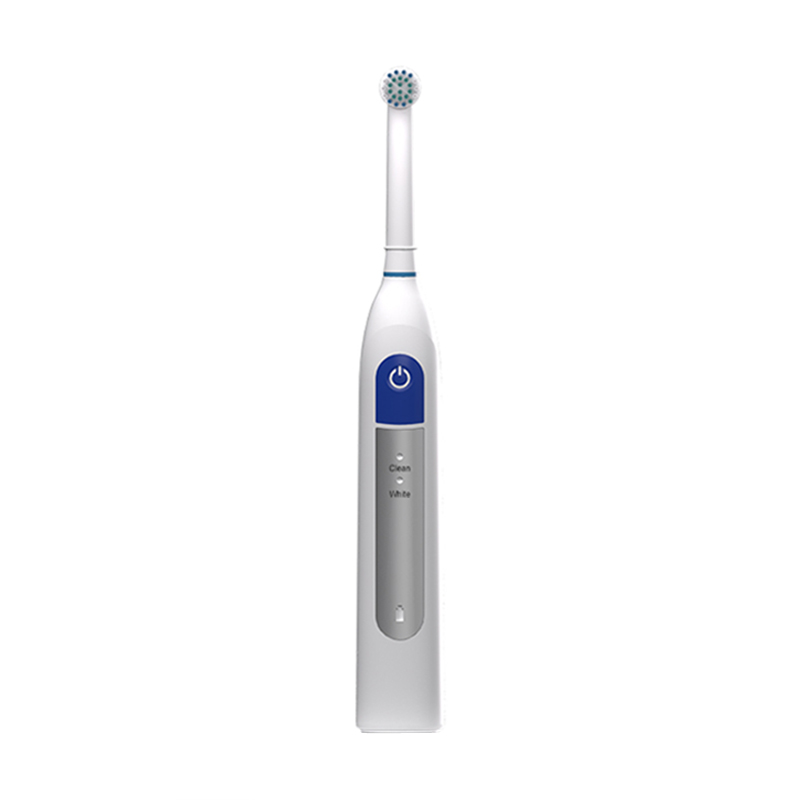
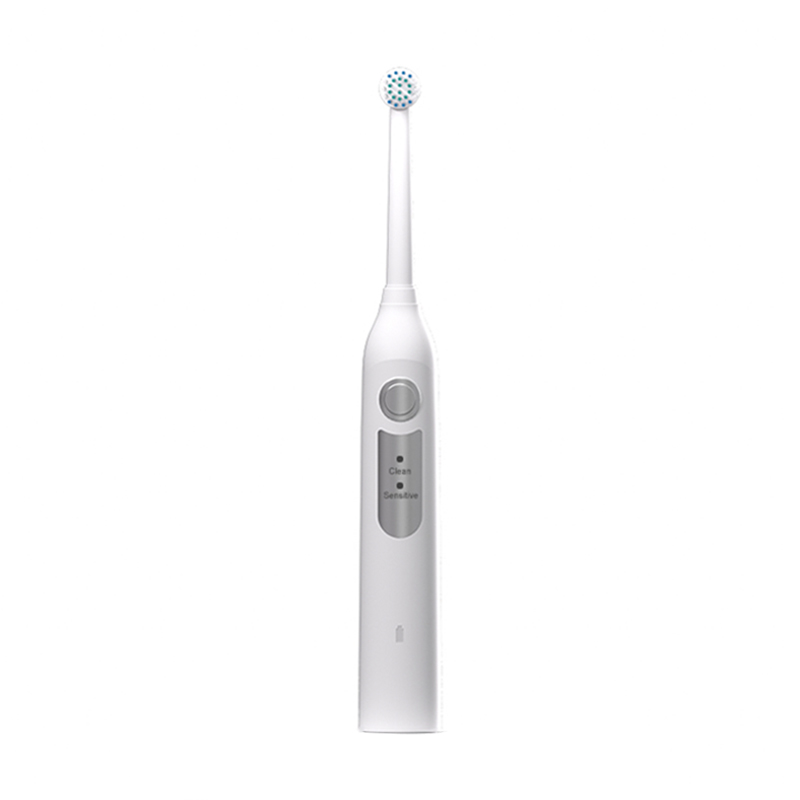
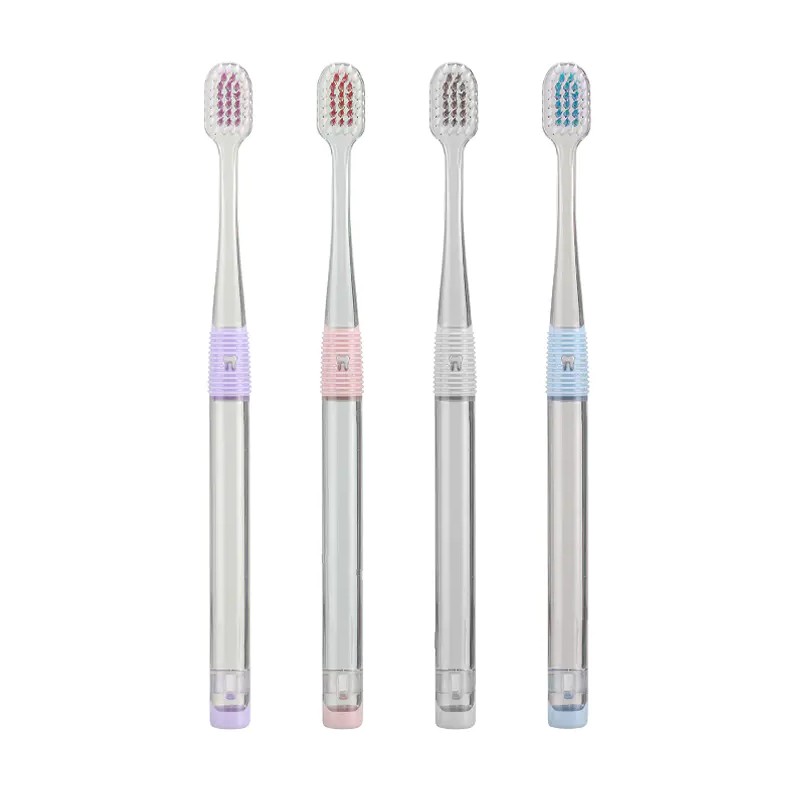
Aolbea's ALB951 pairs an ultra-fine handle with a travel box, which addresses the loose-head problem rather than just shrinking the handle.
 Aolbea ALB-951 Ultra Fine Handle Travel Sonic ToothbrushA compact battery-powered sonic brush with a travel box, 20,000 vibrations/min, wavy PBT bristles, and IPX4 splash resistance for daily adult cleaning.View Product →
Cleaning performance: frequency is useful, technique matters more
Sonic brushes commonly run in the range of 20,000 to 40,000 movements per minute, and some Aolbea models are listed at 33,000 vibrations per minute. That number is useful for understanding the cleaning method, but it is not a complete quality score. Amplitude, brush head shape, filament end shape, and pressure control change how the motion reaches plaque along the gumline. A high frequency with a stiff head and heavy hand pressure can feel busy without being comfortable. A moderate frequency with a small head, soft filaments, and a two-minute timer often gives a better result for daily use.
For anyone comparing claims, the practical question is whether the brush helps the bristles reach the gum margin and the back teeth without irritation. Sonic action can help move fluid around the teeth, but the bristles still need contact with the plaque. Short, gentle strokes along the gumline and a pause at each tooth are more valuable than pressing harder. If you want a deeper explanation of the mechanism, this article on whether sonic electric toothbrushes are really effective is a useful companion read.
Power, charging, and battery life for real trips
Two-night trips are easy. A brush with a sealed head cover and a travel lock may be enough. Two-week trips are different. Look for a stated runtime, a charge time that fits your routine, and a port cover that keeps water away from the charging point. USB charging is convenient, but USB does not guarantee the same cable for every model. Carry the cable the brush actually uses. A travel lock is not a gimmick either. Pressure on a button inside a packed bag can start the motor, drain the battery, and make the brush vibrate against nearby items.
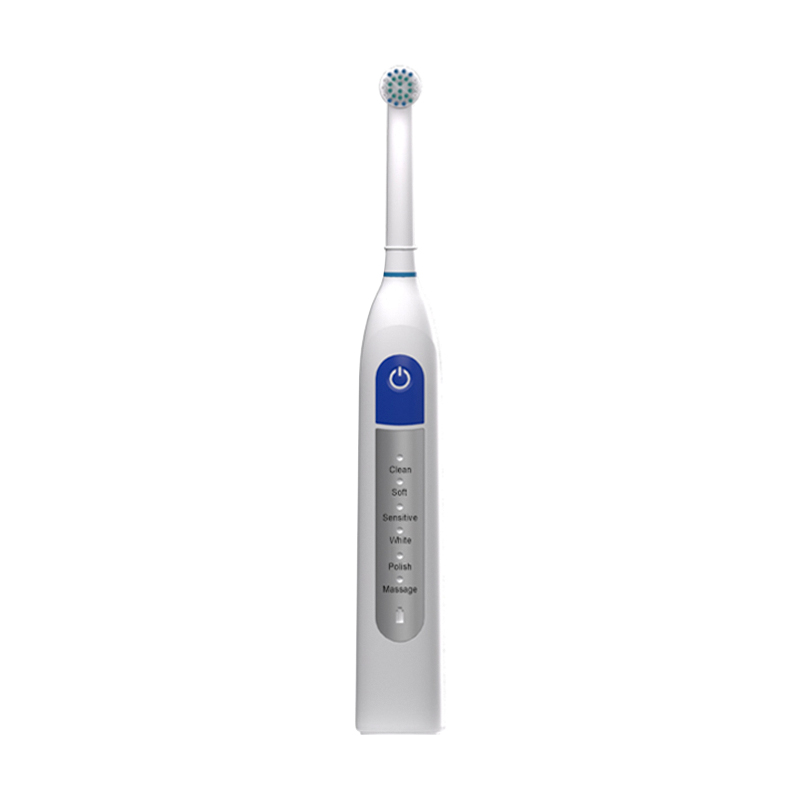
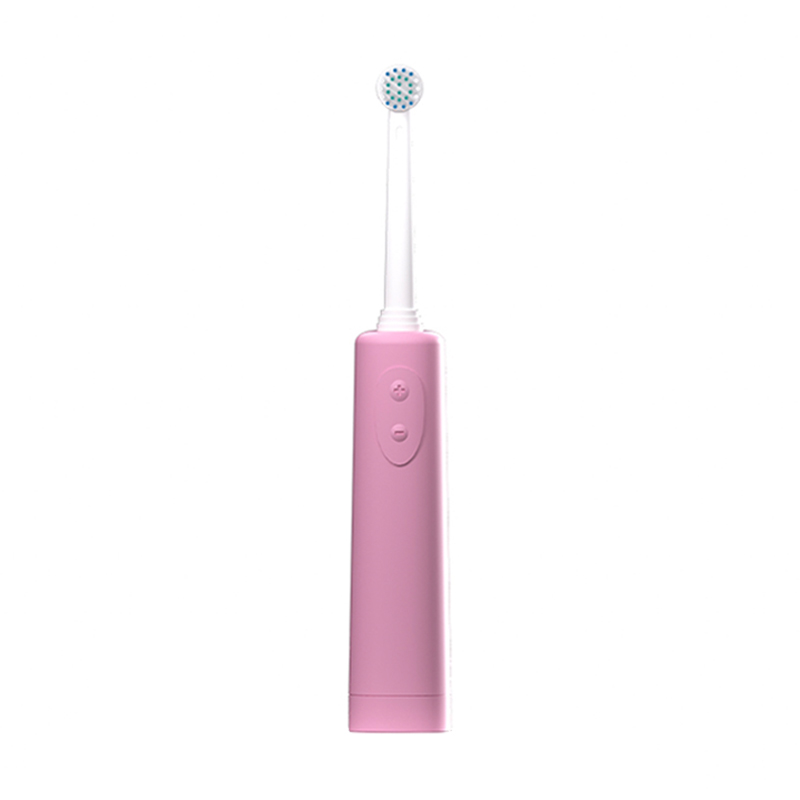
Aolbea's ALB959 is a USB rechargeable sonic model aimed at cleaning and whitening, which suits travelers who can charge from a laptop or power bank.
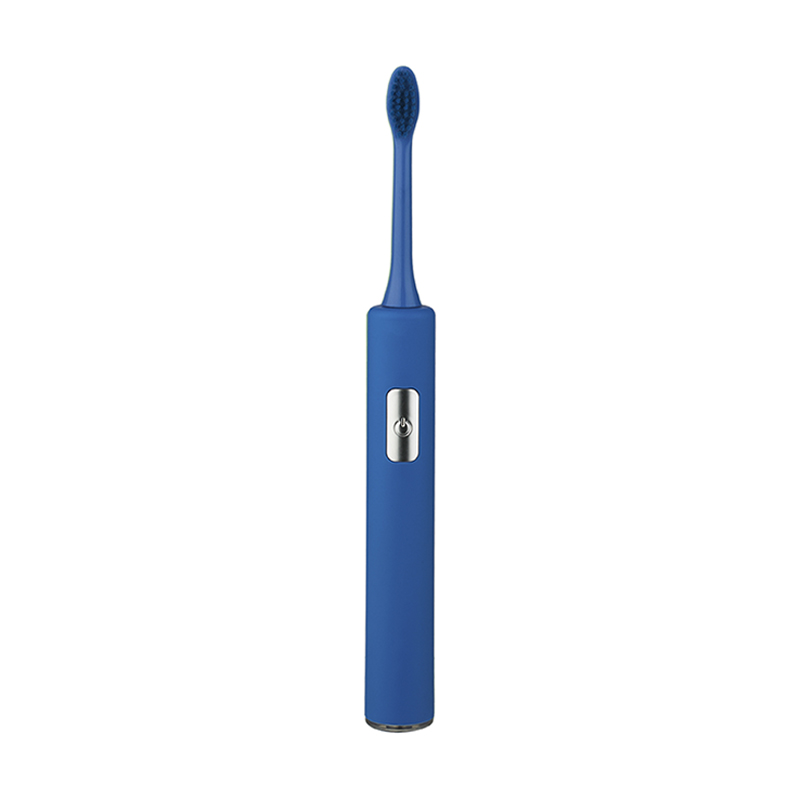 Aolbea ALB-959 USB Rechargeable Whitening Sonic ToothbrushA USB-rechargeable sonic brush with 33,000 vibrations/min, three modes, a 2-minute timer, and IPX7 waterproofing for cleaning and whitening on the go.View Product →
Long standby for unpredictable access
Not every trip includes a reliable outlet near the bathroom. A long-standby design reduces the need to charge every few days, but standby time and brushing time are different figures. Check the claimed brushing runtime, not only the sleep time between charges. If you travel with a partner, keep chargers and brush heads separate so one weak battery does not disrupt both routines.
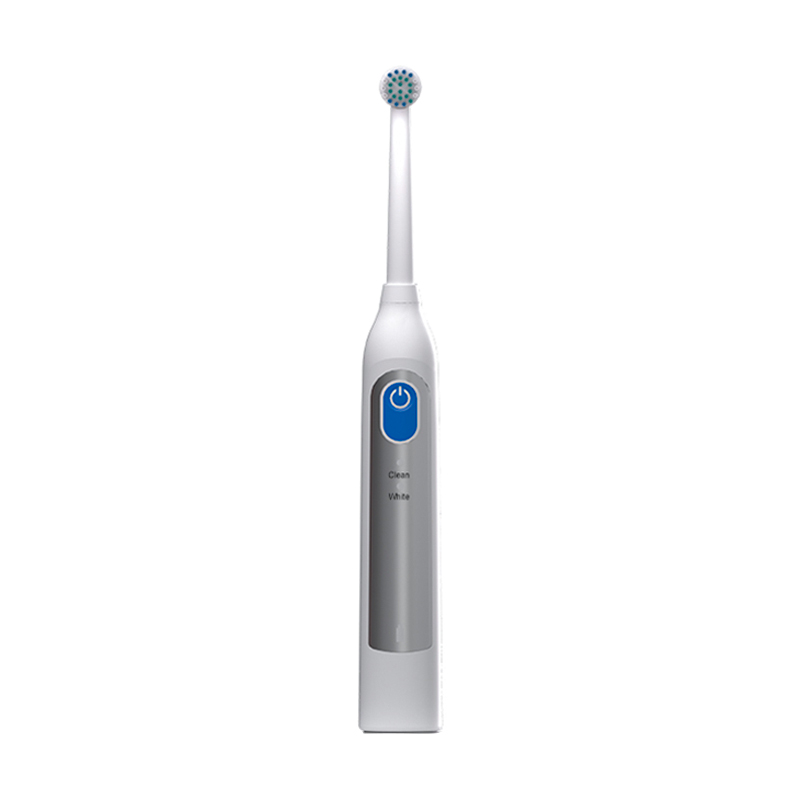
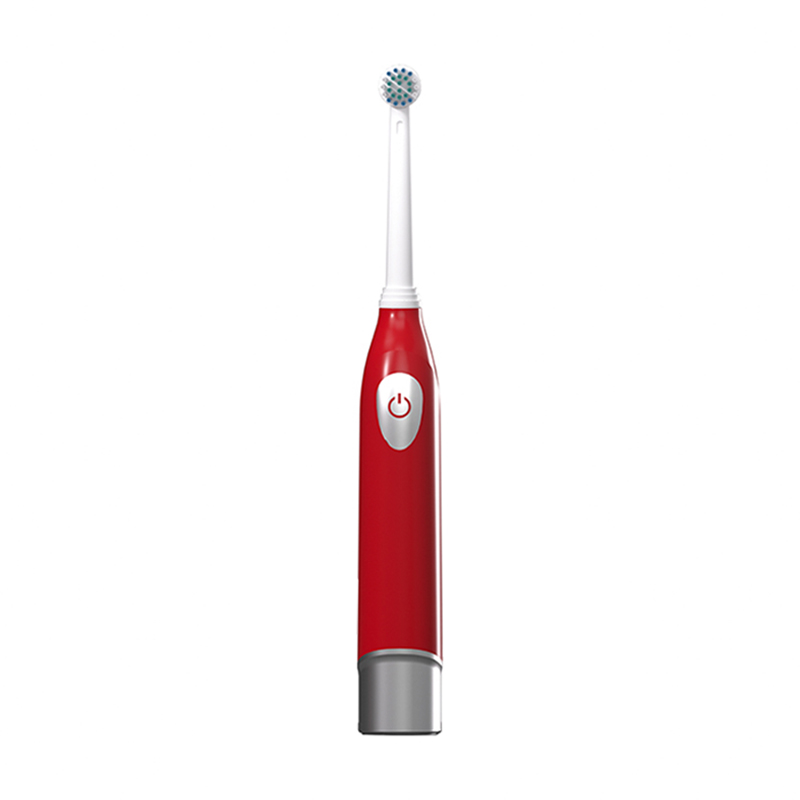
The ALB962 is described as a super-long-standby adult intelligent USB model, which fits longer stretches away from a dependable charging point.
 Aolbea ALB-962 Long-Standby Intelligent USB Sonic ToothbrushA five-mode USB sonic brush with about 180 days of standby, IPX7 waterproofing, and a 2-minute timer for longer travel stretches away from charging.View Product →
IPX4 and IPX7 are not interchangeable labels. IPX4 covers splashes, which may be enough beside a sink. IPX7 covers temporary immersion, which is more reassuring if the brush falls into a basin or sits in a wet travel bag. Water resistance does not replace drying. After use, shake off excess water, wipe the handle, and let the head air dry before closing the case. Do not store a wet brush in a sealed pouch for hours and then use it the next morning. Replace the brush head every three months, or sooner if the filaments are splayed. In a family bathroom, color-coded heads and separate storage reduce mix-ups.
Buying checklist for different travelers
- Business travelers: choose a hard case, travel lock, quiet motor, and a cable that fits a laptop bag.
- Frequent flyers: confirm battery type and airline rules before packing, and keep the brush switched off.
- Long-stay travelers: prioritize stated runtime, port protection, and easy replacement heads.
- Users with sensitive gums: look for a low mode, soft filaments, a small head, and pressure control.
- Family use: use distinct head colors and avoid sharing brush heads.
| Trip pattern | Priority | Reason |
|---|---|---|
| One to three nights | Compact case and travel lock | Reduces bulk and prevents accidental starts |
| One to two weeks | USB charging and stated runtime | Fits hotel outlets, laptops, and power banks |
| Remote travel | Battery power or long standby | Keeps working when charging access is limited |
| Sensitive gums | Low mode, soft head, pressure control | Supports comfort without skipping cleaning |
Packing routine that avoids most surprises
- Rinse and dry the brush head and handle before packing.
- Fit the head cover or place the brush in its case without forcing the filaments.
- Switch on the travel lock, or remove the battery if the model uses one.
- Pack the correct charging cable and a small wall adapter when needed.
Airline rules vary by battery type and airline, so check before departure rather than at security. Keep the brush accessible if you need to show it, and avoid packing it beside sharp items that can damage the head. A portable brush should protect itself in the bag, not depend on careful placement every time.
Mistakes that make a portable brush feel inconvenient
- Buying the smallest handle but ignoring the size of the case.
- Packing a damp head into a sealed bag.
- Forgetting the cable because the brush uses a less common connector.
- Using the highest mode on tender gums instead of a gentler setting.
- Keeping a worn head because replacements were not planned.
- Assuming water resistance means the brush can be stored wet.
The best portable sonic electric toothbrush is the one you can dry, pack, charge, and use without improvising. Start with the case and power format, then check the brush head, cleaning comfort, and replacement supply. Aolbea has manufactured oral care products since 1986 and participates in electric toothbrush standards work, so buyers should also ask how replacement heads and product consistency are supported over time. A brush that travels well should still be pleasant enough to use twice a day at home. That combination is the real test of portability.