
 English
 中文简体
中文简体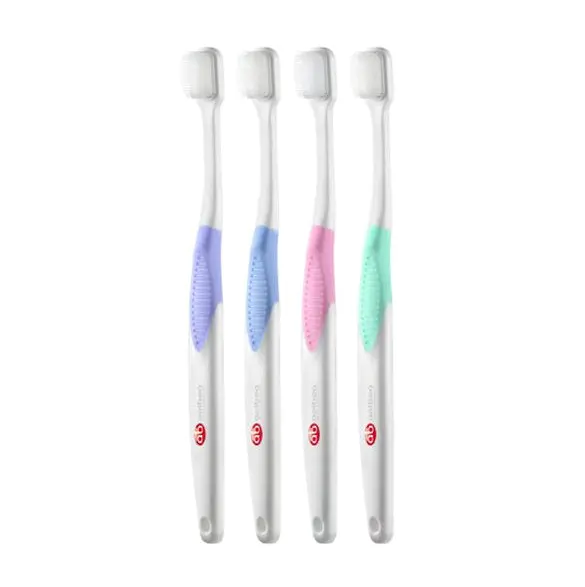
Phone:+86-13952799285
At age seven, a child's mouth is in constant transition. The first permanent molars usually arrive between six and seven, baby teeth loosen and fall out, and the child begins taking on more responsibility for their own brushing. A toothbrush that worked a year ago can suddenly feel too large, too harsh, or simply too boring. The best toothbrush for a 7 year old is one that fits this changing mouth, protects tender gum tissue, and keeps the child engaged long enough to brush for the full two minutes.
Content
What Changes in a 7 Year Old's Mouth
Most 7 year olds have about 24 teeth in various stages of the mixed dentition phase. They still hold baby teeth in the back, while permanent incisors and first molars have already emerged or are breaking through. This makes brushing more demanding for two reasons. The permanent molars contain deep pits and fissures that trap plaque and food debris, and loose baby teeth can make brushing feel uncomfortable if the bristles are too stiff.
The enamel on newly erupted permanent teeth is also less mature than adult enamel. It is more porous and softer, which means it can be scratched or worn down by medium or hard bristles. Soft bristles are therefore not a preference but a necessity at this stage. At the same time, children this age are still developing the fine motor control needed for precise brushing strokes, so the brush must be forgiving of imperfect technique.
Features That Matter Most
When parents ask what to look for, we usually point to five features. Each one directly affects how well a child can brush and whether they will willingly keep brushing. The chart below reflects the importance that pediatric dentists and parents assign to each feature for the 7 year old age group.
Feature importance ratings for a 7 year old's toothbrush
Soft bristles rank first because the enamel on newly erupted permanent teeth is still maturing and can be damaged by firmer bristles. A small head matters because a brush that is too large simply cannot reach the back molars comfortably. The easy grip handle helps a 7 year old maintain control while brushing, since fine motor skills are not fully developed. Fun design is not just about preference, because children who like their toothbrush are far more consistent with their brushing routine. The built-in timer comes last, but it still plays a useful role in helping children brush for the recommended two minutes.
Head Size and Bristle Guidance
The correct brush head width for a 7 year old is closely tied to the size of the child's mouth, which varies more than most parents expect. As a general rule, the head should cover roughly two teeth at a time. If it covers more than two and a half teeth, it is too large. The chart below summarizes typical head width recommendations by age group, based on dental anthropometric data and common pediatric dental guidelines.
Recommended toothbrush head width by age
A 7 year old typically needs a brush head of about 19 millimeters, which sits between the smaller toddler heads and the larger adult versions. Using a head that is too large makes it difficult to angle the brush toward the gum line of the back molars. A head that is too small, by contrast, reduces cleaning efficiency because it covers less surface area with each stroke. The 19 millimeter size covers about two teeth at a time, which is the sweet spot for efficient cleaning. Parents should observe their child brushing to confirm that the brush reaches the back teeth without causing discomfort. If the child has to open very wide or struggles to maneuver the brush, it may be time to size up or down accordingly.
Manual vs Electric: The Real Comparison
The manual versus electric debate is more nuanced than most articles suggest. Both brush types can produce excellent results for a 7 year old, but they support different levels of skill and motivation. The radar chart below compares six factors that matter when making this choice for a 7 year old.
Manual vs electric toothbrush comparison for age 7
Manual toothbrushes lead clearly in cost value, gentleness, and portability. They are inexpensive to replace, produce no noise or vibration, and work well for travel. Electric toothbrushes, on the other hand, excel in cleaning power and child motivation because the mechanical action compensates for less precise brushing strokes. A child who finds the vibration fun is more likely to brush longer and more consistently. The two types come closest on ease of use, where the manual brush requires more technique and the electric brush requires some instruction on pressure control. For most 7 year olds, the deciding factor is not which brush cleans better in clinical tests, but which one the child will use correctly twice a day without constant reminders.
Plaque Removal: A Closer Look
Clinical comparisons on plaque removal in school-age children can feel abstract to parents. That is why we prepared the chart below, which illustrates a simplified eight week plaque reduction scenario based on published pediatric dental research. The key message is not that one tool always wins, but that consistent use drives the outcome more than the type of brush.
Plaque reduction over eight weeks by toothbrush type
Notice that the electric brush produces a faster improvement in the first two weeks, with plaque reduction reaching roughly 38 percent by week two. The manual brush also improves steadily, but it trails by about 10 percentage points at that stage. By week eight, the electric brush reaches about 60 percent reduction, while the manual brush lands near 43 percent. This gap is mostly explained by the built-in timer on most electric models, which keeps children brushing longer. Yet the manual brush still achieves meaningful plaque reduction, which tells us that consistent twice daily brushing with proper technique is the real foundation. Parents should therefore weigh their child's current brushing behavior before deciding which type to purchase.
What We Recommend for a 7 Year Old
After considering all the evidence, here is the practical bottom line. A child who brushes eagerly and reaches all areas of the mouth can do very well with a quality manual brush. A child who rushes, resists, or struggles with technique will likely benefit more from an electric brush. In both cases, the brush must have soft bristles, a head width around 19 millimeters, and a handle that fits a small hand.
For a manual option, the kids super-soft small-head toothbrush is designed specifically for children in this age range. Its extra-soft rounded bristles clean the grooves of newly erupted molars without irritating tender gum tissue, and the compact head reaches the back teeth with ease.
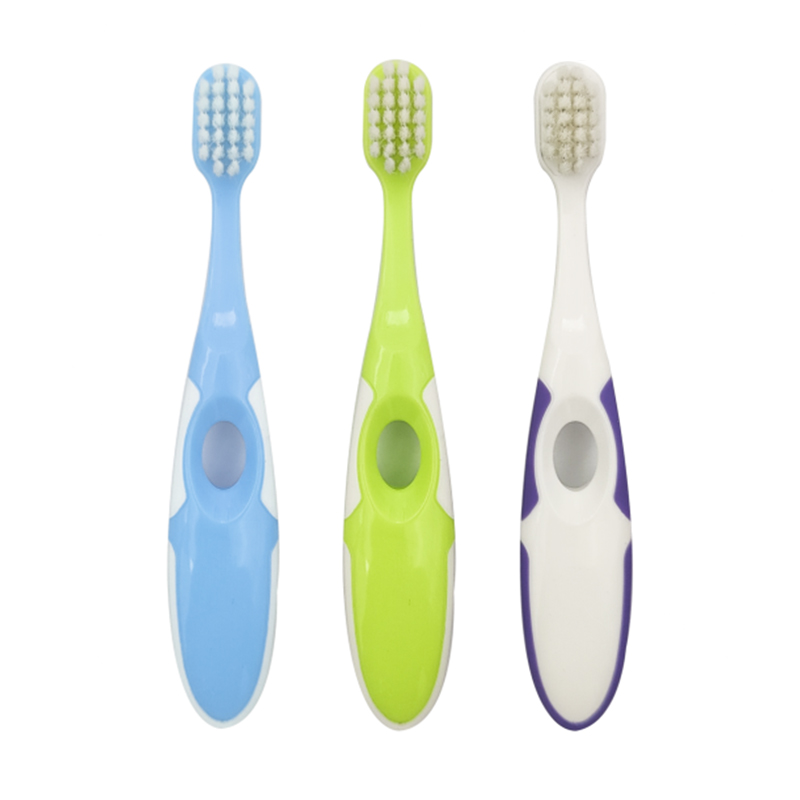 Custom LB-4508 Kids Super Soft Small Head Toothbrush Suppliers, OEM Company - NiAolbea Oral Care Products is China custom LB-4508 Kids Super Soft Small Head Toothbrushes suppliers and OEM company,Square-hole flocking ...View Product →
For parents who prefer a more thorough clean, the children's soft-bristle cleansing small-head toothbrush uses densely planted soft bristles that lift plaque from tight spaces and deep pits. This is especially helpful during the mixed dentition stage, when permanent molars are erupting with deep fissures that trap food.
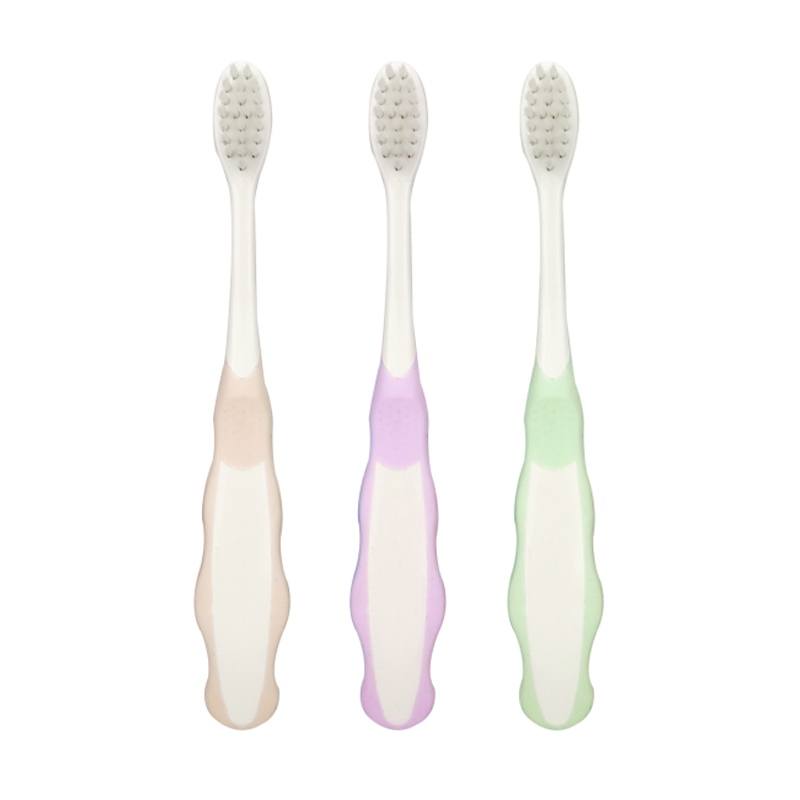 Custom ALB-4511 Children's Soft Bristle Cleansing Small Head Toothbrush SupplierAolbea Oral Care Products is China custom ALB-4511 Children's Soft Bristle Cleansing Small Head Toothbrushes suppliers and OEM company,So...View Product →
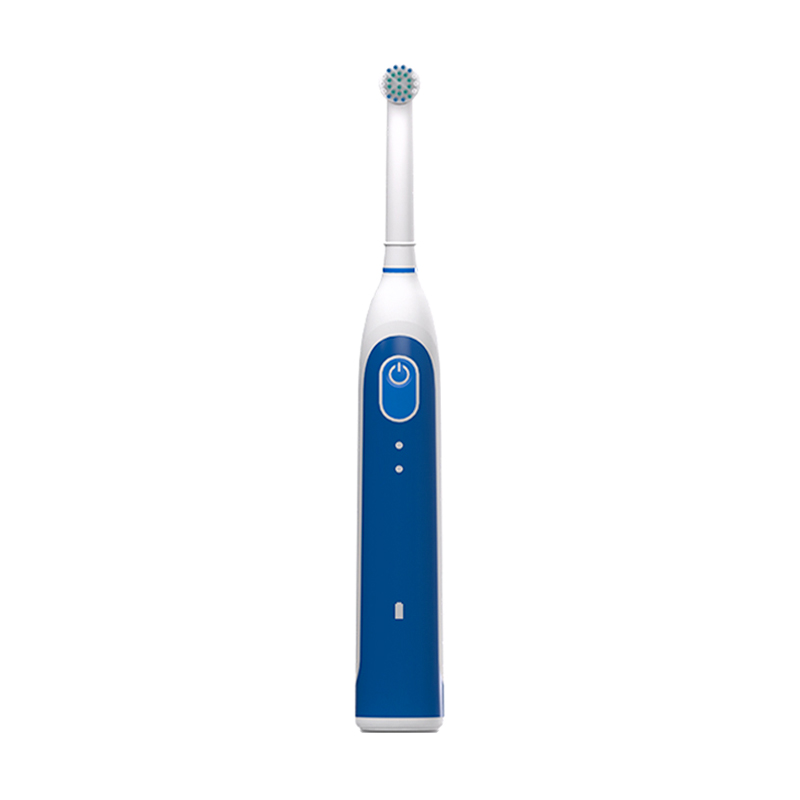
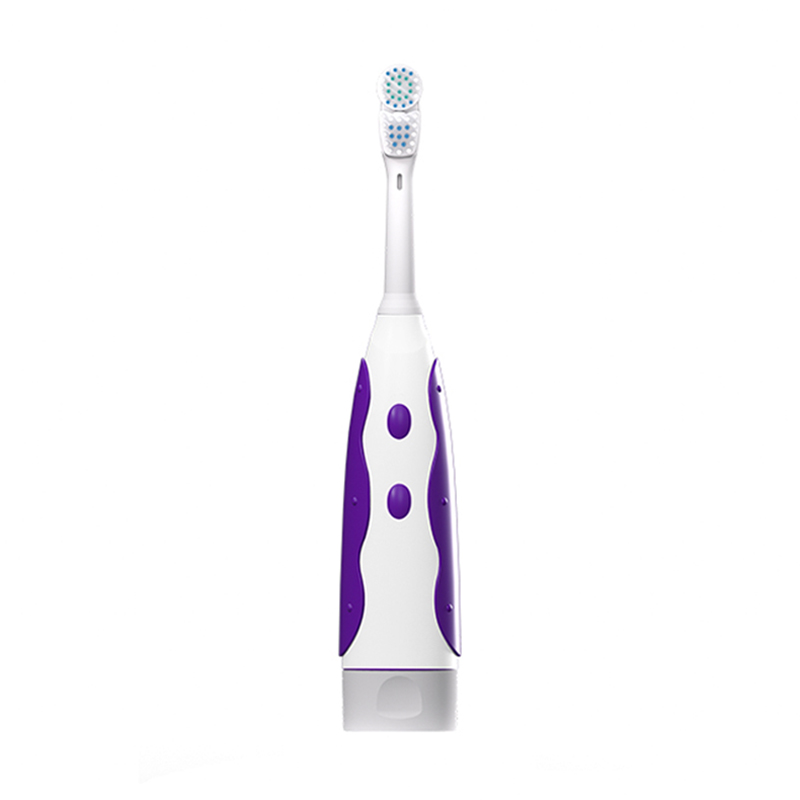
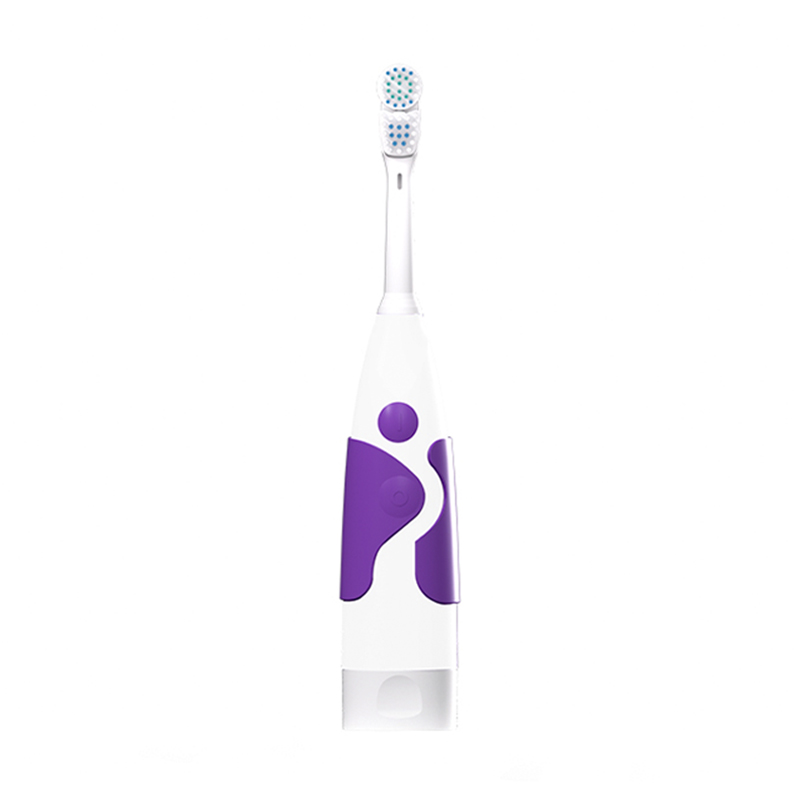
If you want to introduce an electric brush, the colorful kids electric toothbrush is a gentle battery powered model that many 7 year olds find exciting. The oscillating action compensates for imperfect technique, while the colorful design builds positive associations with brushing.
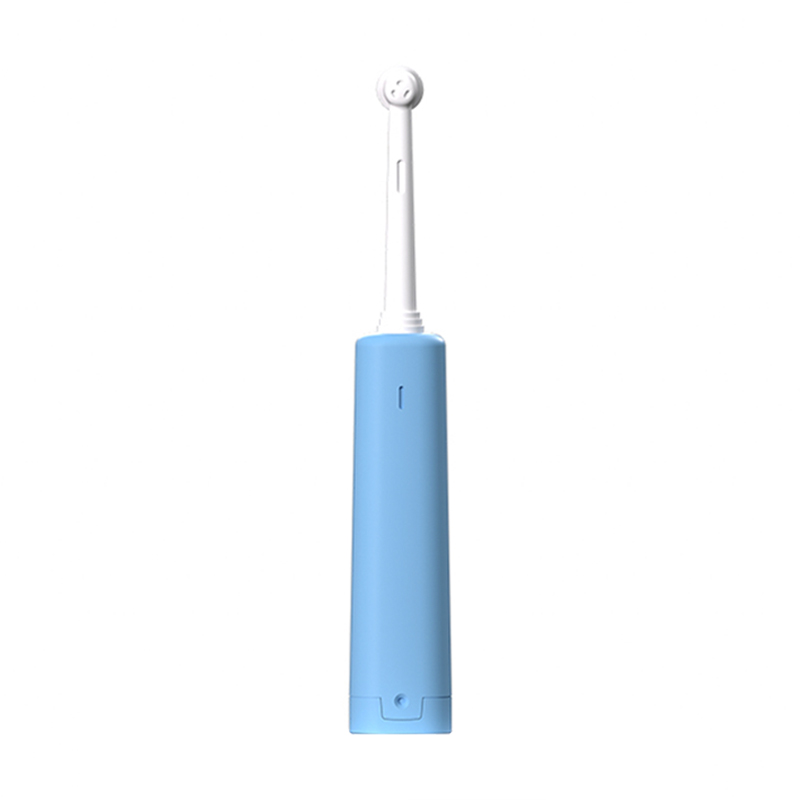 Custom ALB-927 Colorful Kids Electric Toothbrush Battery Powered Brush SuppliersAolbea Oral Care Products is China custom ALB-927 Colorful Kids Electric Toothbrushes Battery Powered Brush suppliers and OEM company,Pro...View Product →
For additional context on when children should make the switch, our age guidance for electric toothbrush use in children explains the key milestones. Parents may also want to read about how soft-bristle small-head brushes help prevent decay in children.
Building a Consistent Brushing Habit
Choosing the right brush is only the starting point. A 7 year old needs structure and support to build a habit that lasts. Here are proven strategies that work well at this age.
Brush together as a family. When the child sees a parent brushing, it normalizes the routine and gives the child a model to imitate. Brushing at the same time each day also builds a predictable rhythm that the child comes to expect.
Use a two minute timer. Many children at seven have no real sense of how long two minutes lasts. A simple sand timer, a music clip, or the timer function on an electric brush can make the duration tangible and engaging.
Follow up with a parent's pass. After the child finishes, take a turn reaching any missed areas, particularly the back molars. This is not a reprimand, but simply a normal part of oral care at this age. Most children accept it if you explain it as helping the toothbrush catch the last bits of food.
Replace the brush every three months. Seven year olds often chew on their brushes, which causes bristles to splay much sooner than normal. A worn brush cleans poorly and can scratch the gums. Mark the replacement date on a calendar so it becomes part of the family routine.
Final Thoughts
The best toothbrush for a 7 year old is one that fits the child's mouth, matches their skill level, and feels rewarding enough to use consistently. Soft bristles protect maturing enamel, a smaller head reaches the back molars, and a comfortable grip supports proper technique. Whether you choose a manual or electric model, the principles are the same. Observe your child's brushing habits, pick a brush that addresses their specific weaknesses, and build a routine that makes two minutes of brushing feel natural. When those pieces are in place, the specific brush model matters far less than the daily habit.