
 English
 中文简体
中文简体
Phone:+86-13952799285
In daily oral care, toothbrushes are our closest companion. However, when walking into a supermarket or browsing e-commerce platforms, many people are confused by the dazzling array of bristle hardness options—from "extra soft" to "medium-hard"—and wonder: which bristle softness is the best choice for healthy teeth?
This article will provide an in-depth analysis of the advantages and disadvantages of bristle softness, helping you choose the most suitable toothbrush based on your individual oral condition.
Content
1. Soft-bristled toothbrush: The "gold standard" for most people
Most dentists recommend using soft-bristled toothbrushes. The main reasons behind this are as follows:
- Protecting tooth enamel: Long-term use of overly hard bristles can lead to physical wear and tear on tooth enamel, while soft-bristled toothbrushes effectively reduce this damage.
- Protecting gums: Soft bristles can reach deep into the gingival sulcus (the junction of teeth and gums) to clean food debris without injuring delicate gum tissue, preventing gum recession and bleeding.
- Flexibility: Softer bristles bend more easily in the narrow space of the mouth, covering the uneven surfaces of teeth.
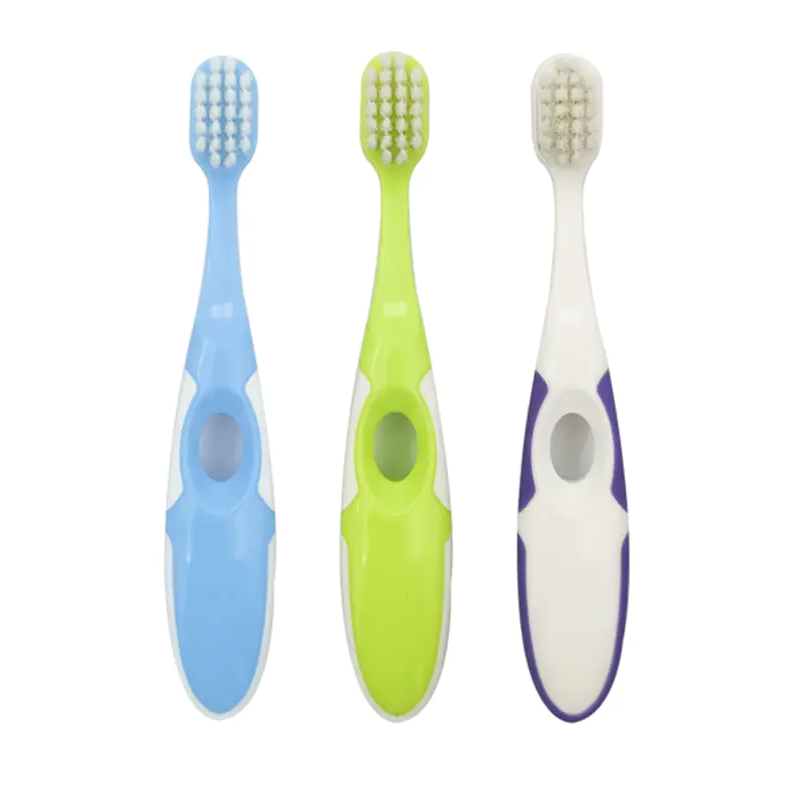
2. Hard-bristled toothbrushes: Why are they fading from view?
While hard-bristled toothbrushes seem more efficient at removing stubborn stains (such as tobacco and tea stains), their potential risks often outweigh the benefits:
- Tooth sensitivity: Frequent use of hard-bristled toothbrushes can wear down the protective layer of teeth, exposing dentin and causing sensitivity to hot, cold, and acidic substances.
- Cleaning misconceptions: Many people believe that brushing harder with hard-bristled toothbrushes cleans better, but this can easily create "wedge-shaped defects," where small grooves are brushed into the neck of the tooth.
3. Purchase recommendations for different groups
- Healthy adults: Soft or medium-soft bristles are the best choice. This is the most balanced option, ensuring daily cleaning power while effectively avoiding excessive wear on tooth enamel.
- For those with periodontitis or easily bleeding gums: Ultra-soft bristles are recommended. Ultra-soft bristles significantly reduce irritation to sensitive gums, and when combined with proper brushing techniques, help relieve inflammation.
- For those wearing orthodontic braces: Medium-hard bristles are recommended. Because brackets and metal wires easily trap plaque, a slightly firmer toothbrush provides stronger cleaning power.
- For children and the elderly: Choose ultra-fine soft bristles. These individuals often have thinner enamel or more fragile gum tissue, and ultra-fine soft bristles provide the gentlest care.
4. Additional Considerations When Choosing a Toothbrush
In addition to bristle softness, a high-quality toothbrush should also have the following characteristics:
- Rounding: High-quality toothbrushes have rounded bristle tips. The higher the rounding rate, the better the protection for the gums.
- Brush Head Size: The brush head should be small and flexible, easily reaching the innermost wisdom tooth area.
- Replacement Frequency: Regardless of the type of toothbrush chosen, it is recommended to replace it every 3 months. If the bristles become curled or flattened, replace the toothbrush immediately.
Soft-bristled toothbrushes are currently recognized by the medical community as the most suitable oral hygiene tool for the general public. They ensure sufficient cleaning power while minimizing physical damage to the hard tissues of the teeth.
Choosing the right toothbrush is only the first step in protecting your teeth. Combining it with proper brushing technique and the use of dental floss is essential for truly achieving a healthy, bright white smile.