
 English
 中文简体
Phone:+86-13952799285
A mouthguard toothbrush for adults looks simple: a flexible tray with bristles inside and a motor that vibrates against several teeth at once. The appeal is clear for busy users, people with limited hand dexterity, or anyone who wants a shorter brushing routine. The purchase decision is not simple. Fit, bristle contact, gum comfort, cleaning evidence, replacement cost, and daily hygiene all affect whether the device helps or just sits in a bathroom drawer. The practical checks come first, then the trade-offs.
Content
- 1 The Short Answer: Convenience Is Not the Same as Better Cleaning
- 2 How a Mouthpiece Brush Works
- 3 Fit and Size Checks That Decide Comfort
- 4 Cleaning Evidence and Gum Line Contact
- 5 Buying Checks for Adult Mouthguard Toothbrushes
- 6 Hygiene, Replacement, and Running Cost
- 7 Gum Comfort and Bristle Choice
- 8 Electric Alternative With Timed Brushing
- 9 Buying Questions to Ask Before You Pay
- 10 Final Recommendation
The Short Answer: Convenience Is Not the Same as Better Cleaning
A mouthguard toothbrush for adults can be a useful convenience product, but it is not automatically a better cleaning tool. Buy one only when the tray fits your jaw without gagging, the bristles reach the gum line and back molars, the material feels soft rather than stiff, and replacement heads are easy to find. Adults with crowns, implants, gum disease, orthodontic work, or a strong gag reflex should ask a dentist before switching. If you want predictable plaque removal and easy proof of coverage, a conventional manual or electric brush is the lower-risk purchase.
- Good candidate: a busy adult who wants a faster routine and has healthy gums.
- Careful candidate: an adult with sensitive gums, receding gums, or a strong gag reflex.
- Dental advice first: anyone with implants, crowns, gum disease, or braces.
How a Mouthpiece Brush Works
The user bites down on a tray so that bristles touch the front, back, and chewing surfaces of many teeth at the same time. A small motor then vibrates or oscillates the tray. The cleaning cycle may last 10 to 60 seconds, depending on the design. That speed is the main selling point, but it also explains the main risk. When the whole mouth is cleaned at once, it is harder to confirm that every tooth and the gum line received enough bristle contact.
Two limits matter. First, a tray cannot guarantee bristle penetration between teeth. Second, the gum line is easy to miss when the whole mouth is cleaned in one movement. Users still need to angle the tray, move it slightly, and clean between teeth with floss or interdental brushes. A mouthpiece brush is an addition or an alternative for tooth surfaces, not a full replacement for interdental cleaning.
Fit and Size Checks That Decide Comfort
Adult trays usually come in small, medium, and large sizes, but sizing varies by maker. A tray that is too loose loses bristle contact. A tray that is too tight presses on the gums. Check the bite blocks, tray depth, and softness of the edge. If you have a small mouth or a strong gag reflex, a bulky tray can make a short brushing cycle feel long. A return policy matters here because fit is hard to judge from a photo.
- Confirm the adult size range and whether the seller accepts returns after one trial use.
- Check whether the tray has soft edges and bite blocks that keep the bristles aligned.
- Ask how far the tray extends over the back molars.
- Look for a drainage or ventilation feature if moisture is a concern.
Cleaning Evidence and Gum Line Contact
Marketing often focuses on brushing time. A short cycle is not proof of cleaning. Look for independent plaque studies, clear descriptions of bristle contact, and data on the gum line. Evidence for whole-mouth trays is mixed and often limited to maker-funded work. If a seller cannot explain how the bristles reach the sides and back of the teeth, treat the claim with caution. A practical guide to choosing a toothbrush can help you compare basic features before you spend more on a tray design.
A practical guide to choosing a toothbrush is useful for checking head size, bristle softness, and handle grip on conventional models.
Buying Checks for Adult Mouthguard Toothbrushes
| Check | What to confirm | Why it matters |
|---|---|---|
| Fit and return policy | Adult size range, trial period, and clear return terms | Poor fit reduces bristle contact and comfort |
| Bristle contact | Soft nylon, rounded ends, reach to gum line and back molars | Plaque removal depends on contact, not speed alone |
| Cleaning evidence | Independent plaque data, not only short-cycle claims | A fast cycle does not prove full-mouth cleaning |
| Timer and feedback | Clear cycle time and pressure warning if offered | Helps prevent overbrushing and missed areas |
| Replacement heads | Price, stock, and simple fitting | A hard-to-replace tray becomes poor value |
| Hygiene design | Removable tray, drainage, and dry storage | Moisture raises the risk of bacterial growth |
| Waterproof rating | IPX7 if used near water | Supports safer cleaning and rinsing |
Hygiene, Replacement, and Running Cost
Trays trap moisture in the bristles and in the spaces around the bite blocks. Rinse the tray after each use, shake off excess water, and let it air dry fully. Replace the tray or head on the schedule given by the maker, often every 3 months, and sooner if the bristles flatten or the material stays damp. Add the cost of replacement parts, charging, and shipping before you compare it with a standard brush. A low purchase price can hide a high yearly cost.
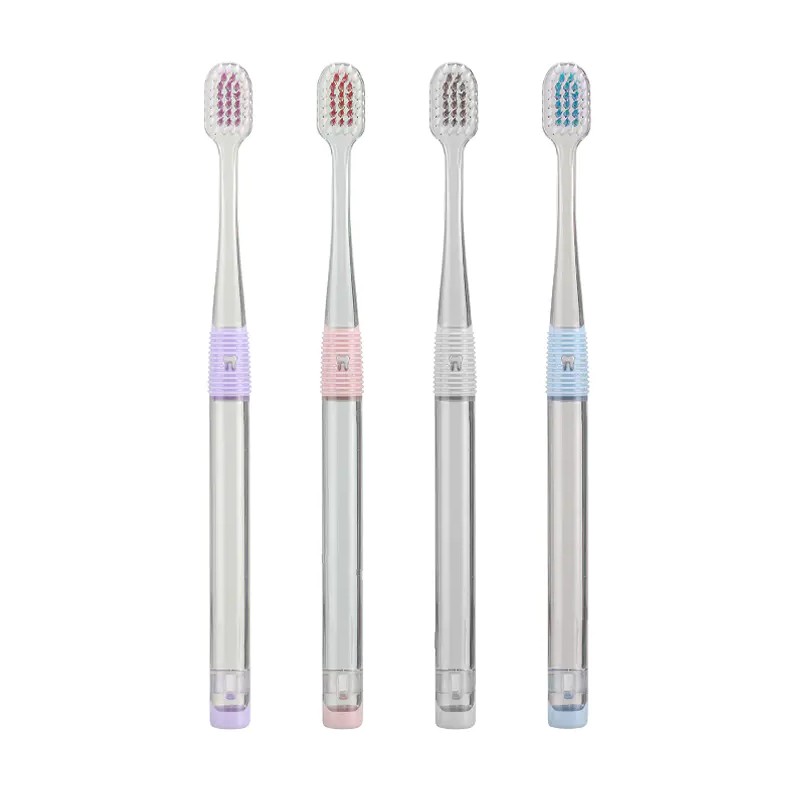
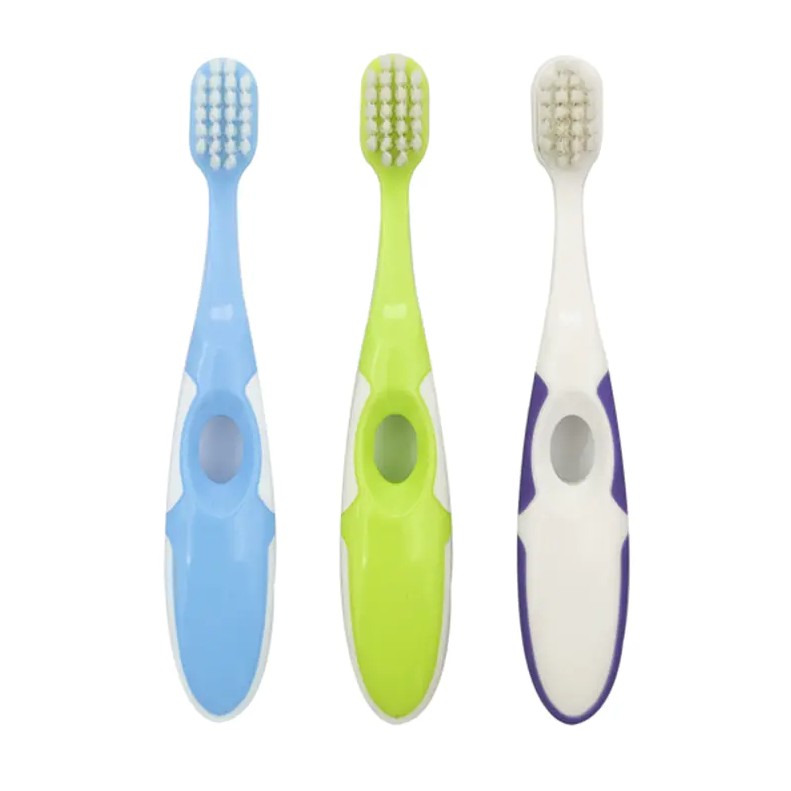
Breathable designs can help with drying, but they do not replace cleaning. If you choose a conventional brush with a smaller head for targeted cleaning, a ventilated design may be easier to keep dry. One example in Aolbea's range is the breathable mouth guard small head toothbrush, which is a manual brush rather than a whole-mouth tray.
 ALB-4029T Breathable Small-Head Manual ToothbrushA manual brush with a ventilated head and soft fine bristles, suited to targeted cleaning around the gum line and wisdom teeth.View Product →
Gum Comfort and Bristle Choice
Soft bristles and gentle pressure matter more than a fast cycle when gums are sensitive. Hard bristles can irritate the gum line, especially when a user presses a tray against the teeth to keep it steady. Check that the bristle ends are rounded and that the tray does not press on one spot. If gums bleed often, that is a reason to see a dentist, not a reason to brush harder. A soft-bristle brush with a small head can reach the back molars and the gum line with less force.
 ALB-4021 Gum Care Deep Clean Adult ToothbrushAdult manual toothbrush with a wide brush head and raised thumb grip, designed for daily plaque removal and gum care.View Product →
Aolbea's gum care deep clean adult toothbrush is designed around soft-bristle gum care and daily plaque removal for adults who prefer a conventional shape.
Electric Alternative With Timed Brushing
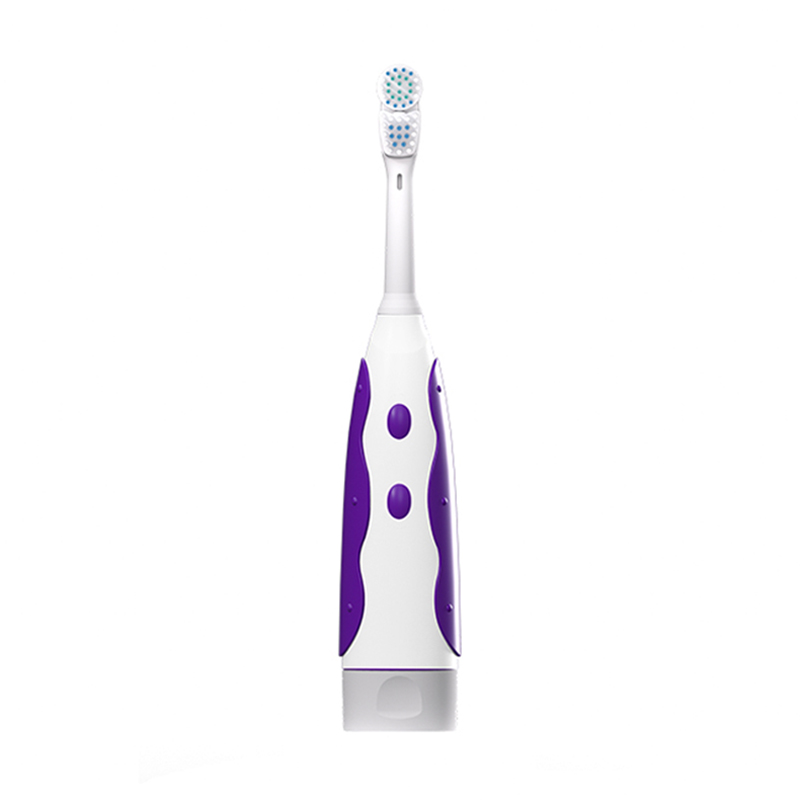
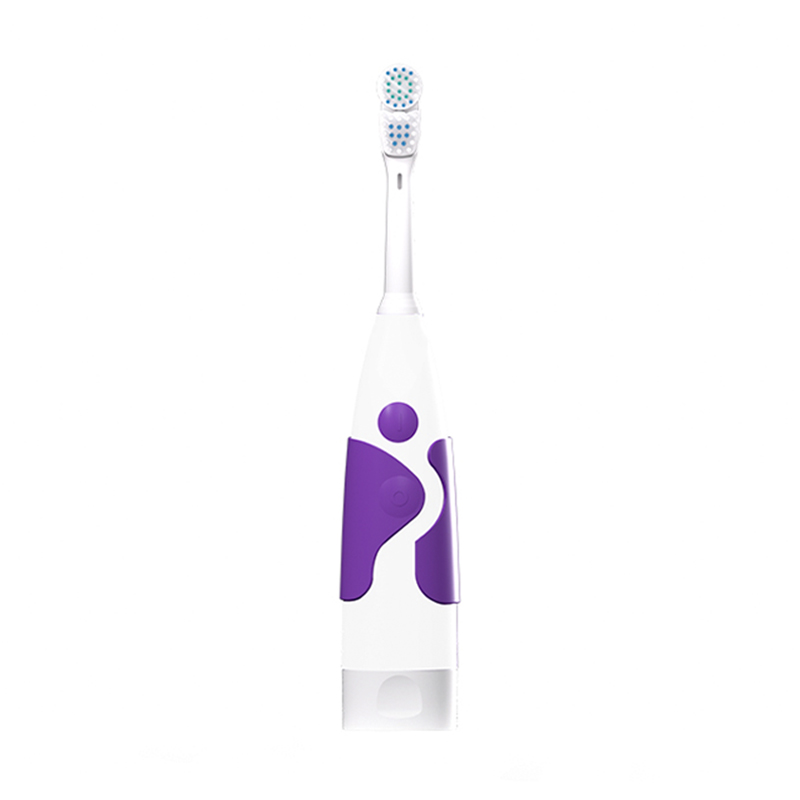
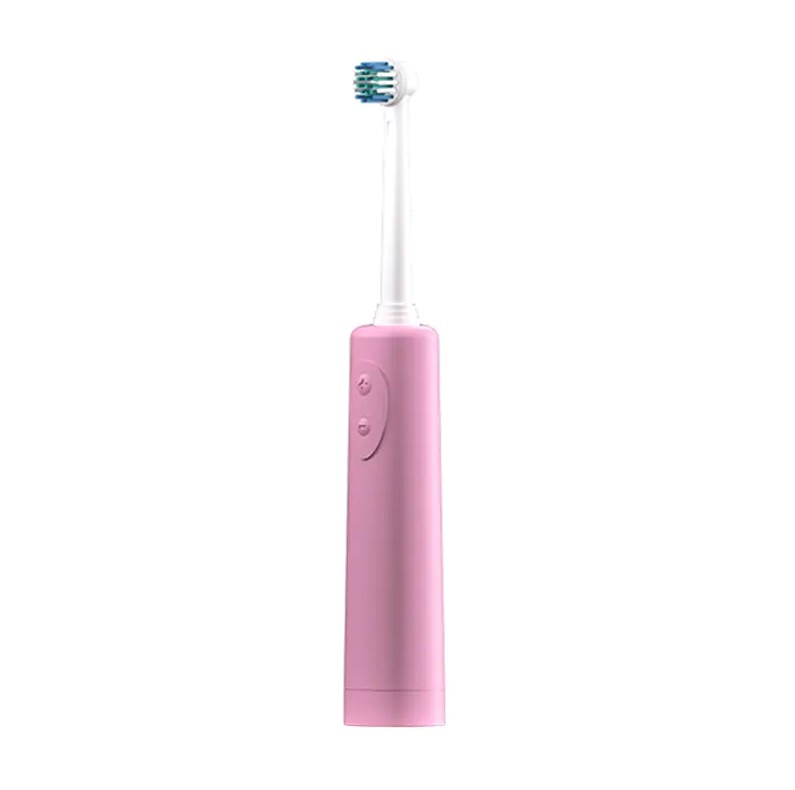
If the appeal of a mouthguard toothbrush is speed and less effort, a timed electric brush can meet part of that need without the fit risk. Choose a model with a 2-minute timer, a pressure reminder if you tend to press hard, and a head size that reaches the back molars. A rechargeable brush still requires you to move the head along each tooth, but that movement makes coverage easier to check. Aolbea's adult inductive charging electric toothbrush with smart brushing reminder is built for that daily routine.
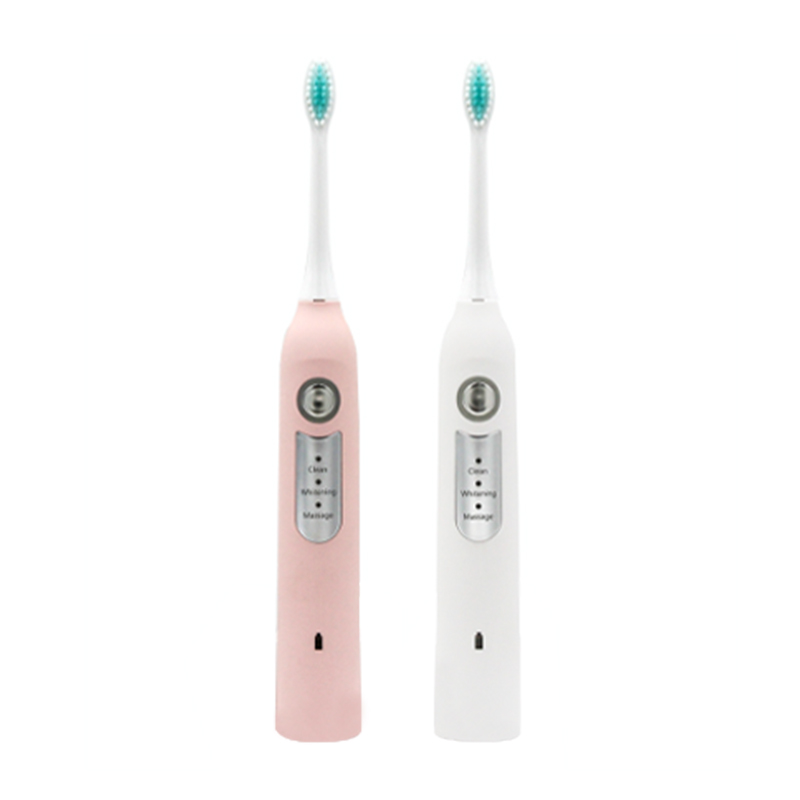 ALB-948 Smart Reminder Rechargeable Electric ToothbrushSonic electric brush with 30-second and 2-minute reminders, three modes, and inductive charging for a timed daily cleaning routine.View Product →
Use it with fluoride toothpaste and clean between the teeth daily. An electric brush can support timing and pressure control, but it does not remove the need for floss or interdental brushes.
Buying Questions to Ask Before You Pay
- Can I return the tray if it triggers my gag reflex or feels loose?
- How often do I need a new tray, and what will that cost over 12 months?
- Does the maker publish independent plaque data for adults?
- Is the tray easy to remove, rinse, and air dry?
- Will replacement parts stay available after the first purchase?
Final Recommendation
For most adults, the safest purchase path is to treat a mouthguard toothbrush as a convenience tool, not a guaranteed upgrade. Buy only after checking fit, return terms, independent cleaning data, and replacement cost. If you have gum disease, implants, crowns, or orthodontic work, get dental advice first. If your priority is reliable daily cleaning, a soft-bristle manual brush or a timed electric brush is easier to validate and maintain. Aolbea's background in manual and electric toothbrushes, including participation in toothbrush and electric toothbrush standards work, is useful when buyers need product specifications and replacement plans rather than marketing claims.