
 English
 中文简体
Phone:+86-13952799285
You are standing at the sink with a dry toothbrush in one hand and toothpaste in the other. Before the brush touches your teeth, the small question appears. Should you wet your toothbrush? The short answer is that water is optional. Use it if a damp brush feels more comfortable. Skip it if you prefer a firmer paste and a drier start. Neither choice is a serious mistake on its own.
The bigger factors are the toothpaste you use, the pressure you apply, and whether you brush long enough to reach every surface. A splash of water does not clean teeth. It changes how the bristles feel and how quickly the paste spreads. That is useful, but it is not the main event.
Content
What water actually changes
A wet toothbrush feels softer. When bristles are damp, they glide along the gum line with a little less friction. That can help someone with sensitive gums or a dry mouth. Water also helps toothpaste spread and foam, which some people find pleasant and others find distracting. A dry brush keeps the paste more concentrated at the start. The first few strokes feel different, and the paste may not foam as quickly.
| Step | Wet brush | Dry brush |
|---|---|---|
| Starting feel | Bristles feel softer and more flexible | Bristles feel firmer and more direct |
| Toothpaste | Spreads faster and may foam sooner | Stays thicker at the start |
| Comfort | Often gentler on tender gums | Can feel more abrasive if pressed hard |
| Fluoride | Same toothpaste, but rinsing afterward can wash it away | Easier to leave a thin film if you do not rinse |
| Best for | Sensitive gums, dry mouth, children learning | People who brush too fast or tend to rinse too much |
One point gets lost in the debate. Water on the brush is not the same as rinsing after brushing. A quick dip before you start can be harmless. A full rinse after you finish can wash away the fluoride film that helps protect enamel. Spit out the excess foam. Do not rinse with water.
Moisture control after brushing matters too. A brush that dries well between uses is easier to keep fresh in a damp bathroom. A breathable head with small vents can help air reach the bristles.
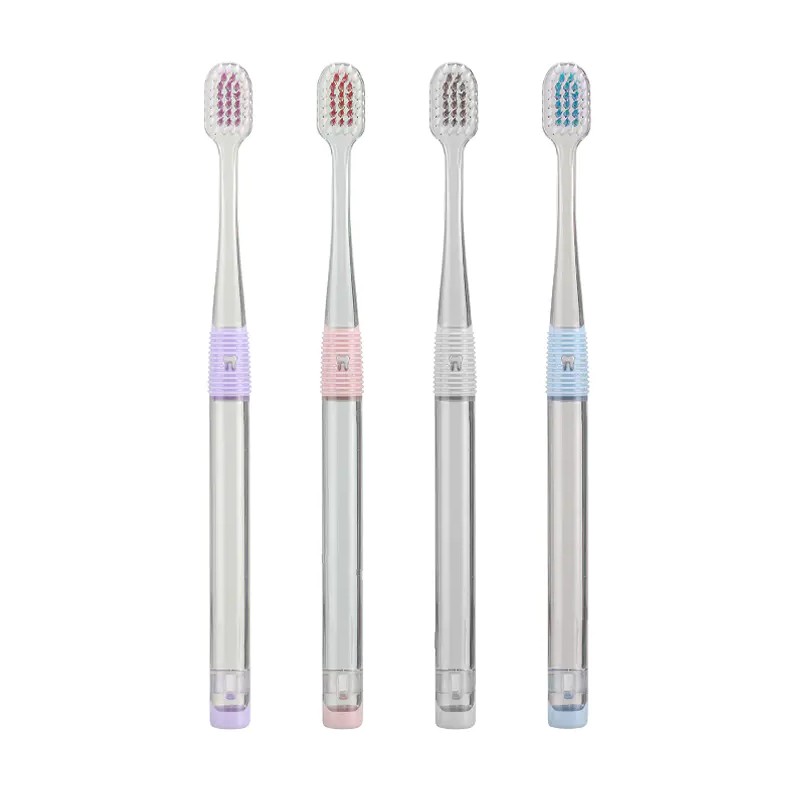
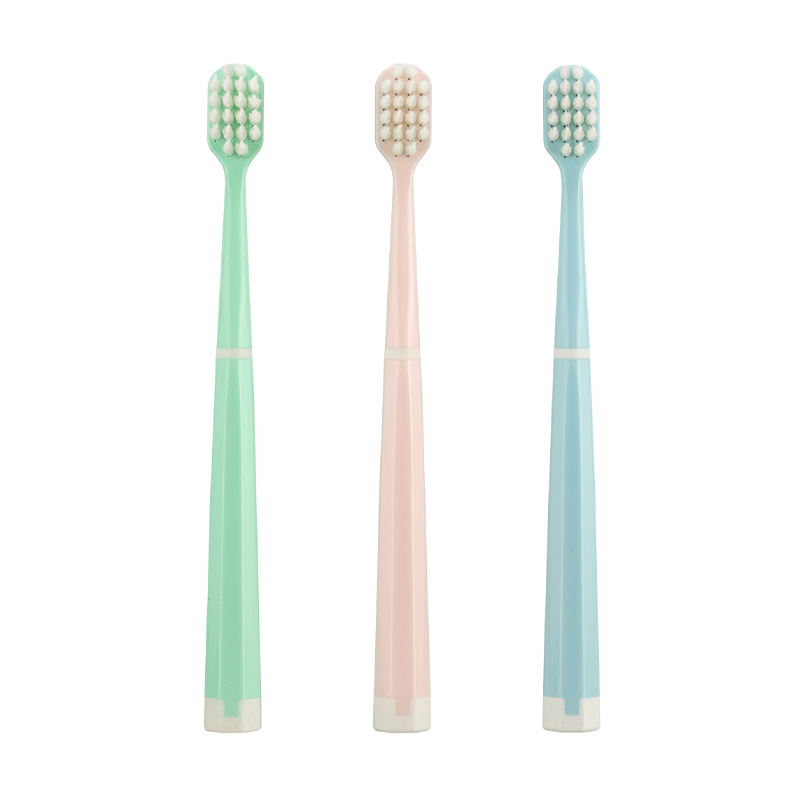 ALB-4016 Breathable Wide-Head Soft ToothbrushVentilated brush head and dense soft bristles help air reach bristles and support gentle cleaning for sensitive gums after use.View Product →
This is not a reason to skip rinsing your brush after use. It is a reason to shake off the water, store the brush upright, and let it air dry instead of leaving it flat on the counter.
When a wet toothbrush is the better choice
If your gums feel tender when you start brushing, a damp brush may make the first minute easier. A brief dip in cool or lukewarm water is enough. You do not need to soak the head. Hot water is not helpful. It can soften bristles more than intended without improving cleaning.
A wet brush can also be easier for children who are still learning to brush. It can help people with a dry mouth, and it can make a new brush feel less stiff. The water adds a little slip, so the brush does not drag. If you use a very soft brush, the difference may be small. If you use a medium brush, wetting can make the experience more comfortable, though a soft brush is still the better choice for most adults.
A small head and fine soft bristles can do more for comfort than water alone. That is especially true around the gum line and the back molars, where a bulky brush often creates pressure.
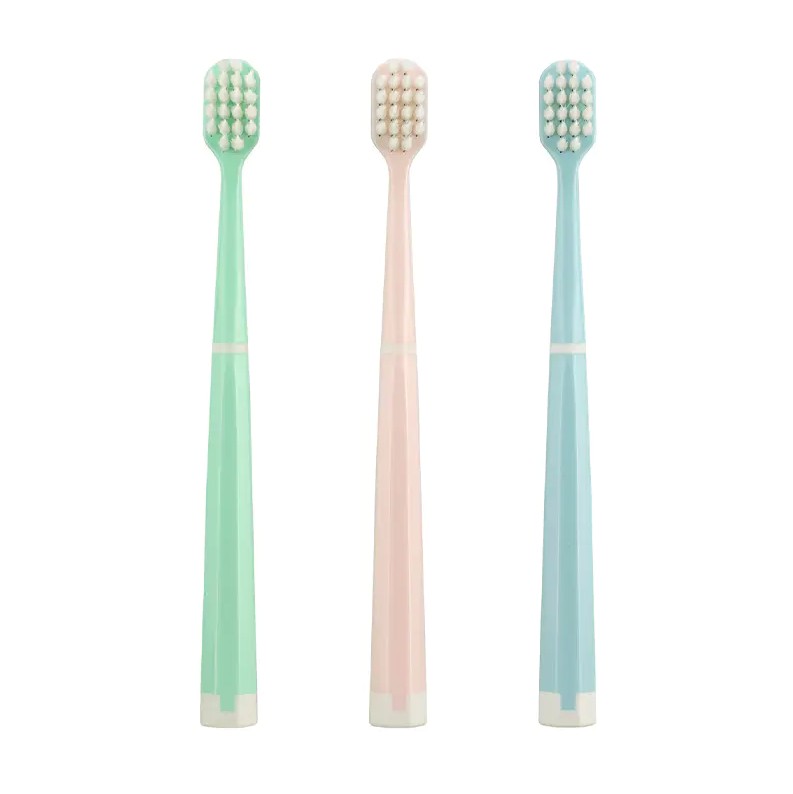
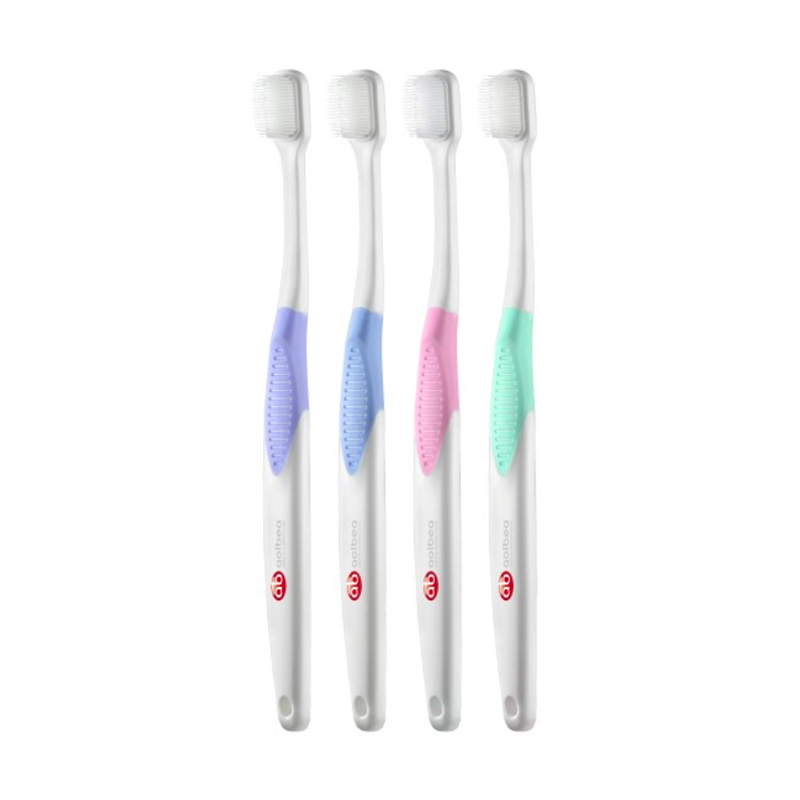 ALB-4001 Nano Soft Small Head ToothbrushCompact flexible head with fine soft nano-bristles supports comfortable cleaning around gums and back molars for adults.View Product →
When a dry toothbrush makes more sense
A dry brush gives you more control over the paste. You can see how much you are using, and the paste stays on the bristles instead of sliding down the handle. For people who rush, a dry start can also feel less like a signal to finish quickly. Foam is not proof of cleaning. If a wet brush creates a lot of foam in the first thirty seconds, you may stop before you have reached the back molars.
There is also the fluoride question. Many people wet the brush, brush, and then rinse with a full glass of water. That final rinse does more harm than the wet start. It washes away the fluoride film that helps protect enamel. If you wet the brush but skip the final rinse, you are still in a good place. If you use a dry brush and rinse afterward, you lose more than you gain.
The mistake that matters more than water
Brushing too hard is a common problem. A wet brush can feel gentle, so some people press harder without noticing. A dry brush can feel firm, so others lighten their grip. Neither response is reliable. The better rule is to let the bristles do the work and keep the pressure light. Splayed bristles are a sign that the brush, or the hand holding it, has been working too hard.
Rinsing after brushing is another habit worth changing. Spit out the excess foam and stop there. Do not rinse with water, mouthwash, or anything else right after brushing. If you want to rinse, wait at least thirty minutes. That gives the fluoride time to stay on the teeth. If your routine needs a reset, this guide to how to brush your teeth correctly covers angle, pressure, and timing without relying on a splash of water.
A simple routine for either habit
You do not need a strict rule about water. Pick the version you will repeat twice a day. A routine that feels comfortable is more likely to last than one that follows a rigid rule you dislike.
- Wash your hands and look at the bristles. If they are splayed or stiff, replace the brush.
- Wet the brush briefly if you like. One dip is enough. Do not leave it under running water.
- Add a small amount of fluoride toothpaste. A pea sized amount is enough for most adults.
- Brush gently for two minutes. Cover the outside, inside, and chewing surfaces of every tooth.
- Spit out the excess foam. Do not rinse with water.
- Rinse the brush, shake off the water, and store it upright so it can air dry.
If you share a bathroom, keep brushes apart. A wet brush stored against another wet brush dries more slowly. That is a small detail, but it matters for everyday hygiene.
What matters more in the brush itself
A soft brush with a head that fits your mouth is a better investment than a special wetting technique. Look for rounded bristle tips, a comfortable handle, and a head small enough to reach the back molars. If you use an electric brush, choose a mode you can tolerate. A powerful brush used with too much pressure is not an upgrade. A gentler brush used well is often the better choice.
Bristle condition also matters. Replace the brush or brush head every three to four months, or sooner if the bristles look worn. A worn brush cannot clean as well, no matter how you wet it. If you have sensitive teeth or gums, a soft brush and a fluoride toothpaste for sensitive teeth are more useful than a longer soak.
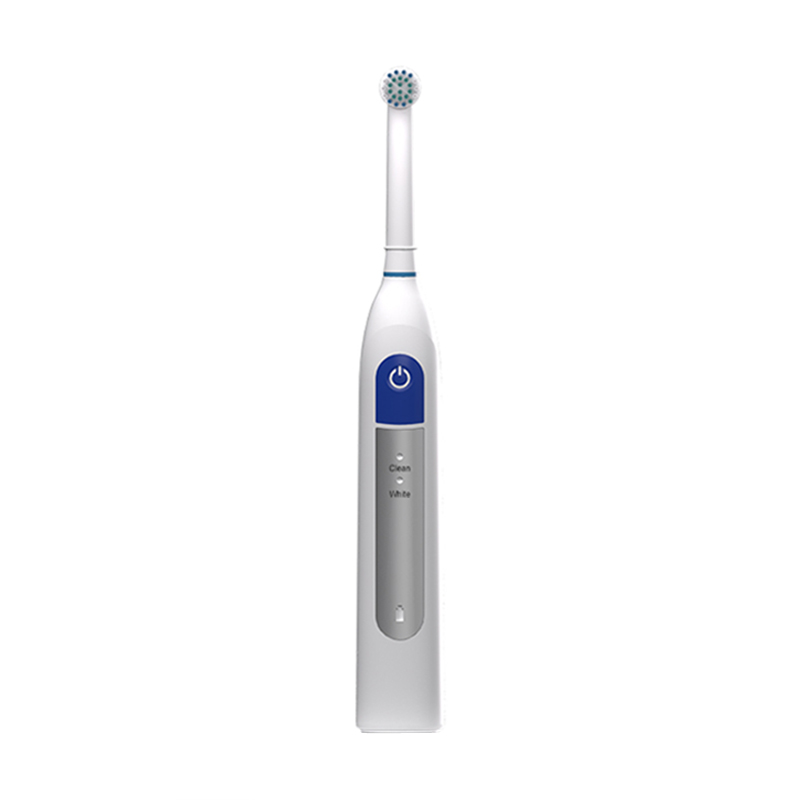
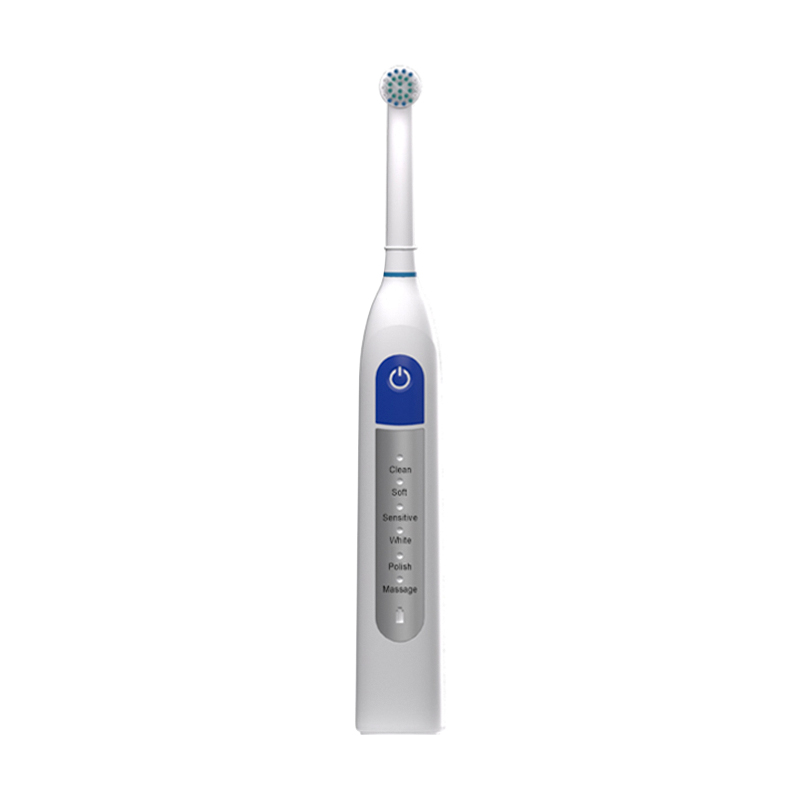
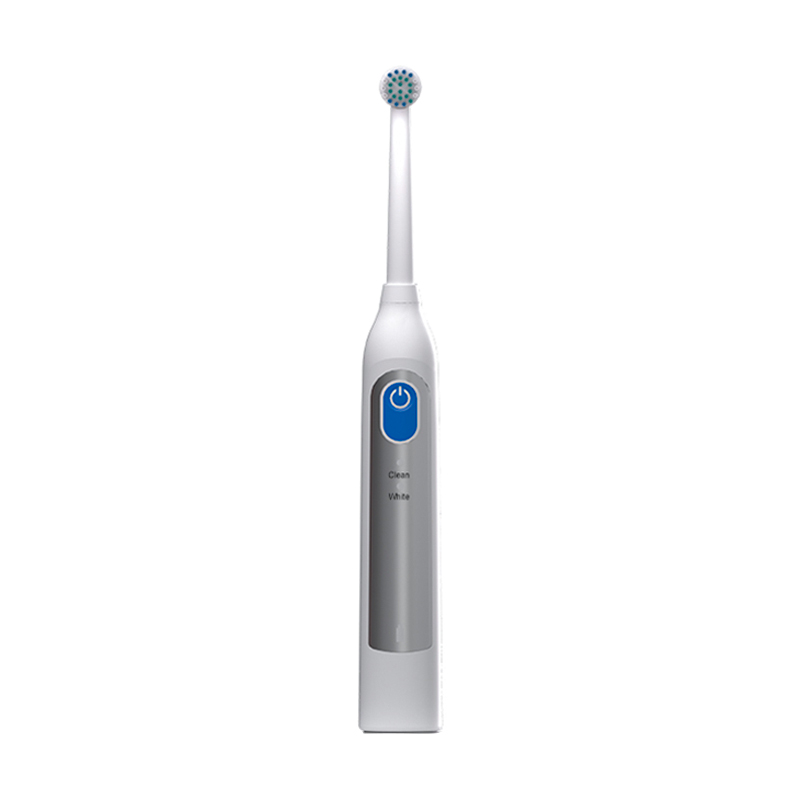
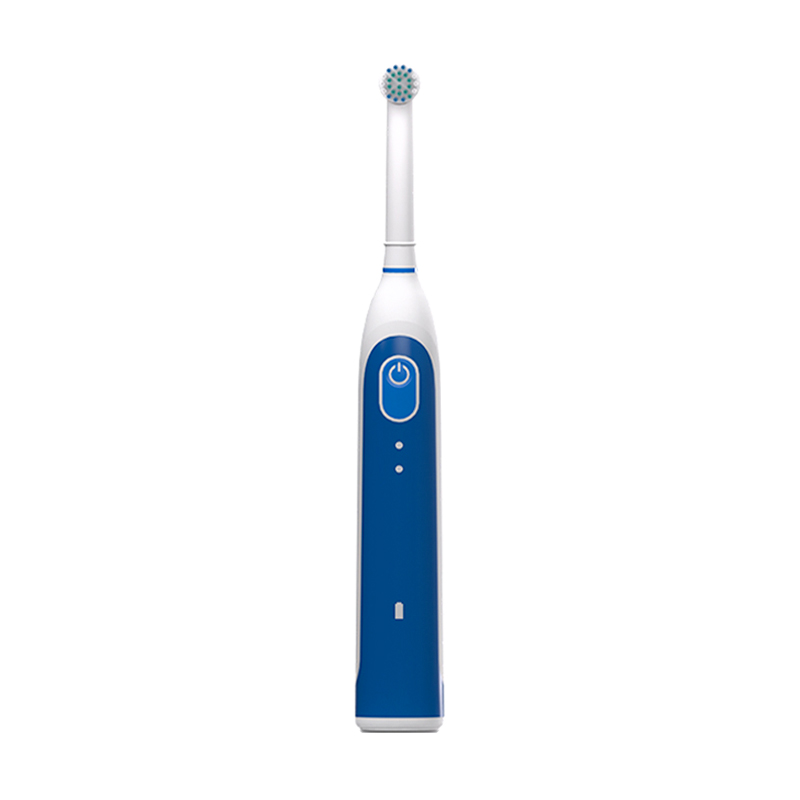
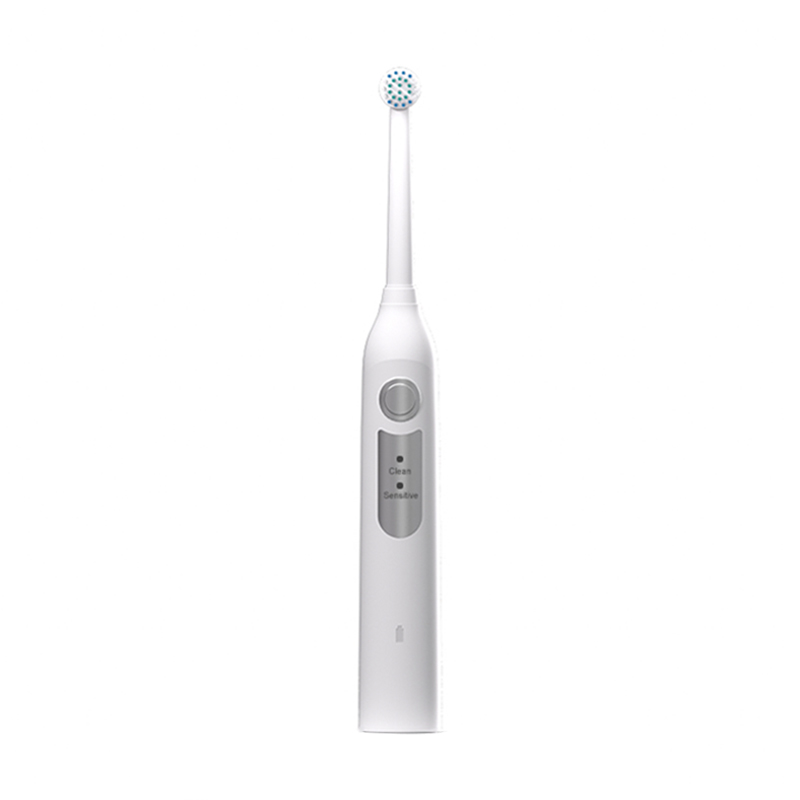
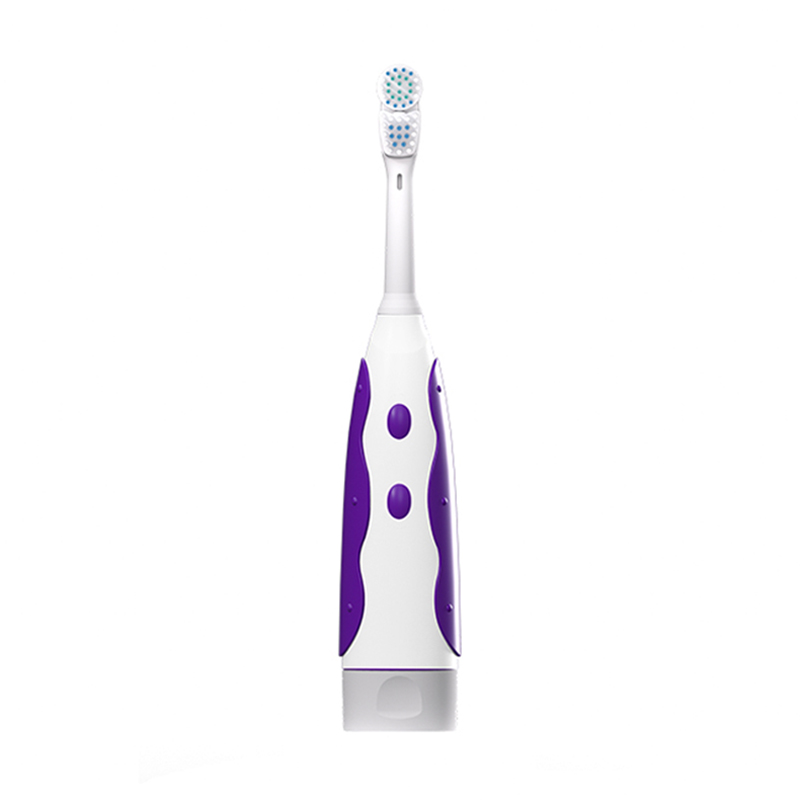
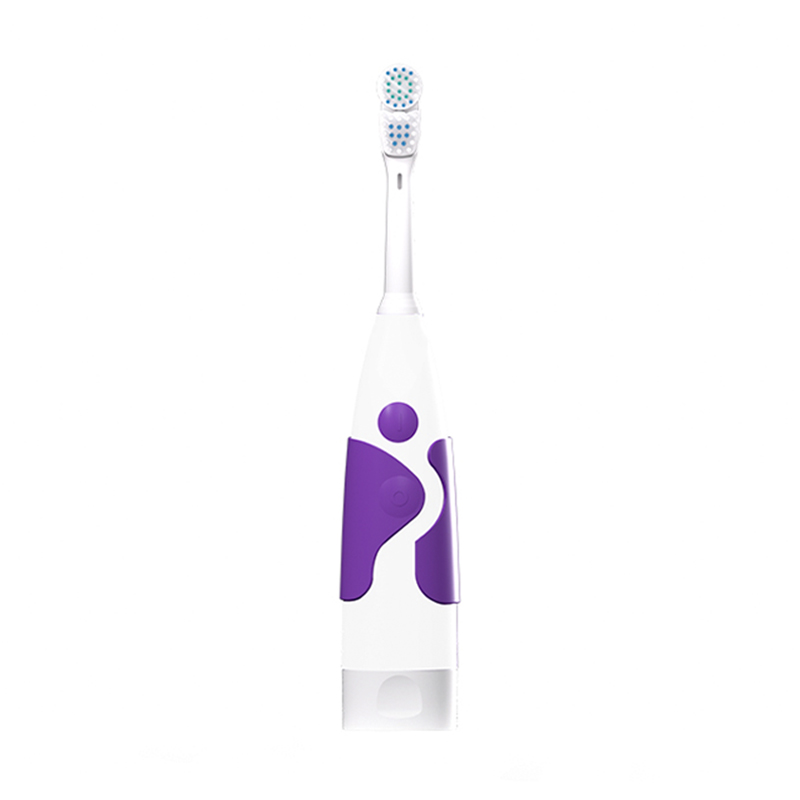
For electric brush users, a sonic brush with a sensitive mode and a timer can make gentle brushing easier to repeat. The timer helps with the two minute habit, and the softer setting helps you avoid pressing harder when the brush feels strong.
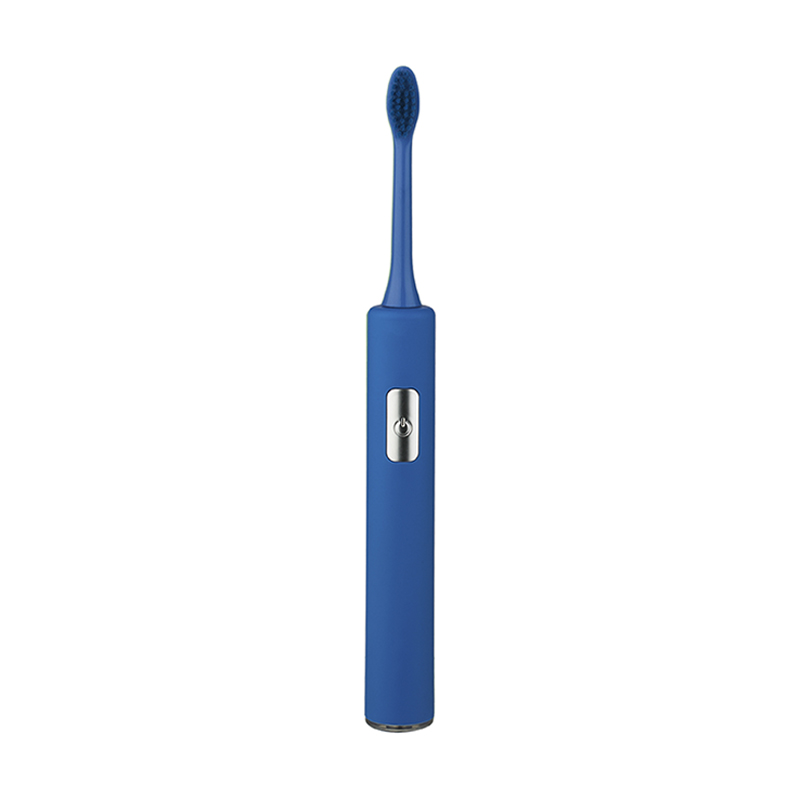 ALB-959 Rechargeable Sonic Electric ToothbrushRechargeable sonic brush with three modes, a 30-second interval reminder, and a 2-minute timer supports repeatable full-mouth cleaning.View Product →
So, should you wet your toothbrush? Yes, if it helps you brush gently for the full two minutes. No, if you prefer a drier start and you already leave the fluoride toothpaste on your teeth. The water is a detail. The brush, the paste, and the time are the parts that do the work.