
 English
 中文简体
中文简体
Phone:+86-13952799285
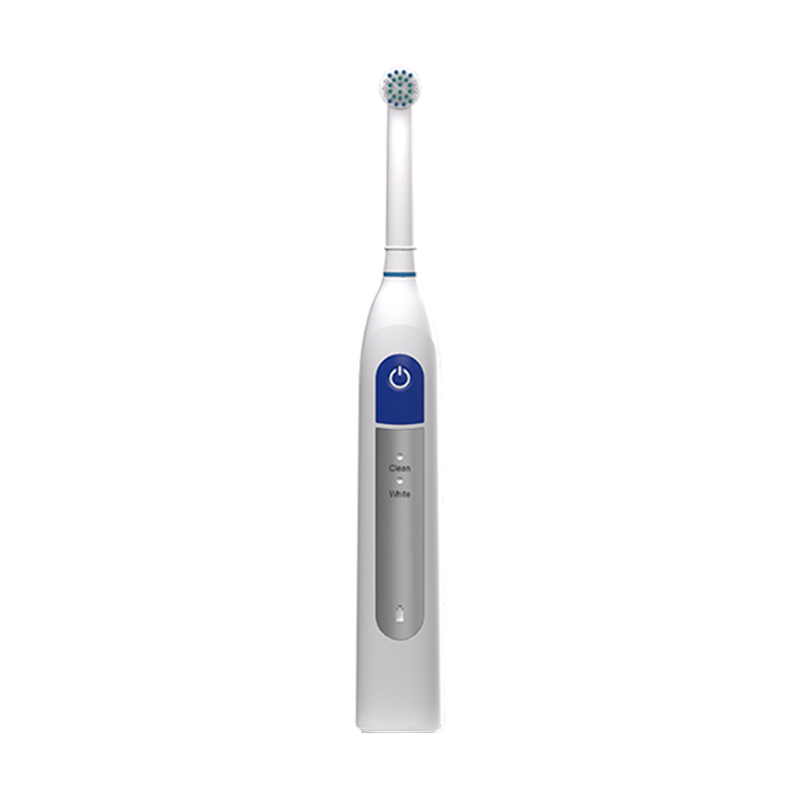
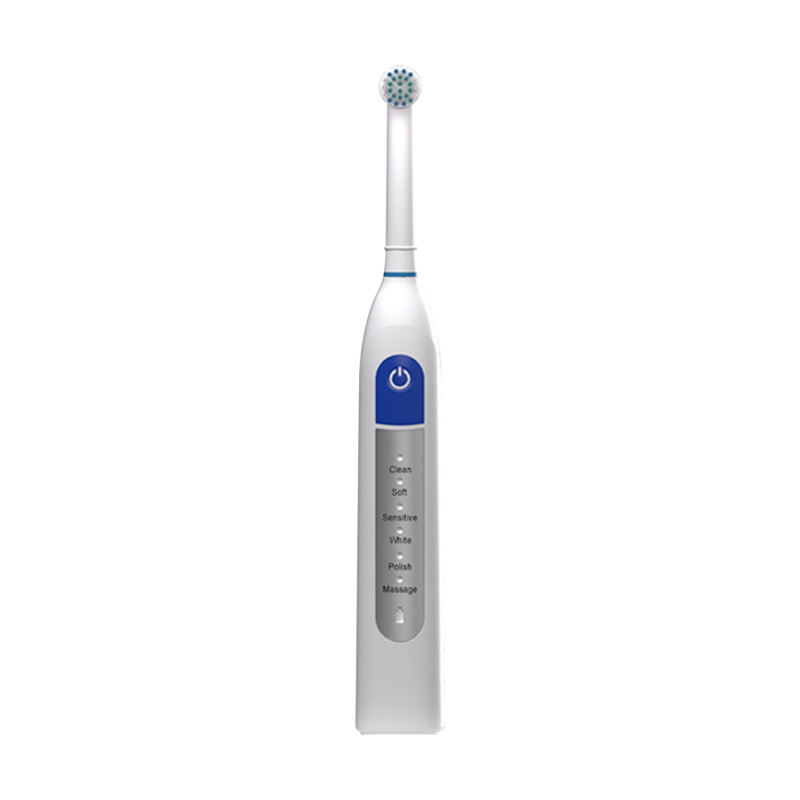
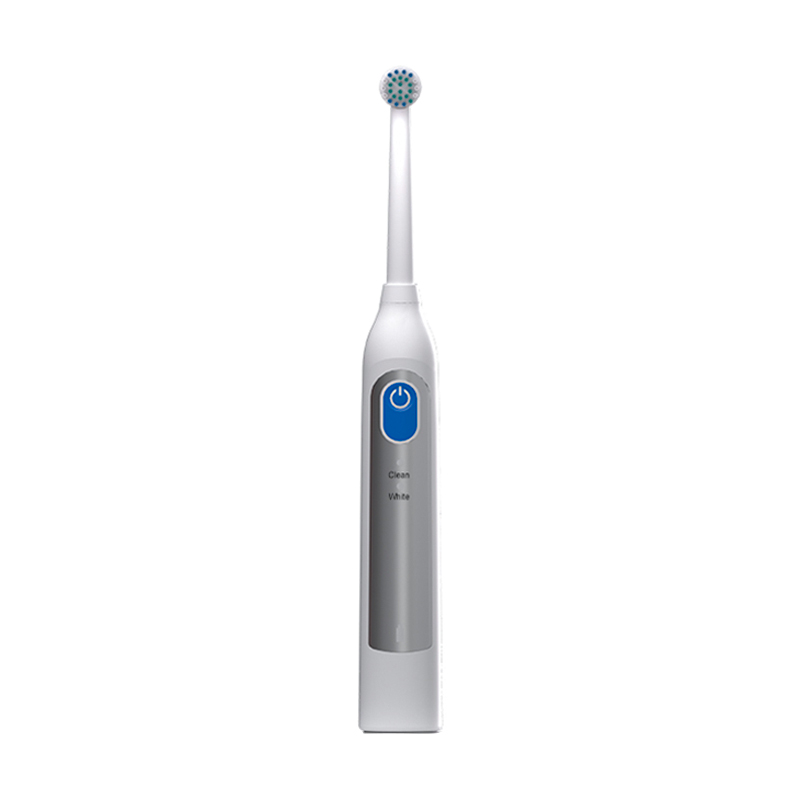
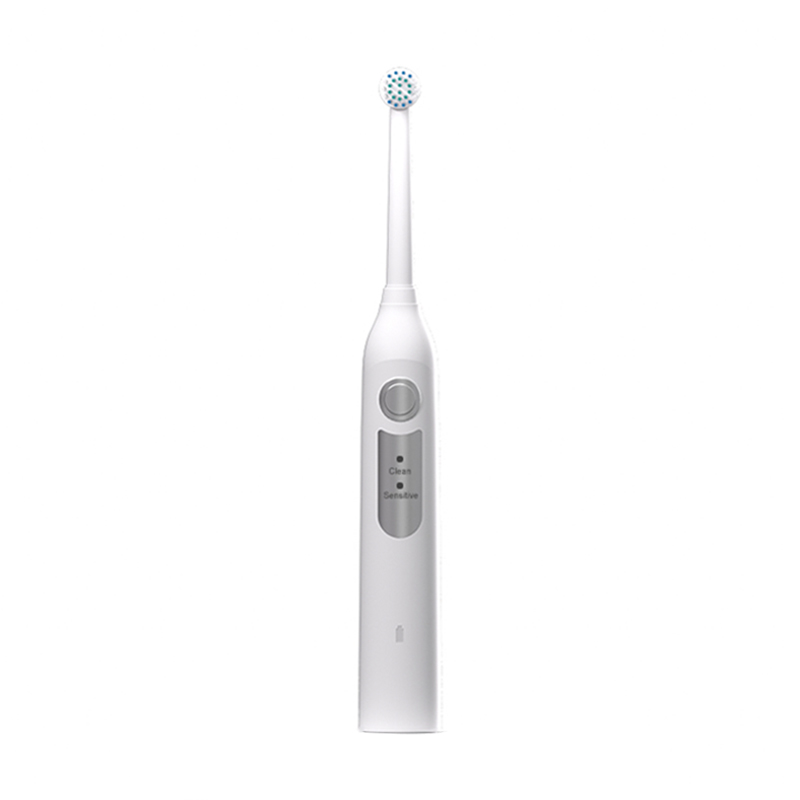
An oscillating rechargeable brush typically lasts between 2 and 5 years before the internal battery or motor performance declines enough to warrant replacement, though the brush head itself should be swapped out every three months regardless of the device's overall condition. The actual lifespan of the device depends heavily on battery charging habits, motor usage frequency, and how well the handle is protected from water damage over years of daily bathroom use. Manufacturer data commonly referenced in personal care appliance testing shows that rechargeable battery cells used in electric toothbrushes generally retain effective charge capacity for 300 to 500 charge cycles before performance noticeably declines, which is the primary factor limiting how long the device remains fully functional.
Content
- 1 Battery Life as the Primary Lifespan Factor
- 2 Charging Habits That Affect Overall Lifespan
- 3 Motor Durability and Mechanical Component Lifespan
- 4 Brush Head Replacement Versus Full Device Lifespan
- 5 Water Exposure and Its Impact on Device Longevity
- 6 Signs That Indicate the Device Needs Replacement
- 7 Maximizing Device Lifespan Through Proper Care
- 8 Who Should Pay Closer Attention to Device Lifespan
Battery Life as the Primary Lifespan Factor
The rechargeable battery inside the toothbrush handle is typically the component that determines when the device reaches the end of its useful life, since motor and mechanical components generally outlast the battery under normal use conditions.
Understanding Battery Degradation Over Time
- Lithium-ion batteries commonly used in these devices gradually lose maximum charge capacity after repeated charge cycles
- Reduced capacity results in shorter operating time between charges as the device ages
- Battery degradation is a gradual process rather than a sudden failure, allowing users to notice declining performance over time
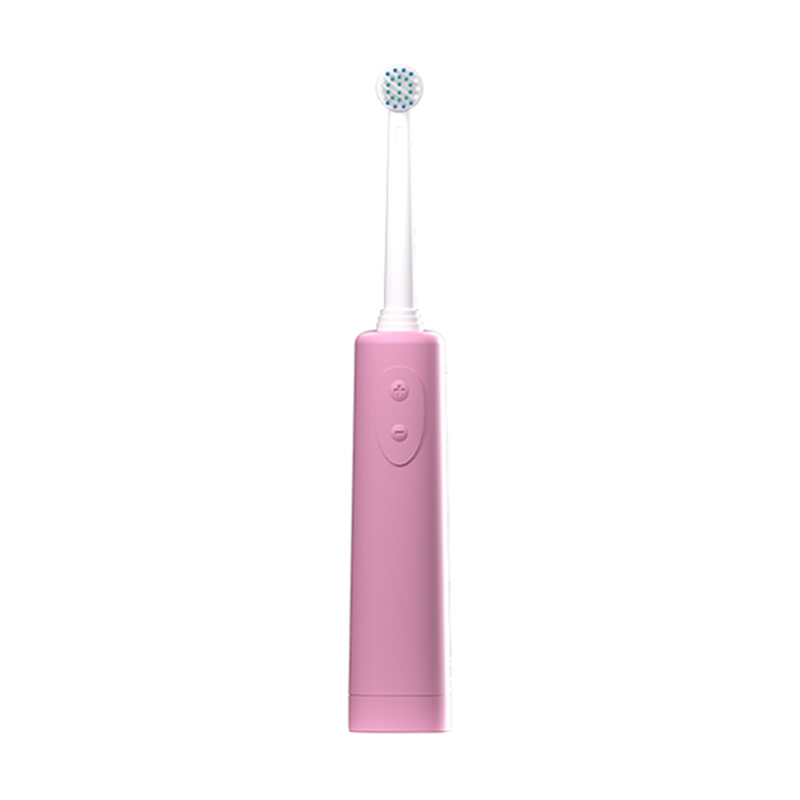
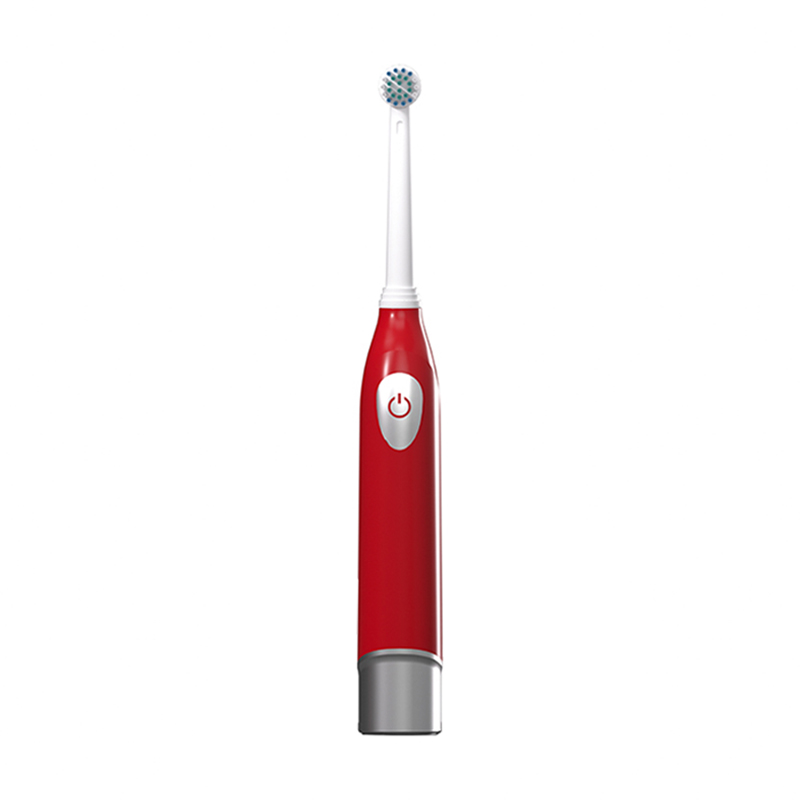
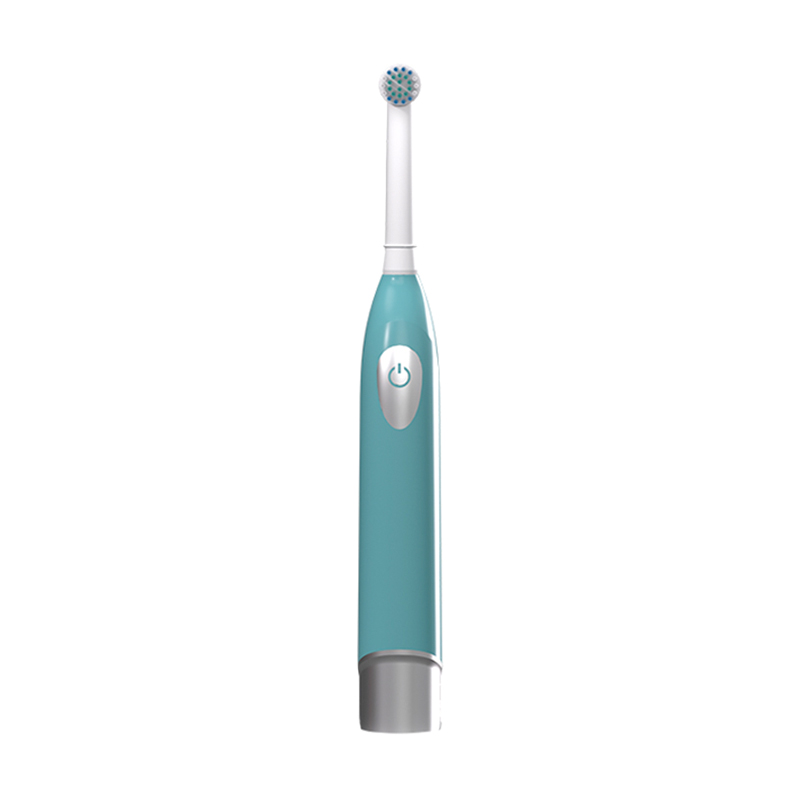
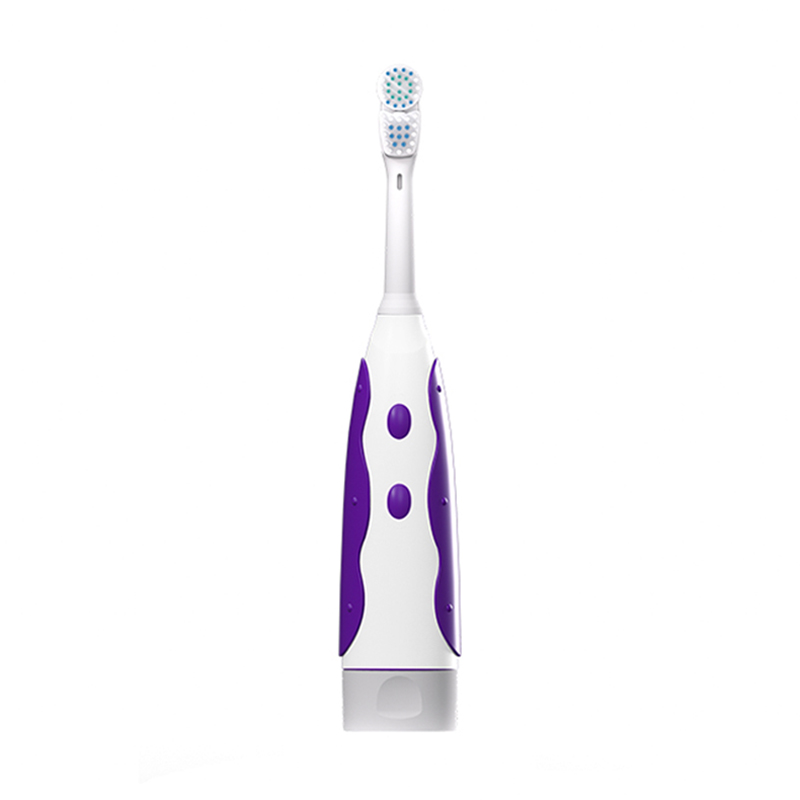
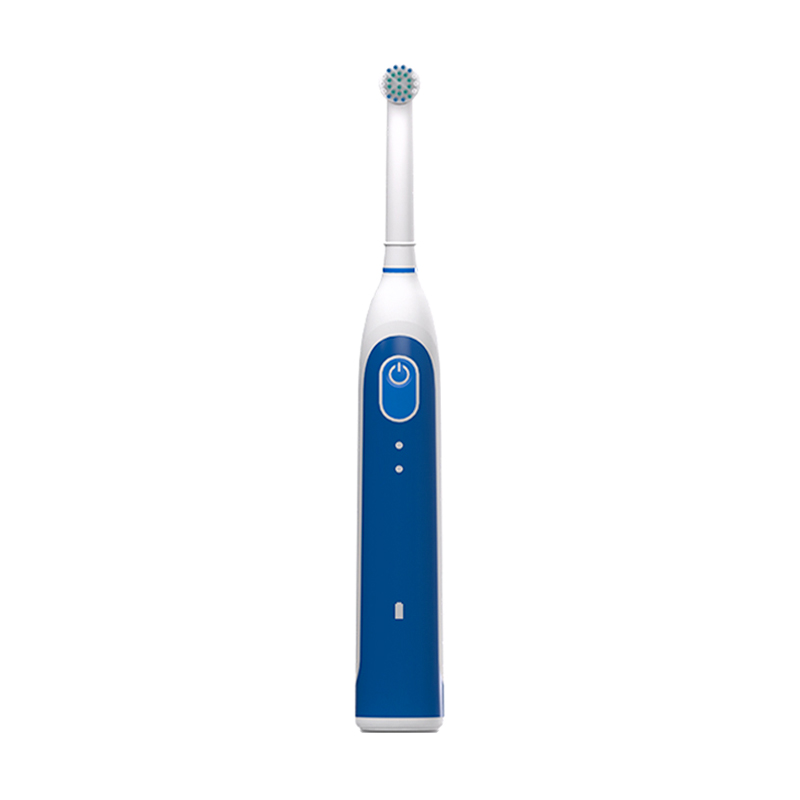
An Oscillating Rechargeable Brush that once held a charge for two weeks of daily use may eventually require charging every few days as the battery ages, signaling that replacement is likely approaching within the following months.
Charging Habits That Affect Overall Lifespan
How the device is charged on a daily basis can meaningfully influence how quickly the internal battery degrades, making charging habits an important factor in maximizing the toothbrush's usable lifespan.
Charging Practices and Their Effects
| Charging Habit | Effect on Battery Lifespan |
| Leaving device on charger continuously | Can accelerate long-term capacity loss |
| Charging fully and unplugging when not needed | Generally supports longer battery lifespan |
While occasional continuous charging will not immediately damage the battery, consistently leaving the device plugged in for extended periods beyond a full charge can contribute to faster capacity decline over the device's lifetime.
Motor Durability and Mechanical Component Lifespan
While the battery often determines overall device lifespan, the internal motor and oscillating mechanism also experience gradual wear that can affect performance over years of daily use.
Factors Affecting Motor Longevity
- Frequency of use, since twice-daily brushing places consistent, moderate demand on the motor over time
- Water exposure at the motor seal, where inadequate waterproofing can lead to premature internal damage
- Applied pressure during brushing, since excessive force can place additional strain on the oscillating mechanism
Under typical twice-daily use conditions, the motor and mechanical components generally remain functional well beyond the point where battery performance begins noticeably declining, making the battery the more common limiting factor for overall device lifespan.
Brush Head Replacement Versus Full Device Lifespan
It is important to distinguish between the lifespan of the toothbrush handle itself and the much shorter replacement cycle required for the brush head component, since these operate on entirely different timelines.
Why Brush Heads Need Frequent Replacement
Bristles gradually wear down and lose their cleaning effectiveness after approximately three months of regular use, regardless of how well the handle and battery are performing, making brush head replacement a routine maintenance task separate from overall device lifespan.
Signs a Brush Head Needs Replacing
Visibly frayed or splayed bristles, reduced cleaning effectiveness, or a worn appearance are all clear indicators that the brush head should be replaced, even if the handle itself continues functioning normally.
Water Exposure and Its Impact on Device Longevity
Since these devices operate in a bathroom environment with frequent water contact, proper waterproofing and moisture protection play a significant role in determining how long the internal electronics remain reliable.
Protecting the Device From Water Damage
- Avoid fully submerging the handle beyond the manufacturer's specified waterproof rating
- Dry the handle thoroughly after use, particularly around the brush head connection point
- Store the charging base in a dry area away from direct water splash exposure near the sink
Consistent moisture exposure beyond the device's rated waterproofing can gradually degrade internal seals, potentially shortening the effective lifespan of a rechargeable oscillating toothbrush well before normal battery aging would otherwise require replacement.
Signs That Indicate the Device Needs Replacement
Recognizing when a toothbrush handle is nearing the end of its usable life helps users plan for replacement before performance declines significantly enough to affect daily cleaning effectiveness.
Common Indicators of Aging Devices
Noticeably shorter battery life between charges, inconsistent or weakening oscillation strength, and difficulty holding a charge at all are all signs that the internal battery has reached the end of its practical service life and full replacement is likely the most practical solution.
Maximizing Device Lifespan Through Proper Care
While battery degradation is a natural process that cannot be entirely avoided, certain care practices can help extend the practical lifespan of the toothbrush handle over its expected years of use.
Recommended Long-Term Care Practices
Avoiding extreme temperature exposure, such as leaving the device in a hot car, storing the charging base properly between uses, and following the manufacturer's recommended charging guidelines all contribute to maintaining battery health for as long as possible throughout the device's expected lifespan.
Who Should Pay Closer Attention to Device Lifespan
Frequent travelers who rely on portable charging or irregular charging schedules should pay particular attention to battery care habits, since inconsistent charging patterns can affect long-term battery performance differently than a stable daily routine. Households replacing brush heads regularly but noticing declining handle performance should specifically monitor charge duration and oscillation strength over several weeks, since these are the clearest indicators that the underlying device, rather than simply the brush head, is approaching the end of its practical service life.