
 English
 中文简体
中文简体
Phone:+86-13952799285
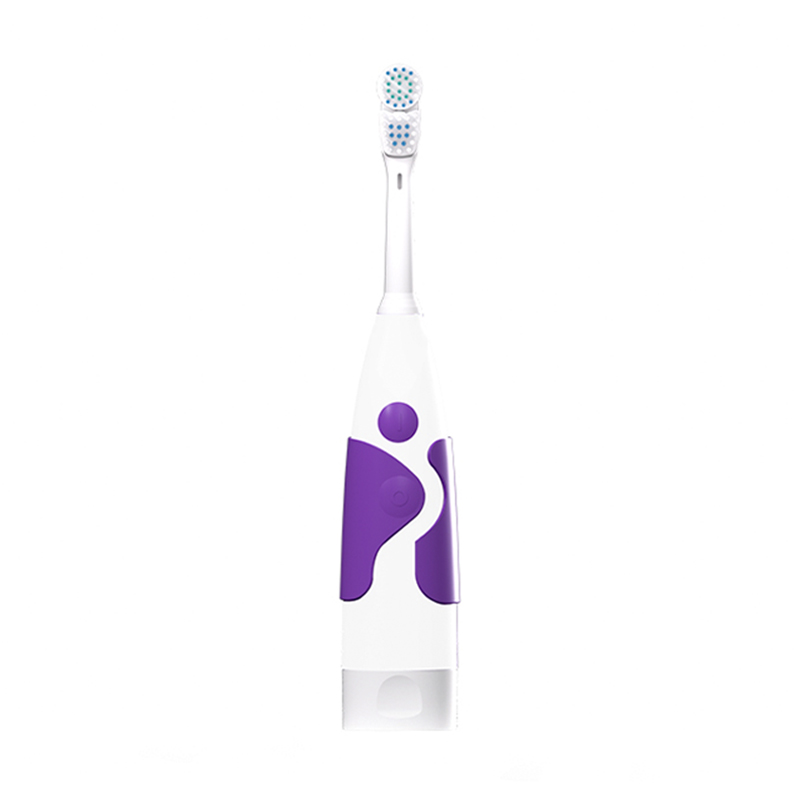
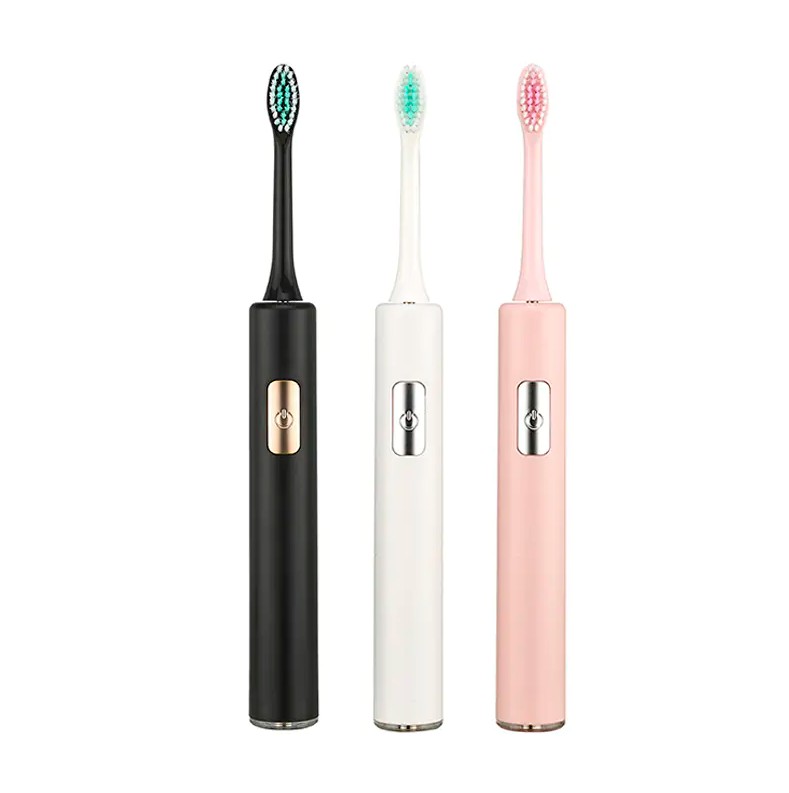
To use an oscillating rechargeable brush correctly, apply the brush head at a slight angle against the gumline, let the motor do the movement rather than scrubbing manually, and guide it slowly from tooth to tooth for about two minutes per session. Unlike manual brushing, oscillating brushes rely on the device's built-in rotation or pulsing motion to clean effectively, which means excessive manual pressure or scrubbing actually reduces cleaning performance and can irritate gums over time. Dental hygiene research commonly cited by oral care professionals shows that proper technique with an oscillating brush can remove significantly more plaque compared to manual brushing, but only when the correct light-pressure, guided-movement technique is followed consistently.
Content
- 1 Positioning the Brush Head Correctly
- 2 Letting the Brush Do the Work
- 3 Following a Consistent Brushing Pattern
- 4 Managing Brushing Time and Pressure
- 5 Cleaning Around Braces, Implants, and Sensitive Areas
- 6 Charging and Battery Maintenance
- 7 Replacing the Brush Head on Schedule
- 8 Common Mistakes to Avoid
- 9 Who Should Pay Extra Attention to Technique
Positioning the Brush Head Correctly
Getting the brush head angle right is one of the most important factors in effective cleaning, since an oscillating brush is designed to work with the motor's motion rather than requiring the same back-and-forth scrubbing used with a manual toothbrush.
Proper Angle and Placement
- Tilt the brush head at approximately 45 degrees toward the gumline
- Position the bristles so they make gentle contact with both the tooth surface and the gum edge
- Avoid pressing the brush flat against the tooth surface, which reduces the effectiveness of the oscillating motion
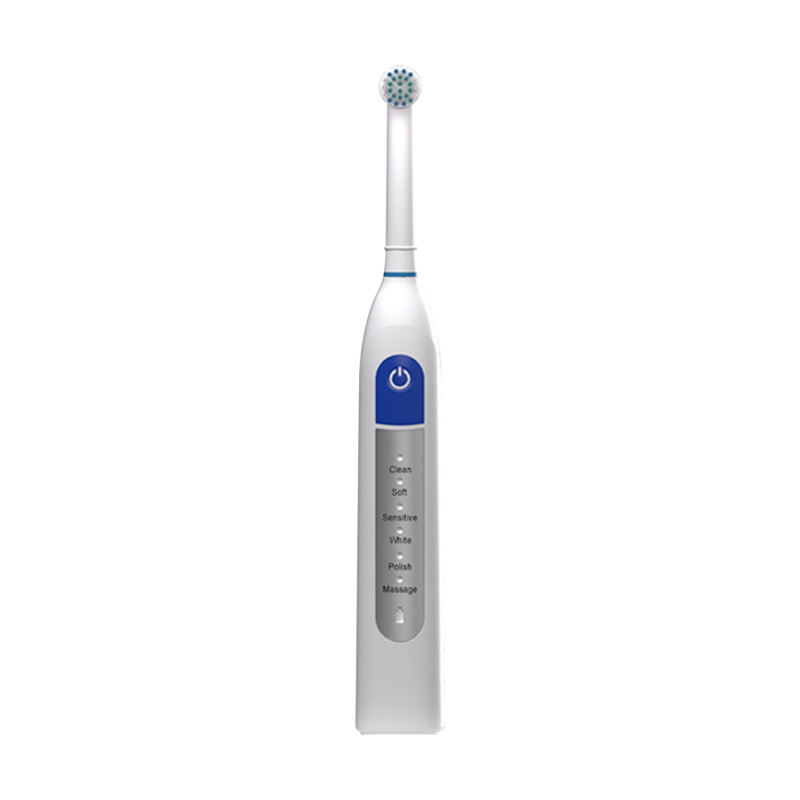
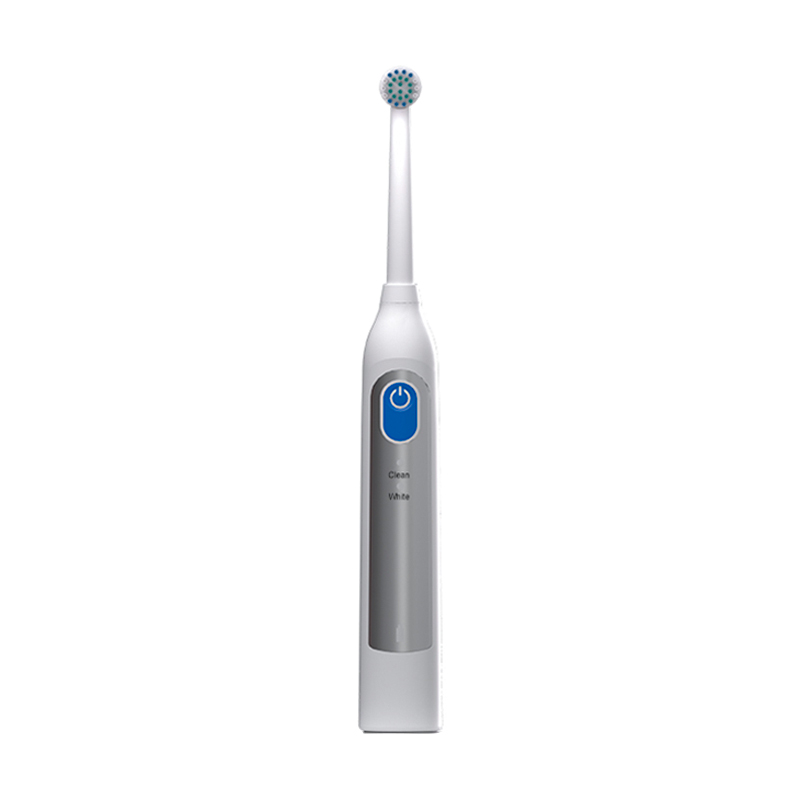
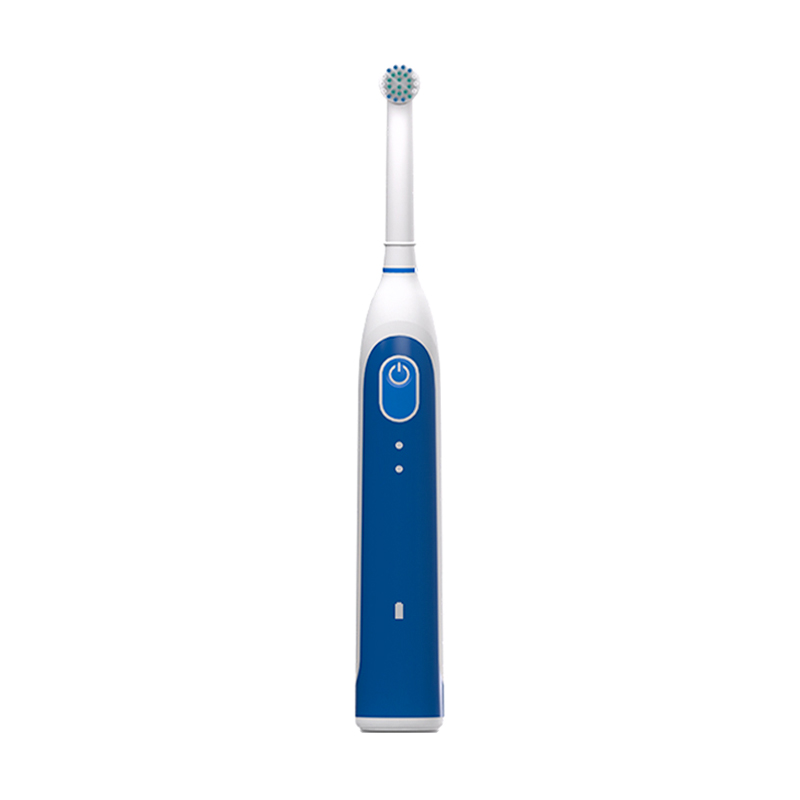
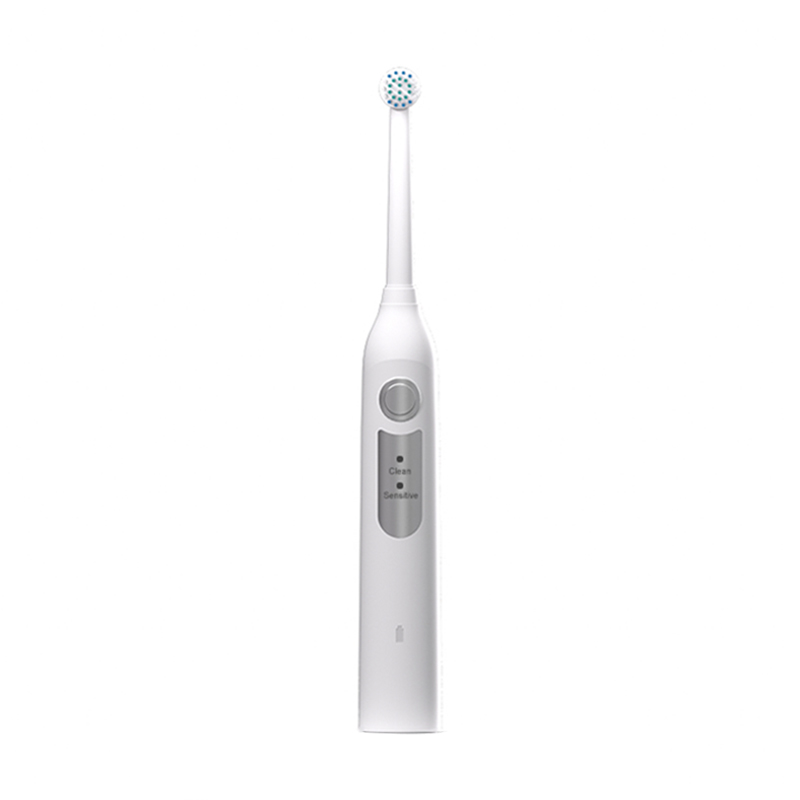
When using an Oscillating Rechargeable Brush, holding the device at this angle allows the bristles to reach slightly beneath the gumline, where plaque tends to accumulate most heavily between regular brushing sessions.
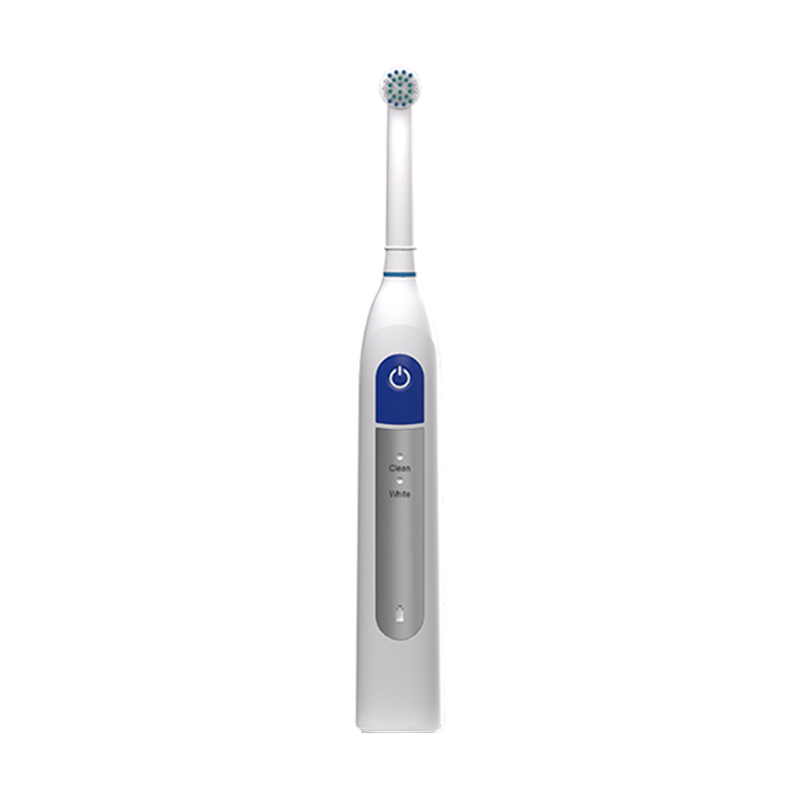
Letting the Brush Do the Work
One of the most common mistakes people make when switching from a manual toothbrush to an oscillating model is continuing to scrub back and forth manually, which works against the brush's built-in motion rather than complementing it.
Correct Movement Technique
| Technique | Result |
| Slow, guided movement tooth to tooth | Allows oscillation to fully clean each surface |
| Manual scrubbing motion | Reduces cleaning efficiency and increases gum irritation risk |
Simply holding the brush head against each tooth for a few seconds before slowly moving to the next one allows the oscillating motion to do the cleaning work without added manual effort.
Following a Consistent Brushing Pattern
A structured brushing pattern ensures every tooth surface receives equal attention, rather than spending too much time in easily accessible areas while neglecting harder-to-reach spots.
Recommended Brushing Sequence
- Start with the outer surfaces of the upper teeth, moving from one side to the other
- Continue to the inner surfaces of the upper teeth using the same slow, guided motion
- Repeat the same outer and inner sequence for the lower teeth, finishing with the chewing surfaces
Following the same pattern each time helps build a consistent habit and reduces the likelihood of accidentally skipping sections, particularly the back molars, which are often under-cleaned during rushed brushing sessions.
Managing Brushing Time and Pressure
Two minutes is the generally recommended total brushing time, split evenly across all four quadrants of the mouth, and many oscillating rechargeable brush models include built-in timers to help maintain this duration consistently.
Using Built-In Timers Effectively
Most timer-equipped brushes pulse or pause briefly every 30 seconds, signaling it is time to move to the next quadrant of the mouth, which helps distribute cleaning time evenly rather than spending too long in one area.
Applying Appropriately Light Pressure
Many oscillating brushes include a pressure sensor that alerts the user, often through a light or vibration change, when too much force is being applied, since excessive pressure can wear down enamel and irritate gum tissue over repeated use.
Cleaning Around Braces, Implants, and Sensitive Areas
Certain dental conditions and appliances require slight technique adjustments to ensure thorough cleaning without causing damage or discomfort during use.
Brushing Around Braces
When cleaning around orthodontic brackets, angling the brush head to clean above and below each bracket separately helps remove trapped food particles that standard straight-on brushing might miss.
Sensitive Teeth and Gum Recession
For individuals with sensitive teeth or gum recession, using a softer bristle head option and applying even lighter pressure than usual can help reduce discomfort while still maintaining effective plaque removal.
Charging and Battery Maintenance
Proper charging habits help maintain consistent brush performance and extend the overall lifespan of the rechargeable battery inside the device.
Charging Best Practices
- Charge the brush fully before first use to establish accurate battery calibration
- Avoid leaving the brush on the charger continuously for extended periods beyond a full charge
- Store the charging base in a dry location away from direct water exposure near the sink
Following these charging habits helps a rechargeable oscillating toothbrush maintain consistent motor performance over its expected service life, rather than experiencing gradually weaker oscillation as the battery ages prematurely.
Replacing the Brush Head on Schedule
Brush head condition directly affects cleaning performance, and worn bristles significantly reduce the effectiveness of the oscillating motion even when the underlying device motor remains fully functional.
When to Replace the Brush Head
Most manufacturers recommend replacing the brush head every three months, or sooner if bristles appear visibly frayed or splayed outward, since worn bristles clean less effectively and may feel less comfortable against gum tissue during use.
Common Mistakes to Avoid
Even with a well-designed device, certain habits can reduce the overall effectiveness of daily brushing sessions.
Frequent Usage Errors
Rinsing the brush head only briefly after use, rather than thoroughly cleaning it, can allow toothpaste and debris to build up over time. Similarly, pressing too hard against teeth in an attempt to clean more thoroughly typically has the opposite effect, since it can lift the bristles away from the intended cleaning angle and reduce contact with the tooth surface.
Who Should Pay Extra Attention to Technique
First-time users switching from a manual toothbrush should pay particularly close attention to reducing manual scrubbing motion, since this habit takes conscious adjustment when first using a powered device. Individuals with braces, dental sensitivity, or gum recession should also take extra care with angle and pressure to ensure thorough cleaning without discomfort or irritation during regular use.