
 English
 中文简体
中文简体
Phone:+86-13952799285
1. "Sonic" doesn't refer to sound, but rather vibration frequency.
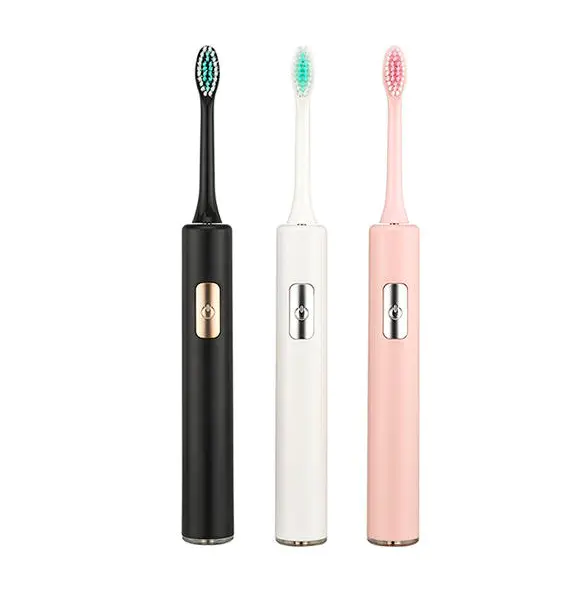
The core definition of a sonic electric toothbrush lies in the vibration frequency of the brush head. When the bristle vibration frequency reaches the range of sound wave frequencies audible to the human ear (typically between 20Hz and 20,000Hz), it's called a sonic electric toothbrush.
Currently, high-quality sonic electric toothbrushes on the market use built-in magnetic levitation motors that generate 20,000 to 40,000 high-frequency vibrations per minute. Compared to the approximately 200 vibrations per minute of traditional manual brushing, this technology represents a significant leap in efficiency.
Content
2. Core Technology: Fluid Dynamics Cleaning
Why are sonic electric toothbrushes more popular with people with sensitive gums than rotary toothbrushes? The secret lies in "fluid dynamics."
When the toothbrush vibrates at high speed in the mouth, it mixes toothpaste and saliva, creating numerous microbubbles. These tiny air bubbles burst under pressure, creating a powerful cleaning force that penetrates deep into "cleaning blind spots" such as between teeth and the gum line, which are difficult for manual toothbrushes to reach. This non-contact cleaning method effectively removes plaque while avoiding excessive wear on tooth enamel caused by physical rotation.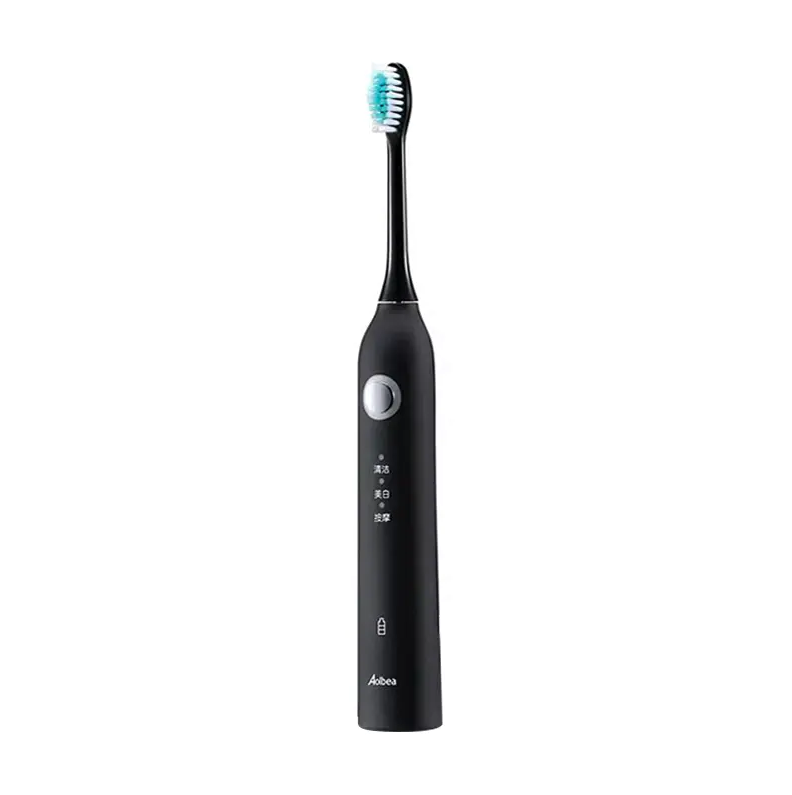
3. How to Identify a High-Quality Sonic Electric Toothbrush?
In a market rife with substandard products, choosing a sonic electric toothbrush shouldn't be based solely on appearance. It's crucial to pay attention to the following core parameters:
- Vibration Frequency Stability: An excellent magnetic levitation motor ensures that the frequency remains constant and doesn't decrease in speed even with increased pressure on the teeth.
- Bristle Rounding Ratio: High-frequency vibration can damage gums if the bristle tips aren't rounded. Reputable brands typically require a rounding ratio of over 90%.
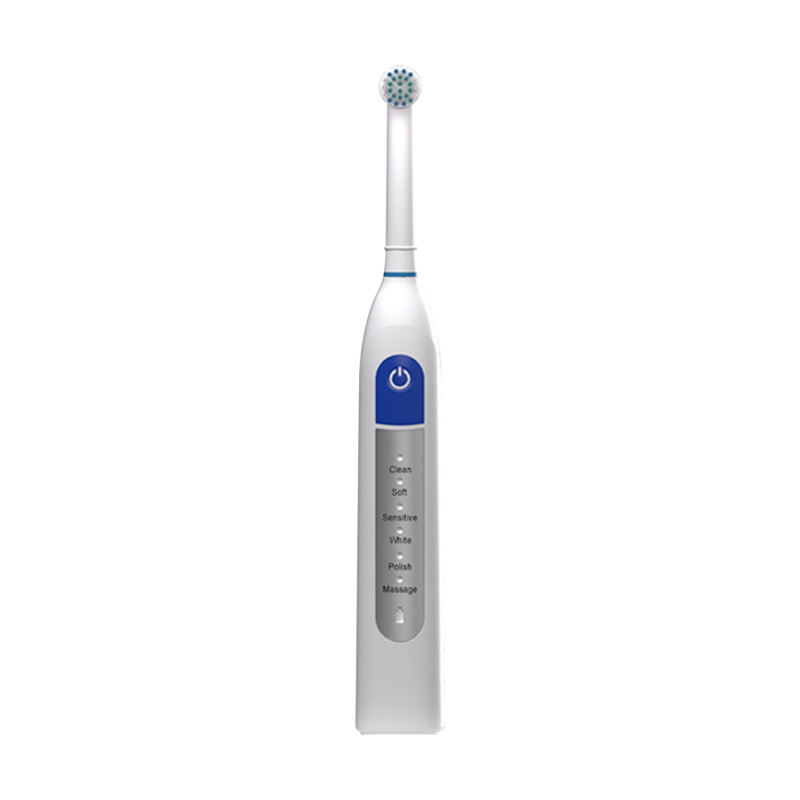
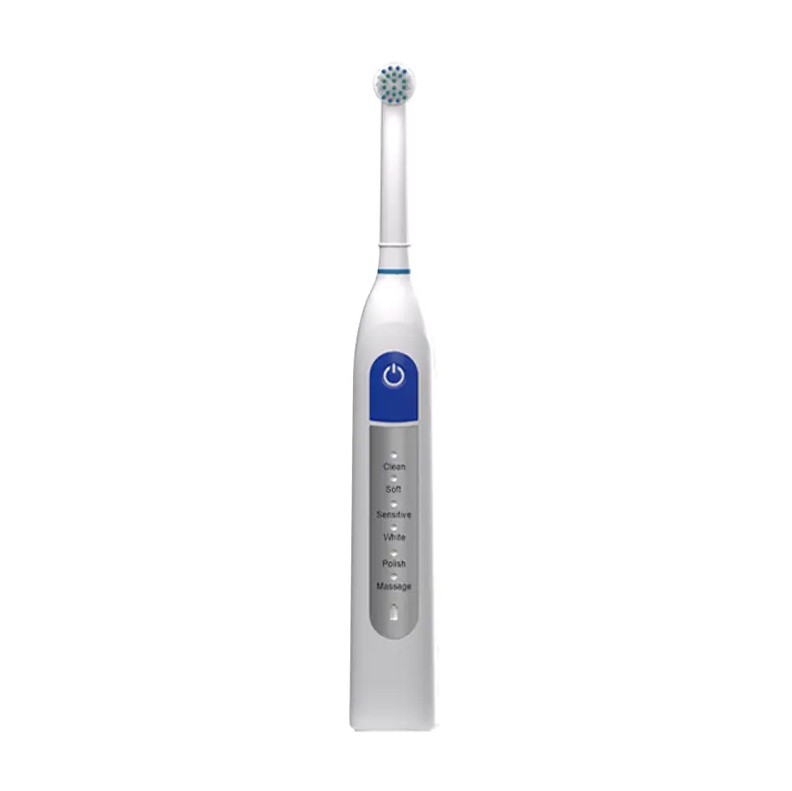
- Cleaning Modes: A variety of modes should be available to suit different oral conditions, such as sensitive, whitening, and polishing modes.
The "sonic" aspect of a sonic electric toothbrush essentially utilizes the fluid cleaning force generated by high-frequency vibration. It's not a gimmick for false advertising, but a product of the combination of modern precision manufacturing and biomedicine. If you're struggling with plaque buildup or incomplete brushing, upgrading to a high-quality sonic electric toothbrush might be the simplest step to improve your quality of life.