
 English
 中文简体
中文简体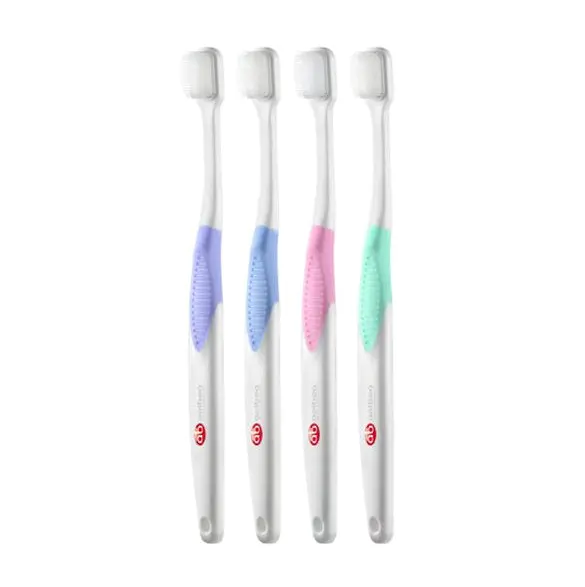
Phone:+86-13952799285
A ward manager ordering toothbrushes for a 200-bed hospital does not need a lecture on oral hygiene. She needs one page that answers a practical question: which brush works for a patient who cannot stand at a sink, cannot rinse properly, and may be taking blood thinners? The short answer is a soft-bristled, small-headed manual brush with rounded filament ends and individual wrapping. Electric toothbrushes are usually the wrong choice in acute care, and the cheapest bulk brush on a quotation sheet is often the most expensive decision in the long run.
This guide explains what a hospital toothbrush really is, how specifications change from one patient group to another, and what to write into a bulk order so nursing staff, infection control teams and finance departments all get what they expect.
Content
- 1 Why a Hospital Toothbrush Is Not Just a Cheap Home Brush
- 2 Matching Bristles, Head Size and Handle to the Patient
- 3 Single-Use, Reusable and Admission-Kit Formats
- 4 Hygiene, Drying and Storage on the Ward
- 5 Bulk Ordering Checklist for Hospitals and Care Suppliers
- 6 When an Electric Toothbrush Makes Sense in a Care Setting
Why a Hospital Toothbrush Is Not Just a Cheap Home Brush
Three constraints dominate hospital oral care: water, dexterity and infection control. Bedside brushing often happens with a basin, a small cup and no running water, so foam has to stay manageable and rinsing is limited. A brush head that is too wide can trigger a gag reflex in a patient lying back at 30 to 45 degrees. The handle also has to be long enough for a nurse wearing gloves to reach the back molars without putting fingers inside the mouth.
Infection control adds a second layer. A wet brush head stored in a shared cup is a cross contamination risk, and a brush sealed in a plastic bag while still damp becomes a biofilm farm within a day. That is why patient brushes are usually individually wrapped or clearly labelled, and why the head should be able to dry between uses.
The specification list is therefore short but strict: soft or extra-soft filament, a compact head, a glove-friendly handle, hygienic packaging and a head design that drains and dries.
Matching Bristles, Head Size and Handle to the Patient
The patient group determines bristle softness and head size far more than the budget does. A general medical ward, a stroke rehabilitation unit and a children's ward can justify three different specifications, and mixing them up is one of the most common reasons a tender fails clinical review.
| Patient group | Brush features to specify | Practical reason |
|---|---|---|
| Post-operative and intensive care | Compact head, extra-soft filament, low-foam cleaning protocol | Reduced swallowing control, sensitivity at the gum line and bleeding risk |
| Patients on anticoagulants or with gum disease | Soft or extra-soft, densely planted fine filaments with rounded ends | Less mechanical trauma to the gingival margin |
| Older patients with weak grip or arthritis | Wider textured handle or a wide-head soft brush | Compensates for limited hand strength and short brushing strokes |
| Long-stay and rehabilitation patients | Reusable brush with ventilation in the head and a name label area | Dries between uses and stays with one patient for weeks |
| Children's wards and paediatric clinics | Small head, super-soft filament, short handle | Fits smaller mouths and reduces pressure on developing enamel |
In practice most hospitals standardise on two or three items rather than ten. A nano soft small-head brush such as the ALB4001 covers adult patients whose gums bleed easily, because the short head reaches the last molars without stretching the cheek and the fine filament tips are gentle at the gum margin.
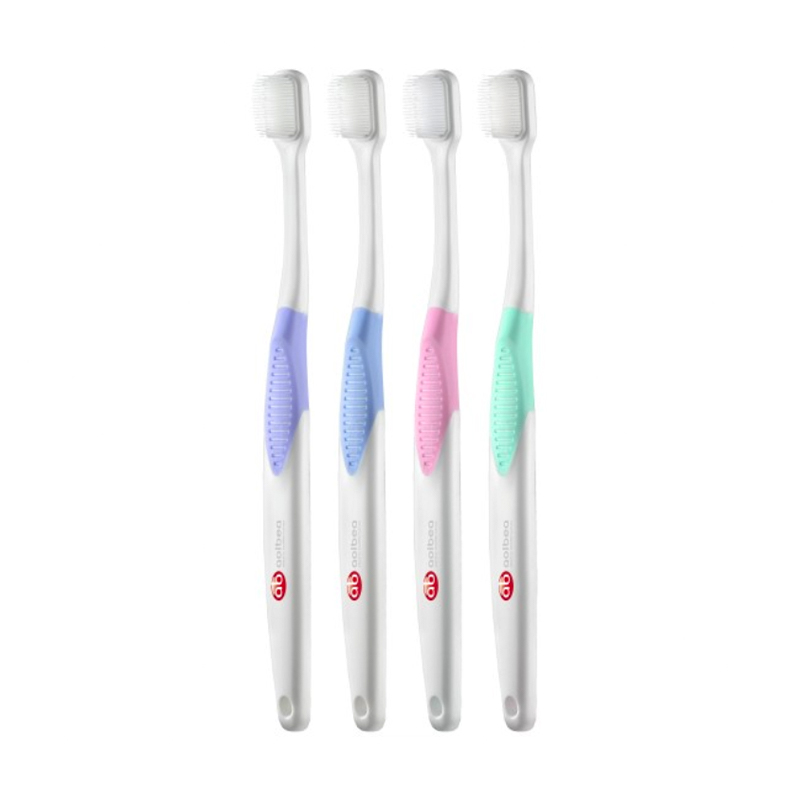 ALB-4001 Nano Soft Small-Head Adult Manual ToothbrushA flexible small-head manual brush with soft nano-bristles and ergonomic grip, suited to adult patients needing gentle gum-margin cleaning and rear-molar access.View Product →
Where a wider cleaning surface is preferred for patients with reduced dexterity, a gum care soft-bristle wide-head model is the usual second item. Order both in the same handle colour so staff can spot a mix-up at a glance.
Single-Use, Reusable and Admission-Kit Formats
The term hospital toothbrush covers three different products, and mixing them up in a purchase order creates waste in both directions.
Single-use brushes have a thin handle, a small head and individual wrapping. They suit emergency departments, day surgery and short admissions, where the brush is used a few times and then discarded. Unit cost is low, but so is the grip, and the plastic waste adds up quickly on wards with hundreds of patients.
Reusable patient brushes are built like a normal manual brush: a comfortable handle, a soft head and room for a name label. They suit stays of several days or more, and they are the format most hospitals standardise on because the cost per patient drops once the length of stay passes about three days.
Admission kits and travel brushes are the third category. Patients admitted for planned procedures are often asked to bring their own toiletries, and a portable travel toothbrush with a protective cap packs flat in a wash bag and keeps bristles clean before and after use.
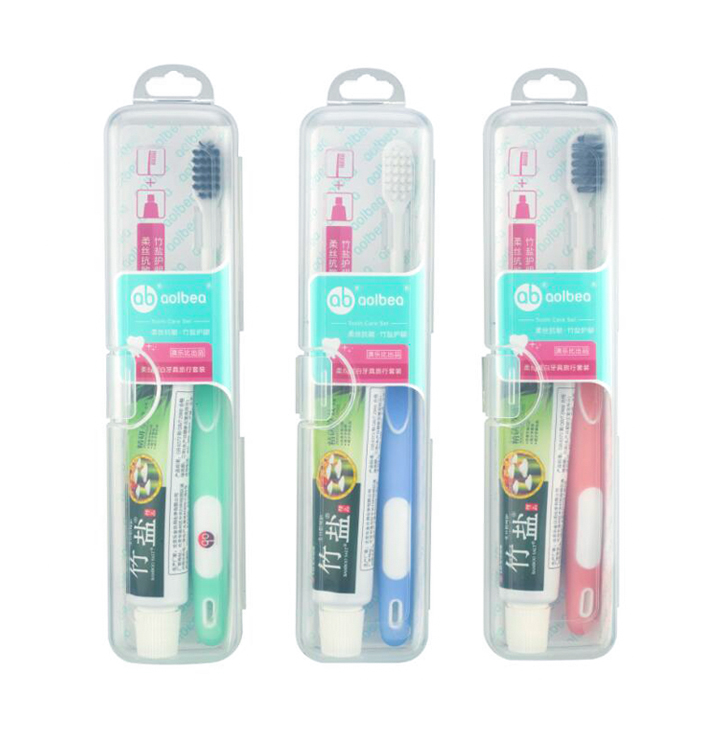 ALB-4008 Portable Travel Manual ToothbrushA compact manual travel brush with a small dense-filament head and clear soft-rubber rod wrap, useful for admission kits and wash-bag carrying.View Product →
Hygiene, Drying and Storage on the Ward
Bristles wear out faster than most people expect. Once the filaments splay, cleaning efficiency drops and the brush should be replaced, which in a hospital setting means roughly every three months for reusable brushes and after any infectious illness. For single-use brushes the rule is simpler: one patient, one brush, then discard.
Storage decides how clean the brush stays between uses. Storing brushes upright in a shared cup lets heads touch, and a closed cap traps moisture against the filaments. A brush head with ventilation holes lets air move through the tuft holes and reduces the residual water that supports bacterial growth, which is one reason why brush head ventilation matters in clinical care and at home alike.
A breathable gum care design such as the ALB4028T pairs that ventilation structure with soft filaments for patients who need gentle cleaning along the gum line, and it dries faster on a bedside rail than a sealed head does.
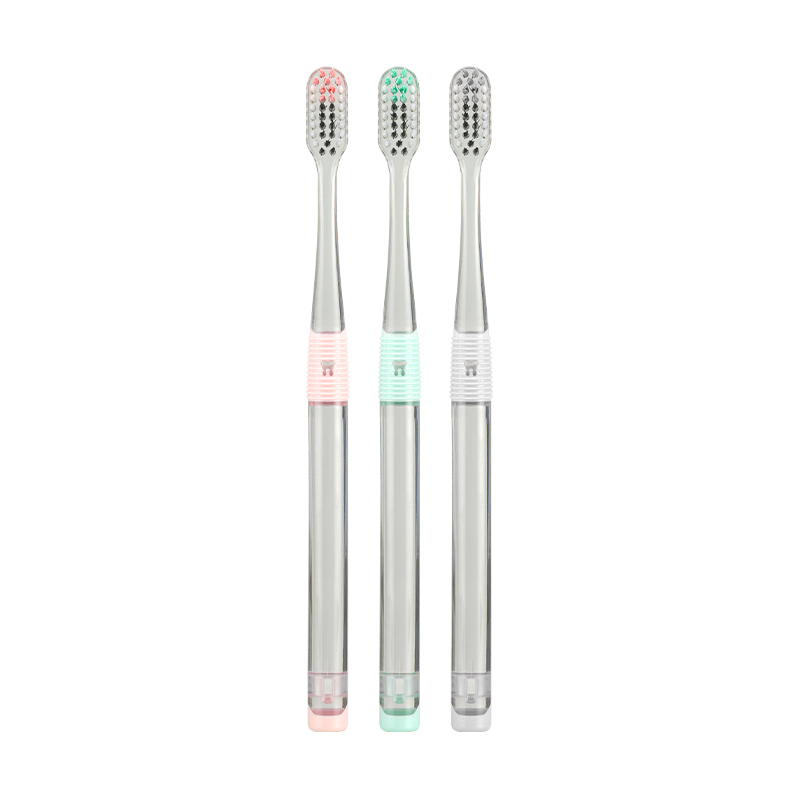 ALB-4028T Breathable Gum Care Manual ToothbrushA manual brush with ventilation-hole head, mixed firm-soft filaments, and anti-slip handle, designed for gum-line care and wisdom-teeth cleaning.View Product →
Bulk Ordering Checklist for Hospitals and Care Suppliers
A tender document does not need to be long, but it should leave no room for interpretation. Ask suppliers to confirm the following in writing:
- Filament type and softness, expressed as a diameter range rather than a marketing word such as extra soft.
- Head dimensions in millimetres, so the clinical team can compare a sample against the brush in current use.
- Tuft retention, and whether bristles are fixed with metal staples or by a staple-free hot melt process, because loose metal in the mouth is a serious incident.
- Handle material and any grip additive, including confirmation that no restricted plasticisers are used.
- Packaging format: individually wrapped, poly bag, or assembled as a complete admission kit with toothpaste and a cup.
- Labelling and colour coding options, including printing space on the handle for a patient name or ward code.
- Test documentation against the applicable toothbrush and oral appliance safety standards, plus sample lead time and minimum order quantity.
Order a sample box before signing anything. Open one brush, bend the filament, pull a tuft and soak the head for an hour. If the head stays wet inside the packaging, the specification is wrong no matter what the datasheet says.
When an Electric Toothbrush Makes Sense in a Care Setting
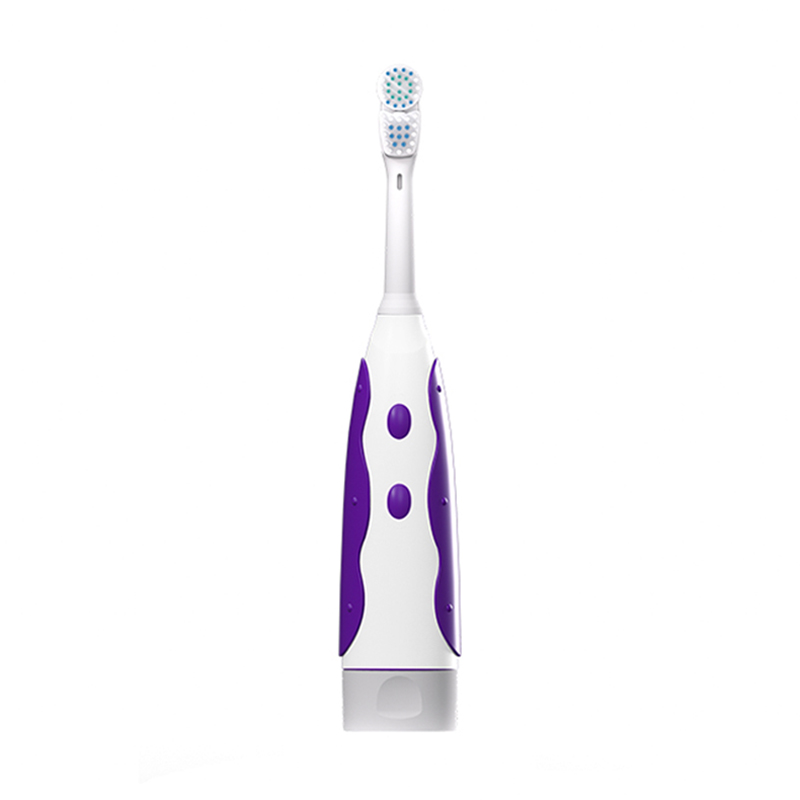
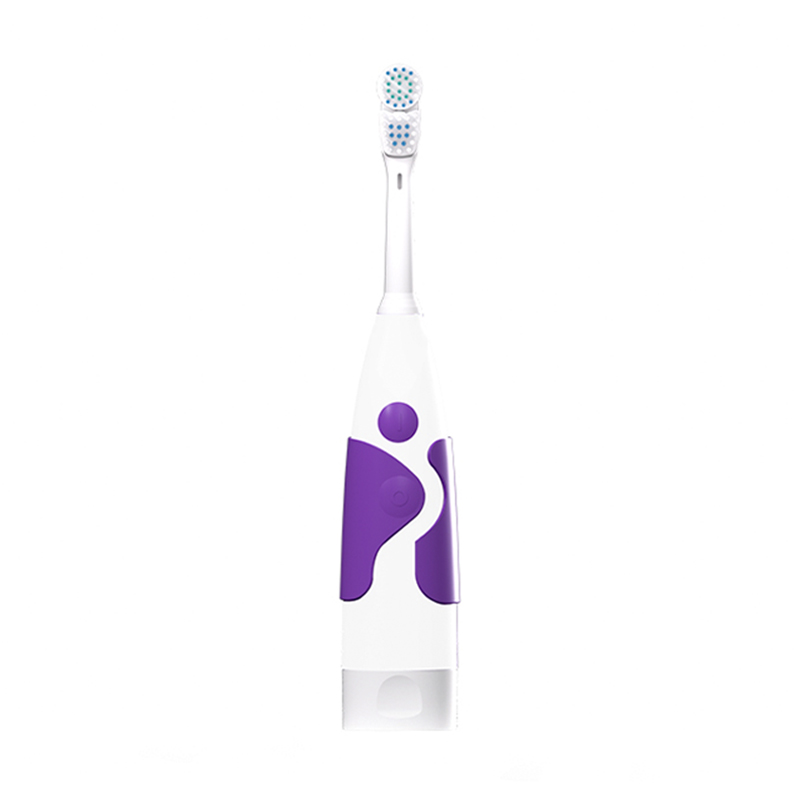
Acute wards rarely use electric brushes. Patients who cannot control pressure, who are sedated or who have an impaired gag reflex should not be handed a powered brush, and motorised handles cannot be reliably disinfected between patients, so they must be treated as single-patient items.
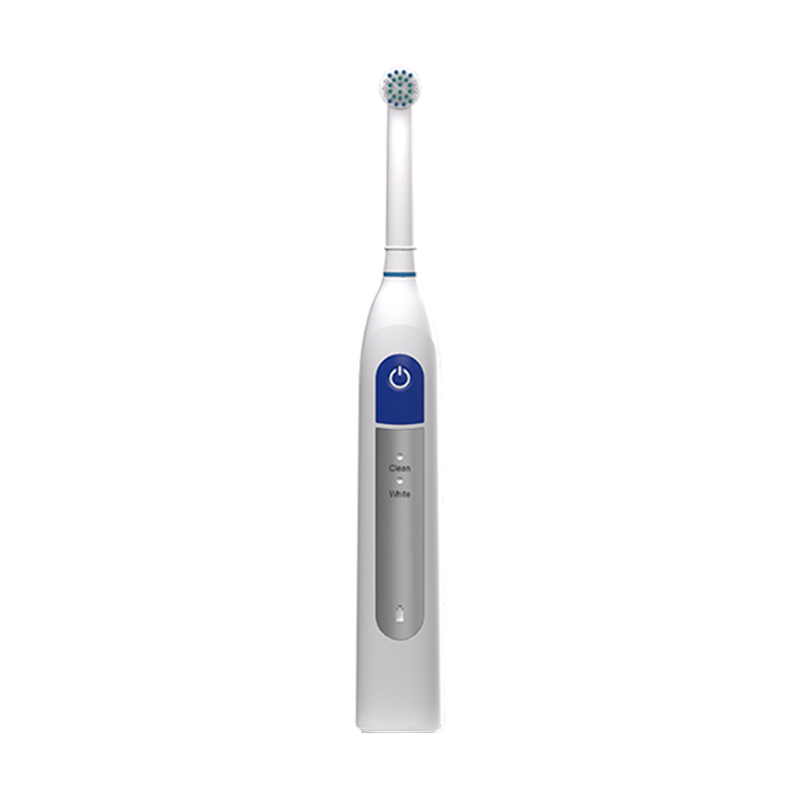
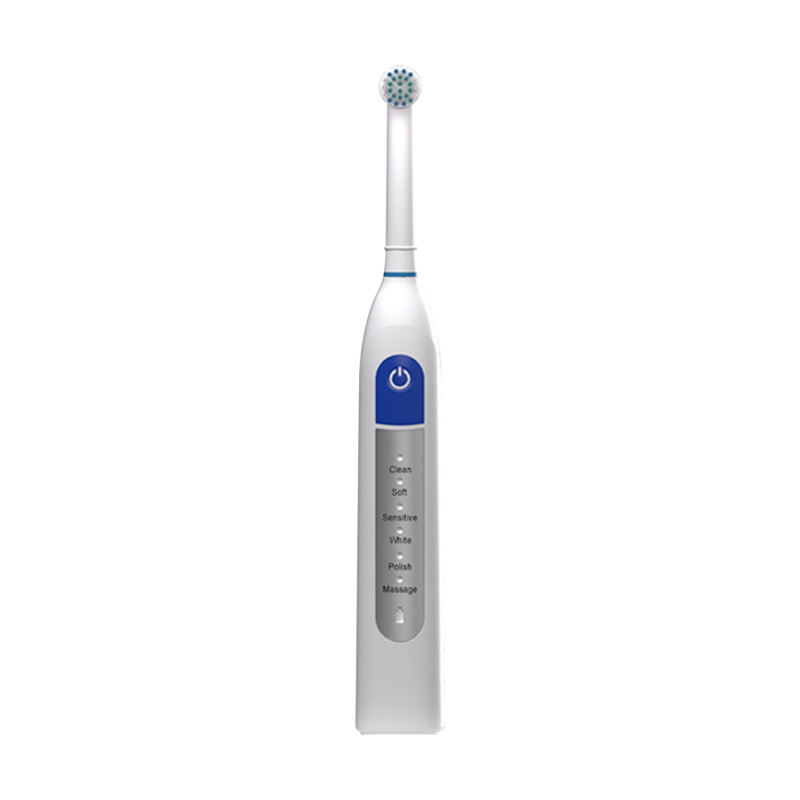
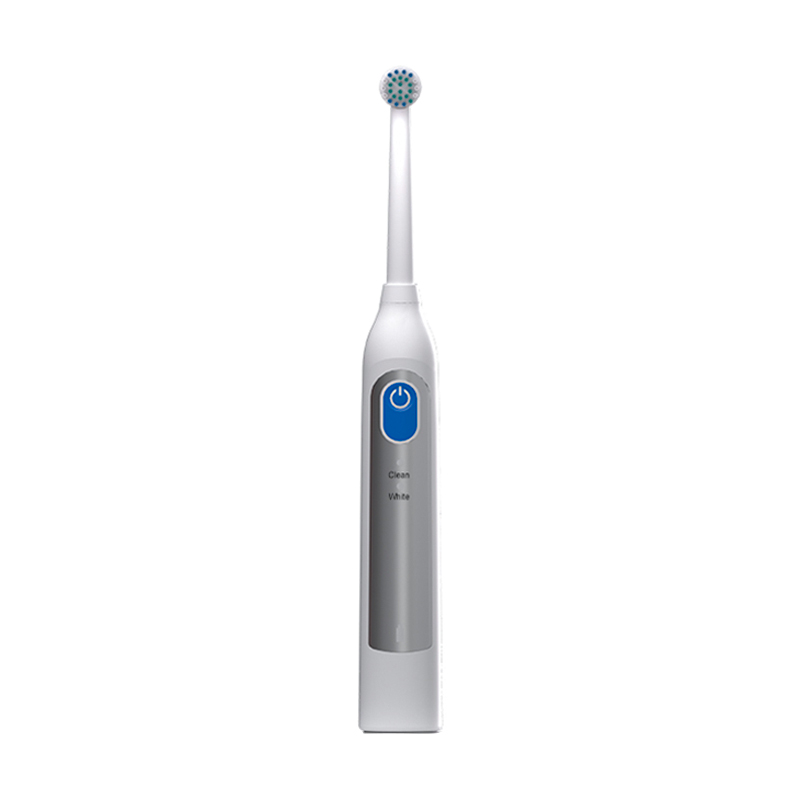
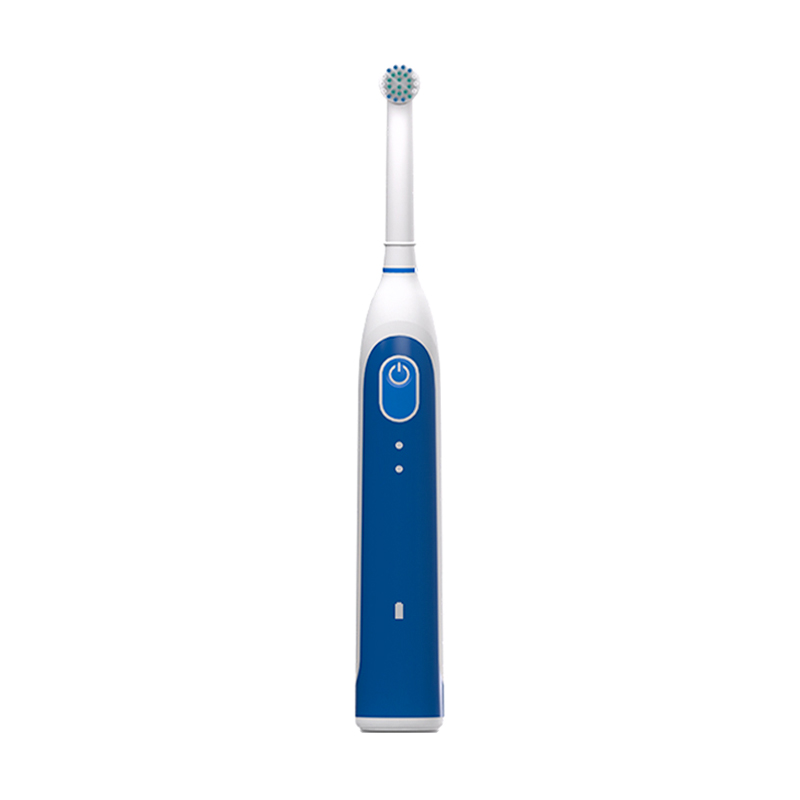
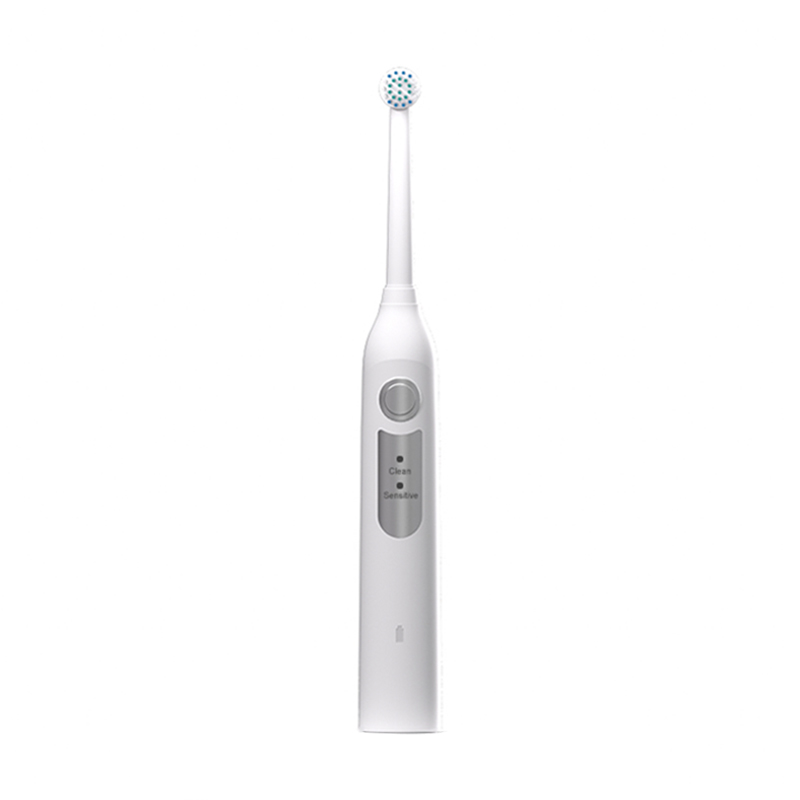
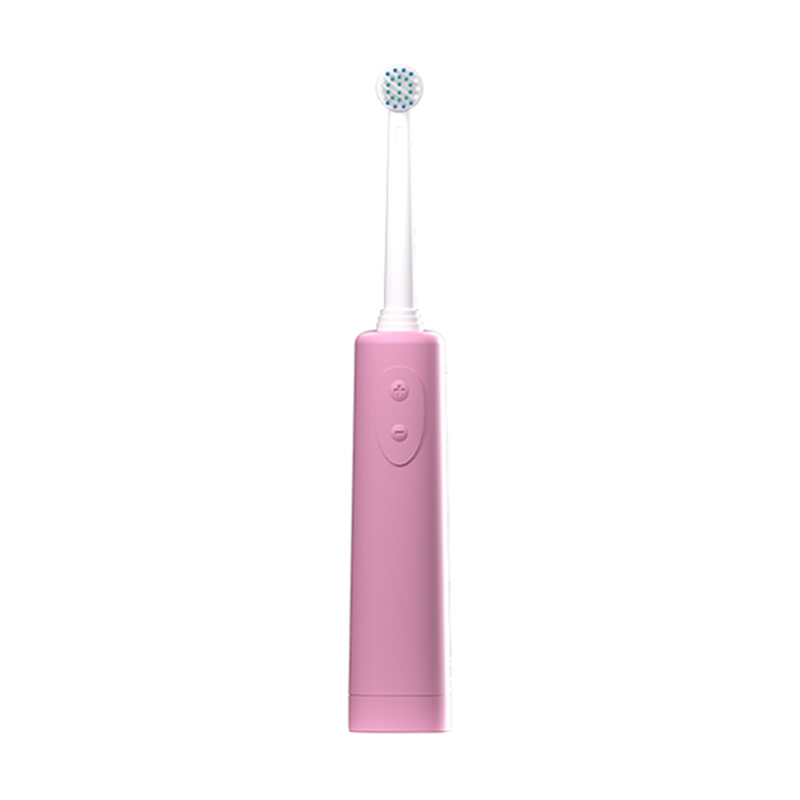
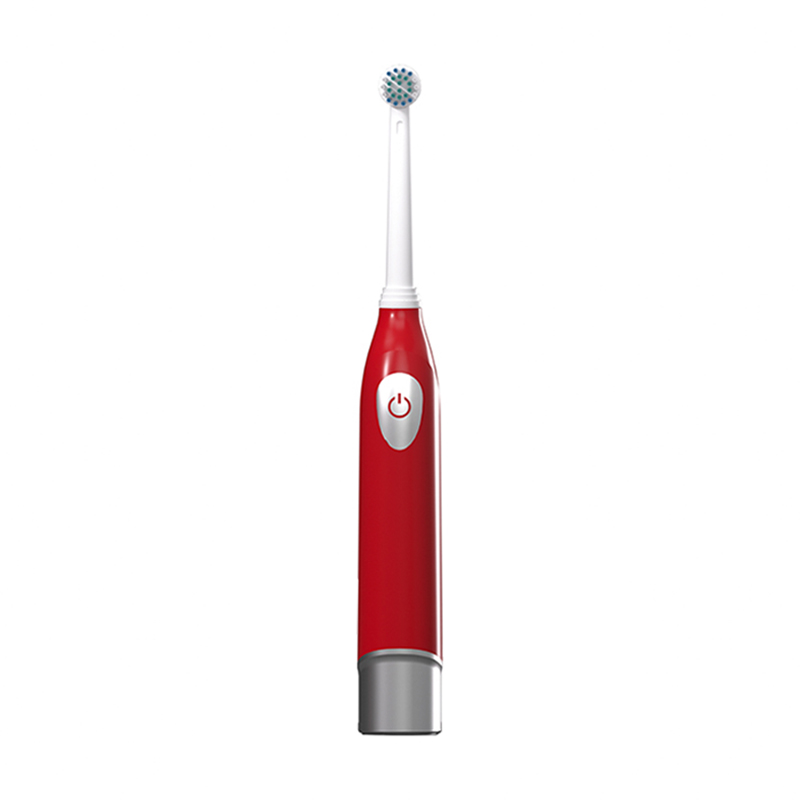
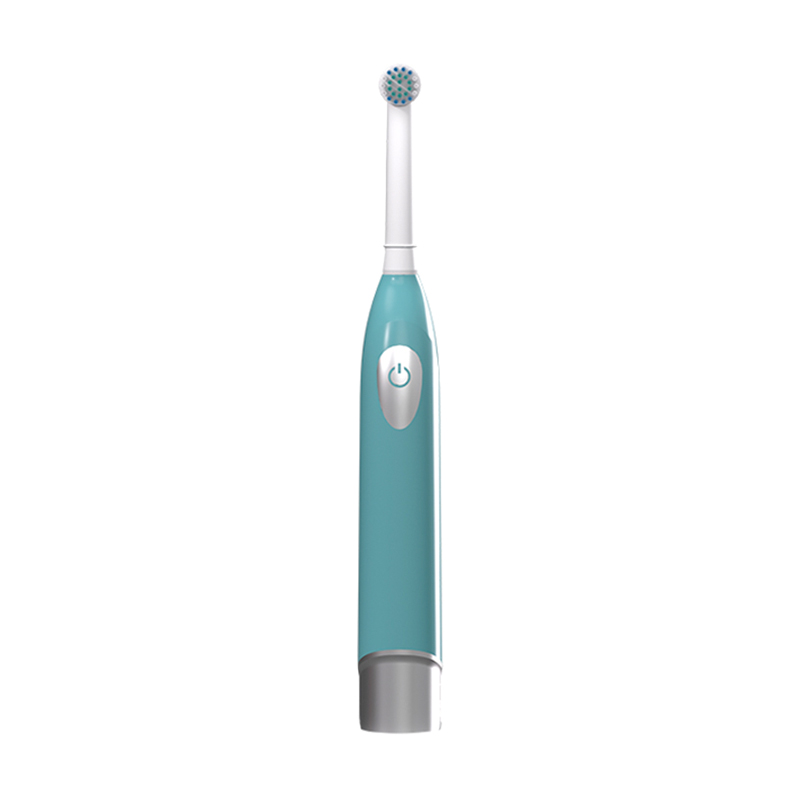
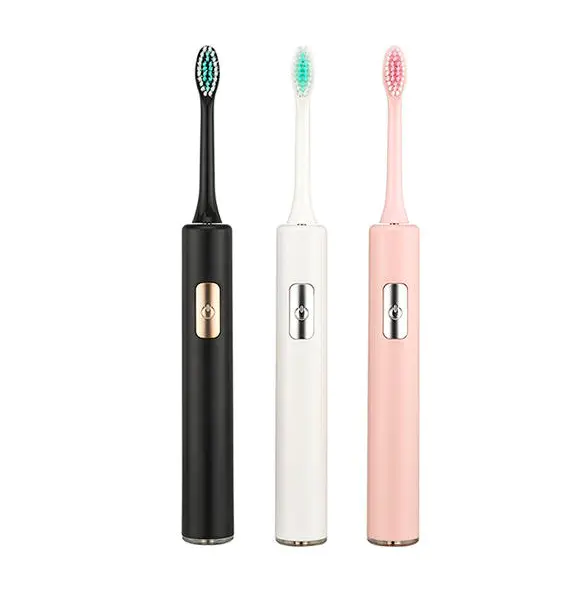
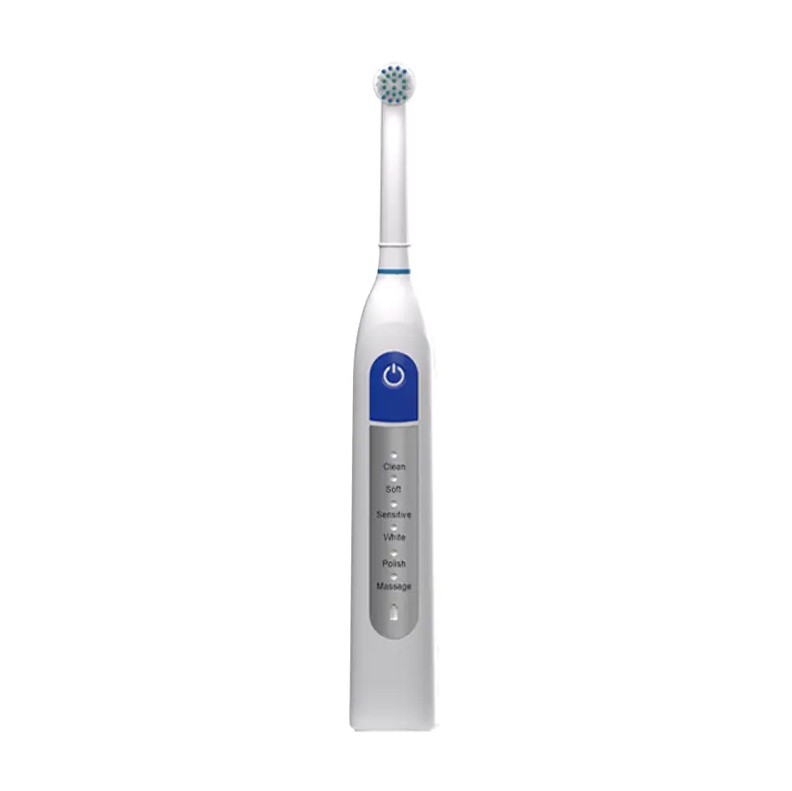
Long-term care is different. Residents with arthritis, tremor or limited hand strength often clean more effectively with a battery-powered or rechargeable model that has a two-minute timer and a pressure reminder. The practical questions are then about charging, waterproofing and replacement heads, not about cleaning power.
The right hospital toothbrush is unglamorous: a compact head, soft rounded filaments, a handle that works with gloves, hygienic packaging and a design that dries between uses. Standardise on two or three items, write the specifications into the tender in measurable terms, and clinical, infection control and purchasing teams will all be reading from the same page.
Ningbo Aolbea Oral Care Products has been manufacturing toothbrushes and oral care products from Yuyao, Ningbo since 1986, covering adult and children's manual brushes, breathable brush head designs, travel brushes and oscillating or sonic electric models. The company has taken part in drafting national and industry standards for toothbrush safety, antibacterial toothbrushes and electric toothbrushes, which helps when a hospital or care supplier needs documentation to support a bulk order. Samples for clinical evaluation can be requested before a tender is finalised.