
 English
 中文简体
中文简体
Phone:+86-13952799285
Two powered toothbrushes can look almost identical on a shelf and behave nothing alike. One moves its bristles about 6,000 times a minute, another 33,000 times. That gap is what most people are really asking about when they search for a high frequency toothbrush, and it decides how the brush feels in the mouth, how much hand pressure you need, and which settings suit which person.
The short answer: high frequency describes how many times per minute a brush head vibrates or oscillates. It does improve plaque removal, but only up to a point. Above roughly 30,000 vibrations per minute, bristle design, head size, contact time and technique matter more than the headline number. The sections below explain the units, compare the mechanisms, and list what to check before buying.
Content
- 1 What High Frequency Actually Means
- 2 How Fast Movement Changes the Brushing Experience
- 3 Does a Higher Frequency Clean Better?
- 4 Sonic, Oscillating or Ultrasonic: Which Suits Which Mouth
- 5 What to Compare Before You Buy
- 6 Battery or Rechargeable: Matching the Brush to the Routine
- 7 Build Quality Behind the Frequency Number
- 8 Using a High Frequency Toothbrush Without Irritating Your Gums
What High Frequency Actually Means
Frequency is the number of brush head movements in a given time, and the three main powered mechanisms count those movements in different units. Sonic brushes are quoted in vibrations per minute, oscillating-rotating brushes in oscillations per minute, and ultrasonic brushes in cycles per second. A 6,000 figure on an oscillating brush is therefore not automatically slower than a 33,000 figure on a sonic brush. The numbers describe different motions, and the feel in the mouth differs as well.
| Mechanism | Typical frequency | Brush head motion | What the motion is good at |
|---|---|---|---|
| Sonic | 20,000 to 40,000 vibrations per minute | Bristles sweep back and forth along their own length | Reaching into gaps and along the gum line with light pressure |
| Oscillating-rotating | 6,000 to 8,000 oscillations per minute, often with added pulsations | A small round head rotates back and forth | Cleaning one tooth at a time, including the gum margin |
| Ultrasonic | Around 1.6 million cycles per second | No visible movement of the bristles | Moving cleaning fluid at a microscopic level, an effect that is hard to verify in daily use |
How Fast Movement Changes the Brushing Experience
- A manual brush delivers a few hundred strokes per minute, and most of that comes from your wrist. A sonic head delivers tens of thousands, so the mechanical work is largely done for you.
- Every tooth surface receives far more bristle contacts during a two minute session. That is why a light grip works better than pressing, since extra force stops the bristle tips moving freely.
- At sonic frequencies the moving fluid helps as well. Toothpaste and saliva are pushed into the spaces between teeth and along the gum line, areas a brush head cannot physically enter.
- Hand pressure usually drops, because a vibrating head gives immediate feedback that rewards a relaxed grip.
Does a Higher Frequency Clean Better?
Yes, up to a point, and then the returns flatten. Plaque removal depends on bristle tips reaching the tooth surface, so speed only helps when the bristles get where they are needed. Moving from a manual brush to any powered brush at 20,000 vibrations per minute is a large step. Moving from 31,000 to 40,000 is a much smaller one, and amplitude, meaning how far the bristles travel on each stroke, carries as much weight as frequency itself.
The discussion around 33,000 vibrations per minute is a useful reference point. The specific impact of 33,000 vibrations per minute on cleaning effect is covered in our technical notes, and the conclusion is consistent: higher frequency disturbs plaque faster, but the end result still depends on coverage, duration and the condition of the bristles.
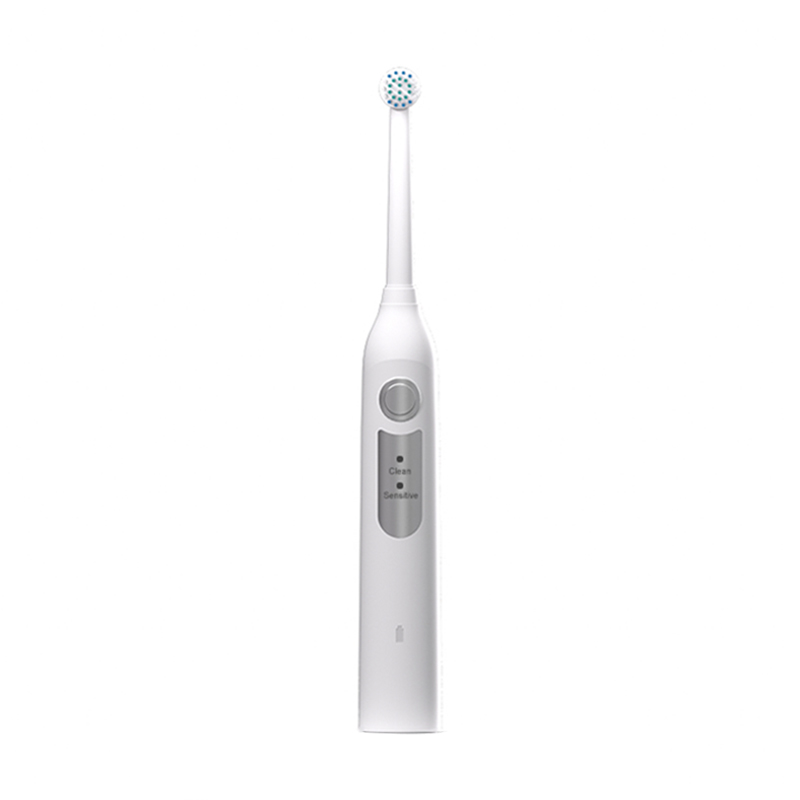
For a concrete example, the ALB959 USB rechargeable sonic model pairs a sonic frequency drive with a soft bristle head aimed at everyday cleaning and whitening.
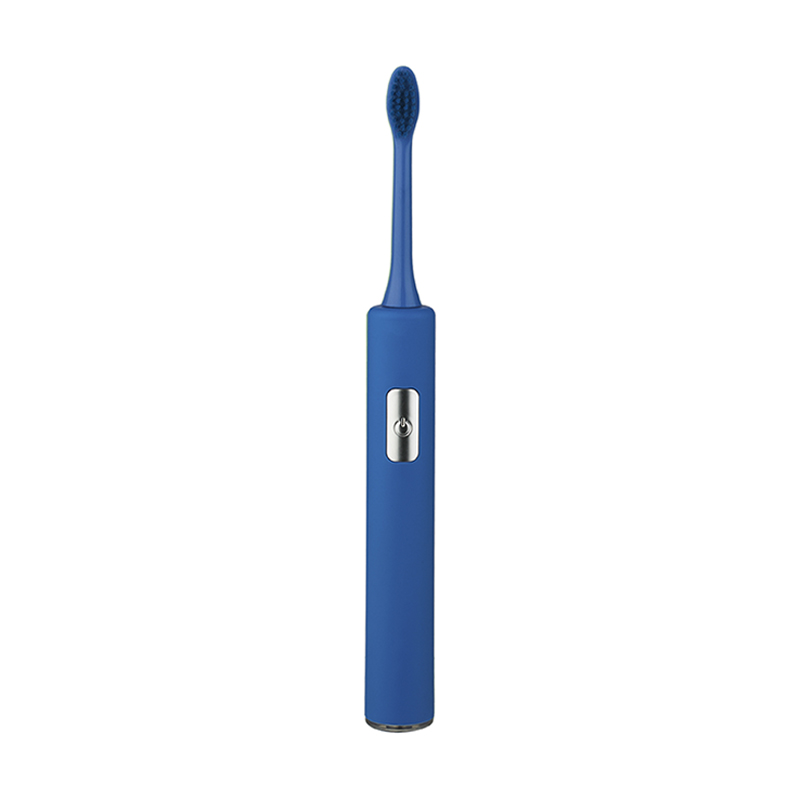 ALB-959 USB Rechargeable Sonic Electric ToothbrushA sonic rechargeable brush with 33,000 vpm, soft wavy bristles, three modes, and IPX7 waterproofing for daily cleaning and whitening.View Product →
Sonic, Oscillating or Ultrasonic: Which Suits Which Mouth
Sonic suits sensitive gums and crowded teeth
Sonic action uses small sweeping movements rather than large rotation, so bristle tips stay gentle along the gum margin. Users with recession, thin enamel or a history of bleeding after brushing usually adapt to sonic quickly, particularly with soft, densely planted filaments and a wavy bristle line that follows the curve of the teeth.
Oscillating-rotating suits heavy plaque at the gum line
The small round head concentrates movement on one tooth at a time, which covers the gum margin thoroughly for people who build plaque quickly or wear braces. The trade off is a more mechanical feel and a head that takes practice to guide.
Ultrasonic remains a niche choice
Because the bristles do not visibly move, users get little feedback from an ultrasonic brush. Treat it as a specialist option and judge it by the same criteria as any other powered brush.
What to Compare Before You Buy
Once frequency is understood as one variable among several, the decision becomes practical. The table below lists the specifications worth checking, in rough order of how much they change daily use.
| Specification | Why it matters | What to look for |
|---|---|---|
| Frequency | Sets the baseline pace of cleaning | 20,000 to 40,000 vibrations per minute for sonic, 6,000 to 8,000 oscillations for oscillating |
| Amplitude | How far the bristles travel, which affects reach into gaps | Not always published, so compare by feel and by bristle length |
| Brush head size | Determines whether you can reach molars and the inside of front teeth | A small head that still covers one tooth fully |
| Pressure control | Prevents scrubbing that irritates gums and wears enamel | A pressure sensor, or a speed that slows when you press |
| Timer | Frequency is wasted if you brush for thirty seconds | A two minute timer with thirty second quadrant prompts |
| Battery and charging | Affects whether the brush is ready when you are | USB charging, inductive charging, or long standby for travel |
| Water resistance | Determines bathroom and travel safety | IPX4 for splashes, IPX7 for rinsing under water |
| Replacement heads | A hidden running cost over the life of the brush | Heads that are easy to find and reasonably priced |
A pressure sensor or smart reminder is worth more than a marginal frequency increase for most households. The ALB948 adult inductive charging model pairs inductive charging with a smart brushing reminder so that frequency and brushing time work together.
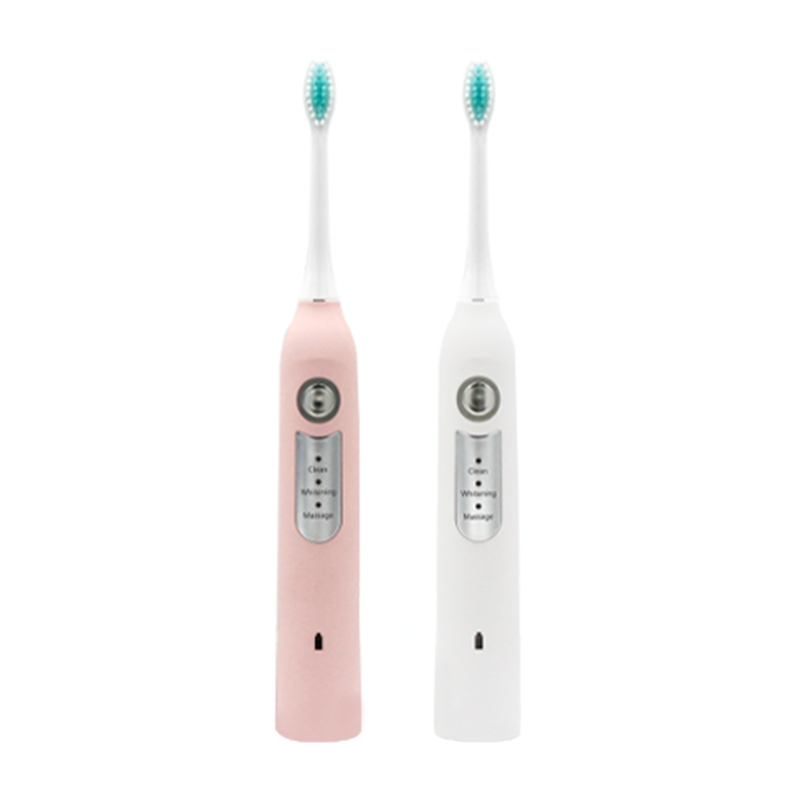 ALB-948 Adult Inductive Charging Sonic Toothbrush with Smart ReminderAn adult sonic toothbrush pairing inductive wireless charging with 30-second area reminders, 33,000 vpm, three modes, and IPX7 waterproofing.View Product →
Battery or Rechargeable: Matching the Brush to the Routine
Both formats use the same high frequency mechanisms, so the choice is about power supply, not cleaning principle.
- Battery powered brushes are lighter and cheaper, need no charger, and suit travel bags and guest bathrooms. Output fades gradually as the cells drain.
- Rechargeable brushes hold steadier output until the battery runs low. USB charging suits travel, inductive charging avoids exposed contacts, and standby time matters more than charge speed for most users.
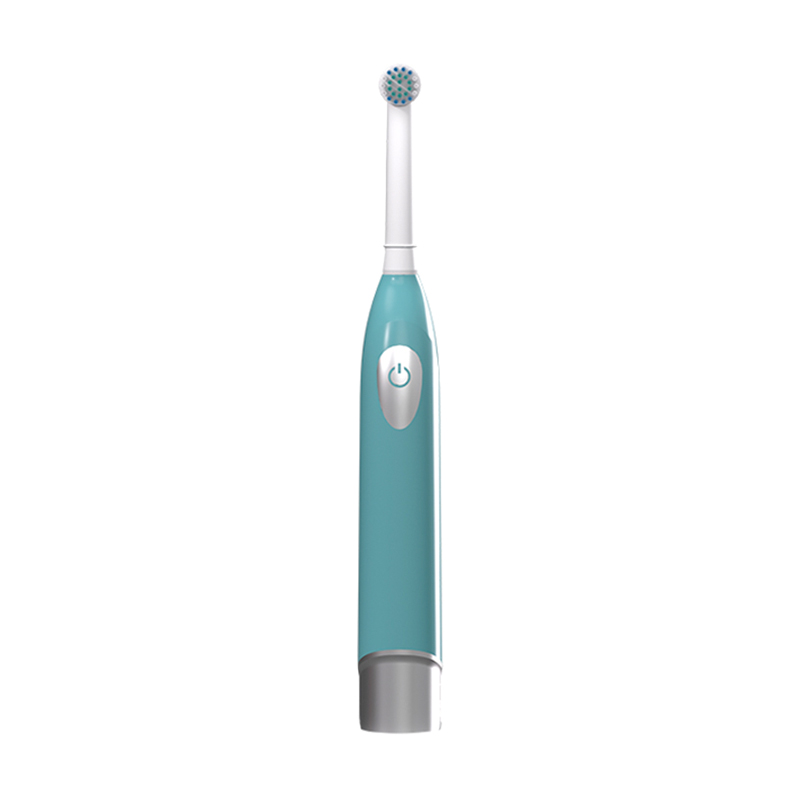
A battery option such as the ALB3022 adult sonic model is a reasonable starting point for a travel kit or a shared bathroom where a charger is inconvenient.
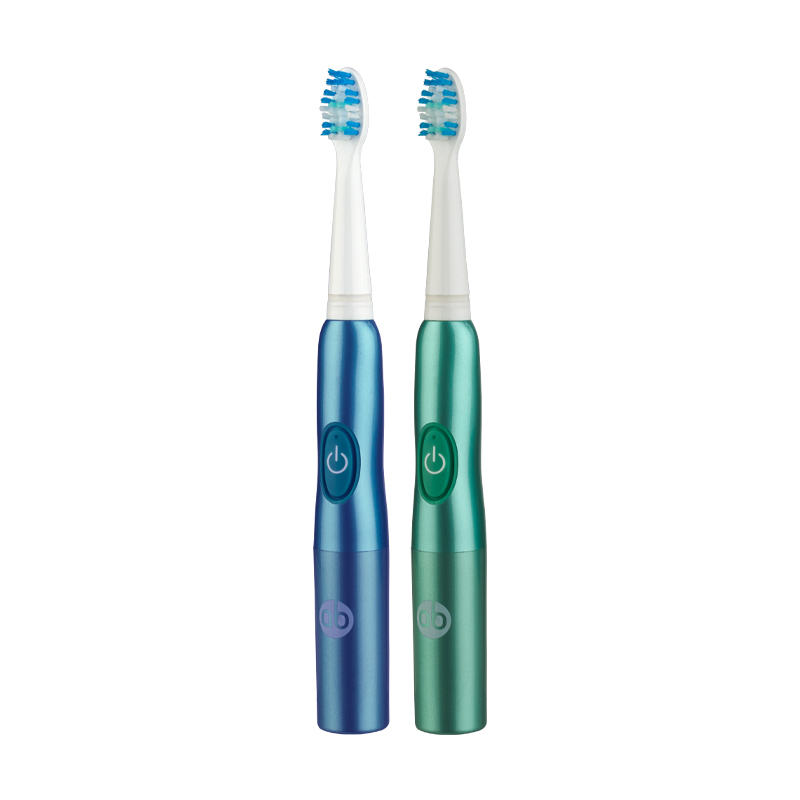 ALB-3022 Adult Sonic Battery Powered Electric ToothbrushA battery-powered adult sonic toothbrush for travel or shared bathrooms, with wavy soft bristles, IPX4 waterproofing, and up to 40 days of use.View Product →
Build Quality Behind the Frequency Number
Frequency figures are easy to print. Keeping bristle tufts anchored at those speeds is harder. Copper free high density hot melt implantation and ultrasonic welding matter here, because loose tufts and vibration shorten the working life of a high frequency brush long before the motor wears out.
Standards shape the rest. Our team has taken part in drafting and revising national and industry standards covering general safety requirements for toothbrushes and oral care products, manual interdental brushes, antibacterial toothbrushes, green design evaluation for electric toothbrushes, and electric toothbrushes themselves. That work influences how frequency stability, waterproofing and bristle retention are checked across more than 30 product series, including breathable brush head designs that reduce residual moisture in the bristle holes. The wider range is listed in our oral care product catalogue.
Using a High Frequency Toothbrush Without Irritating Your Gums
- Hold the handle with your fingertips rather than a full fist. The head already moves, so light contact is enough.
- Guide the head slowly along the gum line at a slight angle, giving each tooth a few seconds.
- Let the two minute timer run its course instead of rushing the last quadrant.
- Do not press harder when you feel the bristles slowing. If your brush has a pressure sensor, treat the warning as a cue to ease off.
- Rinse the head and leave it to dry in open air, where a breathable head design helps.
- Replace the head every three months, or sooner if the filaments splay. Frequency loses its value once bristles lose their shape.
A high frequency toothbrush is a useful tool, not a shortcut. Choose the mechanism that matches your gums, check the features that decide daily use, and then let the brush do the work with a light hand for two full minutes. Frequency supplies the pace, but coverage and consistency supply the result.