
 English
 中文简体
中文简体
Phone:+86-13952799285
Pick up the toothbrush your toddler is using right now and hold the head next to their front teeth. If the head is wider than two of those teeth, it is too big, whatever the packaging says. That single check prevents more problems than any feature list, because an oversized head pushes the bristles onto the gums instead of the tooth surface and makes a small child gag.
The short answer for anyone weighing up an electric toothbrush for a toddler: from the first tooth to about age three, a manual brush with a small head and extra soft bristles does the job. From roughly age three, a powered brush becomes a sensible addition, but only if your child can hold the handle, keep it in the mouth without chewing, and let you finish the back teeth. Age is a rough marker. Hand control and tolerance are the real gate.
What follows is what to check on the brush itself, when the switch is worth making, and how a manual and a powered brush should share the work.
Content
- 1 When an electric toothbrush starts to make sense for a toddler
- 2 Why coordination, not motor speed, decides the timing
- 3 Specifications worth checking before you buy
- 4 Battery or rechargeable for a three-year-old
- 5 If your child is still under three
- 6 Six mistakes that cause trouble
- 7 Grip, spares and a simple setup order
When an electric toothbrush starts to make sense for a toddler
Most pediatric dental guidance draws the line at three years old. The argument against powered brushing below that age is not that the technology is harmful by itself. It is that a toddler cannot yet control it. A powered brush is heavier than a manual one, it has to be aimed, and a child who is still learning to keep a brush in the mouth will often bite down on the head instead. That biting habit is the reason a powered brush usually ends up in a drawer at 20 months.
From three onward the picture changes. A child can usually hold a handle for two minutes with help, understands an instruction to open wide, and tolerates a parent moving the brush around the back teeth. That is the point where a powered brush adds something real: steadier motion along the gum line and a timer that removes the guesswork about how long to brush.
There is a second threshold worth knowing. Even with a powered brush, most dental professionals suggest an adult keeps finishing the job until about age eight, because the dexterity to clean the very back molars arrives late. More on the timing is covered in this note on when children can start using an electric toothbrush.
Why coordination, not motor speed, decides the timing
It helps to look at the toddler years as three stages rather than one block.
- 12 to 24 months: the brush is a chew toy. The child cannot yet move bristles across a tooth surface, so a powered head mainly vibrates against the gum line while being bitten.
- 2 to 3 years: the child wants to hold the brush and copy you. A small manual brush wins here, because the goal is tolerance and routine, not cleaning power.
- 3 to 4 years: most children can grip a handle for a full two minutes with help, open on request, and accept a brush along the back molars. This is when a gentle powered brush earns its place.
Two physical details decide more than the motor rating. The first is head size, because a head that is too wide cannot reach the back teeth and triggers the gag reflex. The second is pressure, because toddlers press far harder than adults do. A smaller head and a gentler motion keep that pressure off the gums.
Specifications worth checking before you buy
Ignore the marketing claims and work through the measurable points instead.
| Specification | What to aim for | Why it matters |
|---|---|---|
| Head width | 12 to 18 mm | Fits a small mouth without triggering a gag reflex |
| Bristle softness | Extra soft with rounded tips | Stiff bristles irritate thin enamel and tender gums |
| Motion intensity | Gentle mode, slower than an adult brush | Toddlers press hard, so speed is unforgiving |
| Timer | Two minutes with 30 second pauses | Removes guesswork and stops brushing becoming a contest |
| Weight | Under about 120 g with the battery fitted | A heavy brush is dropped or held at a bad angle |
| Water resistance | IPX4 or better | Rinsing under the tap and humid bathrooms |
| Handle diameter | Thick enough for a small fist | Thin handles roll out of the hand and land on the floor |
Battery or rechargeable for a three-year-old
The power source matters more than parents expect, because it decides where the brush lives and who maintains it.
- A battery brush running on a single cell is lighter, often 60 to 90 g, and needs no charging stand beside a sink. The trade-off is that power fades gradually, so cleaning strength drops without anyone noticing, and the compartment needs an adult to open.
- A rechargeable brush is heavier, typically 100 to 140 g, and needs a stand and a socket away from water. In exchange you get timers and pressure sensors far more often, and many children find the charging routine motivating rather than annoying.
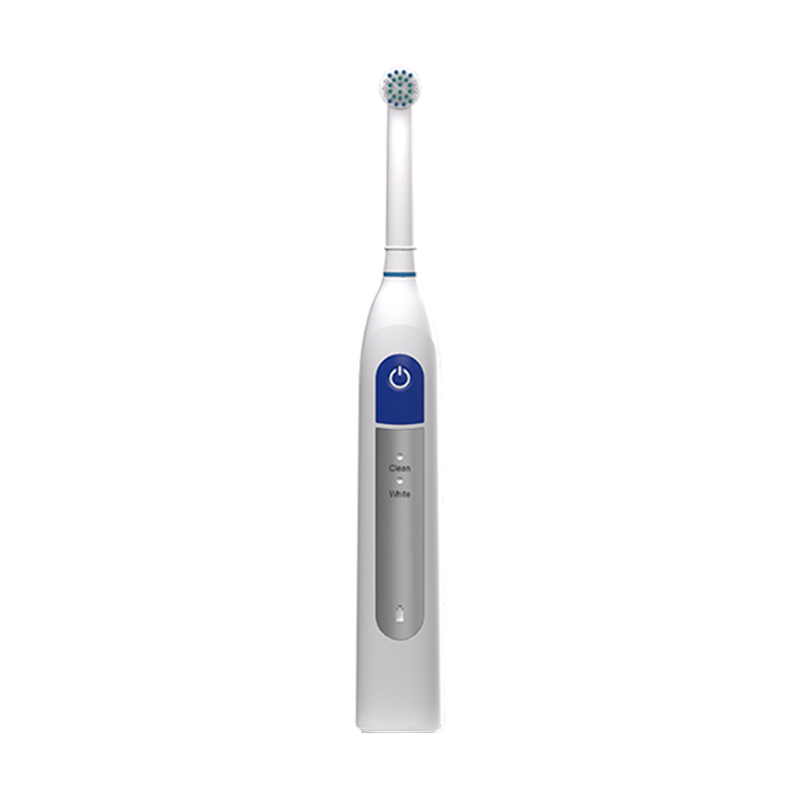
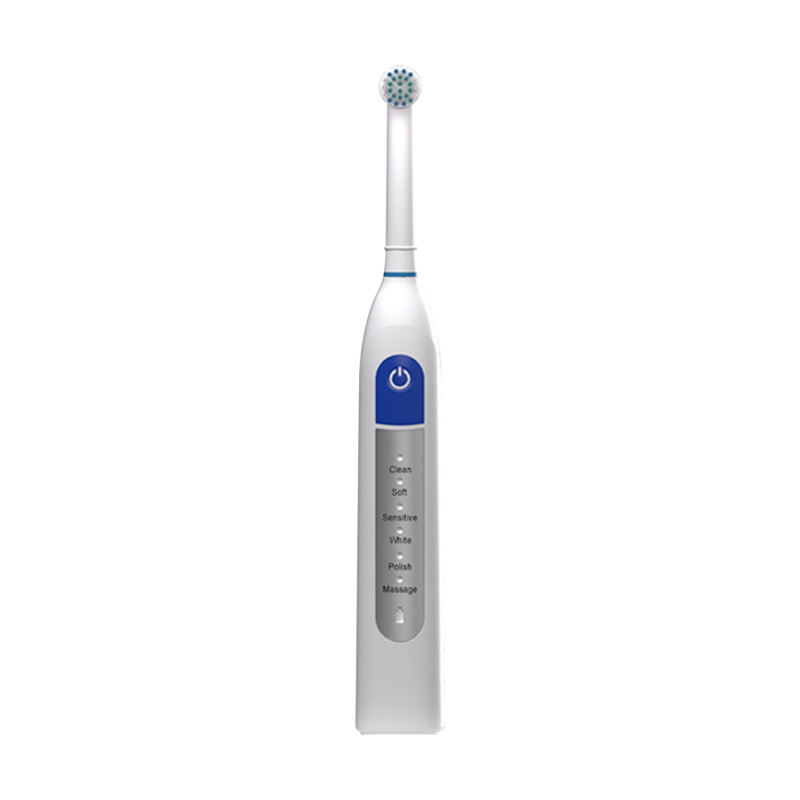
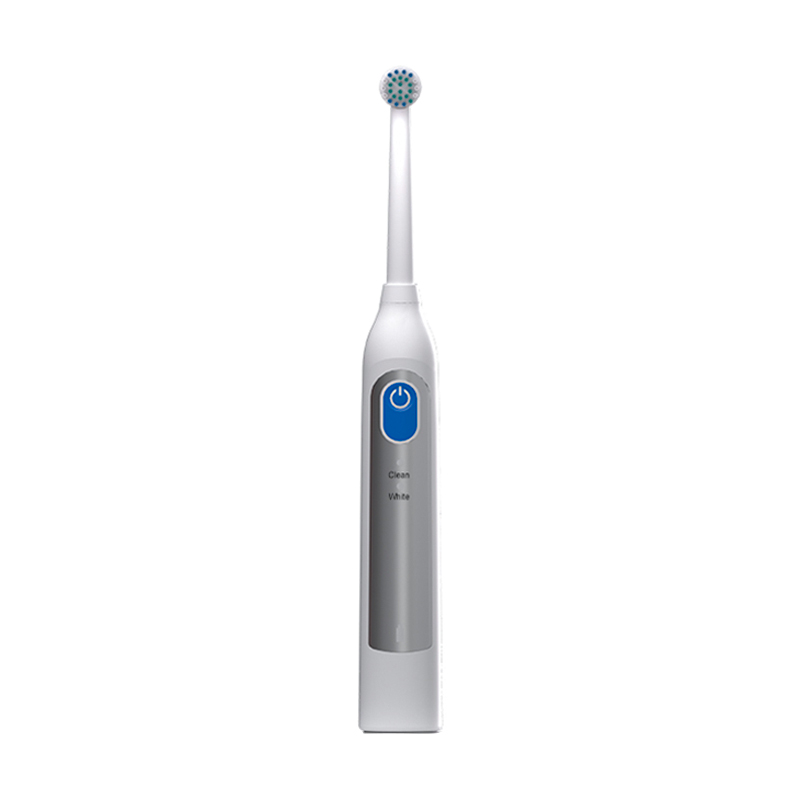
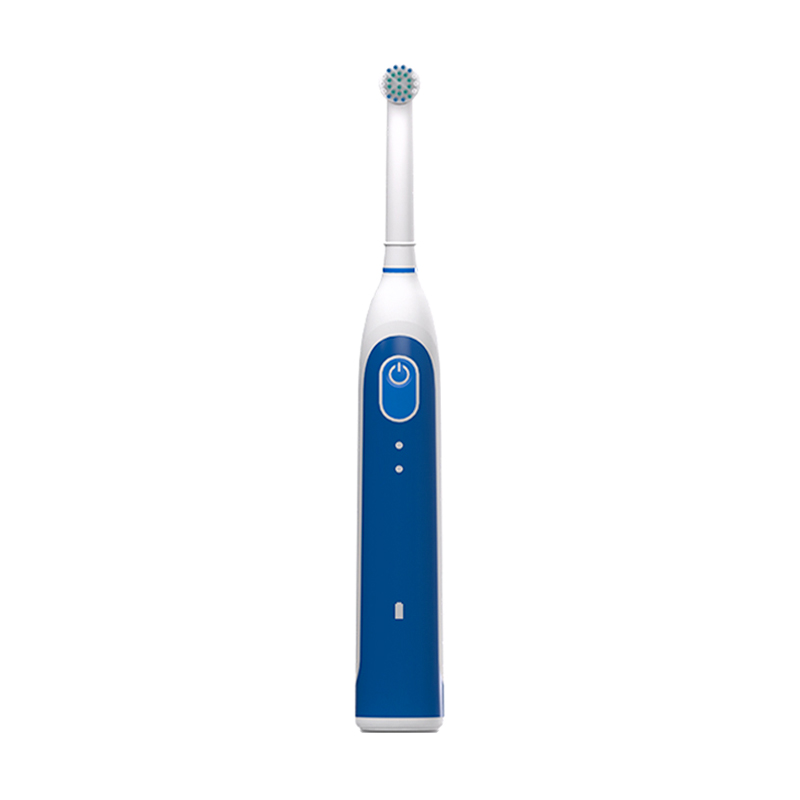
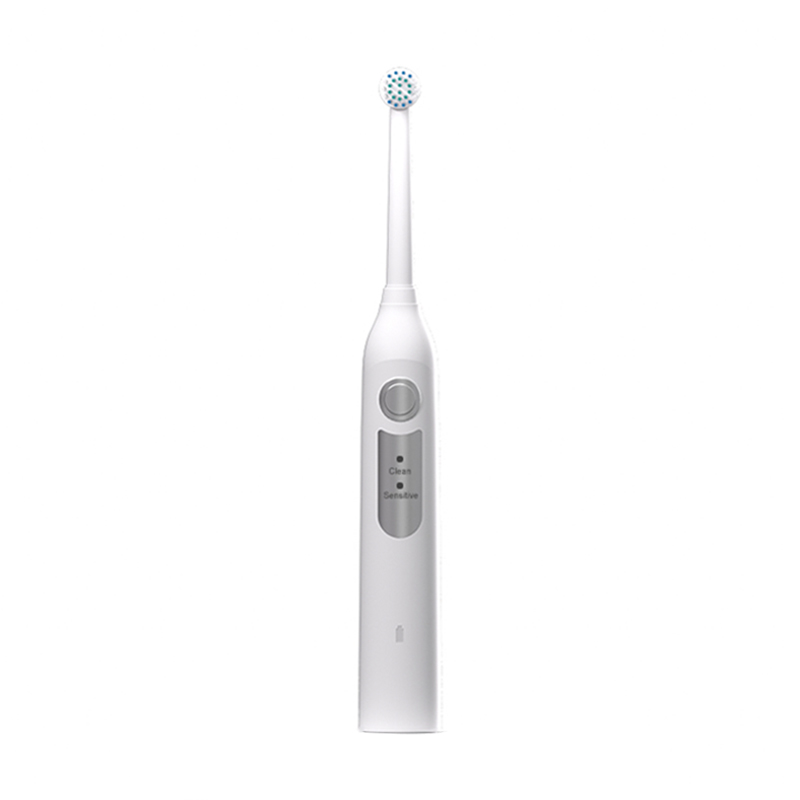
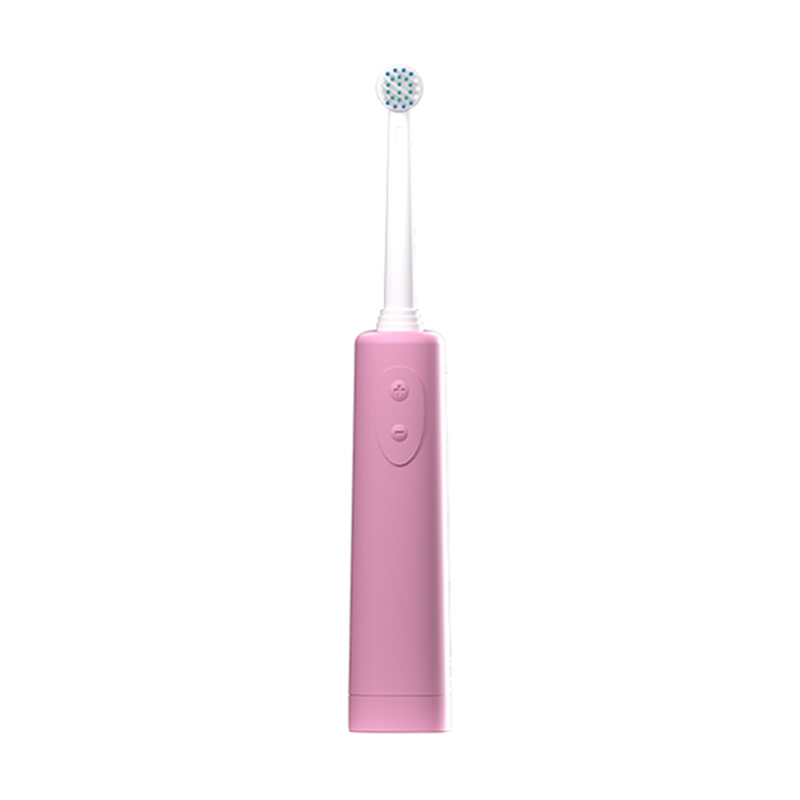
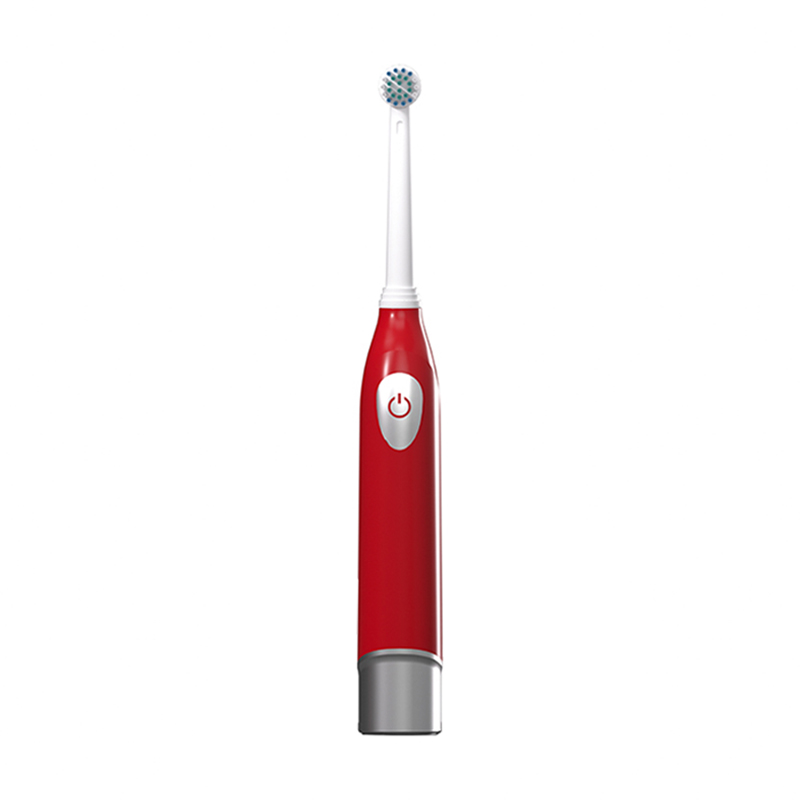
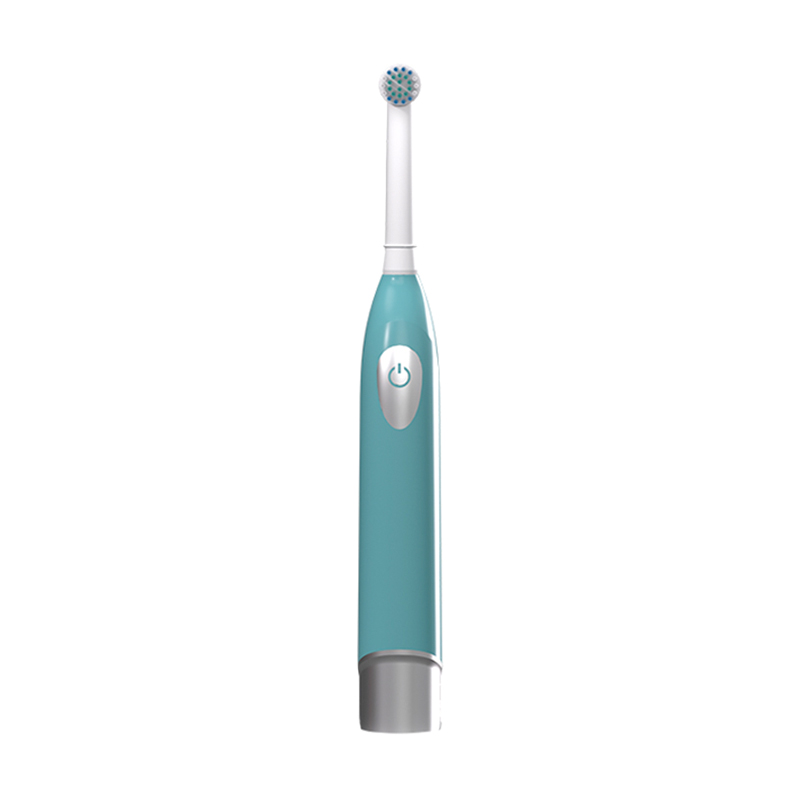
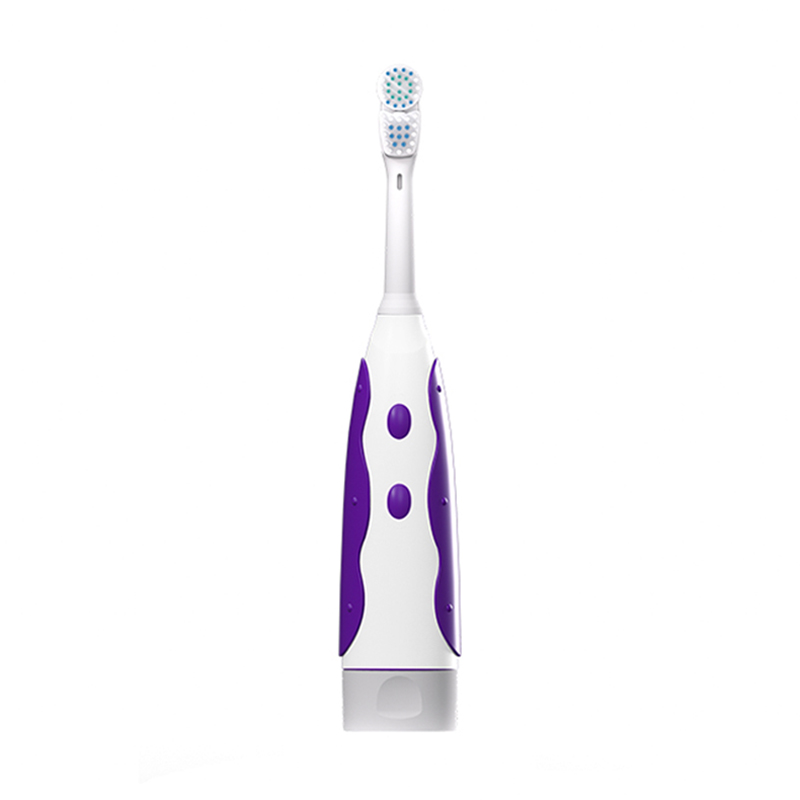
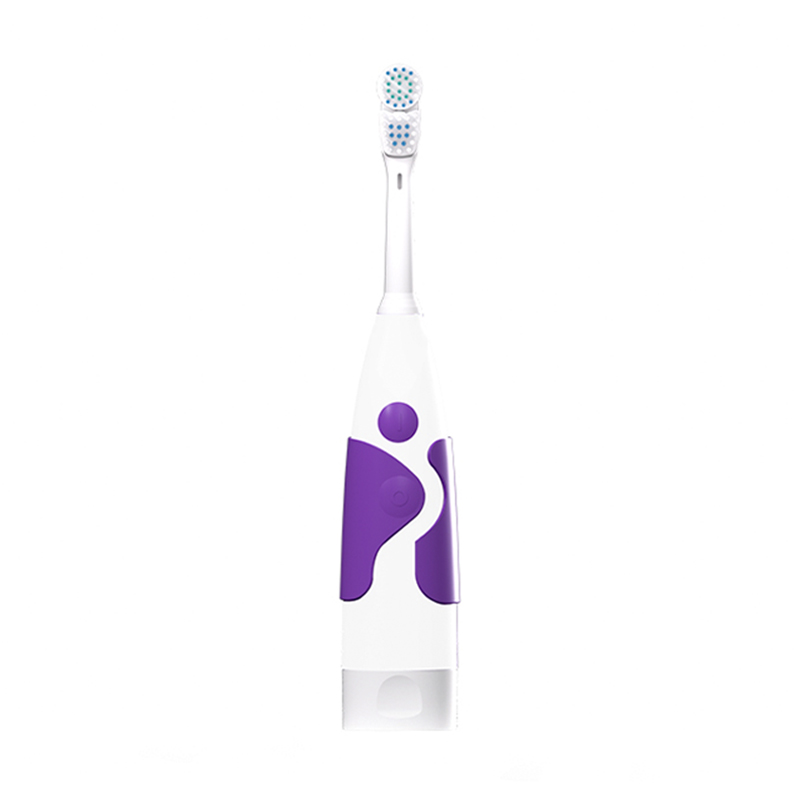
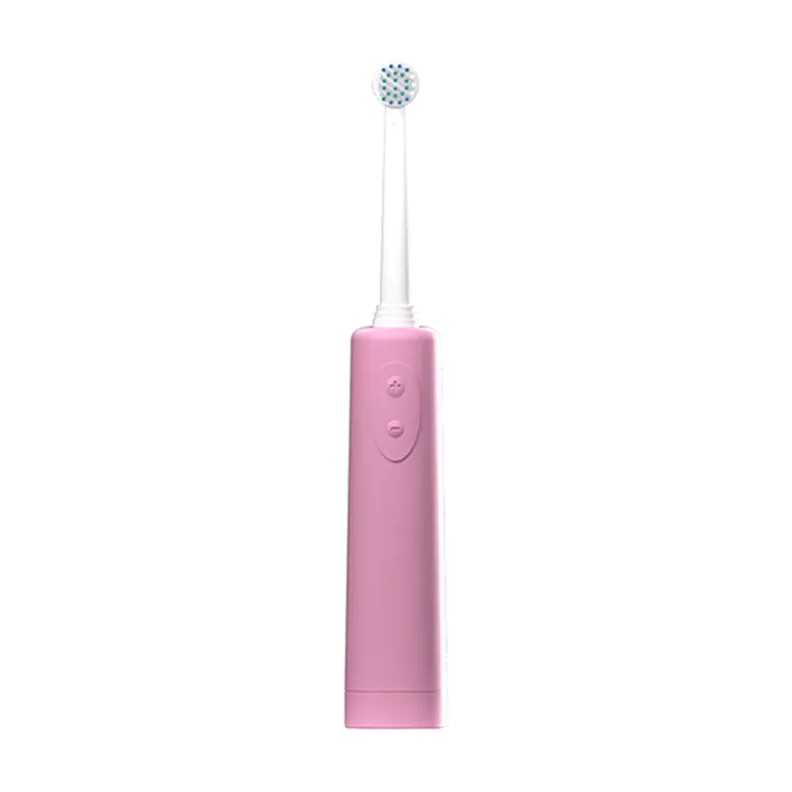
For a first powered brush, weight decides the outcome. A brush a three-year-old can hold at the right angle for two minutes beats one with more features that keeps sliding out of the hand. Battery models in bright colours with a compact round head are the usual starting format, and manufacturers such as Aolbea build them for exactly this age group.
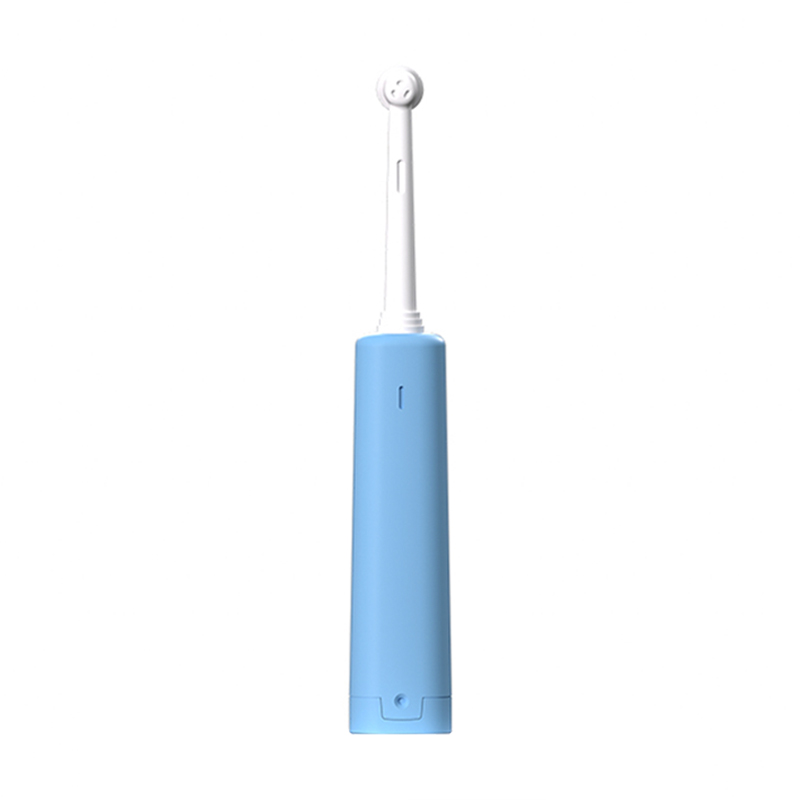 ALB-927 Colorful Kids Electric Toothbrush Battery Powered BrushA battery-powered kids toothbrush with a compact round head and soft Dupont bristles, designed to make gentle twice-daily cleaning easier for small hands.View Product →
One habit to set early: keep the brush and its spare head out of a sealed cup. A damp head in an enclosed space stays wet for hours, which is the opposite of what you want sitting next to the gums.
If your child is still under three
Under three the checklist is short and physical rather than technical.
- Head width of roughly 12 to 15 mm, so it fits between the cheek and the back molars.
- Extra soft bristles with rounded tips, since stiffer filaments irritate gums that are already tender from teething.
- A handle thick enough for a small fist, so the brush does not roll when the child takes over.
- No small detachable parts and no sharp moulding lines along the back of the head.
The job of the brush at this age is to let a parent clean gently twice a day without a fight. Super soft small head designs exist for that purpose rather than for scrubbing power, and they also make the later move to a powered brush less intimidating.
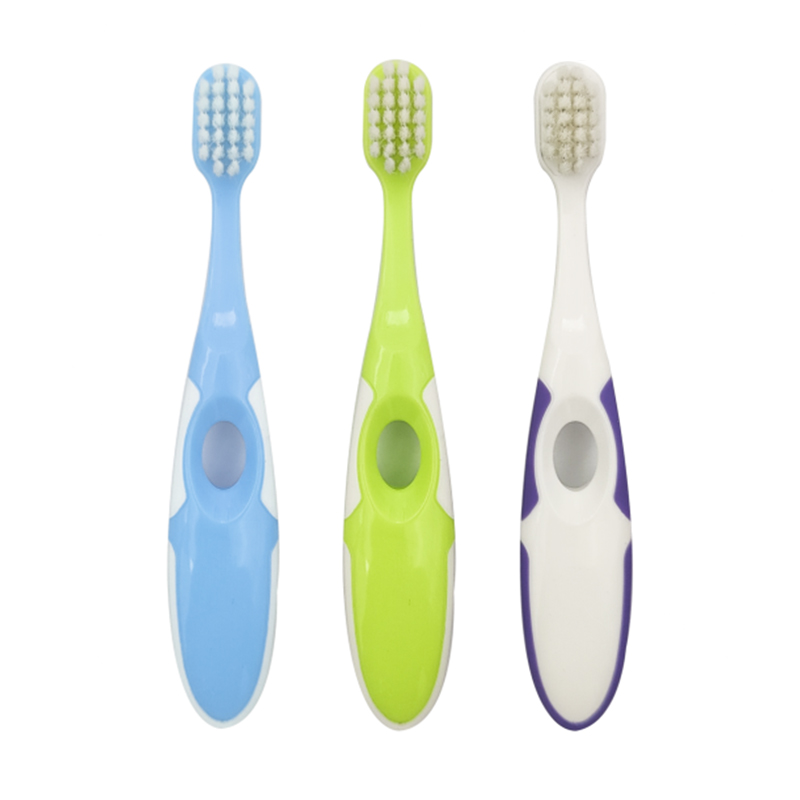 LB-4508 Kids Super Soft Small Head Manual ToothbrushA gentle manual toothbrush with velvety soft bristles and a small head, suited to parent-led brushing for young children before moving to powered brushes.View Product →
It is also worth knowing what soft bristles can and cannot do. They reduce irritation and reach into the groove of a tooth, but they do not replace fluoride toothpaste or a lower sugar frequency, which is the point covered in this look at whether soft-bristled small-head brushes help prevent early decay.
Six mistakes that cause trouble
- Buying an adult brush with a small head and calling it a kids brush. The handle is too long, the motor runs faster, and the head still measures 20 mm or more.
- Letting the child chew the head. Bristles splay within weeks and the plastic around the neck can crack.
- Skipping the timer because the beeping annoys the child. Two supervised minutes is the target, and the timer keeps the adult honest as much as the child.
- Storing the brush in a closed cup. Residual moisture in a sealed container is exactly why breathable handle and head designs exist.
- Treating the brush as a substitute for diet. How often sugar reaches the teeth matters as much as how well they are brushed.
- Replacing the head only when it looks worn out. Three months is the usual interval, sooner if the bristles have splayed.
Grip, spares and a simple setup order
Toddlers drop brushes. A grip zone that bulges slightly where the thumb sits, and a handle short enough that the head is not levered away from the tooth, keeps a session going longer than any cleaning mode.
A second manual brush in the bathroom is practical too, because some evenings a three-year-old will simply refuse the powered one, and a refusal should not turn into a missed brushing.
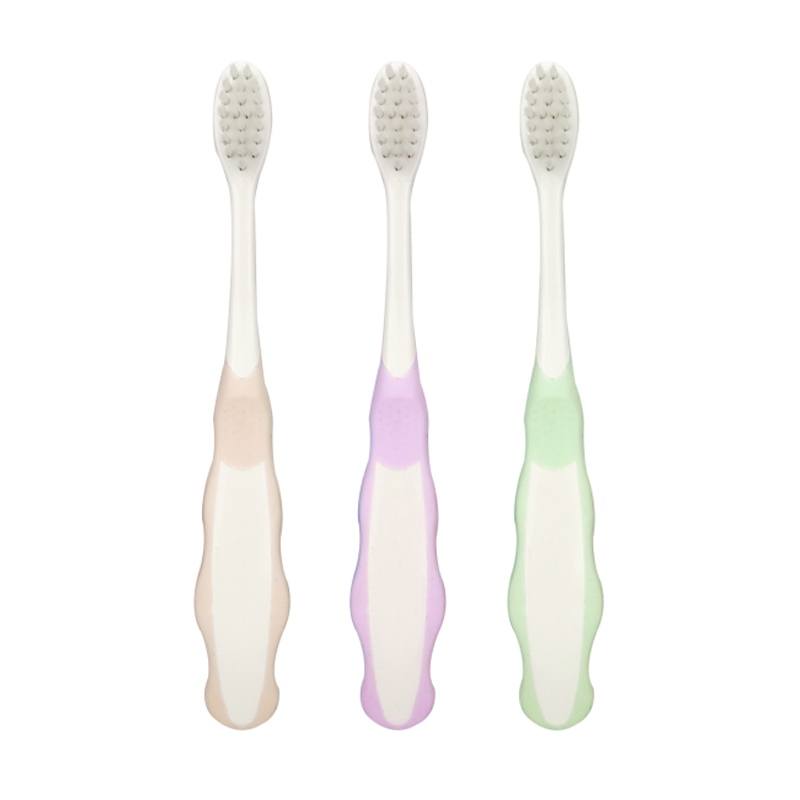 ALB-4511 Children's Soft Bristle Cleansing Small Head ToothbrushA compact manual toothbrush with soft filaments and a simple rubber handle, useful as a backup when a child refuses the powered brush.View Product →
- Start with a manual brush from the first tooth.
- Around age three, introduce the powered brush for one of the two daily sessions, usually the evening one.
- Load the battery or charge the brush away from the sink and out of reach.
- Brush in front of a mirror so you can see the back teeth and the child can copy the motion.
- Keep a spare manual brush and swap the powered head every three months.
Head size, bristle softness and weight decide how a toddler brushing session actually goes. Motor figures look impressive on a specification sheet, but they matter far less than whether the brush fits a small mouth and stays in a small hand.
Ningbo Aolbea Oral Care Products has been making oral care items in Yuyao, China since 1986 and takes part in drafting national and industry standards for toothbrushes and electric toothbrushes, including safety requirements and green design evaluation rules. Whatever you choose, plan on supervising until about age eight. The brush is a tool; the adult in the bathroom is the system.