
 English
 中文简体
中文简体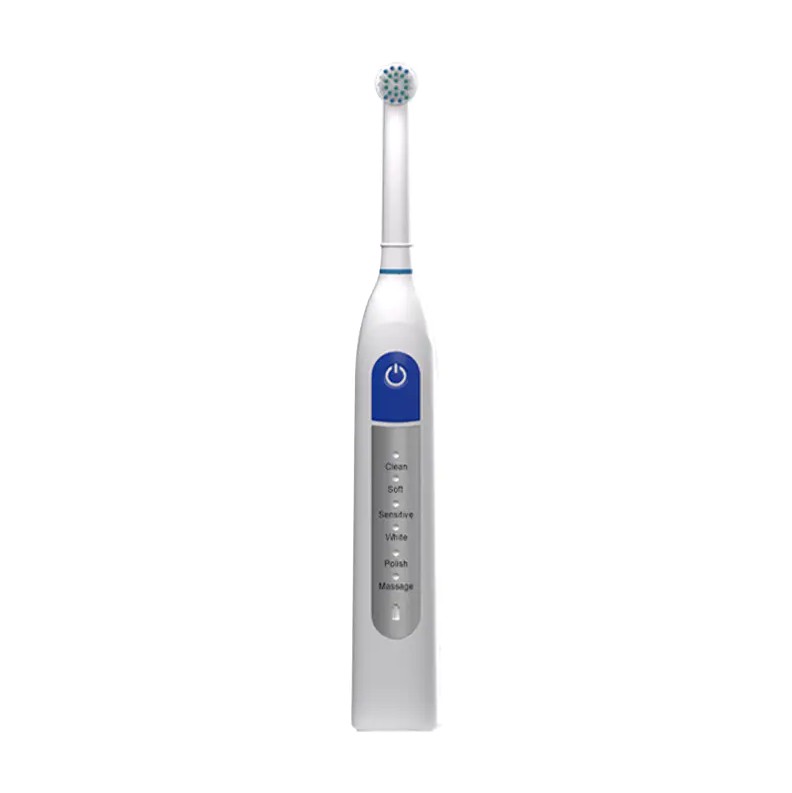
Phone:+86-13952799285
A hygienist scrapes along the gum line during a six month checkup and finds a rough band of buildup on the lower front teeth. The patient brushes twice a day and still asks why. Nothing dramatic changed. The brush stayed the same, the technique quietly drifted, and plaque kept forming in between.
The direct answer is that an electric toothbrush helps plaque control by removing the two most common points of failure, uneven hand motion and short brushing time. It will not sterilize the mouth, and it will not remove hardened tartar. Used well, powered brushes still outperform manual brushing in clinical comparisons, with roughly 20 percent greater plaque reduction and about 10 percent greater gingivitis reduction reported in systematic reviews. That advantage only appears when the head fits your mouth and the pressure stays light.
Content
- 1 What Plaque Control Actually Requires
- 2 Oscillating and Sonic Brushes Solve Different Problems
- 3 Bristle and Head Details That Decide Plaque Removal
- 4 Comparing the Main Options for Plaque Control
- 5 Technique and Timing Decide the Final Result
- 6 Matching the Brush to Your Gums, Age, and Routine
- 7 What to Check Before You Buy
What Plaque Control Actually Requires
Plaque is a soft biofilm of bacteria, saliva proteins, and food residue. It starts rebuilding within 12 to 24 hours of brushing and stays soft during that window, which is why daily disruption works. Left alone for several days, it absorbs minerals from saliva and hardens into calculus, or tartar.
That difference sets the practical goal. Tartar cannot be brushed away at home. Plaque can, and it collects in three places people miss most:
- The gum margin, where tooth meets soft tissue.
- The inner surface of the lower front teeth, where saliva deposits minerals fastest.
- The spaces between teeth and behind the last molars.
The size of the effect depends on the tool. In one clinical comparison, a multidirectional powered brush reduced mean plaque scores by 64.61 percent, an ultrasonic brush by 52.58 percent, and a manual brush by 29.18 percent in the same group of patients. Wider reviews point the same way, which is why powered brushes are now a routine recommendation for people who keep finding buildup at checkups. A closer look at whether electric toothbrushes really remove more plaque covers that research in plain language.
Oscillating and Sonic Brushes Solve Different Problems
Both mechanisms remove plaque, but they reach different areas. Oscillating rotating brushes use a small round head that turns back and forth, commonly around 6,000 oscillations per minute, and many models add a pulsating motion on top of the rotation. The round head cups each tooth so the filaments sweep the gum margin from both sides at once.
Sonic brushes sweep bristles side to side at roughly 20,000 to 33,000 vibrations per minute. The fluid movement around the filaments disrupts plaque slightly beyond direct bristle contact, which matters at tight contacts and along the gum line.
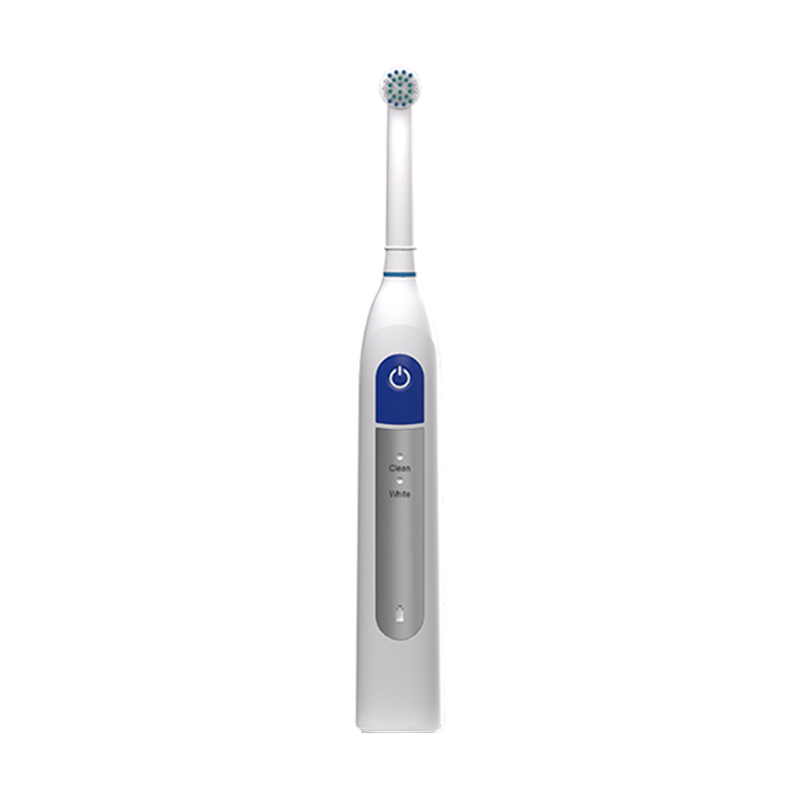
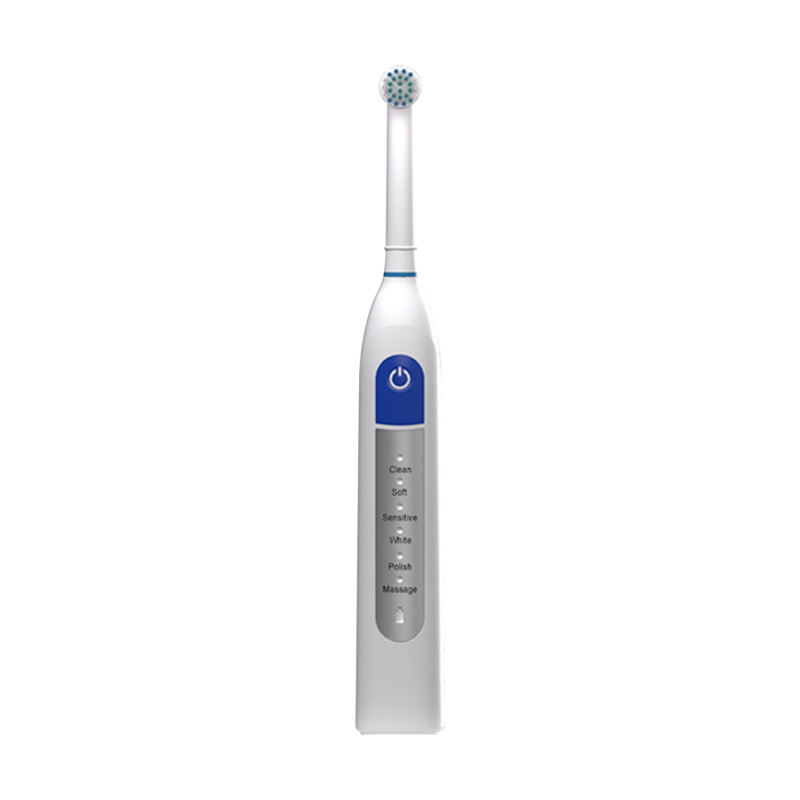
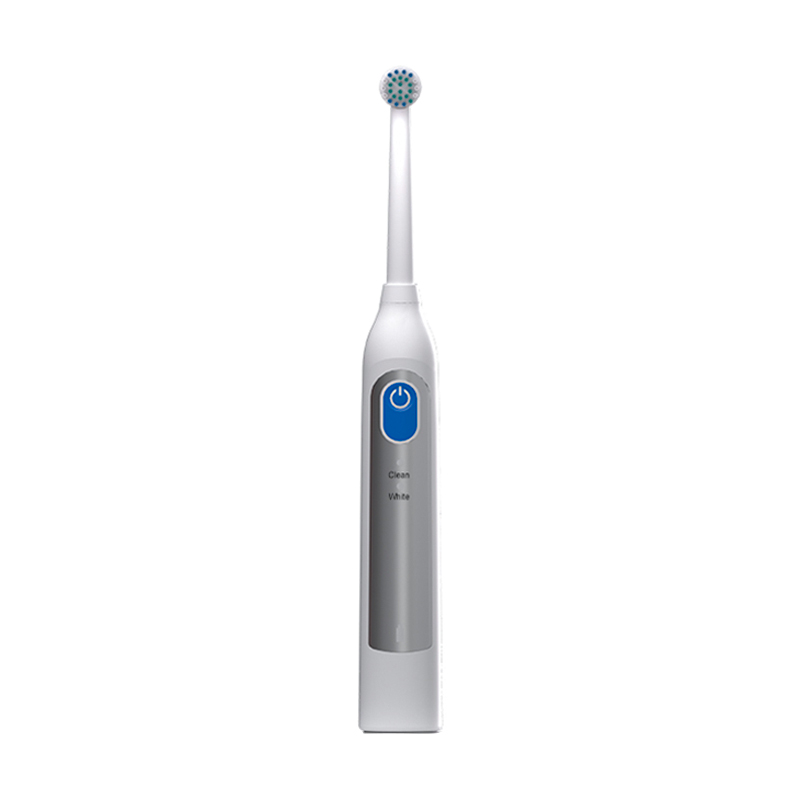
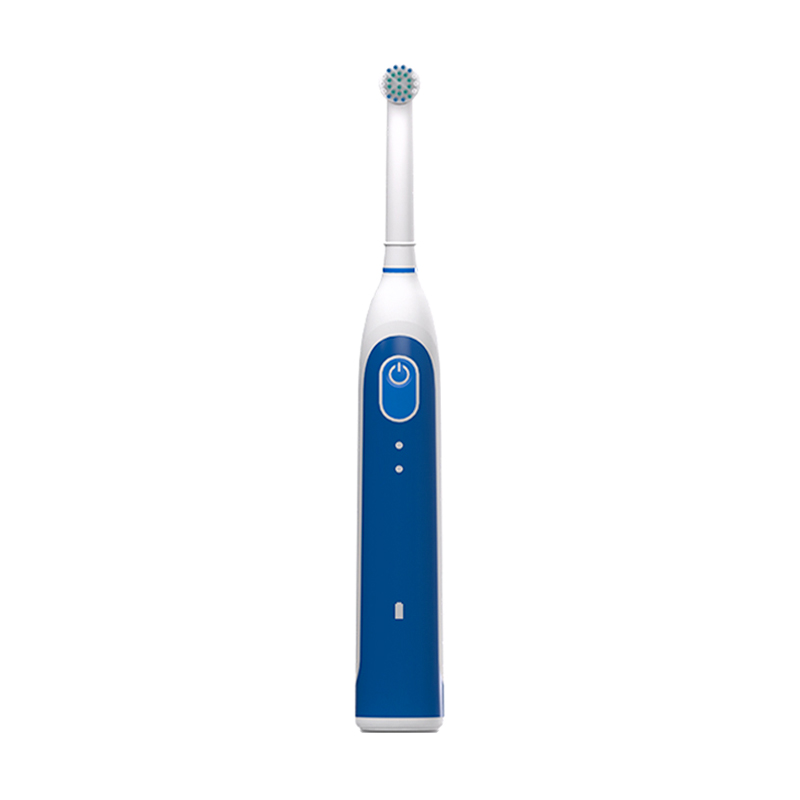
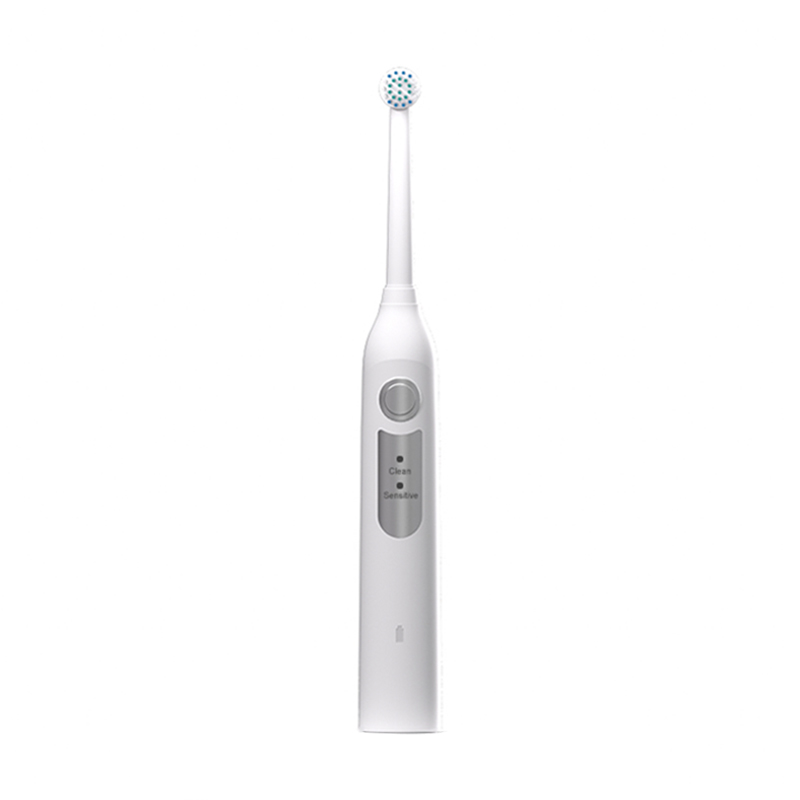
The choice usually comes down to where your plaque collects. Buildup along the gum margin and on flat surfaces responds well to an oscillating head with an intelligent timer and pressure feedback, such as the ALB9106 deep cleaning oscillating model. Tight spacing, braces, or reactive gums often suit a sonic brush with fine soft filaments, because it is easier to keep using twice a day.
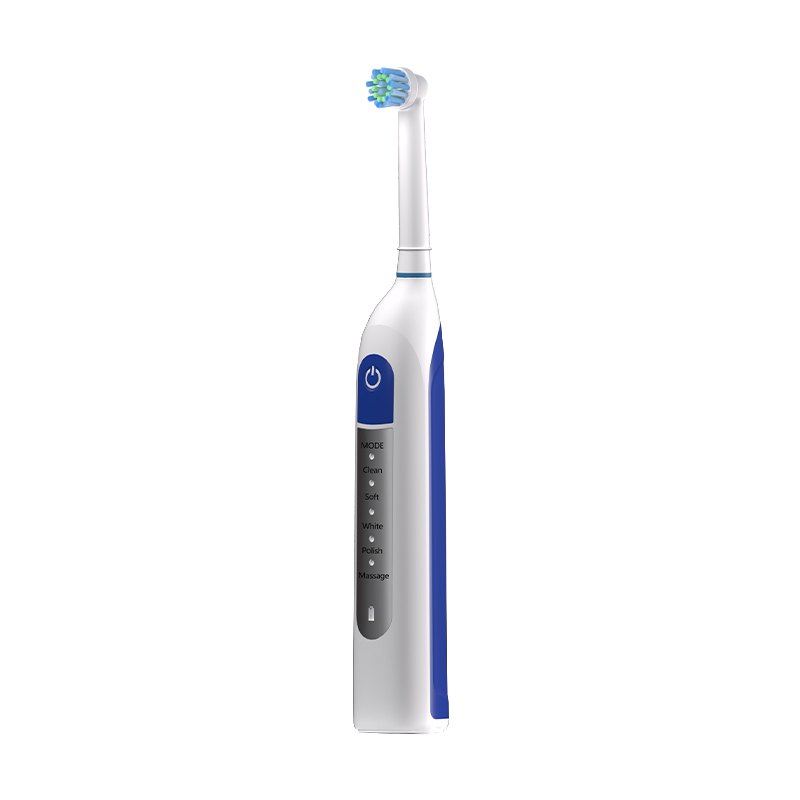 ALB-910-6 Deep Cleaning Oscillating Electric Toothbrush With Intelligent Timingred,blue,customized colorView Product →
Bristle and Head Details That Decide Plaque Removal
Two brushes can share the same frequency rating and still clean very differently, because the filaments do the actual work. Four details matter more than marketing copy:
- Rounded filament ends. Polished, dome shaped tips lift plaque at the gum margin without cutting soft tissue. Sharp cut ends are one reason some users bleed after switching brushes.
- Filament density. High density fine filaments place more contact points against the tooth per stroke, which improves coverage on curved surfaces and in the grooves between teeth.
- Waviness. A wavy bristle profile follows the contour of the tooth and reaches slightly into the gingival margin, which a flat trimmed head cannot do as evenly.
- Moisture control. Water left in the tuft holes after rinsing becomes a place for bacteria to regrow. Breathable hole designs reduce that residual moisture between uses.
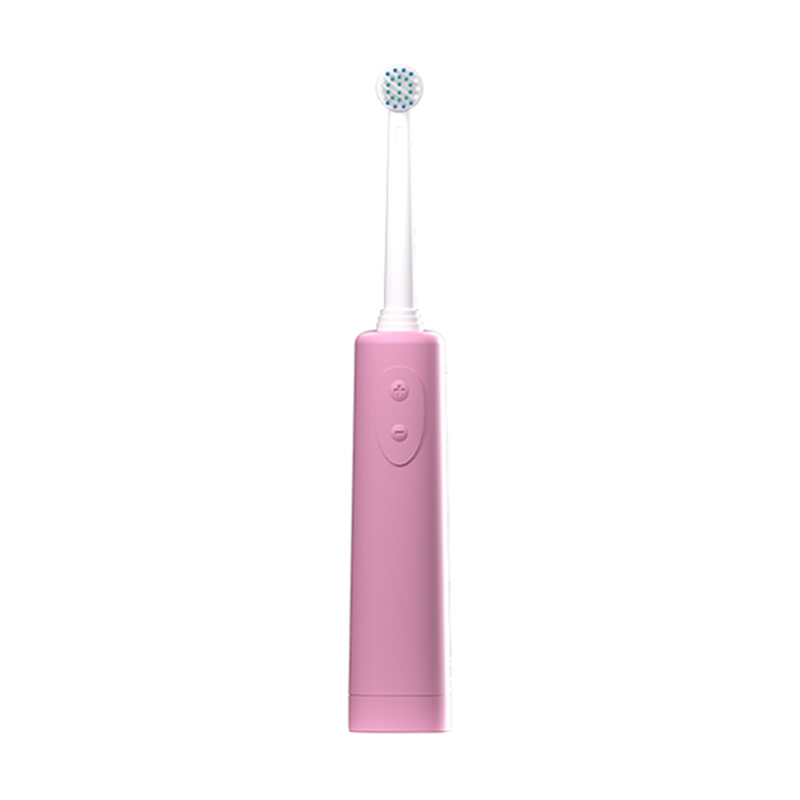
Copper free tufting and ultrasonic welding are worth knowing about as well, because they hold filaments in place without metal anchors and keep the head intact through months of vibration. A soft filament sonic option such as the ALB969 rechargeable model applies all four points in one handle.
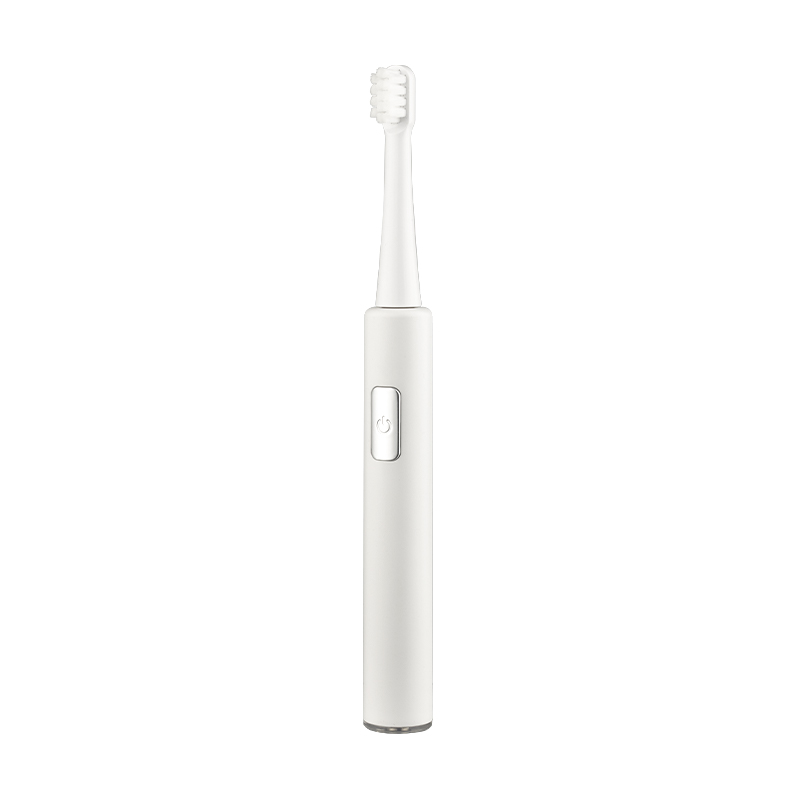 ALB-969 Adult USB Rechargeable Sonic Electric Toothbrush Soft And Cleaningwhite,pink,black,customized colorView Product →
Comparing the Main Options for Plaque Control
| Brush type | Mechanism | Plaque removal character | Often chosen by | Practical notes |
|---|---|---|---|---|
| Oscillating rechargeable | Round head rotates and pulsates, often near 6,000 oscillations per minute | Strong at the gum margin and on accessible surfaces | Users who want guided timing and pressure feedback | Higher upfront cost, head replacement cost over time |
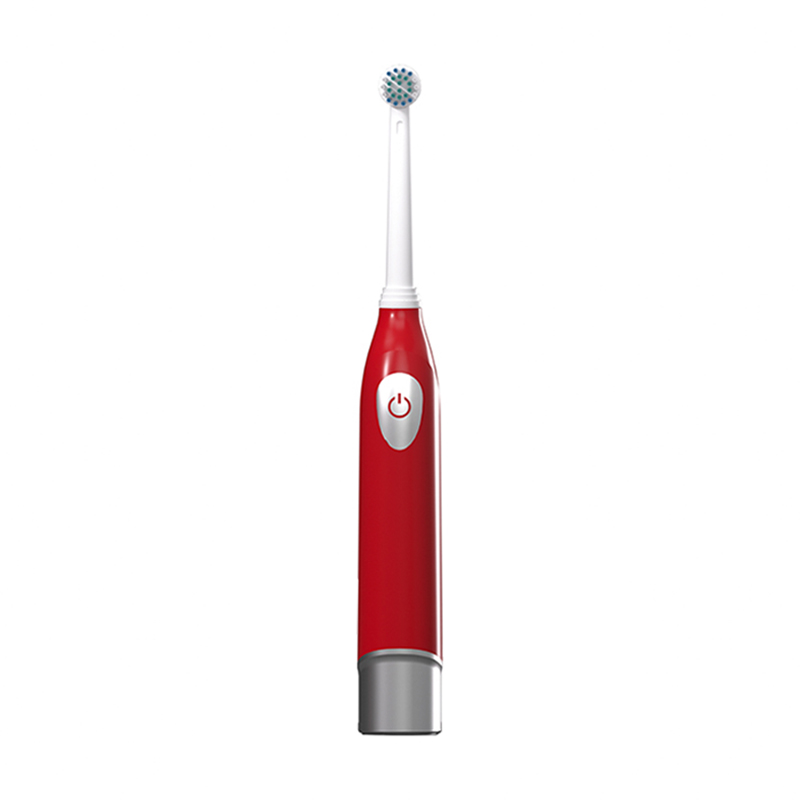
| Oscillating battery | Same rotating head motion, powered by replaceable cells | Solid daily removal, softer as battery voltage drops | Travel, second brush, budget buyers | Replace cells regularly to keep speed consistent |
| Sonic rechargeable | 20,000 to 33,000 vibrations per minute with sweeping bristles | Good in tight contacts and along the gum line | Sensitive gums, tight spacing, orthodontic wearers | Feels different from rotation, needs light pressure |
| Sonic battery | Sweeping motion at lower sustained power | Adequate for maintenance brushing | Occasional use and backup brushes | Battery life varies by model, check the rating |
| Manual | Hand driven strokes, roughly 100 to 300 per minute | Depends entirely on technique and duration | Users who brush thoroughly and consistently | Lowest cost, least forgiving of rushed technique |
Technique and Timing Decide the Final Result
A powered brush compensates for weak technique up to a point. The motion is consistent, but coverage still depends on where you place the head. This sequence works for both mechanisms:
- Set two minutes and give each quadrant 30 seconds.
- Angle the filaments about 45 degrees toward the gum margin.
- Use light pressure and let the motor do the work.
- Guide the head slowly tooth by tooth instead of scrubbing back and forth.
- Rinse the head and let it air dry upright.
- Replace the head every three months, or sooner if the filaments splay.
Timers matter more than they sound. Most people stop at 45 to 60 seconds without a cue, which leaves the inner surfaces of the molars untouched. A two minute timer with quadrant pacing closes most of that gap on its own.
Matching the Brush to Your Gums, Age, and Routine
- Receding or sensitive gums: sonic handle with soft, fine filaments and a low pressure habit.
- Children: smaller head, gentler vibration, and supervision until the habit holds.
- Limited grip strength: longer handle plus USB charging with long standby time.
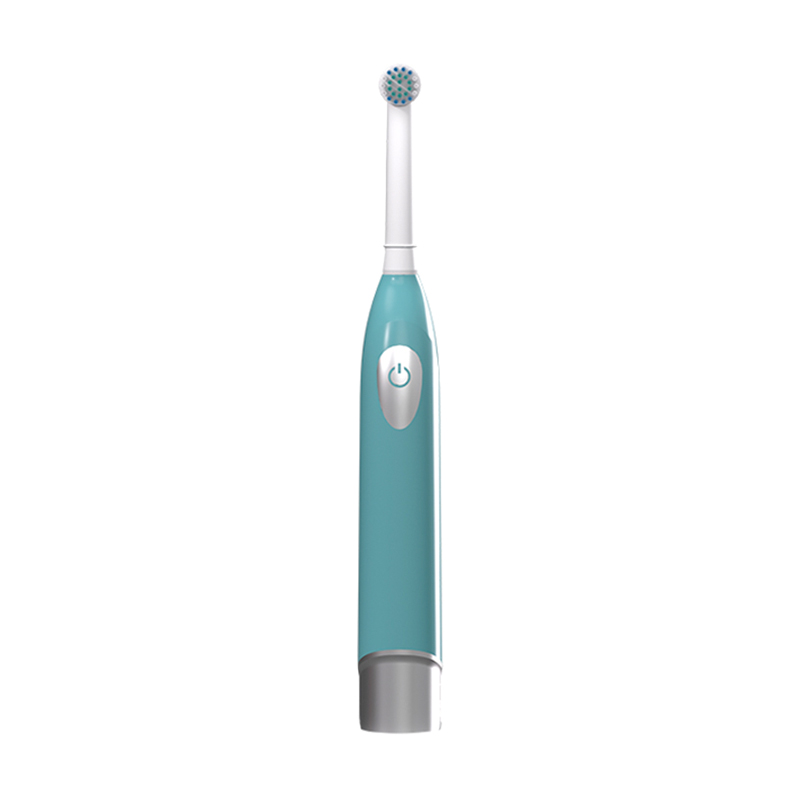
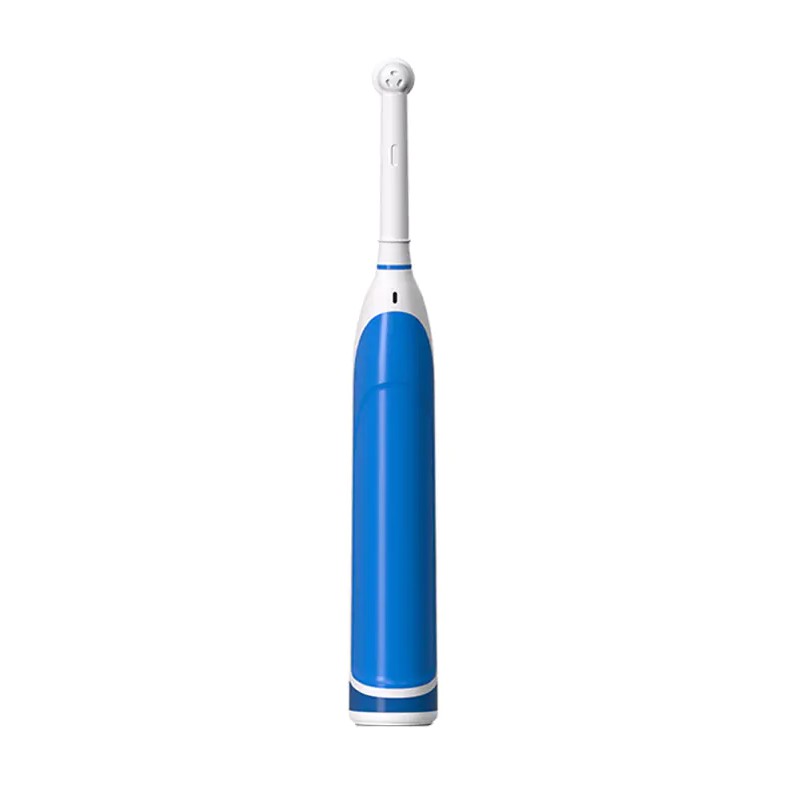
- Frequent travel: a compact battery powered model such as the ALB3025 round head rotary brush, rated IPX4, avoids charger bags altogether.
- Two users in one household: separate handles, so heads are never shared.
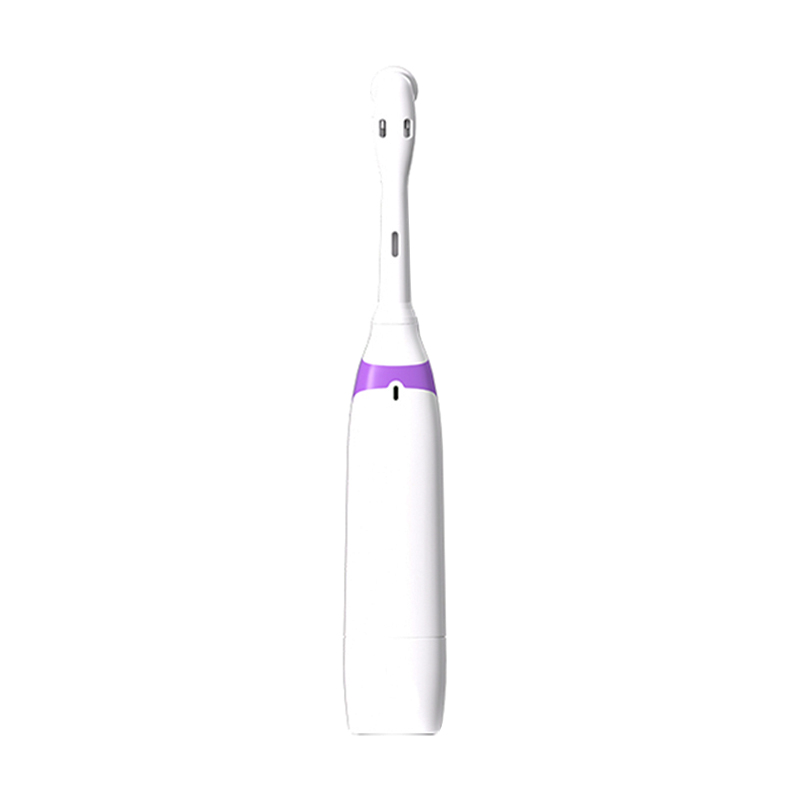 ALB-3025 Round Head Rotary Electric Toothbrush Adult Cleaning Teeth IPX4orange,green,blue,customized colorView Product →
What to Check Before You Buy
Frequency claims and app features get the attention, but the practical purchase risks sit elsewhere. Check these before ordering, whether you buy one brush or a container load:
- Replacement head supply and the two year cost of heads, not just the handle price.
- Water resistance rating, IPX4 for splash protection against IPX7 for immersion.
- Battery type, charging method, and realistic standby time.
- Timer and pressure sensor, since these drive long term compliance.
- Filament end rounding and tufting method, stated in writing rather than implied.
It also helps to know who makes the brush. Manufacturers that helped draft national standards for electric toothbrushes, including the product standard and the green design evaluation specification, work against published test criteria for vibration frequency and safety. Ningbo Aolbea Oral Care Products, based in Yuyao, has produced oral care items since 1986 and holds more than 130 patents across manual and powered brushes, a background that shows up in head geometry and filament choices rather than in marketing wording.
Plaque control is a daily routine, not a single purchase. Brush for two minutes twice a day, angle the head toward the gum margin, keep the pressure light, clean between the teeth, and replace the head before the filaments splay. Choose an oscillating brush if your buildup sits on accessible surfaces, a sonic brush if your contacts are tight or your gums are reactive, and a battery model if you travel often. Then let the next checkup tell you whether it worked.