
 English
 中文简体
Phone:+86-13952799285
A toothbrush that survives a rinse under the tap is not the same as one that survives five years in a wet bathroom. If the letters IPX7 keep appearing while you compare sonic toothbrushes, here is the short answer: IPX7 means the handle was tested for 30 minutes of immersion at a depth of 1 meter. That is a real and useful result, but it is a narrow one. It says nothing about steam, hot water, toothpaste slurry, or how the seals will behave after two years of daily use.
The rating is still worth having, and worth reading carefully. The rest of this guide explains what the test actually involves, where the protection stops, and how to look after a sealed sonic handle so the claim still holds next year.
Content
What IPX7 Actually Certifies
Waterproof claims on electric toothbrushes usually follow IEC 60529, the standard that defines ingress protection, shortened to IP. The code has two digits. The first covers solids such as dust. The second covers water. In IPX7, the X means the manufacturer is not claiming a dust rating, and the 7 is the water result.
The 7 is defined as immersion for 30 minutes at a depth between 15 centimeters and 1 meter, in still fresh water, with the product at room temperature and any port covers closed as they would be in normal use. After the immersion the sample is opened and inspected for water that has reached live parts or that could interfere with operation.
| Rating | Tested condition | Typical real world exposure | What it does not cover |
|---|---|---|---|
| IPX4 | Splashing water from any direction | Sink splash, damp countertop | Immersion, running tap |
| IPX5 | Water jet from a 6.3 mm nozzle | Rinsing under a tap | Immersion |
| IPX6 | Powerful jet from a 12.5 mm nozzle | Strong rinse, shower spray | Long immersion |
| IPX7 | Immersion of 1 meter for 30 minutes | Dropped into a filled basin | Hot water, steam, damaged seals |
| IPX8 | Immersion defined by the manufacturer | Varies by product claim | Not automatically better than IPX7 |
Note the shape of the test. There is no flow, no soap, no heat and no vibration during the immersion. A sonic brush in real life vibrates at tens of thousands of strokes per minute while wet toothpaste runs down the shaft. That does not invalidate IPX7, but it explains why a tested rating and a long service life are two different things.
One more point on the code. IPX8 is set by the manufacturer and is not automatically stronger than IPX7. Some IPX8 conditions are deeper for longer, others are shallower. For a bathroom product, a clear IPX7 statement with a named standard is often more informative than a vague IPX8 claim.
Why Water Ingress Matters More on a Sonic Handle
A manual toothbrush is one piece of plastic. A sonic toothbrush is a motor, a battery, a circuit board, a charging interface and a switch, all pressed into a handle that lives in the wettest room in the house. Every one of those interfaces is a possible path for water.
The places water usually wins are predictable:
- The shaft seal where the brush head couples to the motor.
- The switch membrane, which flexes thousands of times and can lift at the edge.
- The charging port cover, especially the small gasket users open with a fingernail.
- Exposed metal charging pins, which corrode rather than leak.
- Seam lines between the handle shell and the trim ring.
High frequency vibration makes this harder, not easier. A handle running at 33,000 vibrations per minute pushes moisture and diluted toothpaste into any gap that is not fully compressed. Early warning signs are a sticky power button, a faint musty smell near the head, cloudy residue inside the port cover, or a brush that stops charging reliably after a rinse. If you want the background on how the cleaning mechanism works, this explanation of why sonic brushes are considered effective covers the motion and the plaque removal side.
The Gaps an IPX7 Label Leaves Open
- Hot water. The test runs at ambient temperature. Water hot enough for a bath can soften gaskets and sits outside the rated conditions.
- Steam. Steam moves into gaps that liquid water cannot, and a sealed handle that cools after a hot shower can draw moisture inward.
- Soap and toothpaste. These leave a film that dries, cracks and can hold a port cover slightly open.
- Physical damage. A drop onto tile can distort the shell enough to break a seal, and the rating only applies to an undamaged unit.
- Charging while wet. Water on the contacts or inside an open port is a separate risk that has nothing to do with the IP number.
- Pool and sea water. Chlorine and salt are more aggressive than the still fresh water used in the test.
How to Check a Waterproof Claim Before You Buy
Marketing pages say waterproof. Spec tables say numbers. Buy from the numbers.
- Find the second digit and the standard. A credible listing states IPX7 to IEC 60529 rather than waterproof alone.
- Confirm what is rated. Some claims cover the handle only, with the head removed.
- Look at the charging design. Inductive charging removes an exposed port entirely, while USB charging depends on a cover and its gasket.
- Read the warranty wording. If water damage is excluded, the rating is a manufacturing claim, not a service promise.
- Check the rated temperature range if the brush will be stored in a shower.
- Ask how the button is sealed, because it is the most common entry point on any rechargeable handle.
Daily Habits That Keep the Inside Dry
- Rinse the head, not the whole handle. Hold the handle upright so water runs away from the button and the port.
- Shake off excess water and stand the brush upright to air dry, with the head removed if the design allows it.
- Dry the port cover and the area around it before closing, and leave it open for an hour once a week.
- Wipe the charging contacts dry before placing the brush on its base.
- Keep the brush out of standing water. A cup that collects water at the bottom keeps the base of the handle wet for hours.
- Replace the head every three months and clean the shaft area with a damp cloth rather than under a running tap.
Matching the Rating to Your Bathroom
IPX7 is enough for most households, provided the brush is not stored in a puddle. Three situations are worth thinking through before you choose a model.
- Shared family bathroom. Several users, one crowded shelf, frequent splashing. Prioritize a sealed charging design and a stable stand that does not tip into the basin.
- Shower storage. Constant humidity and hot water sit outside the rated conditions. If the brush lives in the shower, look for a stated temperature range and still dry it outside the shower each day.
- Travel. A sealed travel case protects the button and port from pressure changes and from being crushed in a bag.
Inside the Sonic Range at Aolbea
Ningbo Aolbea Oral Care Products, based in Yuyao, has been making oral care products since 1986 and started as a mold design and plastics factory. That background matters here, because seal geometry and shell fit are manufacturing problems before they are marketing points. The company has taken part in drafting and revising several national and industry standards, including the standard for electric toothbrushes and the green design evaluation guideline for electric toothbrushes.
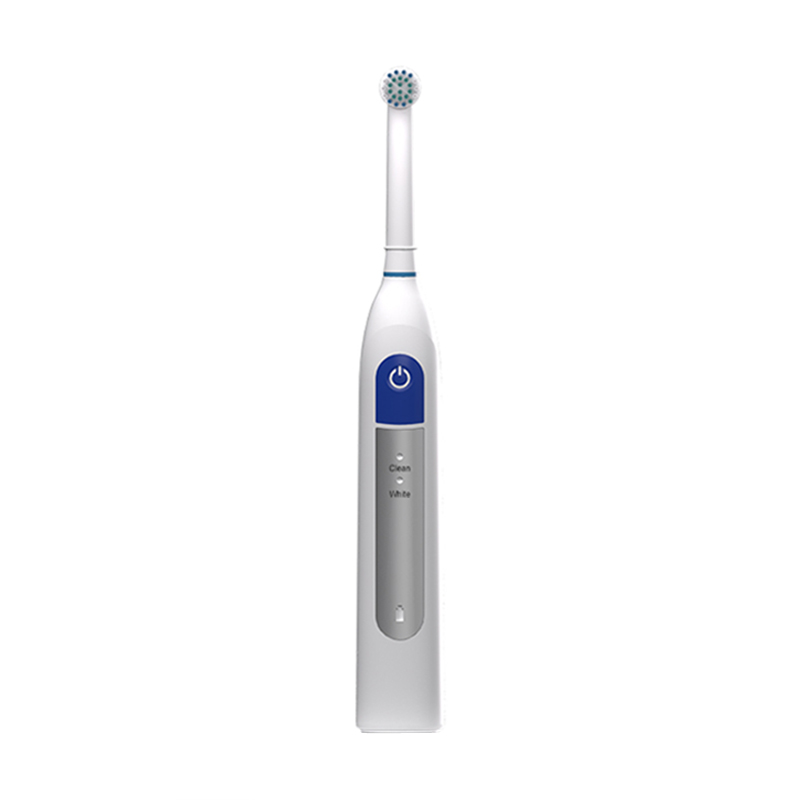
The sonic rechargeable electric brush range covers USB charging, inductive charging and long standby models, with features such as two minute timers and smart brushing reminders. Ratings and features differ by model, so match the spec sheet of the exact unit to the way you actually store your brush.
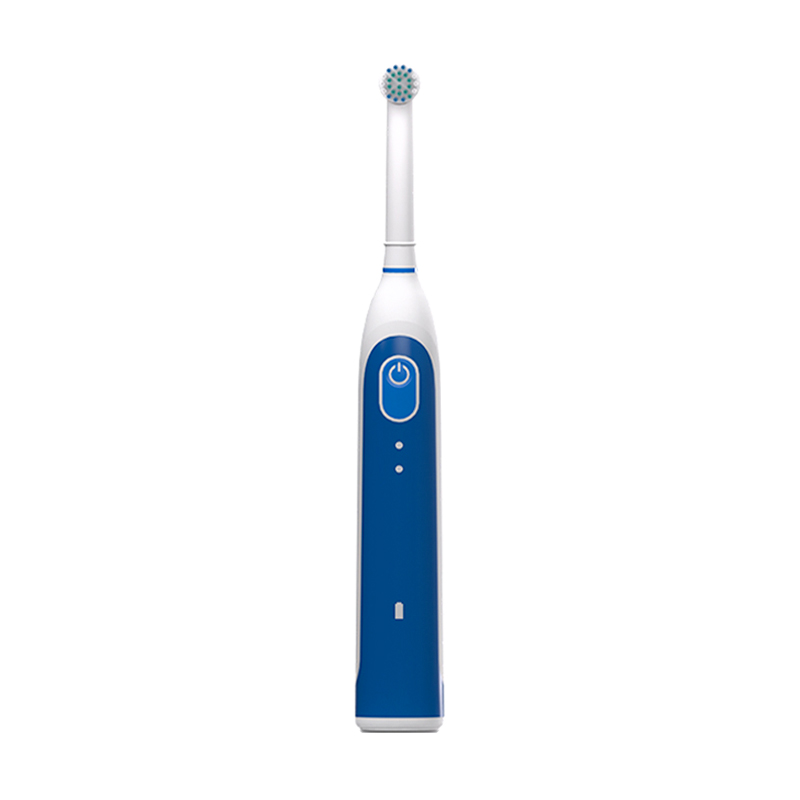
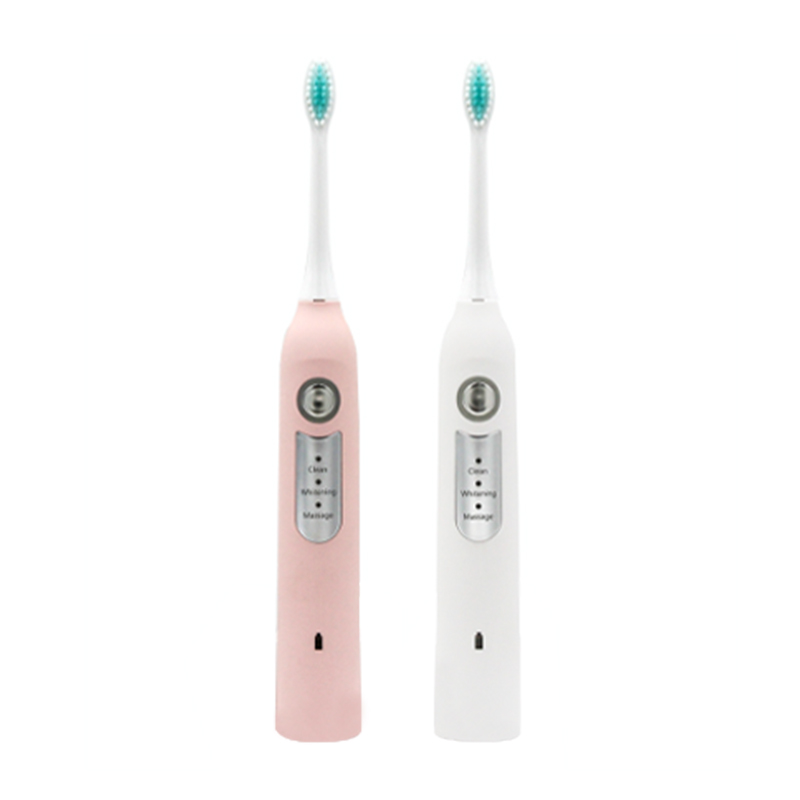 ALB948 Adult Inductive Charging Sonic ToothbrushPort-free inductive charging and a smart brushing reminder make this sonic toothbrush a practical fit for a shared bathroom counter.View Product →
If the charging port is your main concern, the ALB948 adult inductive charging model removes the exposed port altogether and adds a smart brushing reminder, which suits a shared bathroom where the base stays on the counter.
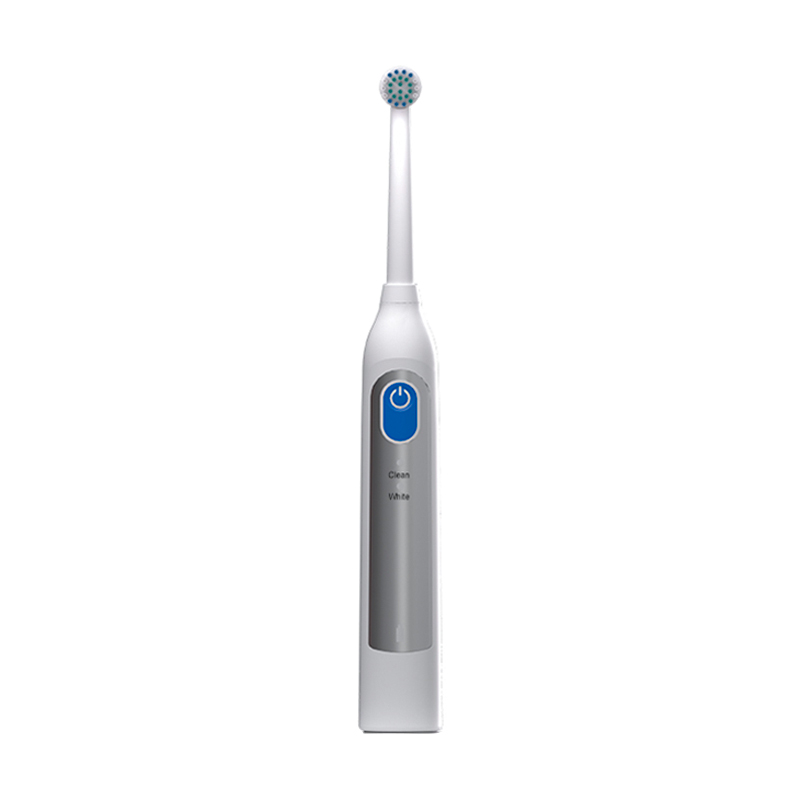
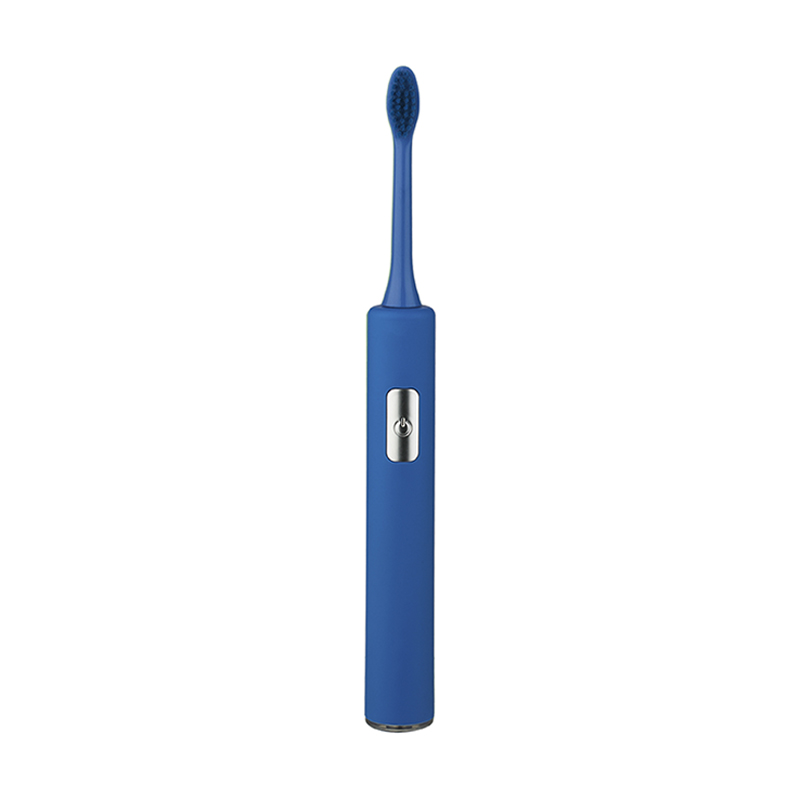 ALB959 USB Rechargeable Sonic Toothbrush for Cleaning and WhiteningA simpler USB-charged sonic option for cleaning and whitening, with a port cover that needs drying before it is closed.View Product →
For a simpler USB charged option, the ALB959 USB rechargeable sonic model is built around cleaning and whitening. With this design the port cover and its gasket do the work, so drying the cover before closing it becomes part of the routine.
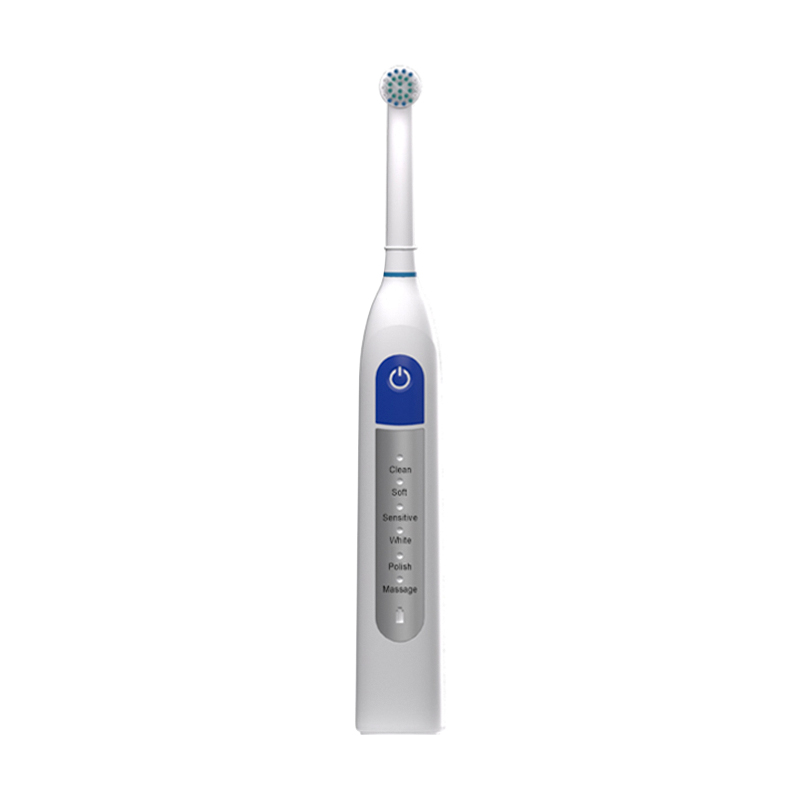
 ALB962 Super Long Standby Sonic ToothbrushAbout 180 days of use per charge helps reduce charging cycles, making this five-mode sonic toothbrush suited to travel and everyday routines.View Product →
Travellers who dislike packing a charger should look at the ALB962 super long standby model, where fewer charging cycles means fewer occasions for water to reach the contacts.
Final check. IPX7 tells you the handle survived half an hour under a meter of still water, which is a reasonable benchmark for a bathroom appliance and a poor guarantee against steam, hot water and worn gaskets. Buy from a stated standard, prefer a sealed charging design where you can, and dry the handle before it goes back on the base. Do those three things and the rating will keep meaning what it was supposed to mean.