
 English
 中文简体
Phone:+86-13952799285
A brush head that still smells of mint but looks dull at the edges is rarely the problem. The real problem is the film you cannot see: toothpaste residue, saliva, and bacteria in the gap where the head meets the shaft, plus water trapped in the tuft holes overnight.
Deep cleaning an electric toothbrush is a ten minute job you do once a week, backed by a thirty second rinse every night. It does not involve boiling water, a dishwasher cycle, or dunking a handle that was never rated for it. Done consistently, a head stays fresh for its full three months and the handle outlasts several of them.
A complete deep clean reaches five places: the head, including the underside that clicks onto the shaft; the shaft and its rubber seal; the handle body, buttons, and charging contacts; the charging base or travel case; and the cup or holder where the brush is stored.
Content
- 1 The Weekly Deep Clean in Seven Steps
- 2 What to Soak the Brush Head In
- 3 Cleaning the Handle Without Killing It
- 4 Moisture Is the Real Enemy, Not Visible Dirt
- 5 How Often to Do What
- 6 Storage and Travel
- 7 When to Replace the Head Instead of Cleaning It
- 8 Features That Make Deep Cleaning Easier
- 9 Common Questions
The Weekly Deep Clean in Seven Steps
- Pull the head off. Most heads release with a firm straight pull. If two people share a handle, clean both heads in the same session.
- Rinse for 15 seconds. Work your thumb between the tufts under warm running water, pushing paste out from the base of the bristles rather than only across the tips.
- Soak the head. Stand it bristles down in a small cup of one of the solutions below for 10 to 20 minutes. Only the bristles and the neck need to be covered.
- Wipe the shaft and seal. A paste ring builds up there within days. Lift it with a damp cloth and a soft brush, then dry the area. On a handle rated IPX4 or lower, keep running water away from the shaft opening.
- Clean the handle body. Wipe with a damp cloth and a drop of mild soap. Do not hold it under the tap, keep liquid out of the charging contacts, and dry it straight away.
- Wash the base and holder. Rinse, dry, and check that no water is sitting in the recess where the handle rests. A damp base is the most common source of a musty bathroom smell.
- Reassemble dry. Push the head back on only when both parts are dry, then stand the brush upright with the head open to the air.
What to Soak the Brush Head In
Four liquids do most of the work, and each has a limit.
| Solution | Soak time | Best for | Watch out for |
|---|---|---|---|
| 3 percent hydrogen peroxide | 10 to 15 minutes | Weekly bacterial clean | Fades colored bristles; keep away from children |
| Antibacterial mouthwash | 15 to 30 minutes | A head that smells stale | Alcohol dries bristles and can tint them over time |
| White vinegar with a pinch of baking soda | 5 to 10 minutes | Hard water film and mineral deposits | Strong smell; rinse well; never seal in a closed container |
| Mild dish soap in warm water | 10 minutes | Everyday paste residue | Poor rinsing leaves soap inside the tufts |
What to avoid is just as specific. Boiling water softens the nylon and distorts the plastic collar that holds the tufts. A dishwasher adds heat and detergent to the same damage. Bleach left on a metal shaft corrodes the plating, and a microwave is never an option. Plain warm water is fine for a quick rinse, but it will not break down biofilm on its own, which is why the soak earns its ten minutes once a week.
Cleaning the Handle Without Killing It
The number that decides how wet you can go is the IP rating. IPX4 means splash resistant, so a damp cloth is the limit. IPX7 means the sealed body survives immersion in one meter of water for 30 minutes, which makes rinsing the lower body and the shaft area far easier.
Waterproof on paper is not waterproof in practice if a charging flap is open or a seal has hardened. Check three points before any wet clean: the gasket around the shaft, the cover over the charging port, and the button membrane. If liquid gets inside, stop using the brush, shake it gently, and leave it in a warm dry place with the head removed for 24 to 48 hours. Do not charge it while wet.
If you are buying a handle that is genuinely easy to keep clean, the rating in the specification table matters more than the product photos.
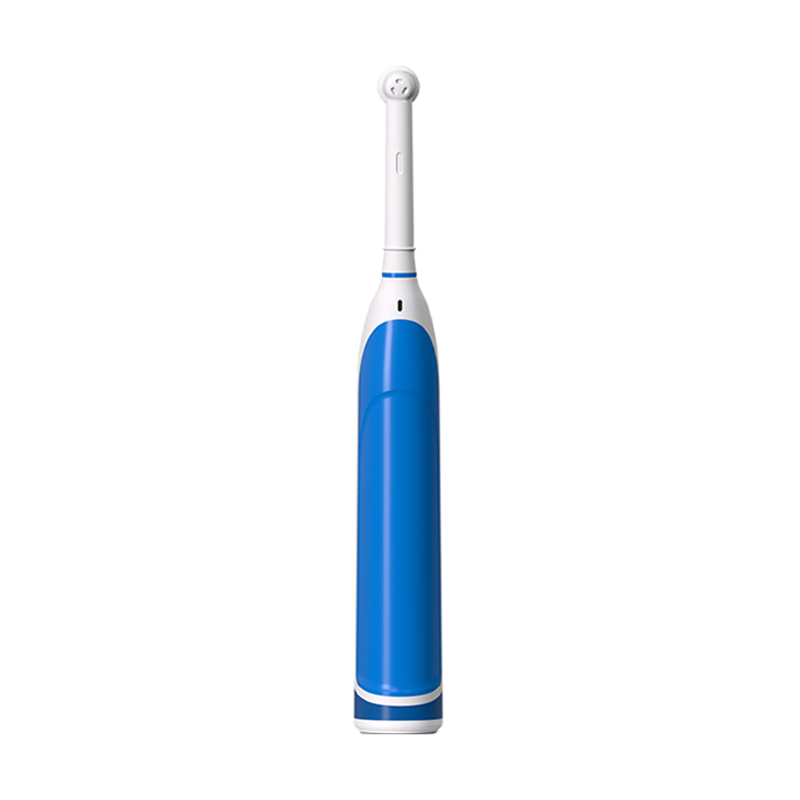 ALB-920 Smart Oscillating Rechargeable Electric ToothbrushIPX7 waterproof oscillating toothbrush with soft DuPont bristles and timed brushing reminders, offering daily tartar and plaque cleaning with a handle made for easy maintenance.View Product →
Moisture Is the Real Enemy, Not Visible Dirt
Bristles look clean long before they are dry. Tuft holes hold a thin film of water after every use, and in a closed bathroom that film can take hours to evaporate. Warm, still, damp conditions are exactly what bacteria and mold need, which is why a head can smell off after two weeks with the bristles still intact.
The fix is airflow rather than chemicals. Shake the head twice, stand the brush upright so water drains away from the bristles, and take the head off the handle whenever you can. Some brushes build ventilation into the head itself, with holes behind the tuft rows that let air move through the bristle bed. Why breathable toothbrush designs reduce moisture and bacterial growth explains how that works in practice.
How Often to Do What
Most problems come from doing the right task at the wrong interval.
- After every use: rinse for 15 seconds, shake twice, stand upright to air dry
- Weekly: the full soak and wipe down, about 10 minutes including drying time
- Monthly: wash the charging base, holder, and travel case, and check the shaft seal for cracks
- Every three months: replace the head, or sooner if the bristles splay outward
If someone in the household has been ill, add an extra soak and replace the head rather than waiting for the calendar.
Storage and Travel
Where a brush spends the other 23 hours of the day decides how much cleaning it needs. Keep it upright and open to the air, away from the toilet, and out of closed drawers where moisture lingers. A vented cover protects the bristles without trapping water.
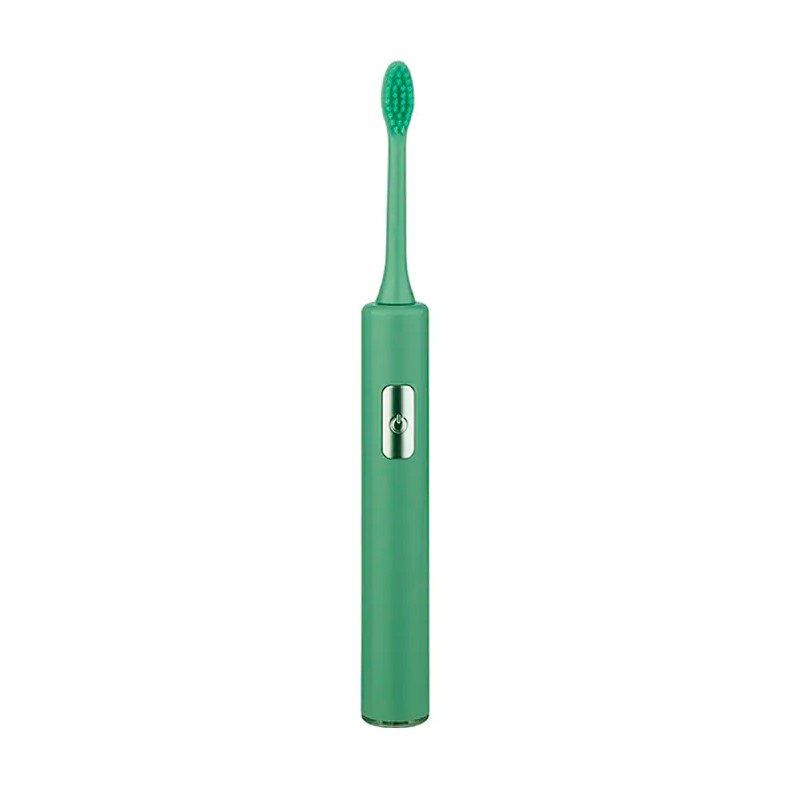
Travel is harder on a brush. A head packed into a sealed case while still damp arrives with a smell that rinsing will not remove. Let it air dry for at least an hour first, and choose a case with a vent or an open side. A battery model with a dedicated travel box solves both problems at once, keeping the head off hotel counters while still letting air reach it.
 ALB-951 Portable Sonic Battery Toothbrush with Travel BoxBattery-powered sonic toothbrush with portable travel case, 20,000 vibrations/min, IPX4 waterproofing, and compact design for protected, convenient travel.View Product →
When to Replace the Head Instead of Cleaning It
Cleaning extends the life of a head, but not indefinitely. Replace it when any of these appear:
- Bristles that splay outward or feel soft against a fingertip
- A wear indicator that has faded past the halfway mark
- A head that no longer clicks firmly onto the shaft, letting water into the joint
- Persistent odor or discoloration at the base of the tufts after a full soak
- Any illness involving the mouth or throat
Three months is the standard interval at two minutes of brushing twice a day. Children and people who brush hard get there sooner.
Features That Make Deep Cleaning Easier
Some handles are simply easier to keep hygienic, and the difference shows up in details rather than price. Look for a one piece sealed body with no seam around the button, a smooth shaft with a wide gap under the head so paste cannot pack into a tight corner, and a charging connection that is sealed or placed where water drains away.
Head fit matters too. A head that seats with a clear click and sits flush against the seal rinses clean and dries faster than one that wobbles. For sealed, fully washable rechargeable handles with the rating listed model by model, browse the oscillating rechargeable brush range.
A USB charged sonic handle with a smooth body and a wide neck is another practical choice, because there are fewer crevices to reach with a cloth and the lower body can be rinsed without a second thought.
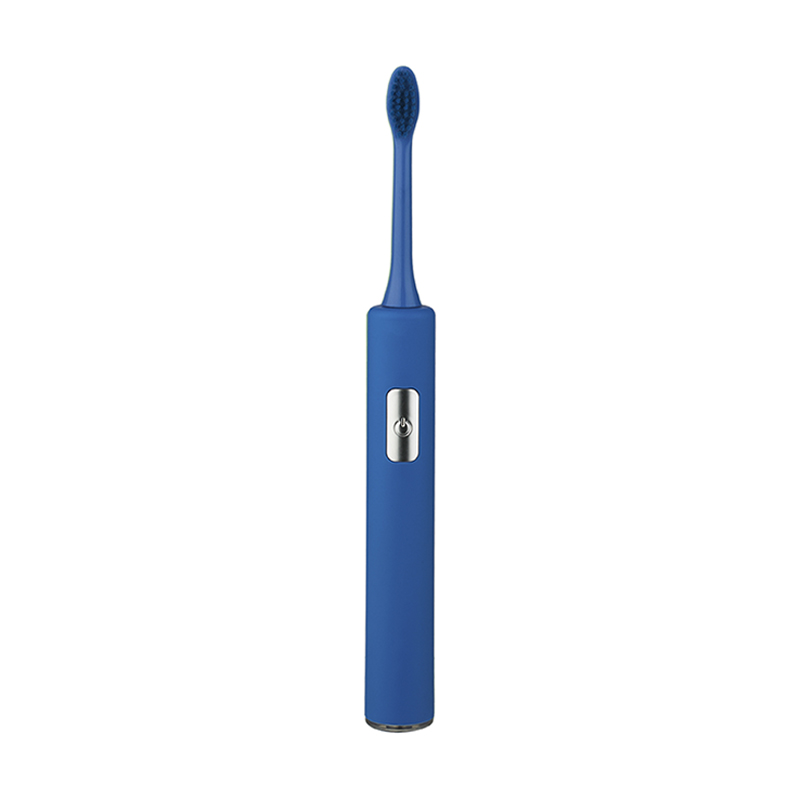 ALB-959 USB Rechargeable Sonic Cleaning and Whitening ToothbrushUSB rechargeable sonic toothbrush with 33,000 vibrations/min, three cleaning modes, IPX7 waterproofing, and a smooth body that is easy to wipe and rinse.View Product →
Common Questions
Can I boil the brush head to sterilize it?
No. Boiling softens the nylon and can distort the plastic collar, and the tufts will splay within days. A 10 minute soak in hydrogen peroxide or antibacterial mouthwash does the same job without the damage.
Should I remove the head after every use?
If you can, yes. Removing it lets air reach the shaft and the inside of the head, which is where moisture collects. At minimum, take it off during the weekly deep clean and dry both parts before reassembly.