
 English
 中文简体
Phone:+86-13952799285
You are in the bathroom at 7:40 on a school morning, a phone in one hand and a toothbrush in the other, watching a six year old work on the same three teeth for fifty seconds. That scene is the reason a kids toothbrush with an app exists, and it is also the honest test of whether the app is worth paying for.
Short answer first: the app helps with the part parents struggle with most, which is time and coverage. It does not help with the part that decides whether teeth actually get clean, which is the brush head, the bristle, the vibration level and whether the child will hold the handle for two full minutes. Buy for the hardware. Then treat the app as a coaching layer that may or may not survive the first month.
Content
What a Kids Toothbrush App Actually Does
Connected children's brushes use motion or position sensing and send that data to a phone over Bluetooth. The app turns raw movement into something a child can follow: a map of the mouth, a countdown, a character that reacts. In practice the features split into two groups, the ones that change behaviour and the ones that only look impressive on the box.
| App feature | What it gives you | Honest limit |
|---|---|---|
| Live coverage map | Shows missed zones while the child is still brushing | Needs the phone within Bluetooth range, and fast brushing can outrun the map refresh |
| Quadrant timer | Splits the mouth into four 30 second blocks | A built in handle timer does the same job without a phone |
| Pressure alert | Vibrates or flashes when the child pushes too hard | Only works on handles with a real pressure sensor, not a plain timer |
| Reward system | Stars, stickers or characters for completed sessions | Novelty usually fades in three to six weeks unless a parent keeps it running |
| Brushing history | Streaks and weekly averages to show at a dental visit | Useful only if sessions are logged consistently |
| Multiple child profiles | One account for siblings | Each child still needs a separate handle, so the cost scales |
Two of these are worth real money. A live coverage map catches the child who polishes the front teeth beautifully and ignores the molars, which is exactly where decay starts. A pressure alert prevents the hard scrubbing that causes gum recession later, but only on a handle that carries a genuine sensor.
Where Connectivity Stops Helping
The failure modes are predictable, and most of them appear in the first month.
- Bluetooth range. A brush paired to a phone left in the kitchen will drop the session halfway through, and the child learns the app is unreliable.
- Novelty decay. Reward loops hold attention for roughly three to six weeks. After that the parent is the retention system, not the software.
- Setup friction. Updates, permissions, account creation and forgotten passwords push families back to an unconnected brush within days.
- Water and phones. The bathroom is wet, and the phone is the most expensive object in the room.
- Replacement heads. A proprietary head priced at a third of the handle will end the routine long before the app does.
None of this makes connected brushes a bad purchase. It means the app should be judged as a support tool with a short useful life per child, not as a permanent upgrade you are buying once.
The Brush Head Still Does the Cleaning
Children's mouths are smaller, gums are thinner and enamel is still maturing, so the mechanical side matters more than the software. A head that is too long cannot reach behind the last molar. A filament that is too stiff irritates the gum line and teaches the child that brushing hurts, which is a habit that lasts far longer than any app.
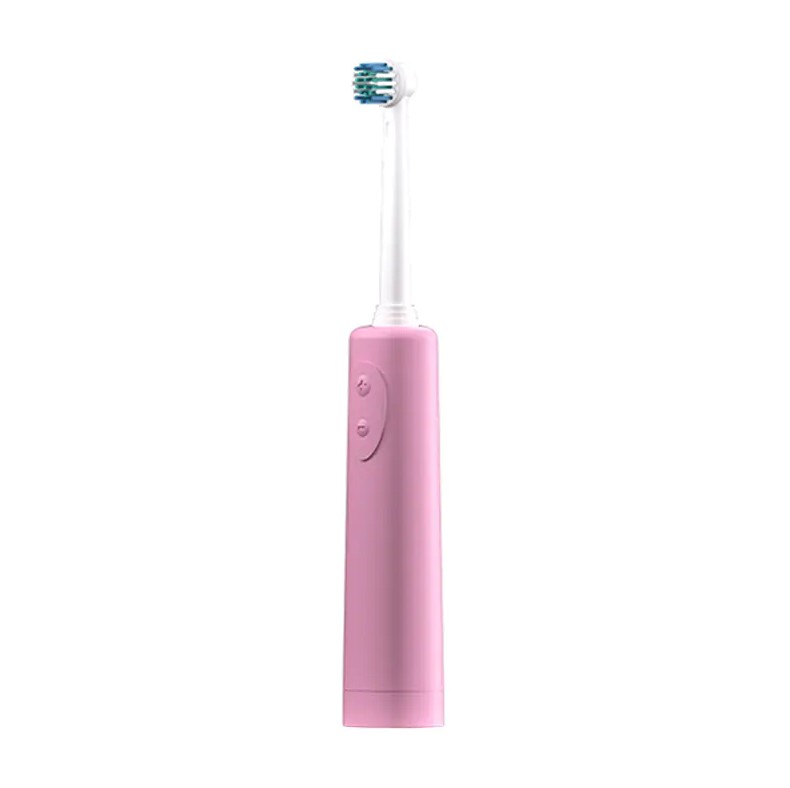
Motion matters too. Aolbea builds both oscillating and sonic children's brushes, and the vibration level used on a kids handle is deliberately lower than on adult models. The reason is control rather than gentleness alone: a six year old cannot hold a high amplitude brush steady against the gum line, and an unsteady brush cleans less, not more.
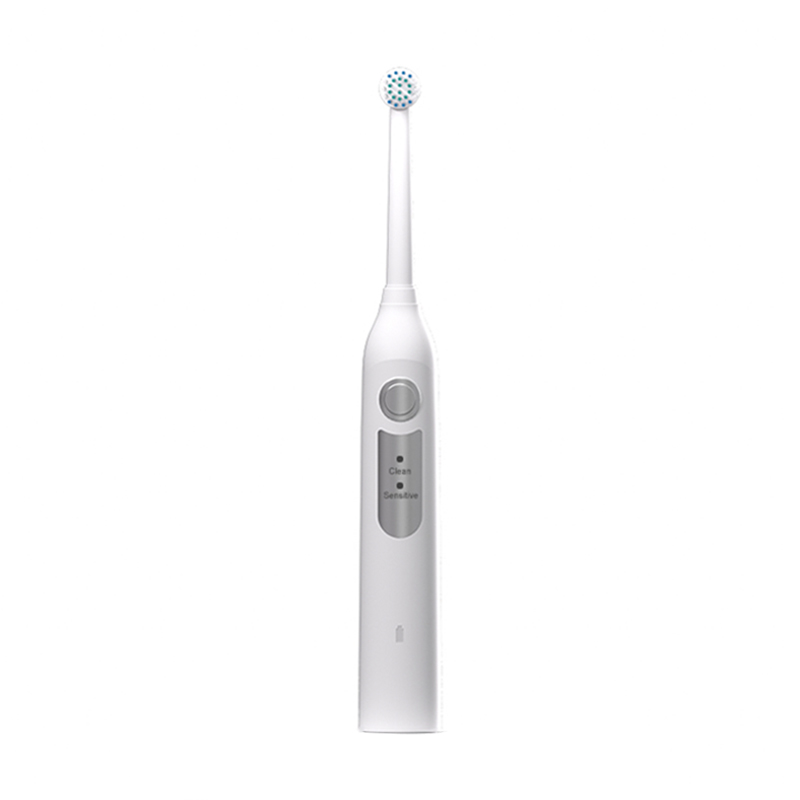
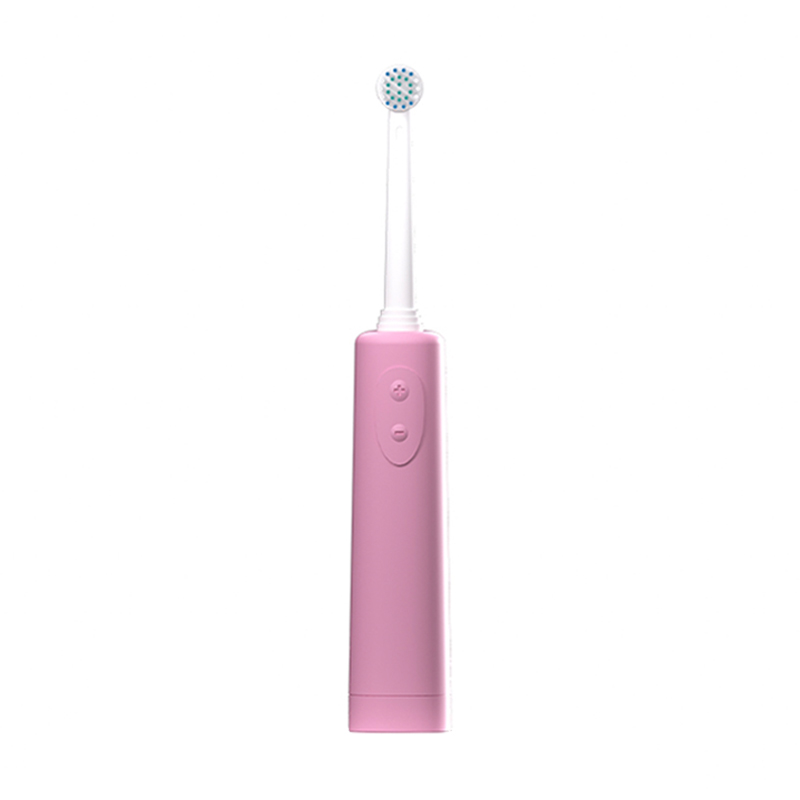
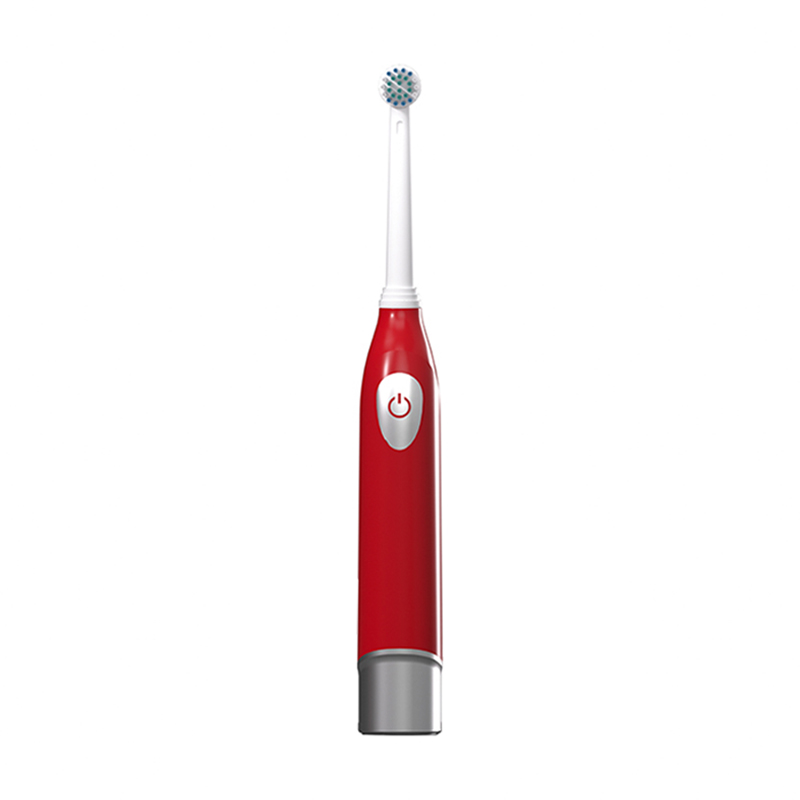
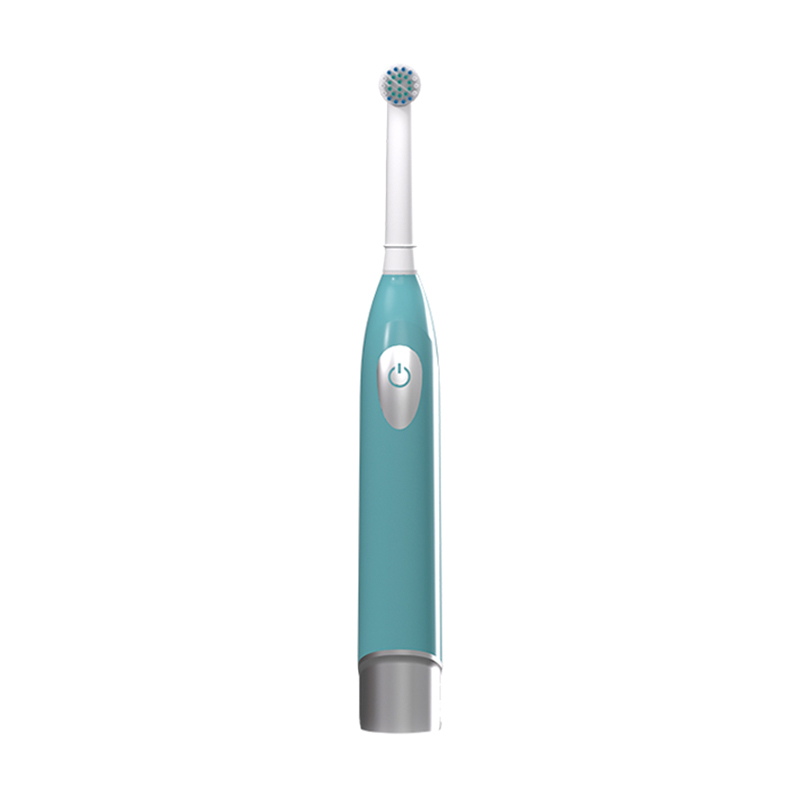
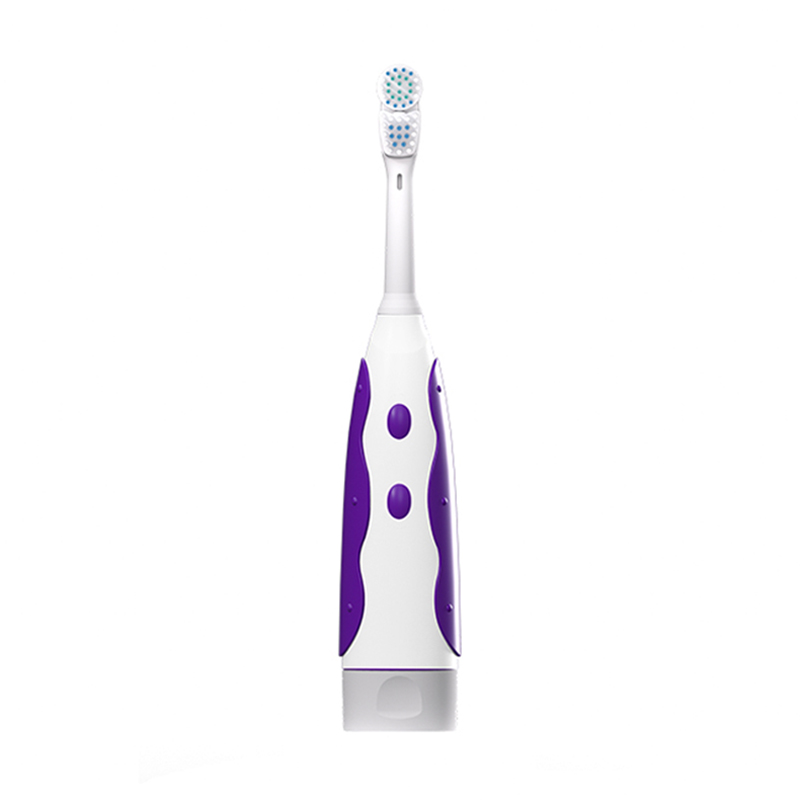
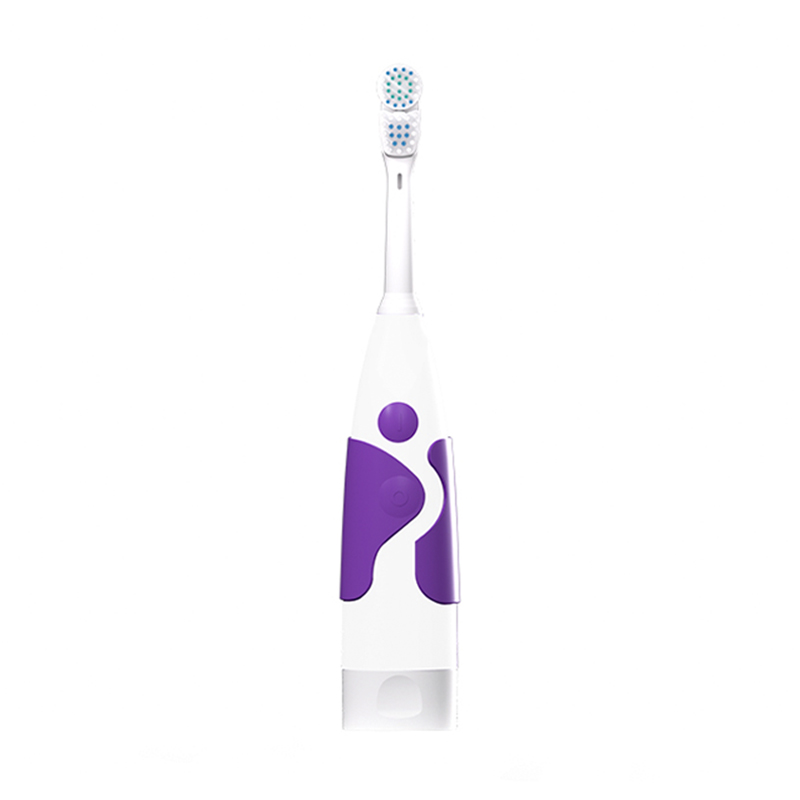
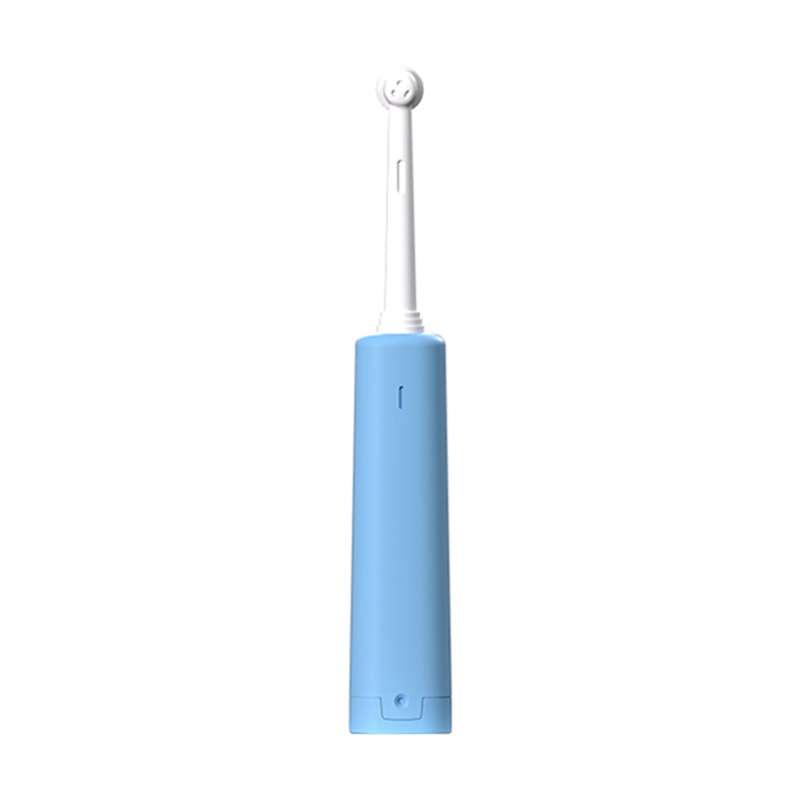 ALB-927 Battery-Powered Kids Oscillating ToothbrushFor a first electric brush without phone pairing, this colorful battery-powered kids model uses oscillating vibration and a child-sized head.View Product →
For families who want the routine to work without a phone in the room, a battery powered kids brush such as the ALB927 keeps the child sized head and the colourful body but drops the pairing step entirely. No account, no dock on the sink, no charging cable to lose. As a first electric brush, that version is often the one still in use past week three.
Match the Brush to the Age, Not to the Feature List
Parents usually ask which app is best. The better question is what the child can physically do with a brush, because that decides whether the app has anything to coach. Children under three cannot brush their own teeth at all, and a connected handle adds nothing at that stage. Buyers choosing their first model can check when children can start using an electric toothbrush before comparing apps at all.
| Age | What the child can do alone | Sensible choice |
|---|---|---|
| 0 to 2 years | Nothing, a parent brushes | Soft manual brush with a small head, no electronics |
| 3 to 5 years | Holds the brush, copies motions | Manual or low vibration electric, parent finishes the job |
| 6 to 8 years | Brushes alone with reminders | Electric with a timer, app optional, short head |
| 9 to 12 years | Independent but needs checking | App brush useful for coverage and pressure feedback |
For the youngest group the answer is a soft manual brush with nothing to charge and nothing to update.
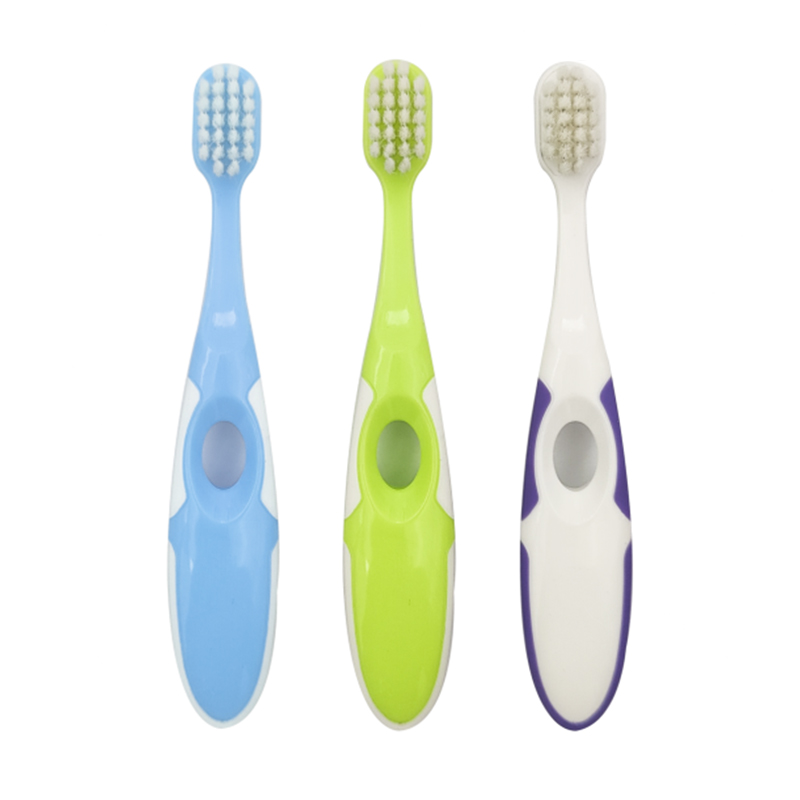 LB-4508 Kids Super Soft Small-Head Manual ToothbrushA soft manual kids brush with a small head and breathable back, useful when electric handles are charging or apps fail.View Product →
The LB4508 sits in that category, super soft with a small head sized for an adult hand to guide. Many families keep a manual brush next to the electric handle for nights when the battery is flat or the app refuses to load, and those nights are more common than the marketing suggests.
Reading the Spec Sheet Before You Pay
Marketing pages rarely put the numbers in one place. These seven items decide most of the outcome, whether you are buying one handle or sourcing a container for a retail programme.
| Parameter | What to confirm | Why it matters |
|---|---|---|
| Head size | Short head, roughly 15 to 20 mm for ages 3 to 6 | Long heads miss the back molars |
| Bristle | Soft, rounded tips, fine filament | Stiff bristles irritate gums and cause avoidance |
| Motion | Lower amplitude than adult models | Thinner enamel and gums need less force |
| Pressure control | A sensor, not just a two minute timer | Hard brushing leads to gum recession |
| Waterproofing | IPX7 for a handle stored in a wet bathroom | IPX4 covers splashes only |
| App terms | Offline use, account requirements, permissions | Affects family data and long term support |
| Heads supply | Local stock and three year price | Heads cost more than the handle over time |
Questions Worth Asking Before You Commit
Whether you are buying one brush for a child or reviewing a sample from a factory, the same questions separate a working product from a demo unit.
- Does the handle drop into a comfort mode when the child presses hard, and is that driven by a real pressure sensor?
- What happens when the phone is offline, and can the brush still time a full session on its own?
- How long has the app been supported, and who maintains it in three years when the child still uses the handle?
- Are replacement heads stocked locally, and what is the annual cost?
- Has the handle been tested for moisture ingress in a wet bathroom rather than a dry lab?
A kids toothbrush with an app is a reasonable purchase when the brush underneath is already good: short head, soft filament, comfortable amplitude, low running cost. The app then earns its place by fixing the two minute habit, and if it fades after a month the brush is still doing its job. When the hardware is ordinary and the app is the headline, you are paying a premium for a feature your child will stop noticing before the first replacement head arrives.