
 English
 中文简体
Phone:+86-13952799285
Picture a five year old gripping a toothbrush with both hands, chewing the bristles while a parent tries to reach the molars at the back. Almost every decision about a kids' electric toothbrush comes back to that scene. The handle has to fit a small fist, the head has to reach behind the last tooth, and the motor has to stay gentle when the child pushes hard.
Here is the short answer before the details. Choose a compact or round head, soft end rounded bristles, a built in two minute timer, and a handle light enough for your child to hold alone. Speed figures and app features matter far less than head size, bristle softness and how the brush behaves under pressure.
Content
Why Head Size and Bristle Softness Decide the Purchase
Adult brushes are built for an adult arch. A head longer than roughly 20 mm is difficult to place behind a six year old's second primary molar without lifting the cheek, and a head that does not reach becomes a head that does not clean. For most children between three and seven, a round head of about 10 to 12 mm, or a compact oval head of similar width, covers one tooth plus the gum line at a time, which is precisely where plaque starts.
Bristle softness matters for the same reason. Children's enamel is thinner near the gum line and their gums react quickly when brushing is rushed. Soft or extra soft filaments with rounded tips lift plaque without abrading the gum margin. On the manufacturing side this is not a marketing detail. Children's brushes from experienced oral care factories typically use fine soft filaments fixed with copper free high density hot melt implantation and ultrasonic welding, so tufts stay in place after weeks of chewing, rinsing and being left in a wet cup.
As a reference point, Ningbo Aolbea Oral Care Products, a manufacturer in Yuyao that has been building toothbrushes since 1986 and took part in drafting standards for electric toothbrushes and toothbrush safety, lists children's models in both manual and powered formats. That product breadth is useful mainly because it shows how the specifications differ between age groups rather than because one model fits every child.
Match the Brush to Your Child's Age and Hand Strength
Age charts are a rough guide. The better filter is dexterity. Can your child hold a pencil in a tripod grip and reach the back teeth without help? If not, the electric brush is your tool, not theirs, and you will still be the one doing the final pass over the molars.
| Age band | Who does the brushing | Features worth prioritizing |
|---|---|---|
| 0 to 2 years | Caregiver brushes every time | Very small head, extra soft bristles, no motor or lowest speed only, smear of fluoride paste |
| 3 to 5 years | Child holds, caregiver finishes | Round head of 10 to 12 mm, soft bristles, two minute timer, low speed, lightweight handle |
| 6 to 8 years | Child brushes with supervision | Compact head, two speeds, quadrant timer, pressure feedback where available |
| 9 to 12 years | Mostly independent | Slightly larger head, longer handle, rechargeable or battery power, brushing log optional |
If you are unsure where to start, guidance on when a child can begin using an electric toothbrush is a sensible check against your own child's readiness rather than against a packaging label.
Oscillating or Sonic Motion in a Small Mouth
Both motions work. The difference lies in how they feel and how much the child has to move the brush.
Oscillating heads rotate back and forth around 6,000 times a minute with a round cup, cleaning one tooth at a time and letting the child walk the brush tooth by tooth. Children who chew or press tend to accept this motion because the head stalls instead of scrubbing. Sonic brushes vibrate at far higher frequencies, often around 33,000 movements a minute, and rely on side to side motion plus fluid movement to lift plaque between teeth. Coverage is faster, but some children find the tickling sensation unpleasant during the first week and refuse the brush before they have given it a chance.
Frequency and vibration pattern change how a brush interacts with the gum line, and the effect of vibration frequency and pattern on children's oral health depends on amplitude and bristle stiffness rather than on the headline number alone. A 20,000 movement brush with soft bristles can be gentler in practice than a 33,000 movement brush with stiff tufts driven hard against the gum.
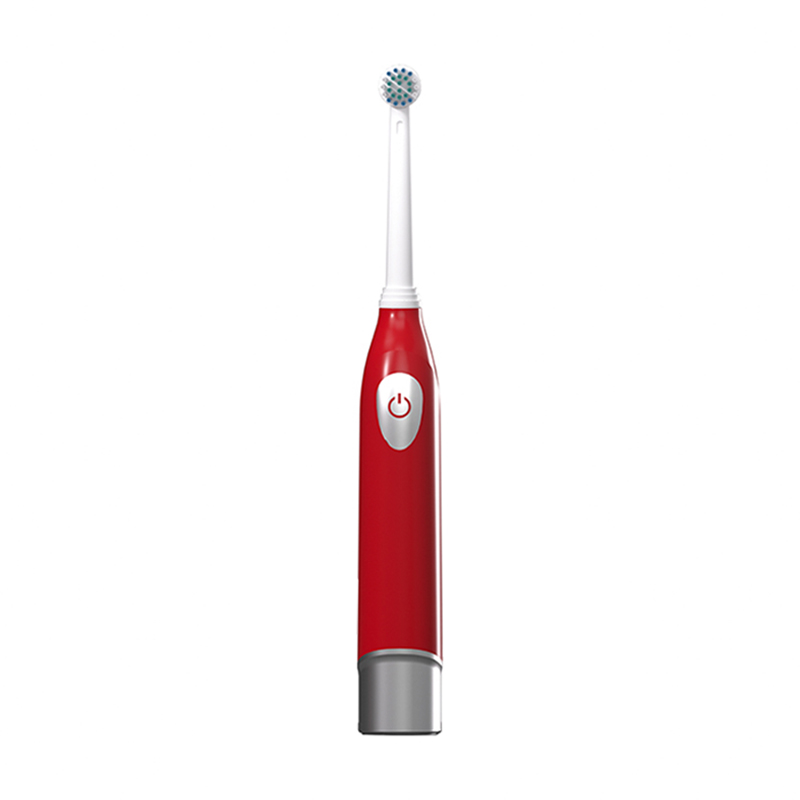
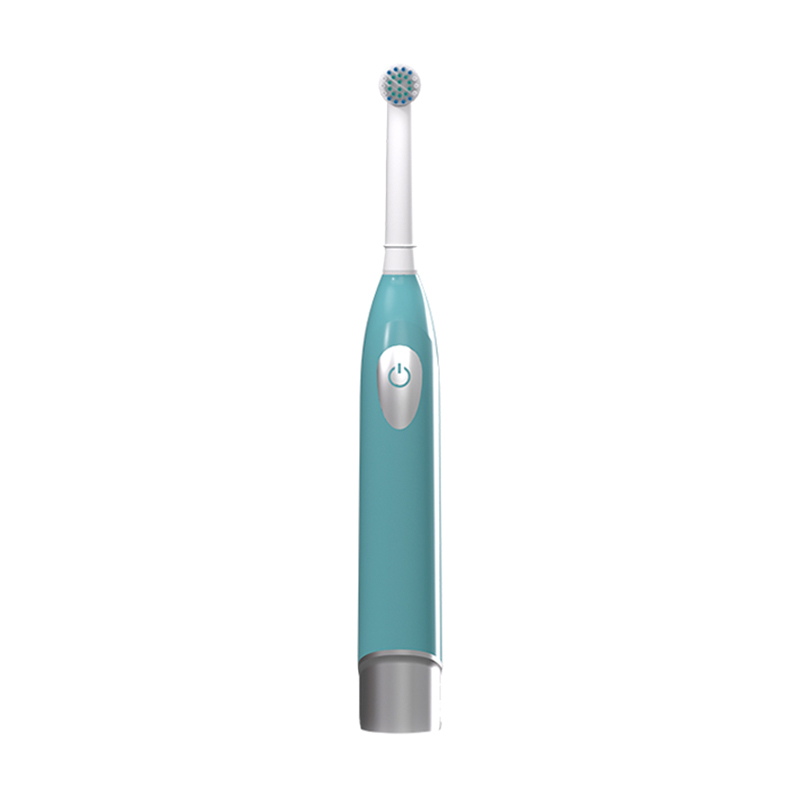
For a first powered brush, a battery driven oscillating model is often the easiest starting point, since the handle is light, the speed is modest and there is no charging dock to knock over.
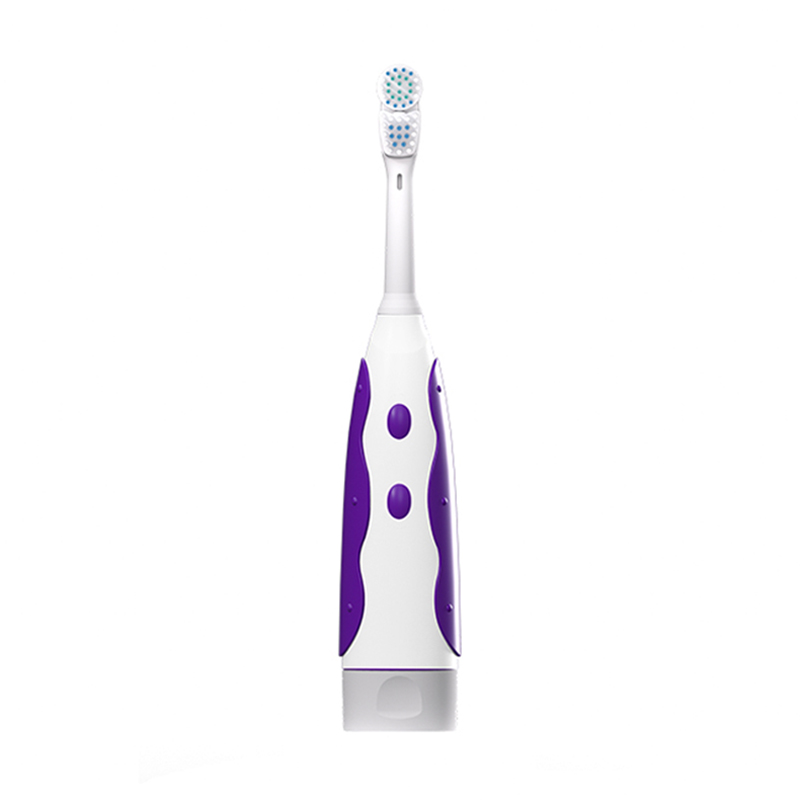
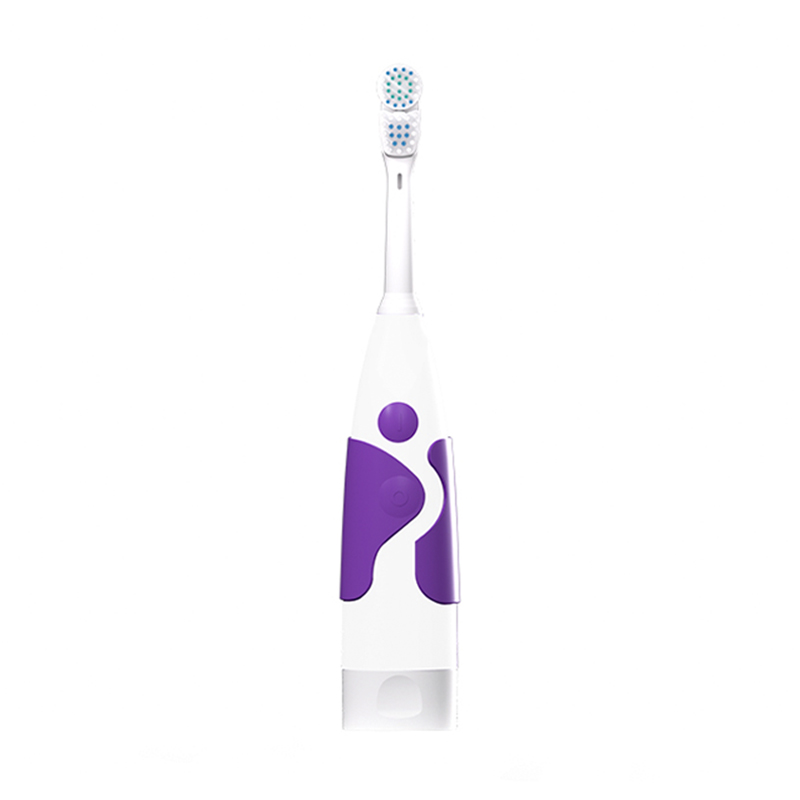
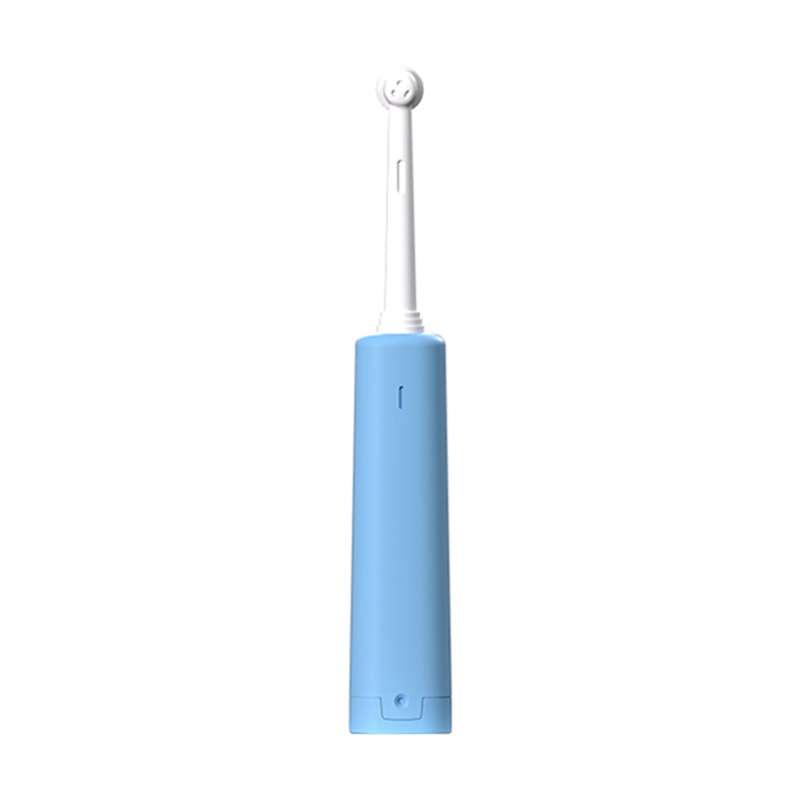 ALB-927 Colorful Kids Battery-Powered Oscillating ToothbrushA lightweight battery-powered oscillating brush for children, with soft DuPont bristles and bright color options that can make a first powered brush easier to accept.View Product →
A battery powered oscillating brush in a bright colour also solves a practical problem: children who choose the brush themselves tend to pick it up without an argument, which matters more to long term habits than any extra cleaning mode.
Timer, Pressure Feedback and Battery Safety
Three functions earn their place on a children's brush, and the rest are optional.
- A two minute timer with 30 second pacing takes the guesswork out of brushing, because most children stop after roughly 45 seconds when left alone.
- Pressure feedback, whether a light, a pause or a slowed motor, protects the gum margin during the months when technique is still forming.
- A properly sealed battery compartment keeps water and small fingers out.
Check the water resistance rating rather than the word waterproof. IPX7 means the handle survives a 30 minute immersion at one metre, while IPX4 covers splashes only. For a child who leaves the brush sitting in a puddle, IPX7 or a fully sealed compartment is worth the extra cost. On battery powered models, look at the cap: it should need a coin or a screwdriver to open, so a curious child cannot reach a coin cell.
Noise deserves a mention too. A very loud motor becomes a reason not to brush, and children rarely explain that the sound is the problem. Run the brush at the lowest speed for the first few days and let the child hold it before it goes anywhere near the mouth.
Checks to Make Before You Order
- Replacement heads: confirm the price and buy six to twelve months of supply at the same time, because heads that are hard to find turn a good brush into a cupboard item.
- Head compatibility: check whether siblings can share one handle or need separate heads, and whether the heads are sold in child size rather than adult size.
- Handle diameter and weight: a handle under roughly 100 g and around 20 mm across suits most children between four and eight.
- Power source: inductive charging, USB charging or standard batteries each change how the brush behaves on a trip and how long it lasts between charges.
- Timer behaviour: some brushes restart the cycle when switched off and on, which teaches children to reset instead of brushing.
- Spare parts and warranty: a two year warranty is common on rechargeable handles, and a spare brush head in the box saves a second order.
When to Wait and How to Move from Manual to Electric
Not every three year old needs a powered brush. Children who still swallow toothpaste rather than spitting it out are often better served by a manual brush until the habit settles, because a powered head with a full load of paste tends to spread foam faster than a small child can handle. In that window, a children's manual toothbrush with a genuinely small head and soft filaments does the job without the extra variables.
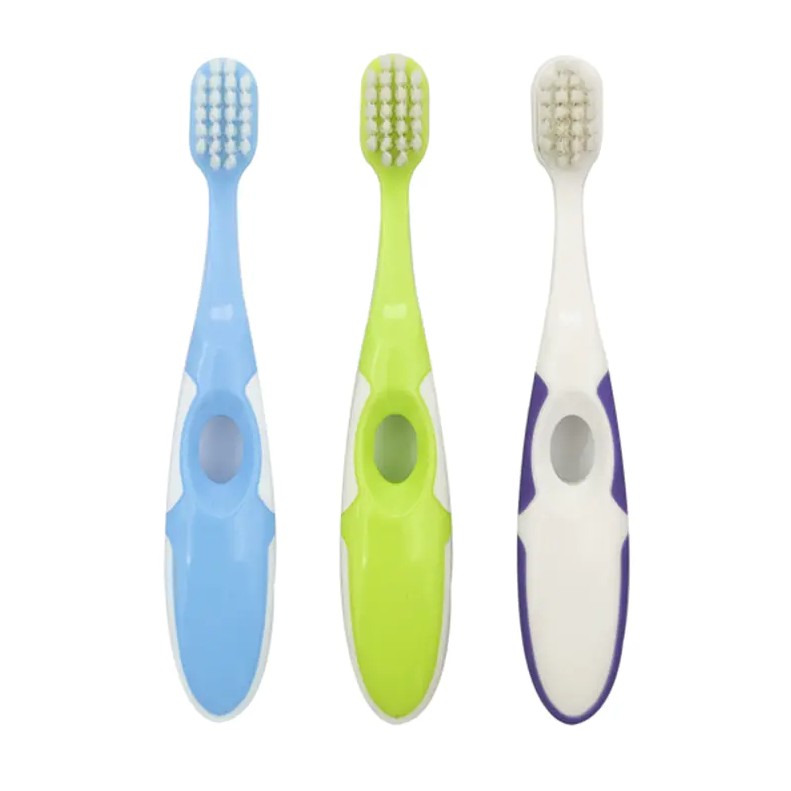
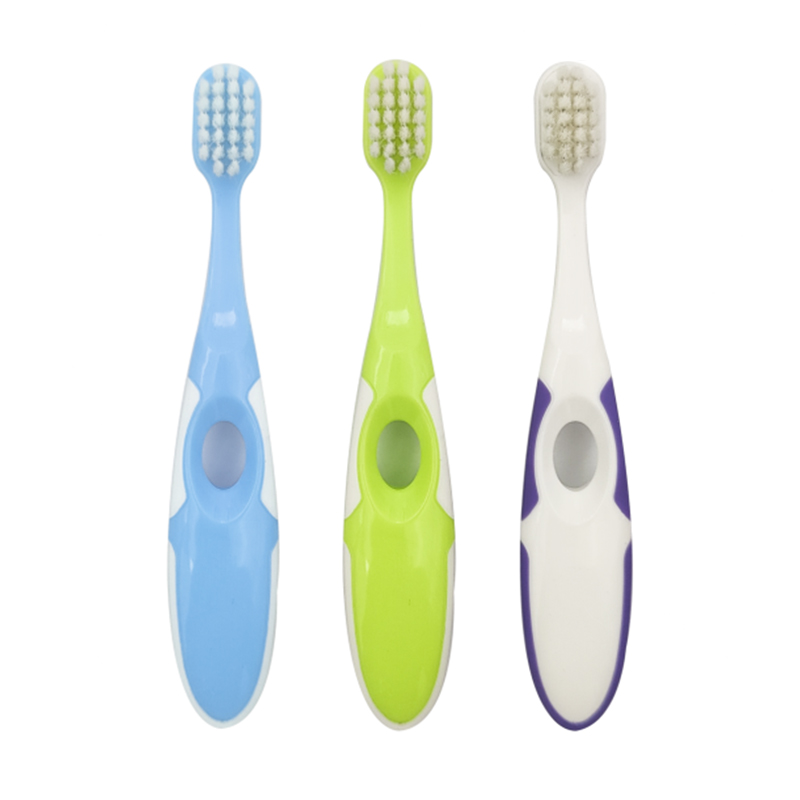 LB-4508 Kids Super Soft Small Head Manual ToothbrushA small-headed manual toothbrush with very soft bristles and a soft rubber handle, suited to children who are still learning to brush and spit.View Product →
A transition plan that works for most families runs over two weeks. Use the electric brush once a day, in the evening when there is no school run pressure, and keep the manual brush for mornings. Stand beside the child rather than in front, guide the head along the gum line for the first week, then hand over control while watching. If the gums look irritated after the first few days, drop to the lower speed and check that the bristles are soft rather than medium.
A good kids' electric toothbrush is a small, quiet, well sealed tool with a head that actually fits behind the back molars, a timer that keeps a child honest and a motor that slows down when pressed. Everything else, from the number of cleaning modes to the colour of the handle, is a preference. Get the fit and the gentleness right first, and the habit has a better chance of surviving the years when your child insists on brushing alone.