
 English
 中文简体
中文简体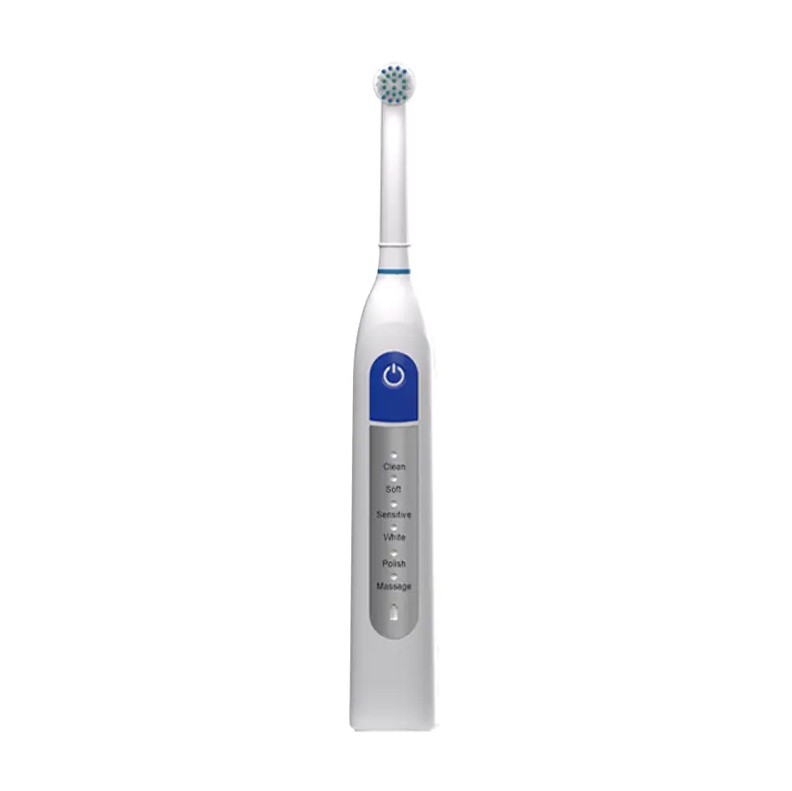
Phone:+86-13952799285
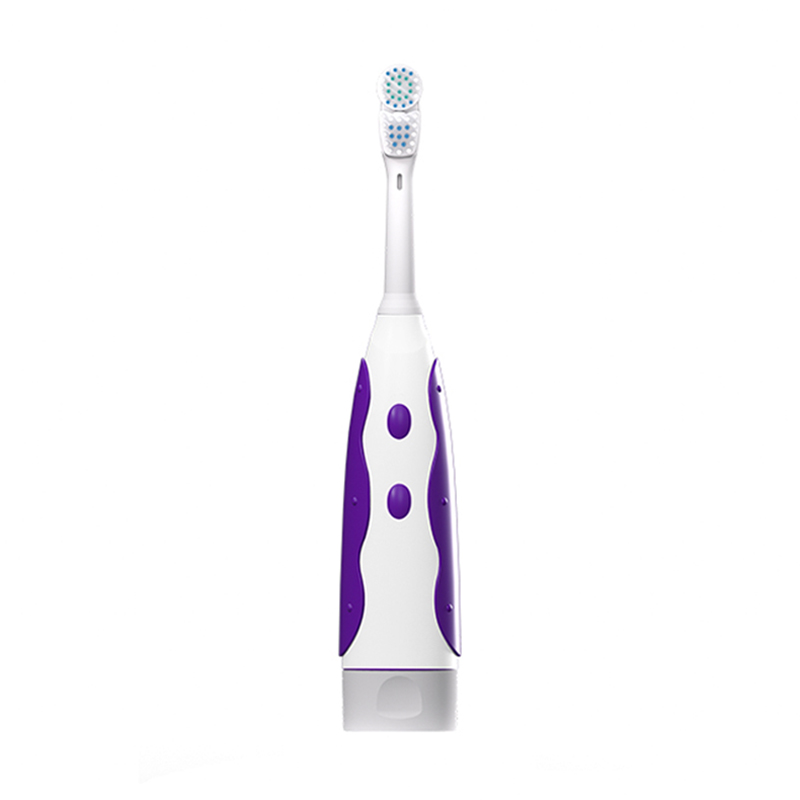
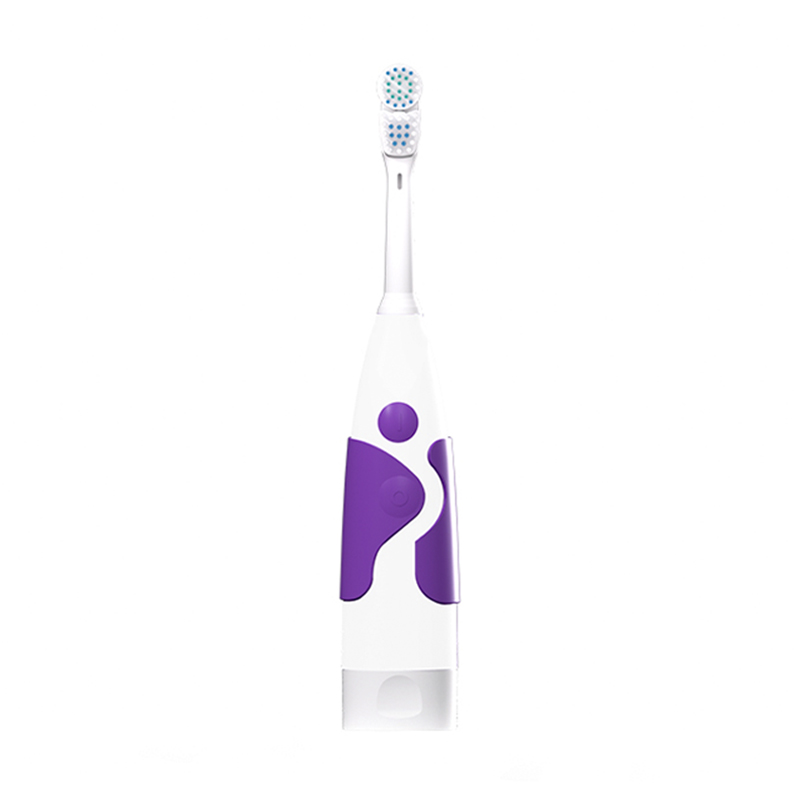
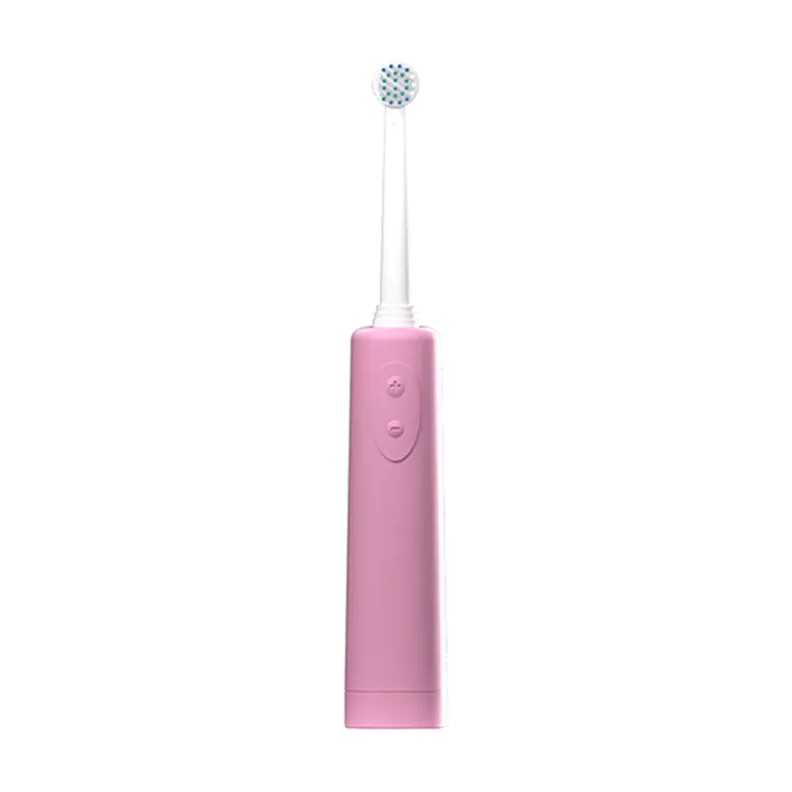
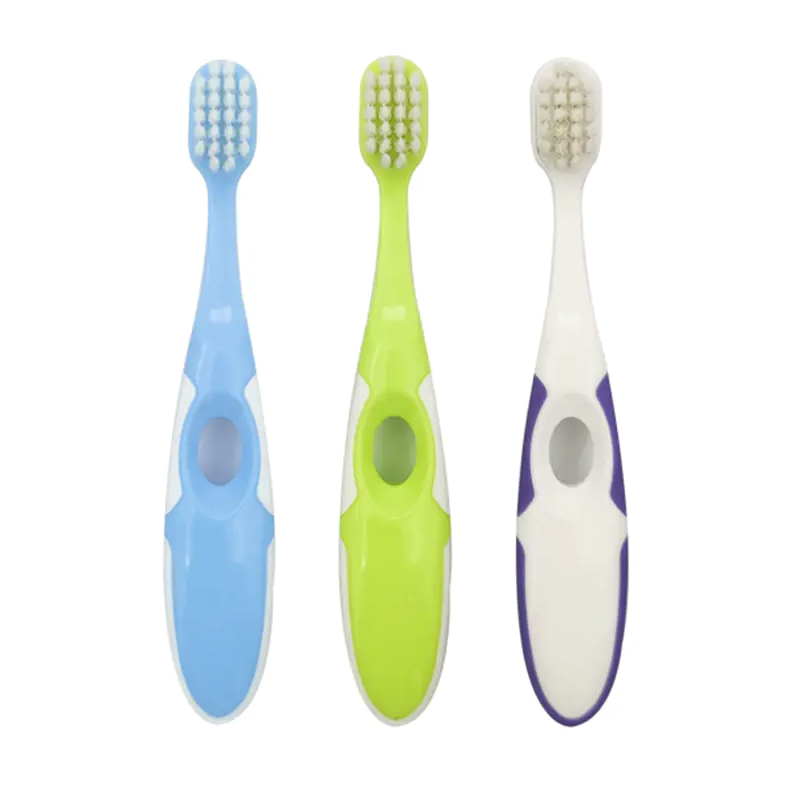
Dentists generally recommend Soft Baby Toothbrushes as the first choice for baby oral care. Their soft bristles effectively clean baby's teeth and gums while avoiding damage to sensitive oral tissues, making them the best choice for dental care for babies aged 0-3 years.
Content
Why choose a Soft Baby Toothbrushes?
Babies' teeth and gums are very delicate. Using a hard-bristled toothbrush can easily cause bleeding gums or enamel damage. Soft Baby Toothbrushes feature ultra-soft bristles, typically between 0.15-0.2 mm in diameter, which gently remove plaque while massaging the gums, promoting healthy tooth development.
For example, a study of 100 babies aged 1-3 years showed that after using a soft-bristled toothbrush for 4 weeks, plaque levels decreased by approximately 35%, while 22% of babies using medium-hard bristles experienced mild gum bleeding due to the hard bristles.
How to choose the right Soft Baby Toothbrushes?
- Brush Head Size: The brush head should fit the baby's mouth size, generally no more than 2-2.5 cm in length, for easy operation with a small mouth.
- Bristle Softness: Choose bristles labeled "extra soft" or "soft," avoiding "medium-hard" or "hard bristles."
- Handle Design: The handle should conform to the baby's or parent's operating habits, with an anti-slip design for added safety.
- Safe Materials: The toothbrush material should be BPA-free and heat-resistant for sterilization, ensuring health and safety.
Precautions for Using Baby Toothbrushes
- Brushing Time: Brush twice daily, morning and evening, for approximately 2 minutes each time.
- Toothpaste Amount: Babies under 6 months do not need toothpaste; babies over 6 months can use a rice-grain-sized amount of fluoride toothpaste.
- Regular Toothbrush Replacement: Replace the toothbrush every 3 months or when the bristles become deformed to ensure effective brushing.
Additional Tips: How to Cultivate Brushing Habits in Babies?
- Start Brushing from the Eruption of Primary Teeth: Even if there is only one tooth, gently clean it with a Soft Baby Toothbrushes.
- Parents demonstrating brushing: Babies are more likely to imitate their parents' actions and form a brushing habit.
- Using fun toothbrushes: Baby toothbrushes with cartoon patterns or sound functions can increase a baby's interest in brushing.
Baby oral care is crucial from the first tooth, and dentist-recommended baby toothbrushes are the best tool for protecting teeth and gums. Choosing the right toothbrush, mastering the correct brushing technique, and developing good habits will lay a solid foundation for your baby's healthy teeth.