
 English
 中文简体
中文简体
Phone:+86-13952799285
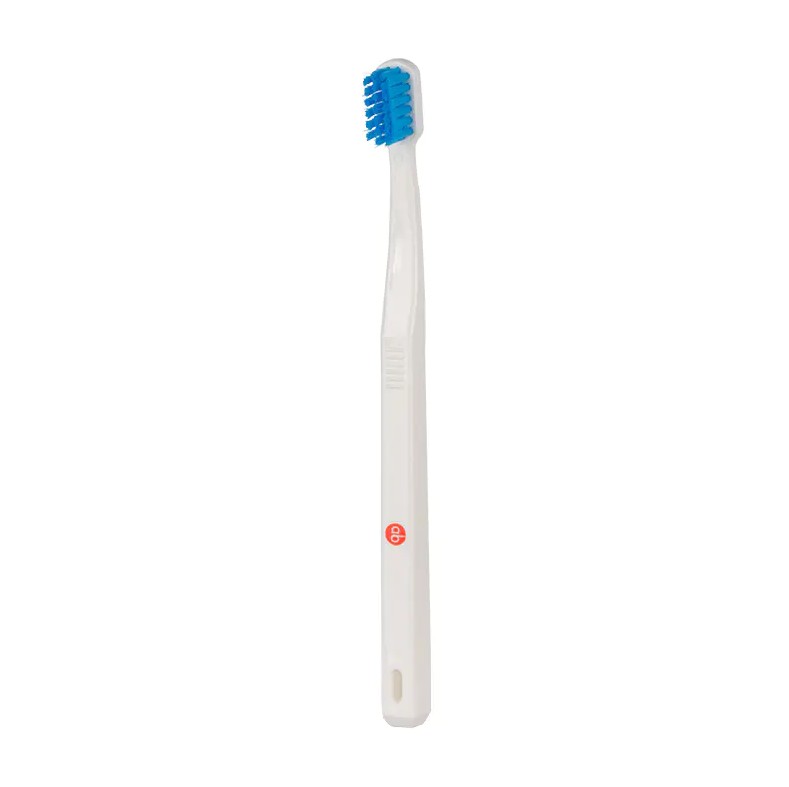
For seniors, the best manual toothbrushes typically have three key features: extremely soft bristles, a small brush head, and a wide, non-slip handle. As people age, their oral environment changes; gum recession and thinning enamel become common, and hard-bristled toothbrushes can easily cause damage, making gentle cleaning crucial. At the same time, many seniors may experience decreased hand dexterity, so an easy-to-grip, ergonomically designed manual toothbrush can significantly improve the effectiveness and safety of brushing.
With increased health awareness, oral care is no longer just for young people. Although the electric toothbrush market is booming, many seniors still prefer traditional manual toothbrushes. This is not only due to habit, but also because, with the right choice and proper use, a high-quality manual toothbrush can fully meet the oral cleaning needs of older adults.
Content
1. Bristle Hardness: Choose "Soft" or "Extra Soft"
When choosing a manual toothbrush, bristle hardness is the primary consideration. Seniors' gums are often more fragile and may have exposed tooth roots.
Avoid hard bristles: While hard-bristled toothbrushes provide a strong cleaning sensation, they can easily wear down already thinning enamel and even cause gum bleeding and further recession.
Recommended choice: Manual toothbrushes labeled "Soft" or "Extra Soft" (or nano-soft bristles) on the packaging. These bristles gently massage the gums, removing plaque while minimizing irritation to the oral soft tissues.
2. Brush Head Design: Small and Rounded for Greater Flexibility
Seniors may have decreased oral muscle elasticity and a smaller range of mouth opening. If the manual toothbrush head is too large, it is difficult to clean the molars in the back of the mouth, leaving areas uncleaned.
Advantages of a small brush head: A small brush head, covering 2-2.5 teeth in width, is more flexible in the mouth and can more effectively clean around wisdom teeth or areas with unevenly aligned teeth.
Rounded design: Ensure the top of the brush head is rounded to prevent accidental injury to the inside of the mouth during brushing.
3. Handle Grip: Focusing on Hand Dexterity
This is one of the most easily overlooked aspects when buying a manual toothbrush for the elderly. As people age, some may suffer from rheumatoid arthritis or weakened hand strength, making it difficult to hold small objects.
Thicker Handle: Choosing a manual toothbrush with a thicker handle reduces the degree of finger bending, making it easier to grip.
Non-Slip Material: High-quality manual toothbrushes will have a silicone coating or non-slip texture on the handle. This not only increases friction, preventing the toothbrush from slipping and injuring the gums, but also allows the elderly to better control the force and angle while brushing their teeth.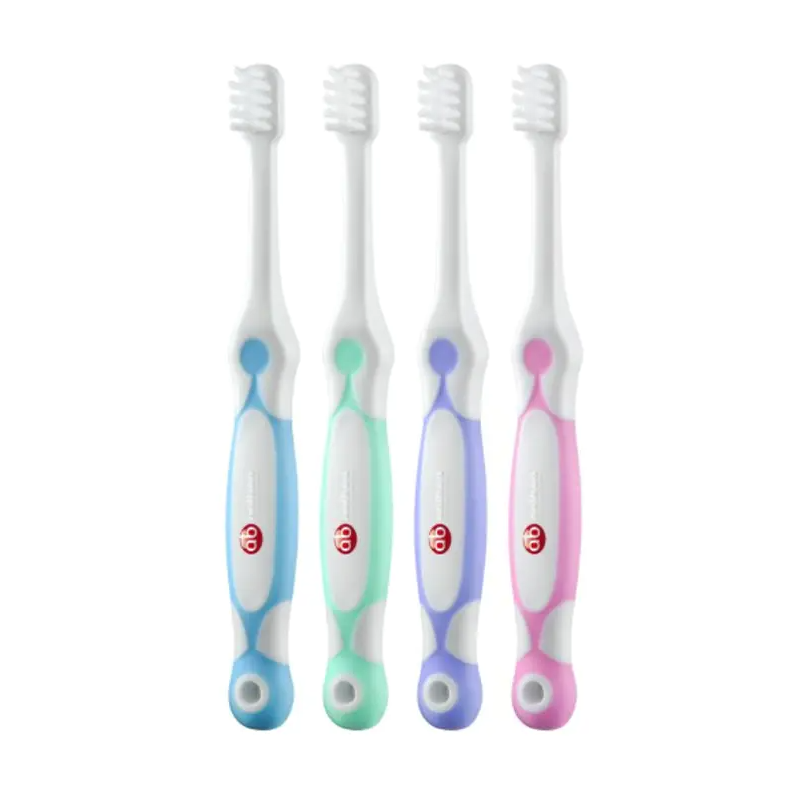
4. Why are high-quality manual toothbrushes still a good choice?
Although electric toothbrushes are highly efficient at cleaning, they are not necessarily suitable for all elderly people.
Weight and Vibration: Some electric toothbrushes are heavy, and the high-frequency vibration may cause discomfort (such as a "tingling sensation") for elderly people with loose or sensitive teeth.
Controllability: When using a manual toothbrush, the elderly can completely control the speed, force, and area of brushing based on their own feelings. This "what you see is what you get" control gives them a greater sense of security.
Economical: Manual toothbrushes do not require charging, have low replacement costs, and are easy to maintain, making them more user-friendly for elderly people who are not accustomed to complex electronic products.
5. Brushing Tips for the Elderly
Choosing the right manual toothbrush is only the first step; the correct method is equally important:
Bass Brushing Method: It is recommended that the elderly hold the bristles at a 45-degree angle to the tooth surface, gently pressing against the gum line, and performing short, horizontal vibrations.
Regular Replacement: Regardless of the type of manual toothbrush, it is recommended to replace it every 3 months. If the bristles become bent or deformed, they should be replaced immediately, as deformed bristles not only reduce cleaning effectiveness but may also harbor bacteria.
Auxiliary Tools: If there are large gaps between teeth, it is recommended to use interdental brushes or water flossers to compensate for the cleaning blind spots of using only a manual toothbrush.
Caring for your parents' health can start with paying attention to their bathroom essentials. A well-designed manual toothbrush with soft bristles is not only a tool for daily cleaning but also a thoughtful expression of care for the quality of life of the elderly. Next time you're shopping for oral care products for yourself or your family, remember to check the softness of the bristles and the grip of the handle to choose the perfect "dental care tool" for seniors.