
 English
 中文简体
中文简体
Phone:+86-13952799285
When choosing a manual toothbrush, prioritize bristle stiffness, brush head size, handle design, and material safety. Generally, it's recommended to choose a soft or medium-soft bristle toothbrush with a small head and a comfortable, non-slip handle to ensure effective cleaning while minimizing gum damage.
Content
Bristle Stiffness: Softer Bristle is Gentler
Bristle stiffness is a key factor affecting tooth and gum health.
- Soft Bristle: Best suited for most people, effectively removing plaque with minimal gum irritation.
- Medium-Soft Bristle: Suitable for people with stronger teeth and healthy gums, but caution is still needed when using it.
- Hard Bristle: Not recommended for daily use; long-term brushing may cause enamel wear and gum recession.
Studies show that brushing with a soft-bristled toothbrush twice a day for two minutes can remove approximately 70%-80% of plaque while minimizing the risk of gum damage.
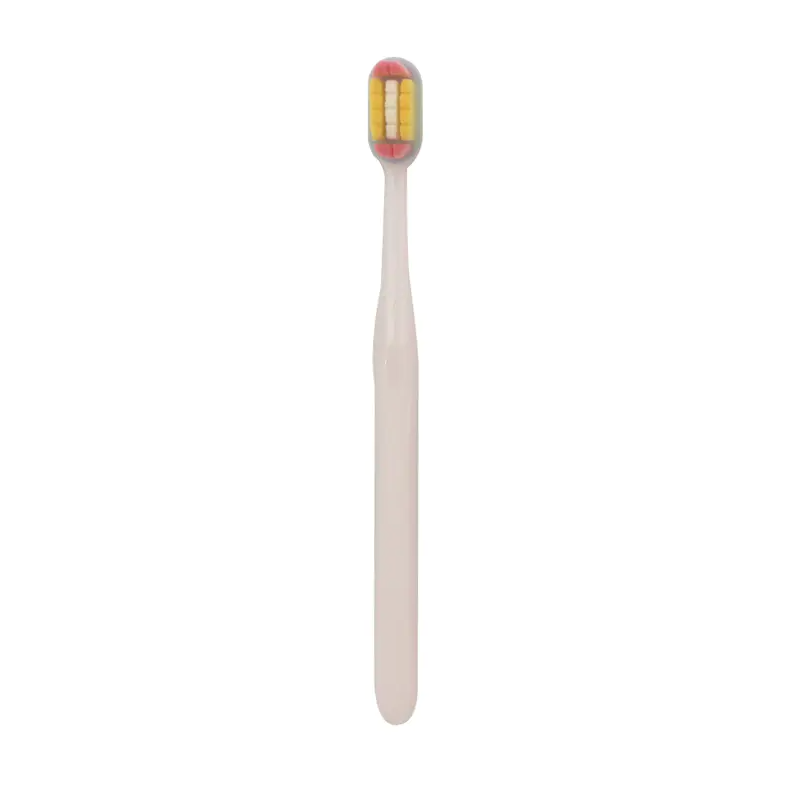
Brush Head Size: For a More Thorough Brushing Experience
Brush head size directly affects the coverage area and cleaning efficiency.
- Small brush head (1-2cm wide): Suitable for children or people with closely spaced teeth, capable of reaching deep into the back teeth.
- Medium brush head (2-3cm wide): Suitable for most adults, balancing efficiency and cleaning hard-to-reach areas.
A brush head that is too large may struggle to reach between teeth and the wisdom tooth area, while a brush head that is too small may take longer to clean.
Handle Design: Comfortable, Non-Slip, and Easy to Control
The shape and material of the handle directly affect the control and comfort during brushing.
- Non-Slip Design: Rubber or textured handles prevent slipping when hands are wet.
- Ergonomic: A handle with a moderate bend angle makes it easy to reach the back of the mouth, reducing wrist fatigue.
- Lightweight Materials: A lightweight handle helps maintain even brushing pressure, preventing excessive force that could damage gums.
Data shows that a well-designed handle can increase brushing efficiency by approximately 15% and reduce the risk of gum bleeding.
Bristle Arrangement and Shape: Enhancing Cleaning Efficiency
The arrangement and tip design of the bristles affect the cleaning effect on teeth and gums.
- Multi-layered arrangement: Covers different angles of teeth, cleaning between teeth and along the gum line.
- Rounded or tapered bristles: Reduces the possibility of gum abrasion and improves brushing comfort.
Studies show that multi-layered manual toothbrushes remove approximately 20% more plaque than single-layered bristle toothbrushes.
Materials and Safety: Health First
When choosing a manual toothbrush, material safety and durability should also be considered.
- Bristle Material: Nylon bristles are a common and safe choice, offering good flexibility and easy cleaning.
- Handle Material: Avoid materials containing harmful plasticizers or heavy metals to ensure long-term safety.
Furthermore, it is recommended to replace toothbrushes every 3 months to prevent bristle wear from affecting cleaning effectiveness or causing bacterial growth.
The key points for choosing a manual toothbrush are: Soft or medium-soft bristles + suitable brush head size + comfortable, non-slip handle + safe materials. Choosing a suitable manual toothbrush, based on your individual dental condition and oral habits, can significantly improve brushing efficiency, reduce gum damage, and maintain long-term oral health.