
 English
 中文简体
中文简体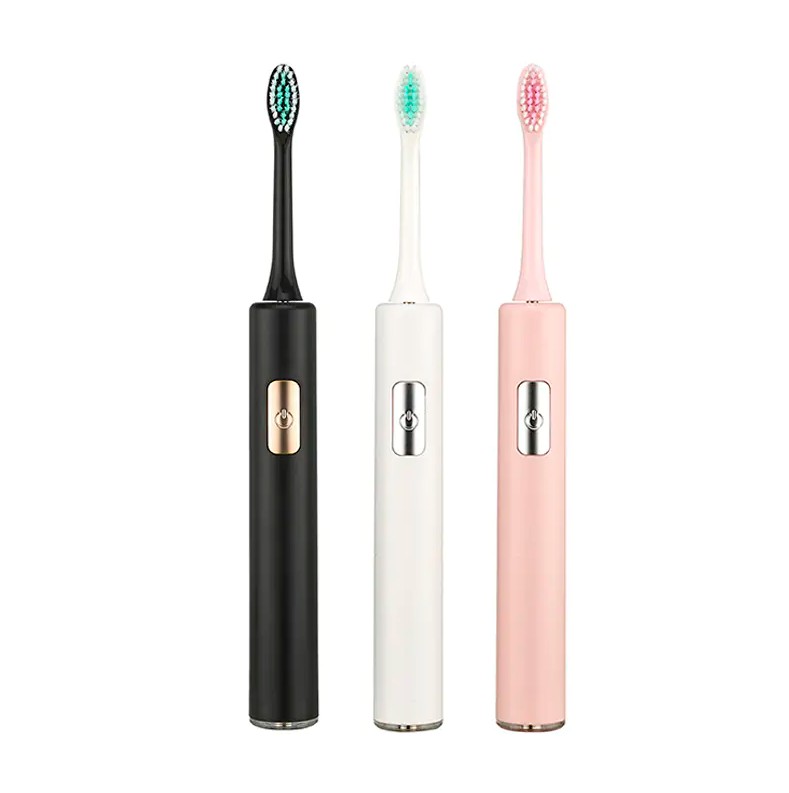
Phone:+86-13952799285
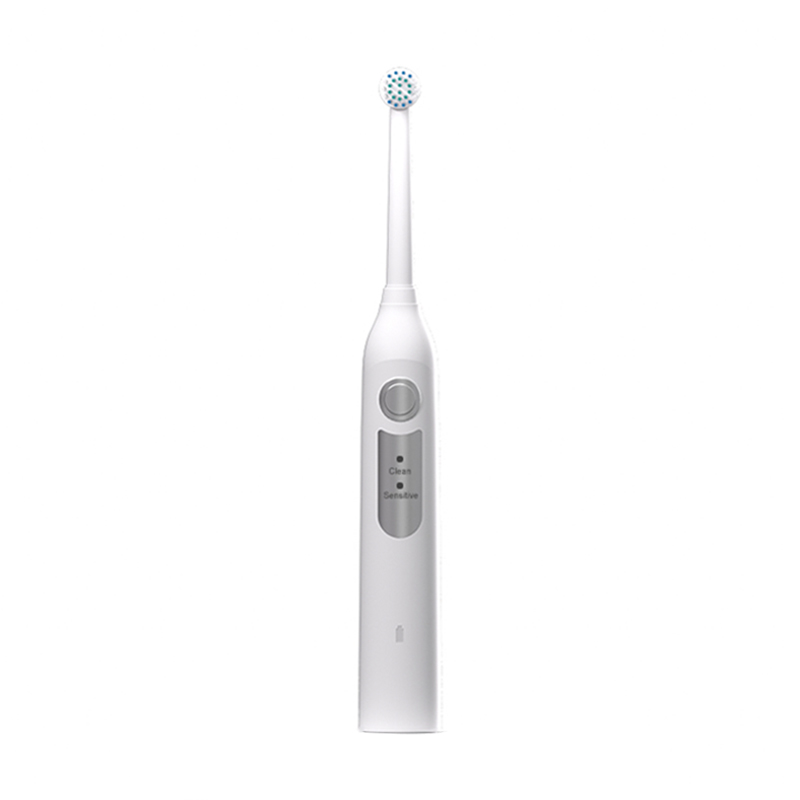
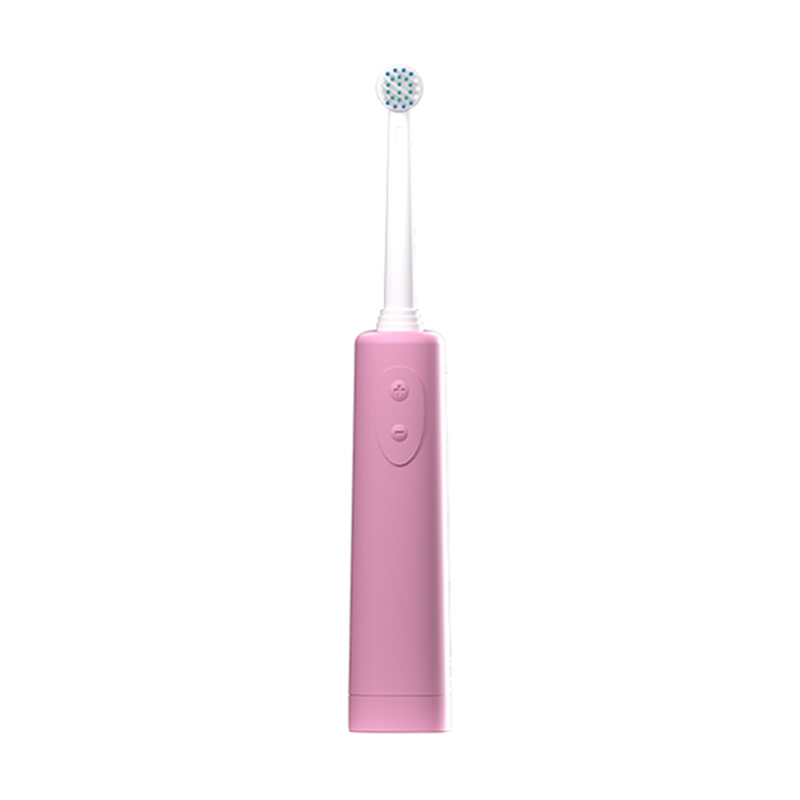
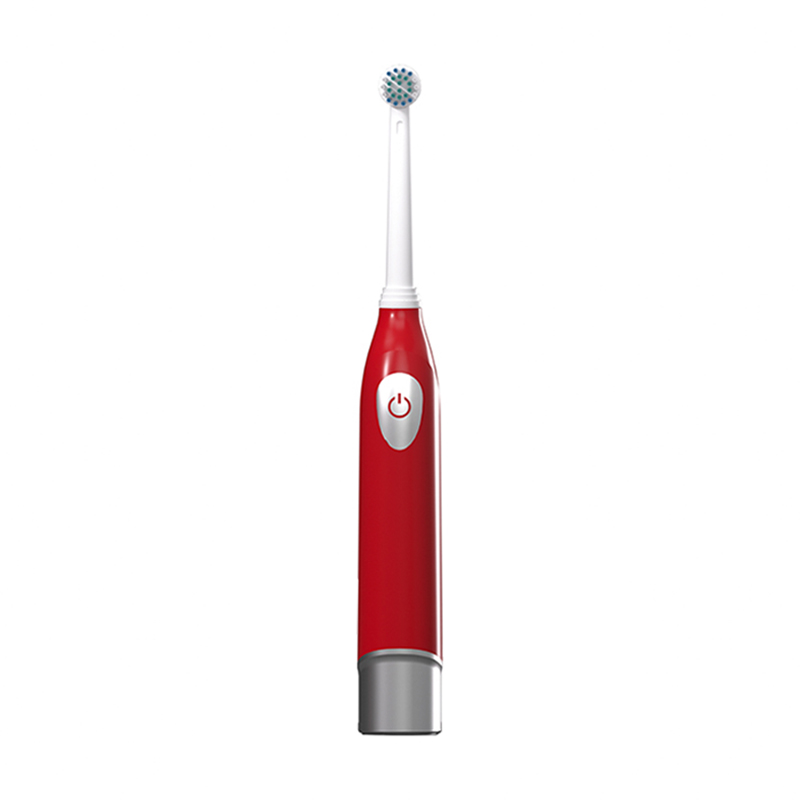
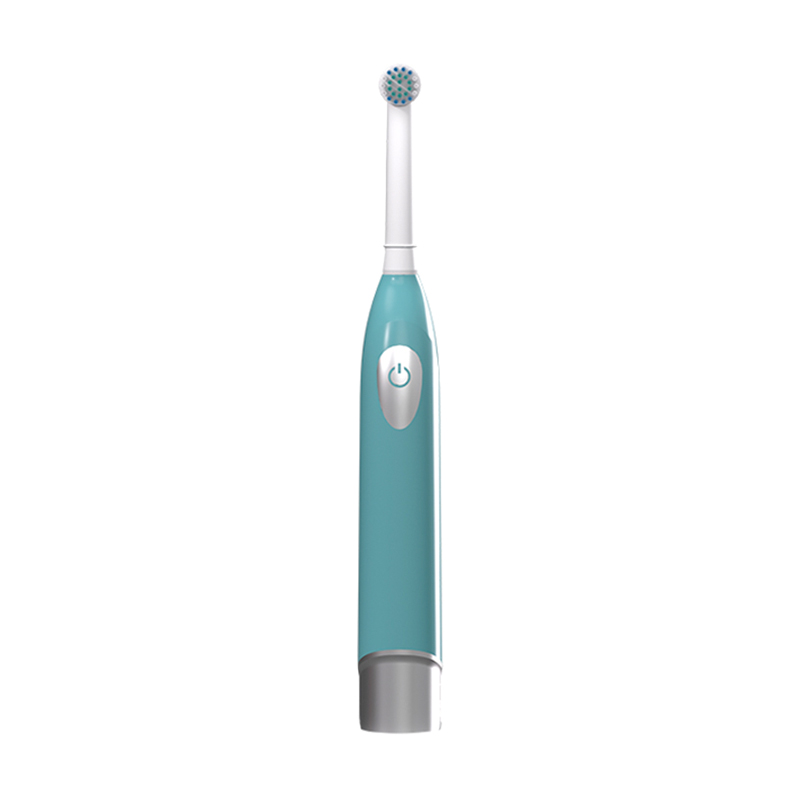
Ask a fourteen year old to brush for two minutes and you will usually get ninety seconds of enthusiastic scrubbing in the same four spots. That gap, not the logo on the handle, decides the real answer. After building toothbrushes for families since 1986, we keep returning to the same short list: the best toothbrush for a teenager is a rechargeable brush with a compact or small round head, soft bristles, a two minute timer and pressure feedback, plus a cheap manual brush for camp and sleepovers. Colour, apps and celebrity branding matter far less than those four items.
Content
- 1 Why Teen Brushing Is Not Just Smaller Adult Brushing
- 2 The Four Features That Decide the Purchase
- 3 Manual or Electric for a Teenager
- 4 What the Cleaning Difference Looks Like in Numbers
- 5 Where the Two Minutes Usually Disappear
- 6 Eight Weeks of Consistent Brushing, Measured
- 7 Five Criteria Side by Side
- 8 Three Brushes We Would Hand to a Teenager Today
- 9 Hygiene, Replacement and the Mistakes That Waste Money
Why Teen Brushing Is Not Just Smaller Adult Brushing
Second molars are still settling into place, enamel keeps maturing through the late teens, and gum tissue reacts quickly to heavy-handed pressure. Add brackets, wires, retainers or aligners and the number of plaque-trapping surfaces roughly doubles.
Three practical consequences follow from that:
- Reach. A compact head of about 20 to 24 millimetres cleans behind the last molar and around brackets in one pass, while a full size head of 28 millimetres or more often skips those areas.
- Pressure. Teenagers brush harder when they are late, so soft filaments that bend instead of digging in, plus a pressure sensor, protect the gum line.
- Consistency. A brush that needs a bulky base or a phone app usually stops being used by the second week, while USB charging and multi week battery life survive real routines.
The Four Features That Decide the Purchase
Head size and shape
A head that covers two molars is efficient. A head that covers four cannot follow the curve of the arch, and the back corners stay untouched.
Bristle softness
Soft and extra soft filaments remove plaque as well as hard ones when brushing time is long enough, and they carry far less risk of gum recession.
Timer and pressure feedback
A two minute timer with a thirty second quadrant reminder does more for a teenager than any extra cleaning mode.
Power and charging
Battery brushes suit travel and bathrooms without spare sockets. USB rechargeable brushes suit daily use and remove the ongoing cost of disposable cells.
| Age band | Head length | Bristle softness | Brushing target | Note |
|---|---|---|---|---|
| 11 to 12 | 18 to 20 mm | Extra soft | 2 minutes | New molars still erupting |
| 13 to 15 | 20 to 24 mm | Soft | 2 minutes | Braces and retainers common |
| 16 to 18 | 22 to 25 mm | Soft | 2 minutes | Adult head only if comfortable |
Manual or Electric for a Teenager
Both designs work when the brush fits and the teenager uses it properly, and brushing technique often decides the outcome as much as the brush itself. The table below shows where the two designs actually differ in daily use.
| Factor | Manual, compact head | Battery oscillating | Rechargeable sonic or oscillating |
|---|---|---|---|
| Plaque removal | Good with correct technique | Good to very good | Very good |
| Gum comfort | Depends on hand pressure | Depends on hand pressure | Controlled by motor and sensor |
| Braces access | Good with a small head | Fair with a round head | Good with a small round head |
| Running cost | Lowest | Cells plus brush heads | Brush heads only |
| Best use case | Travel, camp, backup | Shared bathroom, no charger | Daily home routine |
What the Cleaning Difference Looks Like in Numbers
Plaque reduction after eight weeks of twice daily brushing
Relative plaque reduction in percent, from internal comparison brushing notes.
The figures come from side by side brushing notes rather than a clinical trial, so read them as direction rather than absolute truth. A rechargeable sonic brush removed the most plaque over eight weeks, mainly because the built in timer kept sessions close to two minutes. Battery oscillating brushes landed in the middle, which makes them a sensible choice for a shared bathroom with no free socket. Manual brushes with a compact head beat full size manual brushes by about eight points, and reach explains most of that gap. If a teenager insists on a manual brush, choose the smallest head available and expect a slightly longer routine.
Where the Two Minutes Usually Disappear
Average brushing time per session by age group
Seconds per session, with the recommended two minute target shown for comparison.
Brushing time climbs slowly with age and never reaches the two minute target on its own. The eleven to thirteen group averaged about seventy eight seconds, largely because brushing competes with a phone or a sibling waiting for the sink. By eighteen, most teenagers are closer to one hundred and three seconds, still short of the recommendation. This is why a built in timer helps more than an extra cleaning mode, since it removes the need for self discipline early in the morning. Parents close most of the remaining gap by leaving the charger in plain sight and checking the timer once a week rather than every morning.
Eight Weeks of Consistent Brushing, Measured
Plaque score change over eight weeks of twice daily brushing
Lower plaque score means cleaner teeth. Week 1 is the starting point for both groups.
Both groups start from the same plaque score, so the shape of the two lines is the useful part. The manual group improved by about sixteen percent over eight weeks, mostly through better technique and steadier timing. The rechargeable sonic group improved by about forty six percent, and most of that gain arrived in the first four weeks. After week five the curve flattens, because the easy deposits are gone and what remains sits in the grooves and along the gum line. An eight week check is also the right moment to replace the brush head, since frayed filaments clean noticeably less well.
Five Criteria Side by Side
How rechargeable electric and manual brushes compare across five practical criteria
Scores are relative, with the outer ring representing the strongest performance on each criterion.
The five axes cover what families actually ask about: plaque removal, gum gentleness, willingness to use the brush daily, access around braces, and yearly running cost. The rechargeable electric shape sits further out on plaque removal, gentleness and compliance, which is the combination most teenagers need. The manual shape wins on running cost and, with a very small head, on braces access as well. A brush that scores well on paper but stays in a drawer scores zero in practice, which is why compliance is drawn as an equal partner to cleaning power. Read the shape as a filter rather than a ranking, and decide which two axes matter most for one particular teenager.
Three Brushes We Would Hand to a Teenager Today
For most teenagers: a USB rechargeable sonic brush
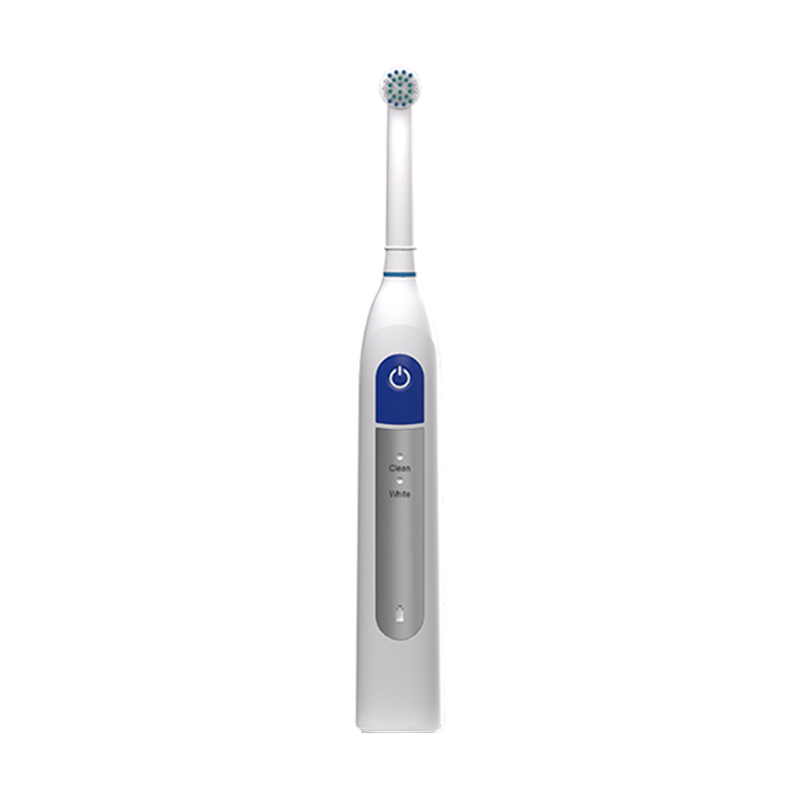
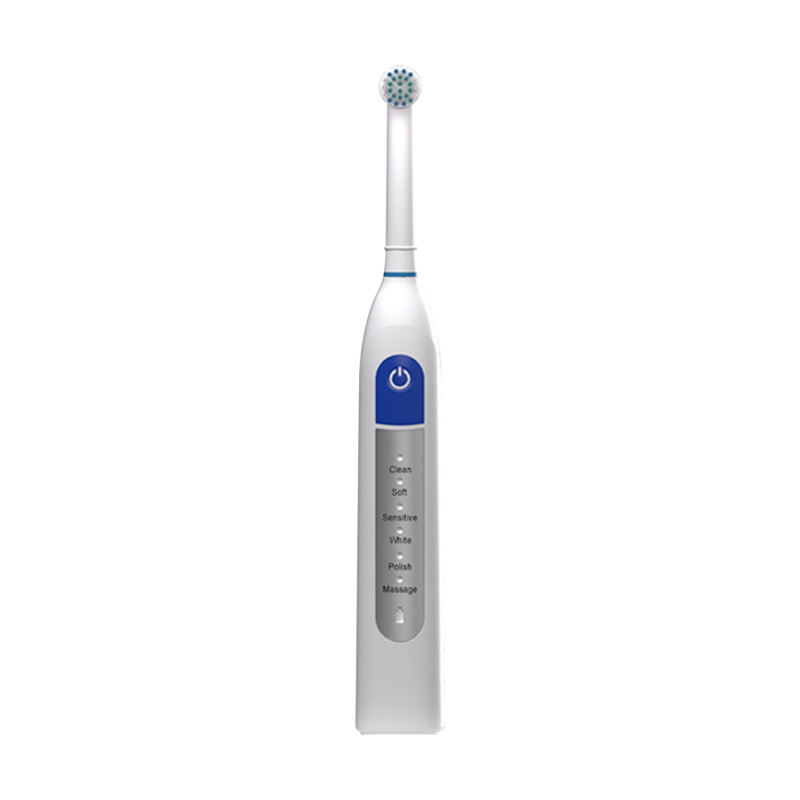
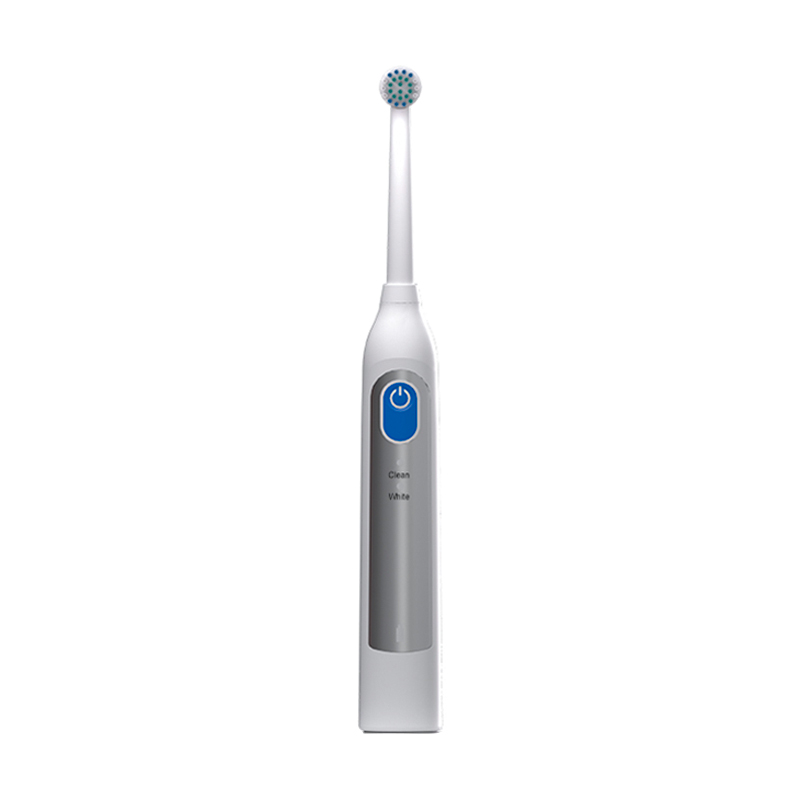
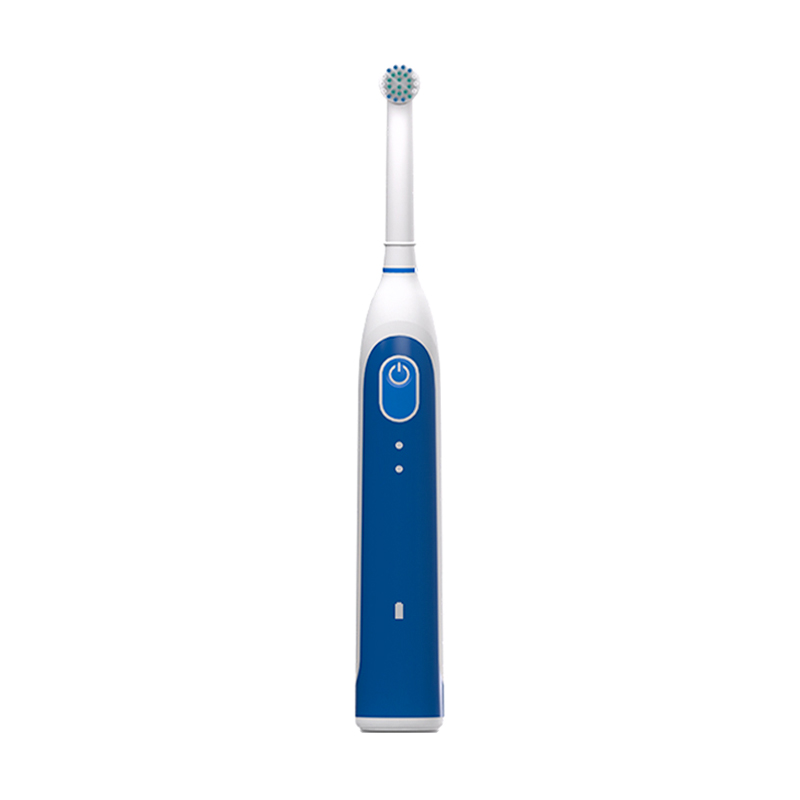
The ALB959 is a USB rechargeable sonic brush with a slim handle that suits smaller hands and a charging setup that does not need a bulky base. Sonic vibration in the 30,000 per minute range clears plaque along the gum line without asking the user to press hard, and the two minute guidance keeps rushed mornings in check.
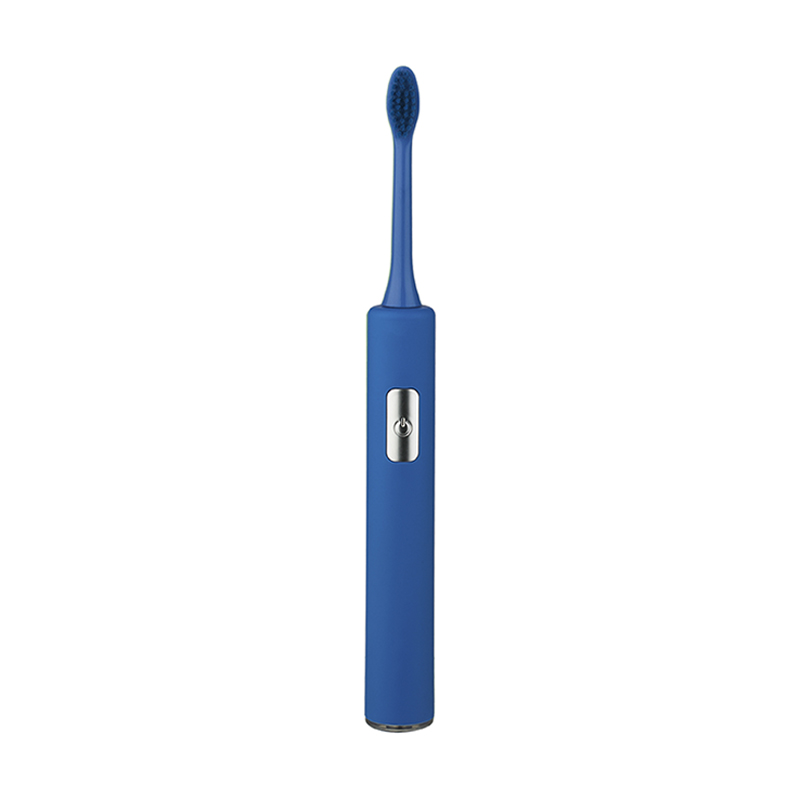 ALB-959 USB Rechargeable Sonic Electric Toothbrush For Cleaning And Whiteningwhite,pink,black,customized colorView Product →
For sensitive gums or heavy plaque: a duo action oscillating brush
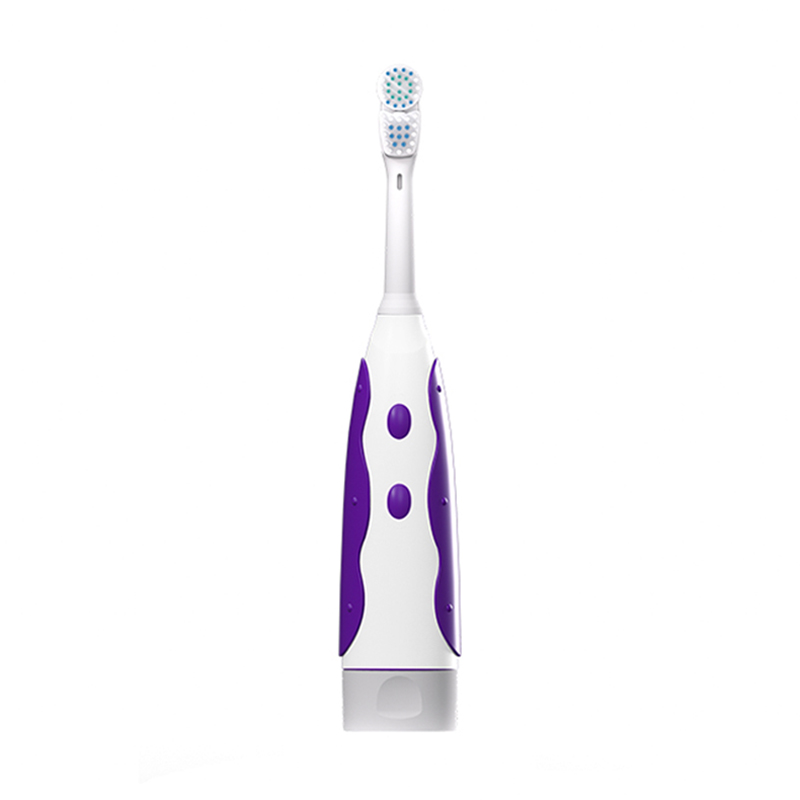
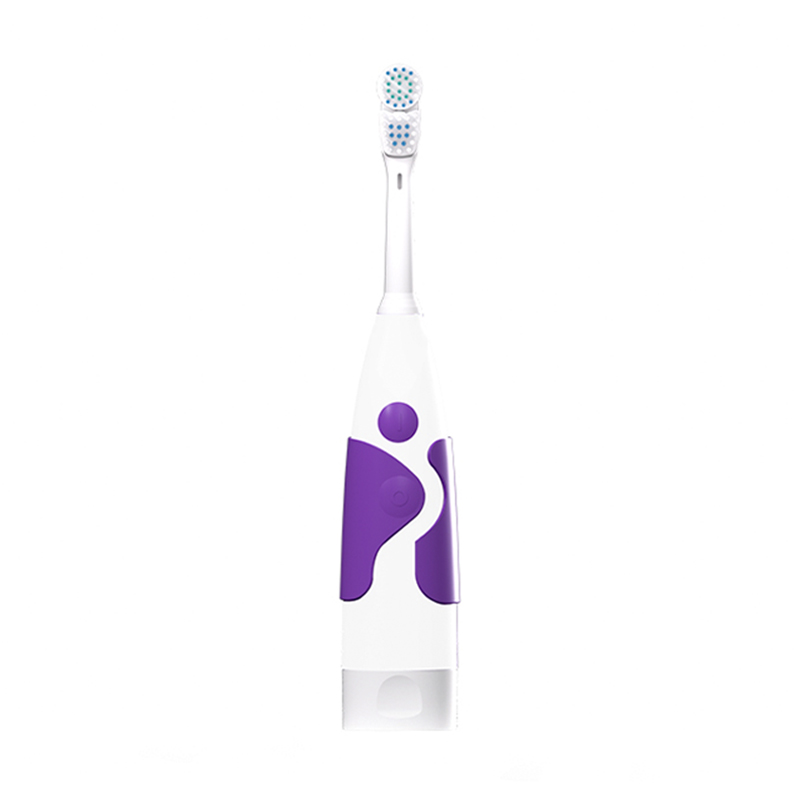
The ALB931 pairs oscillation with vibration and ships with soft bristles, so cleaning power stays high while the filament tips stay gentle on gums that bleed easily. The dual action covers the tooth surface and the gap between teeth in the same pass, which shortens the time a teenager spends in front of the mirror.
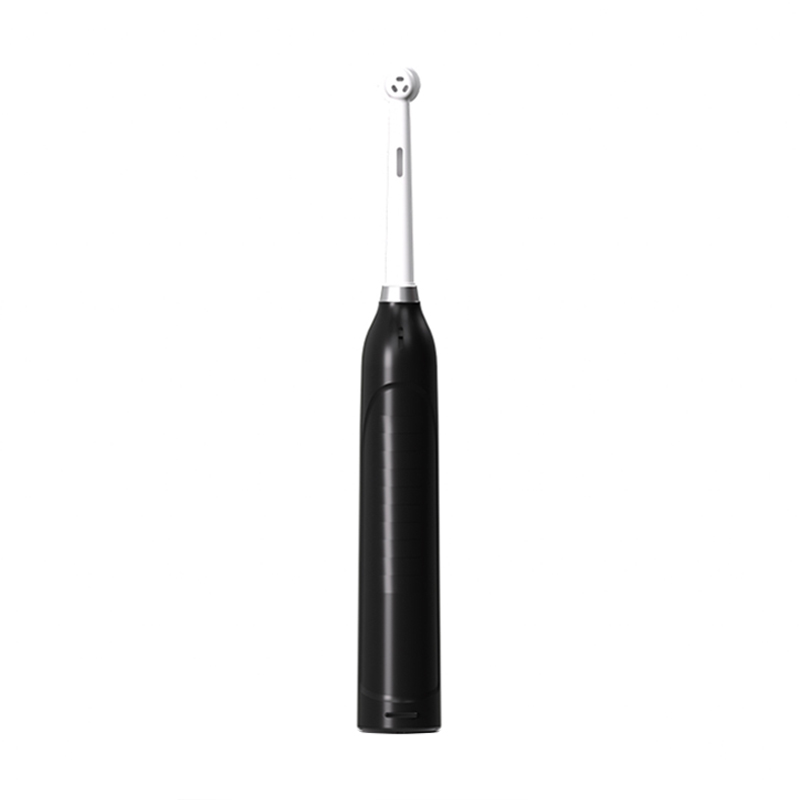 ALB-931 Oral Care Adult Rechargeable Duo Action Electric Toothbrush With Dupont Softred,black,customized colorView Product →
For camp, sport and screen free routines: a breathable soft bristle manual brush
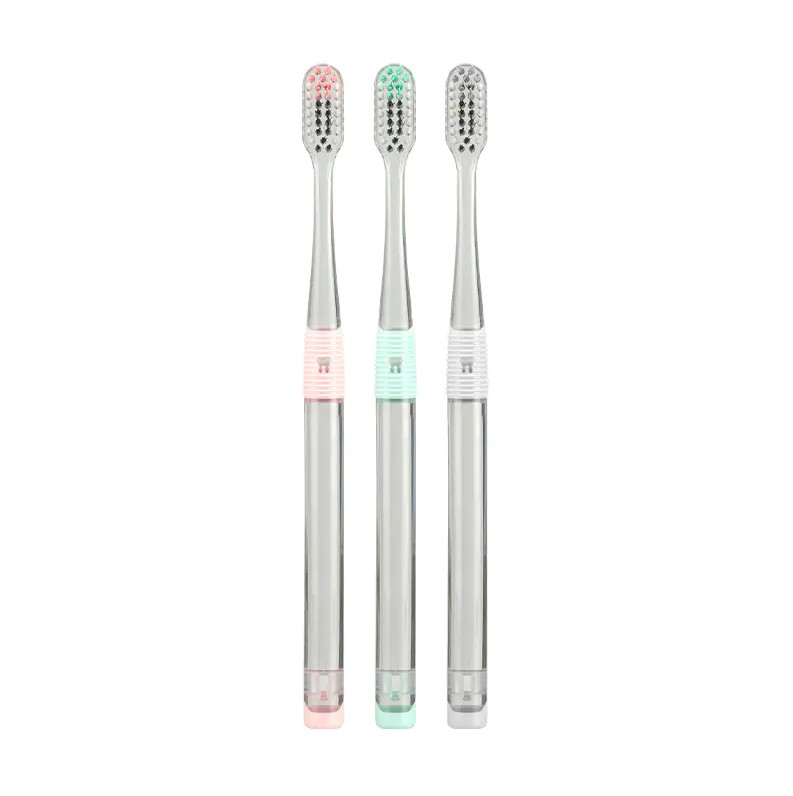
The ALB4023 uses a breathable handle that lets the bristle holes dry between uses, which reduces the residual moisture that bacteria prefer. It works as a second brush for trips and as a first choice for a teenager who simply prefers manual brushing with a compact head.
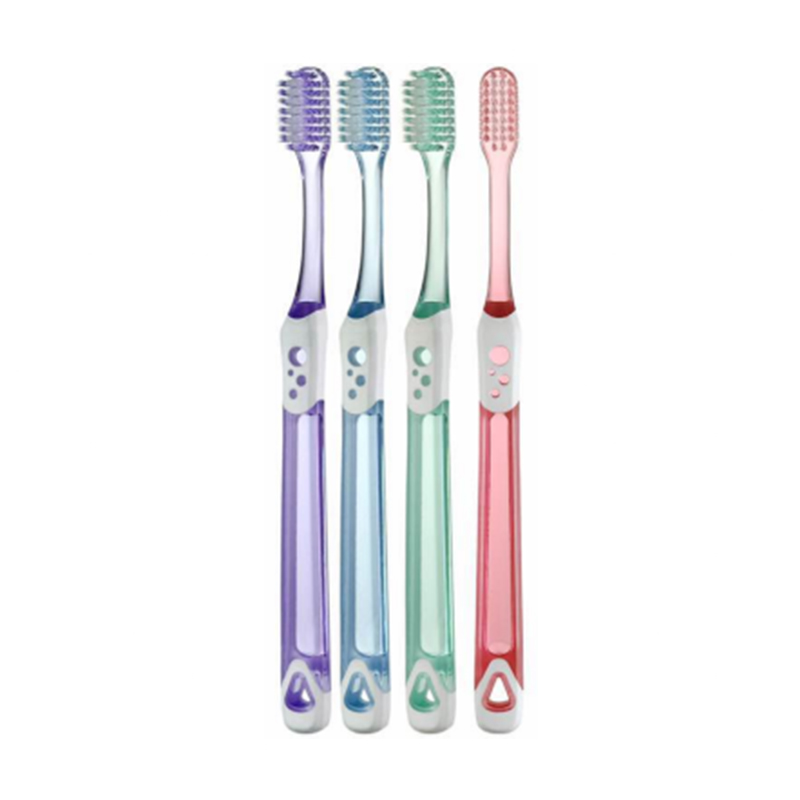 ALB-4023T Breathable Soft Bristle ToothbrushHello let's get in touchView Product →
Hygiene, Replacement and the Mistakes That Waste Money
Two habits protect the purchase more than any feature list. Let the brush dry upright and uncovered, and replace the head every three months or sooner if the filaments splay. A wet brush stored in a closed travel case grows bacteria quickly, and a frayed head cleans well below its rated performance.
Common buying mistakes we see in family orders:
- Buying a full size adult head for a thirteen year old, which makes the back molars almost impossible to reach.
- Choosing hard bristles for a deeper clean, which mostly adds gum recession risk.
- Paying for app features that a teenager uses twice and then ignores.
- Forgetting the replacement head price when comparing two brushes.
- Buying one brush for two siblings who share the same bathroom.
Pick the brush around the teenager rather than around the trend: measure the head against the mouth, keep the bristles soft, insist on a timer, and buy a manual backup for the weeks when the charger goes missing. If you want to compare manual, breathable, oscillating and sonic designs side by side, browse our oral care range and match the model to the person using it every morning.