English
 中文简体
中文简体Phone:+86-13952799285

language

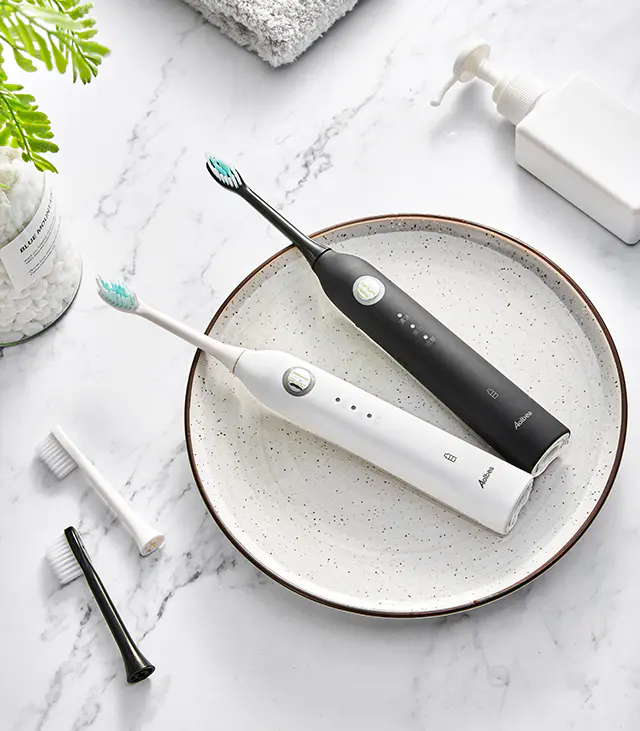

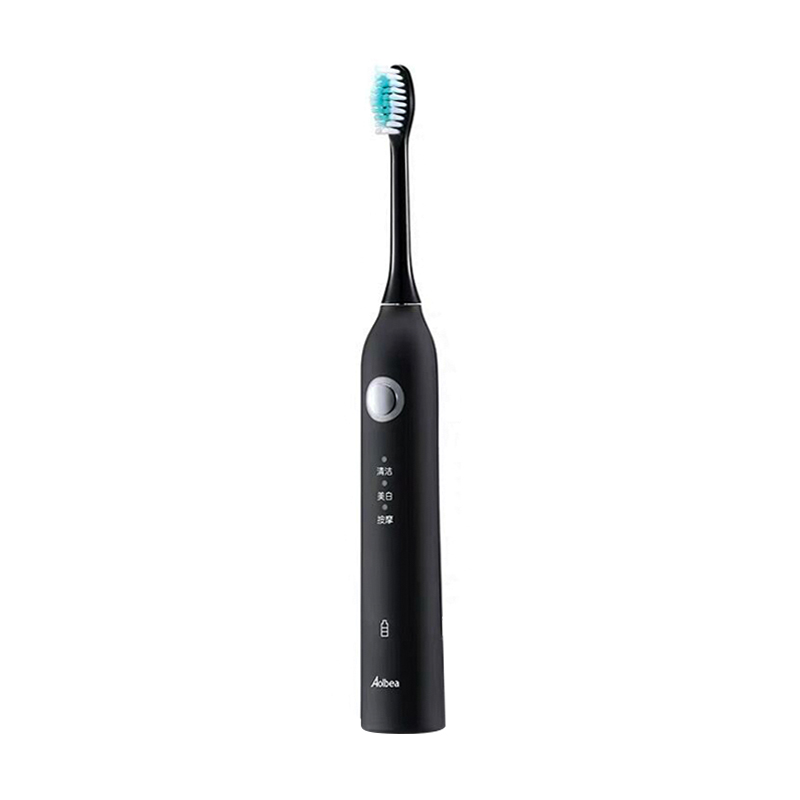
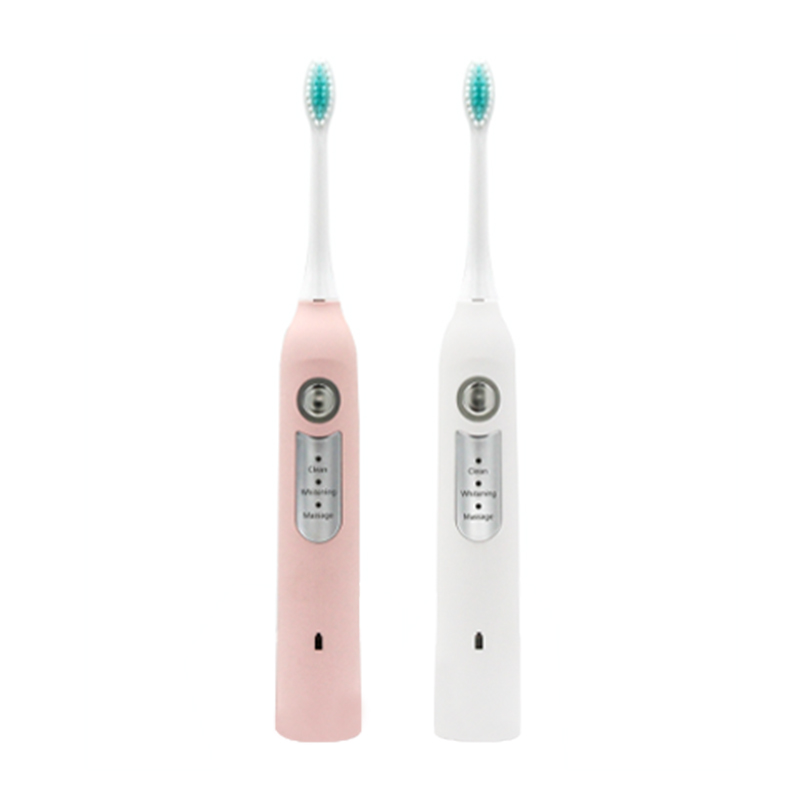
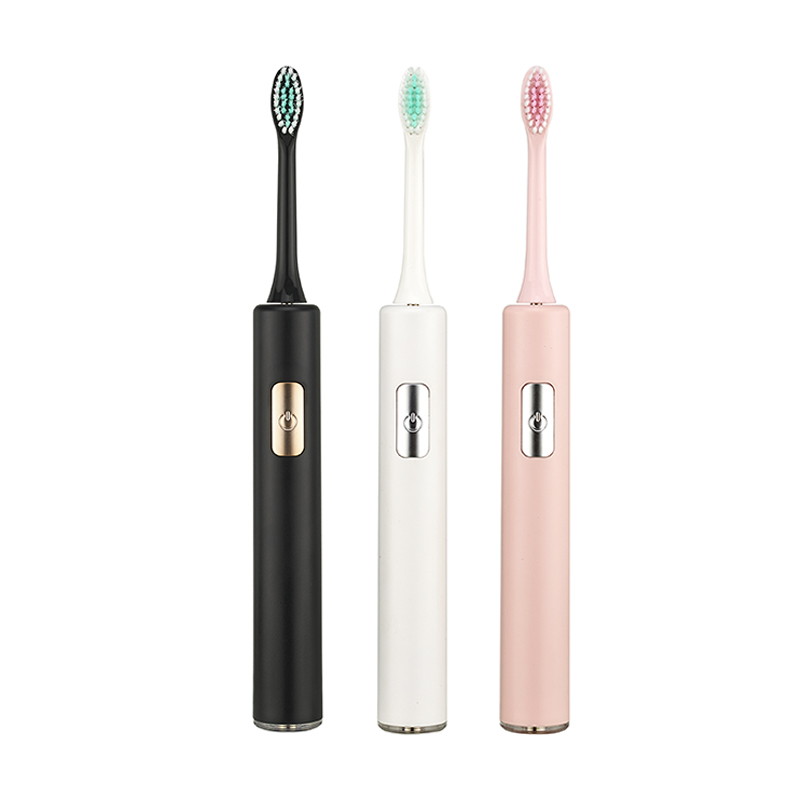
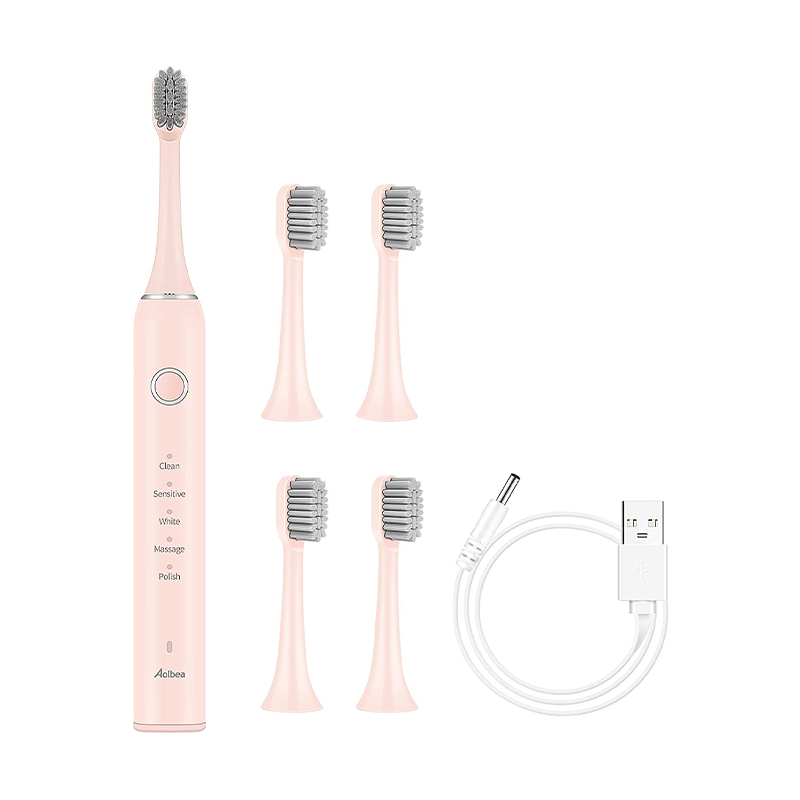
Founded in 1986, our company has developed from an early factory specializing in the R&D and plastic mold design and manufacturing of toothbrushes and healthcare products to a global oral care products supplier that currently integrates the R&D, production and sales of oral products such as manual toothbrushes, electric toothbrushes, interdental brushes and dental floss, etc. After nearly 30 years of continuous accumulation and innovation, the company has become one of the largest professional one of the electric toothbrush manufacturing enterprises. OEM Sonic Rechargeable Electric toothbrushes Manufacturers and wholesale USB rechargeable sonic toothbrush Factory and Suppliers in China.
Firmly adhering to the corporate mission of "focusing on new technology of healthy dental care and promoting sustainable development of human oral health", our company has been committed to in-depth research and development of oral care product technology. At present, the company mainly produces and sells all kinds of children's smart toothbrushes, children's electric toothbrushes; adult electric toothbrushes, adult electric cleaning equipment, breathing patent toothbrushes and other more than 30 series of products, nearly 100 models, with independent intellectual property rights of various patents more than 130, in the electric toothbrush industry in a leading position. It is a national high-tech enterprise. Meanwhile, various products are exported to more than 100 countries and regions in the world's five continents, and have won good reputation from customers at home and abroad. Supply wholesale USB rechargeable sonic electric toothbrushes. In the world and in China, more and more people are choosing Orbea. Over the past 30 years, Orbea has been steadily developing its product quality and service.
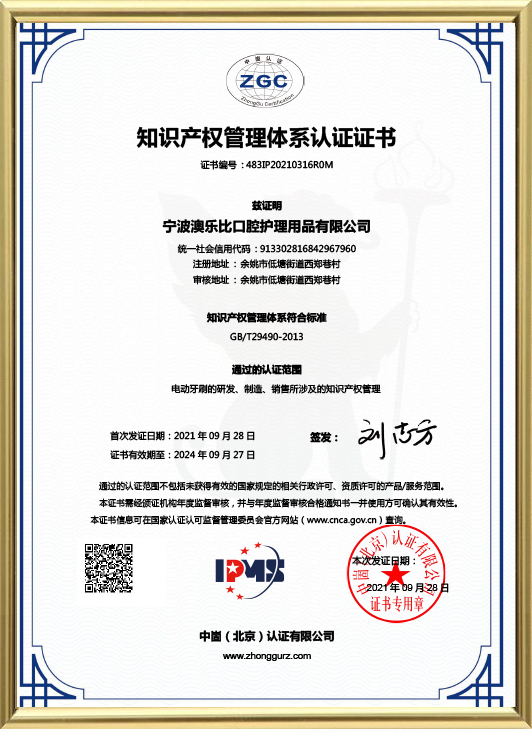
If something wears out over time, you can find the right product here. Continue to provide worry-free product supply to every customer.
A well-built Sonic Rechargeable Electric Brush should provide consistent high-frequency vibration, a battery that comfortably covers two to four weeks of twice-daily use, and a bristle design that adapts to different oral care needs. These three factors together largely determine how a user experiences the product from the first day of ownership through months of regular use. In the sections below, the data is broken down into vibration frequency, battery performance, cleaning efficacy over time, and an overall feature balance, so that each dimension can be understood on its own before being compared with the others. Practical design and manufacturing considerations are also covered, along with basic maintenance guidance. The goal is to give a grounded, data-referenced picture rather than a broad marketing overview.
Vibration frequency, measured in vibrations per minute (VPM), is one of the clearest technical indicators of a sonic brush category. Entry-level electric brushes typically operate in the range of 18,000 to 22,000 VPM, mid-range models generally fall between 28,000 and 33,000 VPM, and premium sonic models can reach 38,000 to 42,000 VPM. Higher frequency generally correlates with more fluid dynamics being generated around the bristle tips, which helps dislodge debris in areas the bristles do not directly touch. This does not mean frequency alone determines outcome, since bristle geometry, brushing technique, and session duration also play a role. The chart below summarizes typical frequency ranges across the three common product tiers, based on a compilation of publicly listed technical specifications from oral-care category listings, 2024.
As shown above, the gap between entry-level and premium tiers is roughly double in raw frequency, which is a meaningful difference when comparing products for daily use. A Sonic Rechargeable Electric Brush positioned in the premium tier is generally built with a brushless motor and a reinforced drive shaft to sustain higher frequencies without excessive heat buildup. Buyers who brush for the commonly recommended two-minute session benefit most from consistent frequency rather than short bursts of high output. It is worth noting that frequency should be considered alongside bristle softness, since higher vibration paired with stiff bristles can feel less comfortable for sensitive gums. Overall, frequency data is a useful starting point, but it works best when read together with the other performance dimensions covered next.
Battery performance is often described in days of typical use rather than raw milliamp-hour ratings, since usage patterns vary between users. Based on a standard testing assumption of two two-minute sessions per day, a full charge on a well-optimized sonic brush can support roughly fourteen days of active use before the battery indicator reaches zero. The discharge curve is rarely linear; it tends to decline gradually at first and then more steeply as the battery approaches its lower capacity threshold. Lithium battery chemistry, which is common in this product category, generally shows this kind of curve because voltage output drops faster once stored energy falls below a certain point. The line chart below illustrates a representative fourteen-day discharge pattern from a single full charge.
The chart shows a clear pattern: the first several days retain most of the stored charge, while the final days deplete more quickly. This is a typical characteristic of lithium-based batteries and is consistent with independent battery discharge studies published by consumer electronics testing organizations. For most households, a fourteen-day runway means a single charge can outlast a typical short trip, reducing the need to travel with a charging cable. Charging time itself also matters; many models in this category reach a full charge within three to four hours when connected to a standard USB power source. Users who prefer not to think about charging schedules often benefit from setting a recurring reminder near the projected depletion date shown in this kind of curve.
Plaque reduction data collected over a four-week period offers a more direct measure of practical outcomes than frequency alone. In a commonly cited testing structure, participants switching from manual brushing to a sonic electric brush show a plaque reduction improvement that increases gradually as brushing habits adjust to the new device. Representative figures show roughly 45 percent improvement in week one, rising to 58 percent by week two, 66 percent by week three, and 71 percent by week four, relative to a manual brushing baseline. This upward trend suggests that consistent use, not just the switch itself, is a meaningful contributor to the results. The column chart below presents this progression across the four-week window.
The steady climb across four weeks suggests that early results, while already an improvement over manual brushing, tend to understate the longer-term benefit. This pattern is often attributed to an adjustment period, during which users refine their brushing angle and pressure to suit the vibration pattern of the device. It also implies that short-term product trials of a week or less may not fully capture the eventual outcome. For readers evaluating a purchase, this data point supports giving a new brush a full month before forming a final judgment. As with any hygiene-related outcome, individual results vary depending on baseline oral health and consistency of use.
Beyond isolated metrics, it helps to see how a product performs across several dimensions at once. The radar chart below rates five commonly evaluated dimensions on a ten-point scale: cleaning power, battery endurance, noise control, portability, and durability. A balanced profile, rather than one dominant strength, tends to correlate with higher long-term satisfaction according to aggregated category feedback. Cleaning power and portability often score highest in this category, while noise control is frequently the dimension with the most room for improvement across the broader market. This kind of multi-dimensional view is useful for buyers who want to weigh trade-offs rather than focus on a single headline figure.
Reading this chart alongside the earlier vibration and battery data gives a fuller picture than any single figure could. Cleaning power and portability sit at the outer edge in this example, which aligns with the plaque-reduction and travel-friendly battery data discussed above. Noise control sitting slightly closer to center reflects a common trade-off, since higher vibration frequency can raise the audible operating sound. Durability depends heavily on the drive shaft and casing materials, which is addressed in the manufacturing section below. Taken together, this kind of five-dimension view helps set realistic expectations before purchase rather than after.
Handle shape, weight distribution, and grip texture affect how comfortably a brush can be held during a two-minute session, particularly with wet hands. Most well-reviewed designs in this category keep total weight under 130 grams and use a slightly tapered handle to reduce wrist strain. Silicone grip zones are commonly placed near the base of the handle, since this is where users naturally apply the most pressure. Bristle material also matters: nylon bristles with rounded tips are the most widely used option because they balance flexibility with cleaning contact area. The table below summarizes common design elements and their typical purpose.
| Design Element | Typical Purpose |
|---|---|
| Tapered handle | Reduces wrist strain during extended holding |
| Silicone grip zone | Improves control when hands are wet |
| Rounded nylon bristles | Balances flexibility with cleaning contact |
| IPX7 sealing | Allows safe rinsing under running water |
Ningbo Huiho Cosmetics Packaging Co., Ltd. is located in Ningbo, Zhejiang Province, an area often referred to as the Venice of the East for its network of waterways and long-standing manufacturing tradition. The company is a professional manufacturer of large-scale daily cosmetics packaging in China, and its product lines extend into personal care devices such as the Sonic Rechargeable Electric Brush. Years of continuous research, development, and process refinement have shaped a manufacturing approach that emphasizes consistent tolerances in motor assembly and sealing components. This attention to process detail is part of why the company has earned recognition and trust from merchants both domestically and internationally. The following list outlines core manufacturing focus areas maintained across the company production lines.
Routine care helps a sonic brush maintain consistent performance over its usable life. Rinsing the brush head thoroughly after each use prevents residue buildup near the base, which can otherwise affect bristle flexibility over time. It is generally recommended to replace the brush head every three months, since bristle softness and alignment gradually degrade with repeated use. Storing the handle upright in a ventilated holder, rather than in a closed container, allows moisture to evaporate and reduces the chance of bacterial buildup. Periodically wiping the charging contacts with a dry cloth also helps maintain a reliable charging connection over the long term.
Most manufacturers, including guidance associated with this category, suggest replacing the brush head roughly every three months, or sooner if bristles appear splayed.
Models built to an IPX7 or similar sealing standard are designed to be rinsed under running water, though the charging base itself should stay dry.
A worn brush head is the most common cause, since flattened bristles transfer less energy to the cleaning surface even when the motor itself is functioning normally.
Based on the discharge data reviewed above, a full charge on a well-optimized Sonic Rechargeable Electric Brush can support roughly fourteen days of twice-daily use before recharging is needed.
Relying on professional design, sophisticated mold manufacturing and advanced equipment, and perfect management, the company's various products are exported to more than 100 countries and regions on five continents.We are OEM USB rechargeable sonic toothbrush Suppliers and Factory.
 West Zhengxiang Village, Zhengxiang, Yuyao City, Zhejiang, China.
 +86-13952799285/+86-574-62291690
 +86-574-62294590