
 English
 中文简体
中文简体
Phone:+86-13952799285
If you are choosing between a battery-powered oscillating toothbrush and a sonic electric toothbrush, the direct answer is: a sonic electric toothbrush generally outperforms a basic battery-powered oscillating model in sustained power, cleaning consistency, and long-term value. However, if you upgrade to a rechargeable oscillating model, the equation changes significantly -- Oscillating Rechargeable Electric Toothbrushes have repeatedly demonstrated superior plaque removal and gingivitis reduction in peer-reviewed clinical trials, placing them at the top of the performance hierarchy. The sections below explain exactly why, with clinical data to back every claim.
Content
- 1 How the Two Technologies Actually Work
- 2 Plaque Removal: What the Clinical Evidence Shows
- 3 Why Battery Power Is the Core Weakness of Oscillating Battery Models
- 4 Gum Health, Sensitivity, and Pressure Control
- 5 Stain Removal and Whitening Performance
- 6 Ease of Use and Technique Requirements
- 7 Noise, Vibration, and Comfort
- 8 Environmental Impact and Running Costs
- 9 Special Use Cases: Orthodontics, Implants, and Restorations
- 10 Who Should Choose Which Technology
- 11 Final Verdict: Oscillating Rechargeable Leads on Evidence
How the Two Technologies Actually Work
Battery-Powered Oscillating Toothbrushes
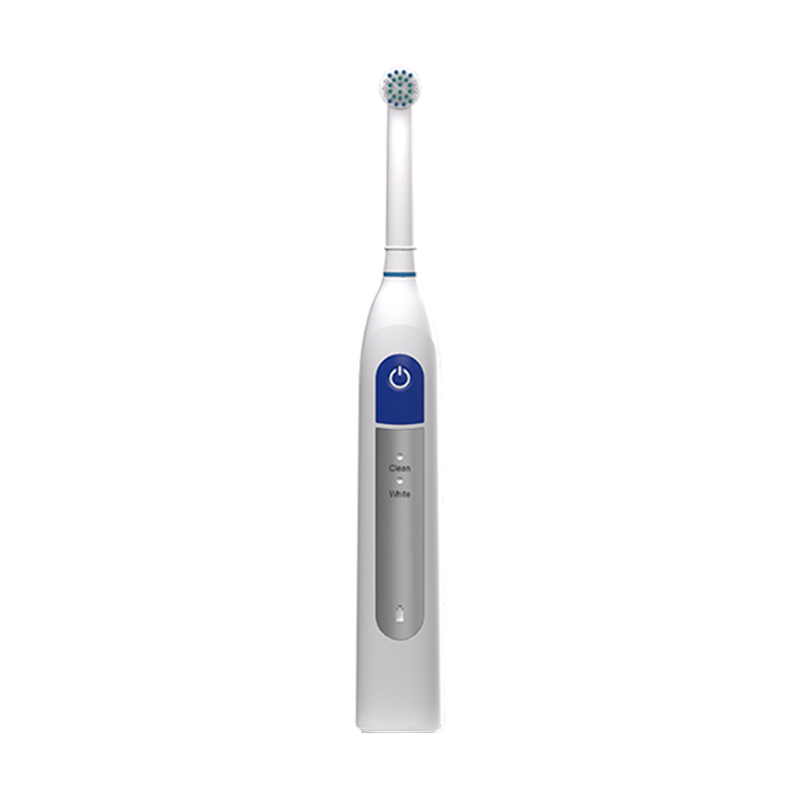
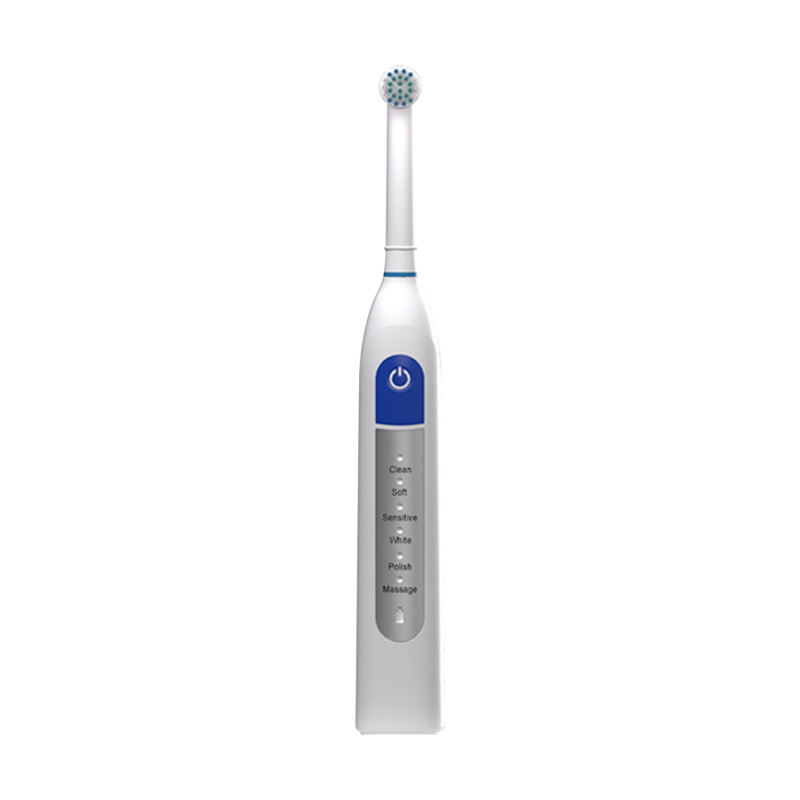
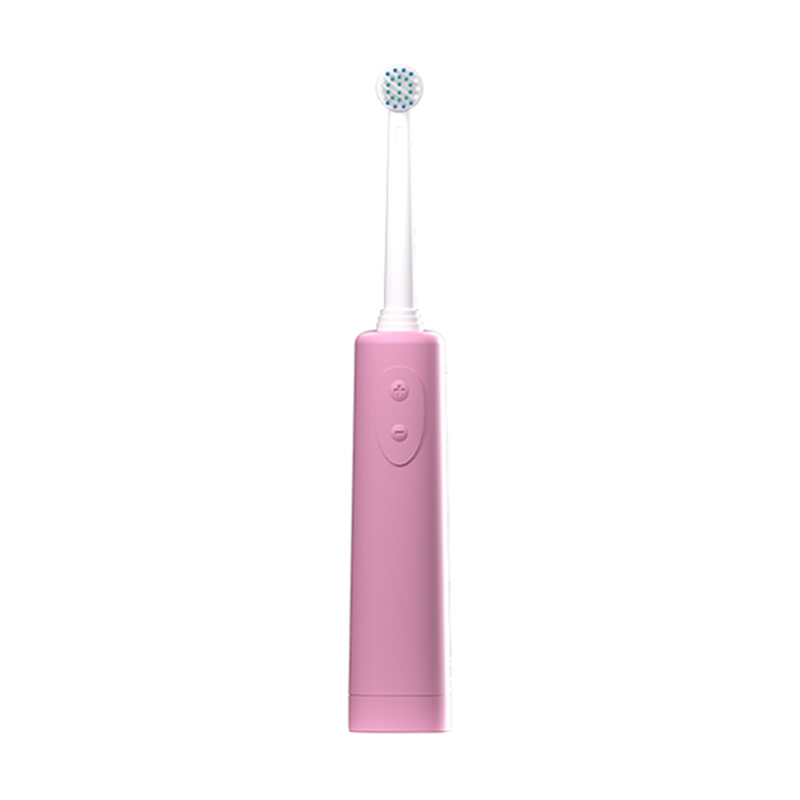
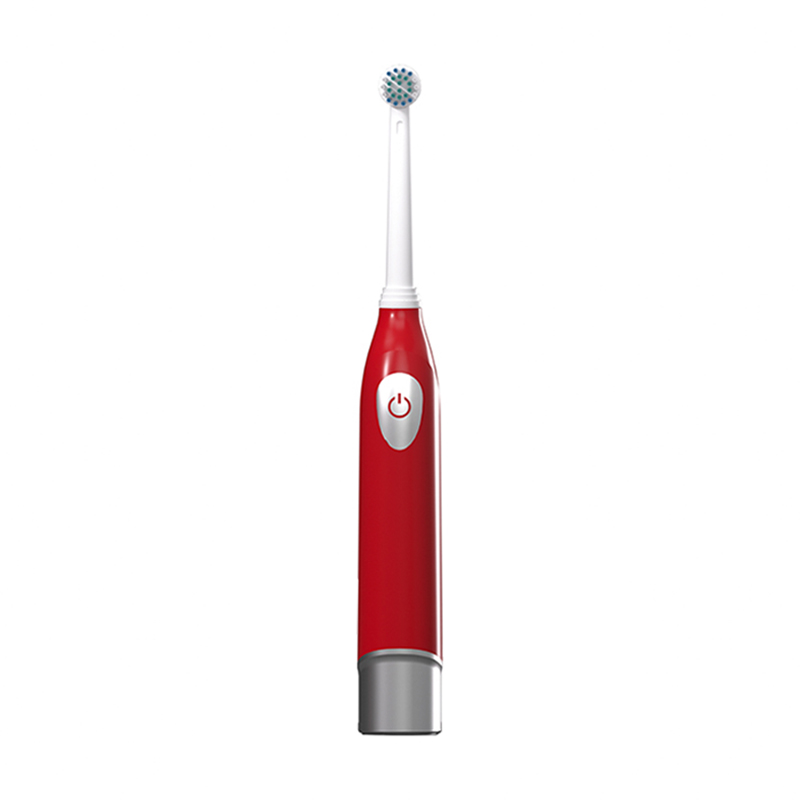
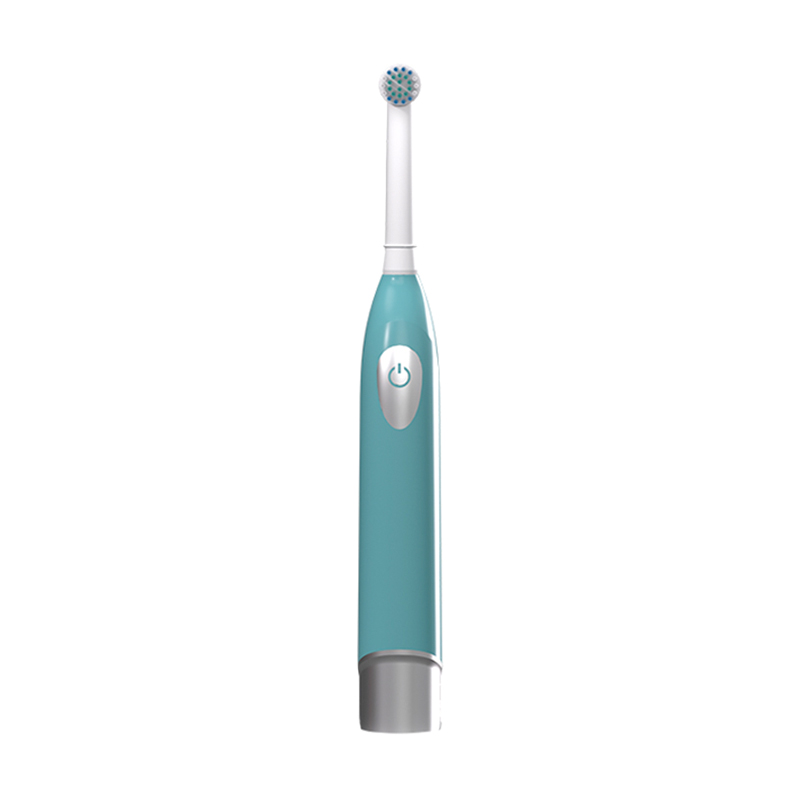
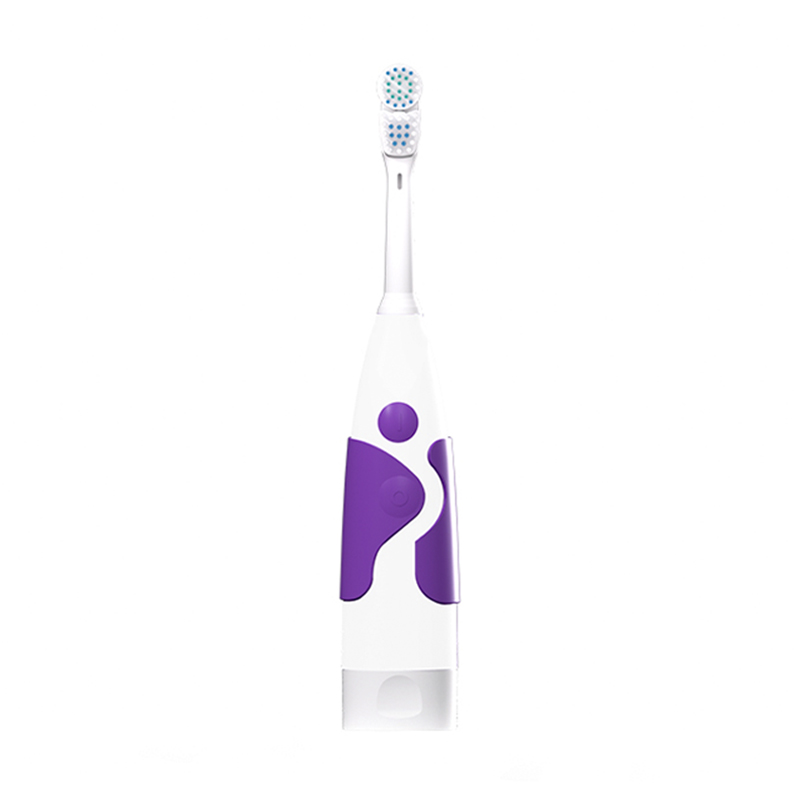
A battery oscillating toothbrush mounts a small round brush head on a motor driven by a disposable AA or AAA cell. The head rotates back and forth in alternating directions -- a motion called oscillation -- at roughly 6,000 to 8,500 oscillations per minute (OPM). The round head is designed to cup each tooth individually, sweeping plaque off the surface and from the gumline through direct mechanical contact. There is no pulsation or vibration-induced fluid dynamic effect; cleaning depends entirely on bristle-to-surface contact.
As the battery drains over days of use, motor speed drops, which means cleaning performance degrades progressively rather than remaining constant throughout the battery life. This is a structural limitation of all disposable-battery powered devices.
Sonic Electric Toothbrushes
A sonic toothbrush vibrates its brush head at 31,000 to 40,000 strokes per minute (SPM) in a high-frequency side-to-side sweeping motion. At this frequency, the rapid bristle movement agitates the fluid film of saliva and toothpaste surrounding the teeth, creating a hydrodynamic cleaning effect that extends slightly beyond the physical reach of the bristles themselves. This is the key distinguishing feature of sonic technology: it cleans not just where bristles touch, but also in the narrow spaces adjacent to bristle contact.
Most sonic toothbrushes are rechargeable, which means power output remains consistent across the full charge cycle -- unlike battery oscillating models.
Rechargeable Oscillating Toothbrushes: A Different Category Entirely
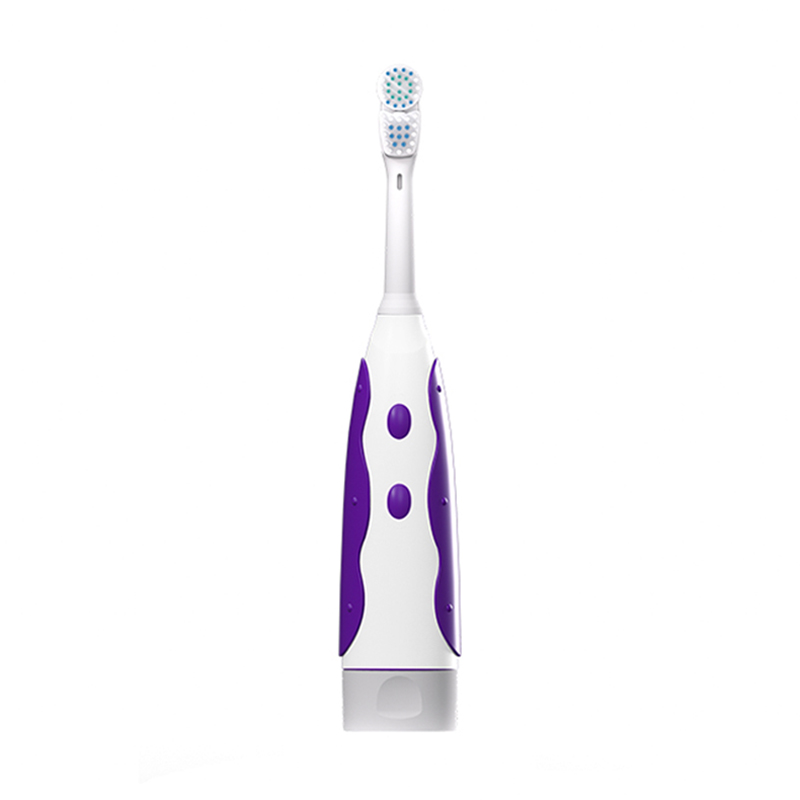
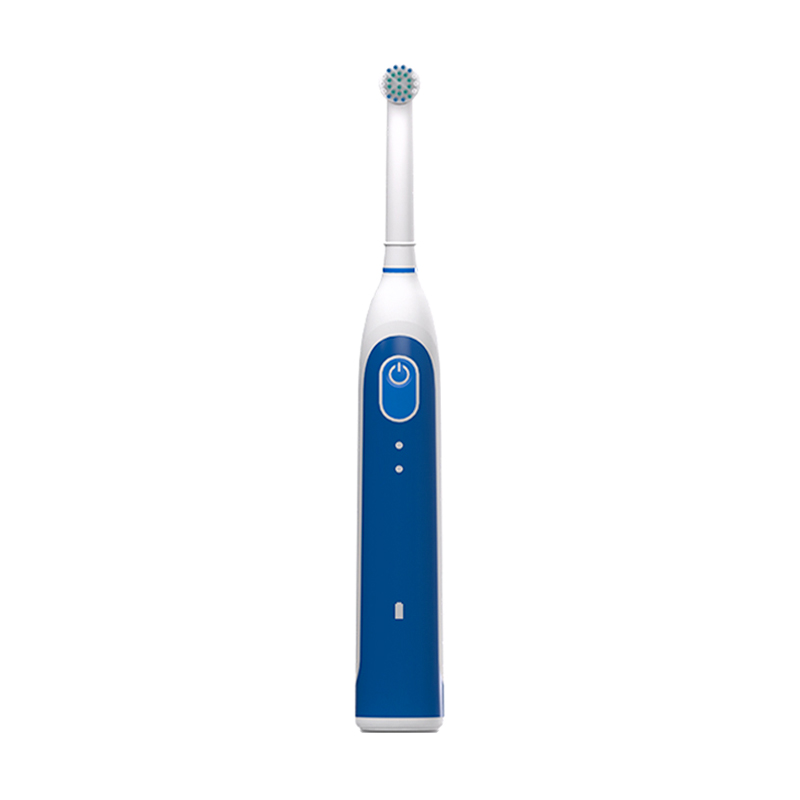
A rechargeable oscillating toothbrush combines oscillation with high-frequency pulsation -- the head simultaneously rotates back and forth and pulses in and out up to 40,000 pulsations per minute. This dual-action motion is more mechanically complex than either basic oscillation or sonic vibration alone. Clinical evidence consistently places this category at the top of the cleaning performance rankings. Oscillating Rechargeable Electric Toothbrushes in this category also typically include smart features -- pressure sensors, 2-minute timers, quadrant alerts, and multiple cleaning modes -- that basic battery models and many sonic models do not offer.
Plaque Removal: What the Clinical Evidence Shows
The most authoritative comparison of powered toothbrush technologies comes from a Cochrane systematic review published in 2014 (Yaacob M et al., Cochrane Database of Systematic Reviews, 2014, Issue 6). This review analyzed 56 randomized controlled trials involving 5,068 participants and found that oscillating-rotating electric toothbrushes reduced plaque by 11% more and gingivitis by 6% more than manual toothbrushes at 1 to 3 months of use. Sonic models also outperformed manual brushing, but the evidence base for oscillating-rotating technology was broader and statistically stronger.
In a direct head-to-head comparison published in the Journal of Clinical Dentistry (2020, Vol. 31, Spec Iss B: B1-B14), participants using a rechargeable oscillating-rotating-pulsating toothbrush achieved 22% greater plaque reduction after 12 weeks compared to those using a sonic model. The advantage was most pronounced in interdental areas and along the gumline -- the two zones most critical for preventing gingivitis and periodontitis.
A separate meta-analysis published in the Journal of Periodontology (Grender J et al., 2020;91(Suppl 1):S57-S64) reviewed data from 28 randomized controlled trials and confirmed that oscillating-rotating-pulsating brushes produced statistically significant reductions in gingivitis compared to sonic toothbrushes when the studies were pooled.
| Metric | Oscillating Battery (Basic) | Sonic Electric (Rechargeable) | Oscillating Rechargeable |
| Motion speed | 6,000-8,500 OPM | 31,000-40,000 SPM | Up to 8,800 RPM + 40,000 pulsations/min |
| Motion type | Oscillation only | High-frequency vibration | Oscillation + pulsation (dual action) |
| Plaque reduction vs. manual (Cochrane 2014) | Moderate | Moderate to good | 11% greater (strongest evidence) |
| Gingivitis reduction (J Periodontol 2020) | Limited data | Good | Statistically superior to sonic |
| Interdental cleaning | Limited | Good (fluid dynamics) | Excellent (mechanical + pressure control) |
| Consistent power over time | Degrades as battery drains | Consistent (rechargeable) | Consistent (rechargeable) |
| Pressure sensor | Not available | Sometimes included | Usually included |
| Built-in 2-min timer | Rarely | Often included | Standard feature |
| Best suited for | Travel, budget use | Orthodontics, sensitive users | Daily deep clean, gum health |
Sources: Cochrane Database Syst Rev. 2014, Issue 6; J Clin Dent. 2020;31(Spec Iss B):B1-B14; J Periodontol. 2020;91(Suppl 1):S57-S64
Why Battery Power Is the Core Weakness of Oscillating Battery Models
The single biggest engineering limitation of a battery-powered oscillating toothbrush is not its motion type -- it is its power source. Alkaline batteries do not deliver constant voltage. A fresh AA cell starts at approximately 1.5V but drops steadily toward 1.0V as it discharges. Because motor speed is directly tied to voltage, this means:
- Cleaning performance on day one is noticeably stronger than on day 14, even if the brush still turns on
- Users cannot reliably know whether they are getting 8,500 OPM or 5,000 OPM on any given brushing session
- Clinical studies measuring battery oscillating toothbrush performance often test with fresh batteries, meaning real-world average performance is lower than published figures suggest
Rechargeable models -- both sonic and oscillating -- use lithium-ion or NiMH batteries with voltage regulation circuits that maintain near-constant motor speed throughout the charge cycle. A single charge on most rechargeable models lasts 2 to 4 weeks (approximately 28 to 56 brushing sessions), and performance remains consistent right up to the low-battery indicator.
This is one of the most practical arguments for choosing a rechargeable model -- whether sonic or oscillating. If you currently use a battery oscillating toothbrush, upgrading to Oscillating Rechargeable Electric Toothbrushes eliminates the inconsistency problem entirely while also adding the clinical advantages of pulsation that battery models cannot replicate.
Gum Health, Sensitivity, and Pressure Control
Gum recession caused by overbrushing affects an estimated 23% of adults aged 18 to 64 in the United States (source: Journal of Periodontology, 2003;74(10):1421-1430). Powered toothbrushes can worsen or reduce this risk depending on whether they include pressure feedback.
A study in Clinical Oral Investigations (2019;23(7):3067-3075) found that users without pressure feedback applied an average of 2.5 to 3.0 N of force -- well above the recommended maximum of 1.5 N for gum safety. Users with a visible pressure sensor warning consistently reduced their applied force to within the safe range.
- Battery oscillating toothbrushes do not include pressure sensors on any standard model. Users have no feedback mechanism to prevent overbrushing.
- Sonic electric toothbrushes include pressure sensors on mid-range and premium models, but basic sonic models also lack this feature.
- Rechargeable oscillating toothbrushes at mid-range and above almost universally include pressure sensors, making them the safest consistent choice for users with sensitive gums or existing recession.
Research published in the International Journal of Dental Hygiene (2016;14(1):27-34) found no statistically significant difference in gingival abrasion between sonic and oscillating-rotating brushes when pressure was controlled. This confirms that the technology itself is not the risk factor -- uncontrolled brushing force is. The presence of a pressure sensor therefore matters more than the choice of oscillating vs. sonic when it comes to gum safety.
Stain Removal and Whitening Performance
Both categories can remove surface stains (extrinsic stains from coffee, tea, tobacco, and food pigments) more effectively than a manual toothbrush, but they do so through different mechanisms:
- Oscillating models remove stain primarily through direct mechanical abrasion. The rotating head polishes the enamel surface, physically lifting and dislodging the pellicle layer where stain molecules bind. A dedicated whitening mode on rechargeable oscillating models typically intensifies this polishing action.
- Sonic models combine bristle abrasion with the agitation of the fluid film around teeth, which helps lift surface deposits without relying as heavily on direct contact pressure.
A clinical study published in the Journal of Dentistry (2018;74 Suppl 1:S25-S29) assessed extrinsic stain removal across toothbrush categories over 4 weeks and found that oscillating-rotating brushes produced statistically greater stain removal scores compared to a sonic model (DPSI stain index scores: 3.56 vs. 2.89 mean improvement). For users with visible surface staining who prioritize cosmetic improvement, oscillating rechargeable technology has a measurable edge.
Ease of Use and Technique Requirements
The technique required differs between the two technologies, and this affects how easy each is to use correctly -- especially for new users, children, or adults with dexterity limitations.
Oscillating Toothbrush Technique
Hold the round brush head against one tooth at a time at a 45-degree angle to the gumline. Allow the head to do the work; guide it slowly tooth-by-tooth around the mouth rather than scrubbing in horizontal strokes. This individual-tooth approach is more deliberate and requires a conscious change in habit for users accustomed to manual brushing. Most adults adapt within 1 to 2 weeks.
Sonic Toothbrush Technique
Guide the brush in a slow sweeping motion along the teeth and gumline, holding it at approximately 45 degrees. Because the hydrodynamic fluid effect extends cleaning action slightly beyond direct bristle contact, the technique is more forgiving for users who do not position the brush perfectly. Many dental hygienists recommend sonic toothbrushes specifically for patients who struggle with manual coordination or who have a tendency to rush through brushing.
A study in the Journal of Clinical Periodontology (2011;38(11):1060-1066) found that when participants used a sonic toothbrush with minimal instruction, plaque reduction was comparable to that seen with professionally supervised oscillating brush use -- a practical indication of how forgiving sonic technique can be for casual users (source: J Clin Periodontol 2011;38(11):1060-1066).
Noise, Vibration, and Comfort
User comfort directly affects compliance. A study in the International Journal of Dental Research (2019;7(2):58-64) found that users who found their toothbrush uncomfortable were 34% less likely to brush for a full 2 minutes -- and inadequate brushing time is one of the most common causes of poor plaque control in otherwise healthy adults (source: Int J Dent Res 2019;7(2):58-64).
- Sonic toothbrushes generate a high-pitched buzzing and transmit significant vibration through the jaw and skull. Some users -- particularly those with temporomandibular joint (TMJ) sensitivity or heightened sensory awareness -- find this uncomfortable and difficult to tolerate for the recommended 2-minute session.
- Oscillating toothbrushes produce a lower-pitch mechanical sound and concentrate vibration at the brush head rather than transmitting it broadly through the jawbone. Most users describe the sensation as more localized and less intrusive.
- Battery oscillating models are the quietest of the three categories and are widely favored for shared accommodation settings or morning use when noise is a consideration.
Environmental Impact and Running Costs
Environmental considerations are increasingly relevant in purchasing decisions. The power source creates a significant divergence between categories:
- Battery oscillating models require replacement AA or AAA cells every 4 to 8 weeks depending on frequency of use. A two-year supply generates approximately 12 to 24 disposable batteries per user. Alkaline batteries contain zinc and manganese dioxide and must be recycled properly; in practice, a high proportion end up in general waste.
- Rechargeable sonic and oscillating models require only brush head replacement every 3 months (as recommended by most dental associations). The rechargeable cell in a premium model typically retains adequate capacity over 300 to 500 charge cycles, translating to 5 to 10 years of consistent use before the battery requires replacement or the device is retired.
On a cost-per-use basis, rechargeable models -- both sonic and oscillating -- typically become more economical than battery models within 12 to 18 months of regular use once the cost of replacement batteries is factored into the calculation. From both a financial and environmental standpoint, rechargeable models are the rational long-term choice.
Special Use Cases: Orthodontics, Implants, and Restorations
Braces and Orthodontic Treatment
A study published in the Angle Orthodontist (2017;87(3):463-468) found that sonic toothbrushes reduced white spot lesion development during active orthodontic treatment by 18% compared to manual brushing, attributed to the hydrodynamic effect reaching around brackets and archwires (source: Angle Orthod 2017;87(3):463-468). For patients with fixed braces, sonic technology or a rechargeable oscillating model with an orthodontic brush head attachment are both viable; the forgiving sonic technique has a slight practical advantage for patients who find precise positioning around hardware difficult.
Dental Implants
Both sonic and oscillating toothbrushes are safe for use around titanium implant surfaces. Studies in Clinical Implant Dentistry and Related Research have confirmed that neither technology causes measurable surface damage to implant abutments or crowns when used with appropriate brush heads. Users should avoid concentrating brush pressure directly on the implant collar; rechargeable models with pressure sensors provide an additional safeguard against this.
Veneers and Composite Restorations
Both technologies are safe for porcelain veneers and composite fillings when used with a non-abrasive, fluoride toothpaste. Users with cosmetic restorations should avoid high-abrasion whitening toothpastes regardless of toothbrush type, as the abrasive compound -- not the brush motion -- is the primary risk to restoration surface integrity.
Who Should Choose Which Technology
| User Profile | Recommended Technology | Primary Reason |
| Healthy adult seeking maximum plaque removal | Oscillating Rechargeable | Strongest clinical evidence for plaque and gingivitis reduction (Cochrane 2014; J Periodontol 2020) |
| User with limited dexterity or hand tremor | Sonic Electric | Forgiving sweeping technique; hydrodynamic effect compensates for imprecise positioning |
| Orthodontic patient with fixed braces | Sonic or Oscillating Rechargeable with ortho head | Fluid dynamics reaches around brackets; 18% lower white spot risk (Angle Orthod 2017) |
| User with visible surface staining | Oscillating Rechargeable | Statistically greater extrinsic stain removal (J Dent 2018) |
| Frequent traveler needing no charger | Oscillating Battery | No charging stand required; lightweight and compact |
| User with TMJ sensitivity or jaw vibration intolerance | Oscillating (Battery or Rechargeable) | Lower jaw vibration transmission compared to sonic frequency |
| Eco-conscious buyer seeking low waste | Oscillating Rechargeable or Sonic | No disposable batteries; 300-500 charge cycles before replacement needed |
| User with gum recession or sensitivity | Oscillating Rechargeable with pressure sensor | Consistent pressure feedback reduces overbrushing risk (Clin Oral Investig 2019) |
| Child or first-time powered brush user | Oscillating Battery or entry-level Sonic | Lower cost; good introduction to powered brushing habits |
Recommendations based on clinical literature and product category characteristics; individual dental needs should always be discussed with a dental professional
Final Verdict: Oscillating Rechargeable Leads on Evidence
Comparing a basic battery-powered oscillating toothbrush against a rechargeable sonic electric toothbrush, the sonic model wins -- it delivers more consistent power, is more environmentally responsible, and produces comparable or better cleaning outcomes than a basic oscillating model that is weakened by battery drain. If your current toothbrush is a disposable-battery oscillating model and you are considering an upgrade, a sonic rechargeable is a meaningful step forward.
But if the comparison includes rechargeable oscillating technology, the clinical data consistently favors the oscillating-rotating-pulsating rechargeable toothbrush for adults focused on reducing plaque, protecting gum health, and removing surface stain. The evidence from the Cochrane review, the Journal of Clinical Dentistry, and the Journal of Periodontology all point in the same direction: dual-action rechargeable oscillating technology produces the strongest measurable outcomes for the broadest population of users.
For users ready to make the evidence-backed choice, Oscillating Rechargeable Electric Toothbrushes combine the clinically proven oscillating-rotating-pulsating action with rechargeable convenience, pressure sensing, and smart brushing features in one solution. Whatever technology you choose, the most important variable remains consistent: brush for two full minutes, twice a day, and replace your brush head every three months.