
 English
 中文简体
中文简体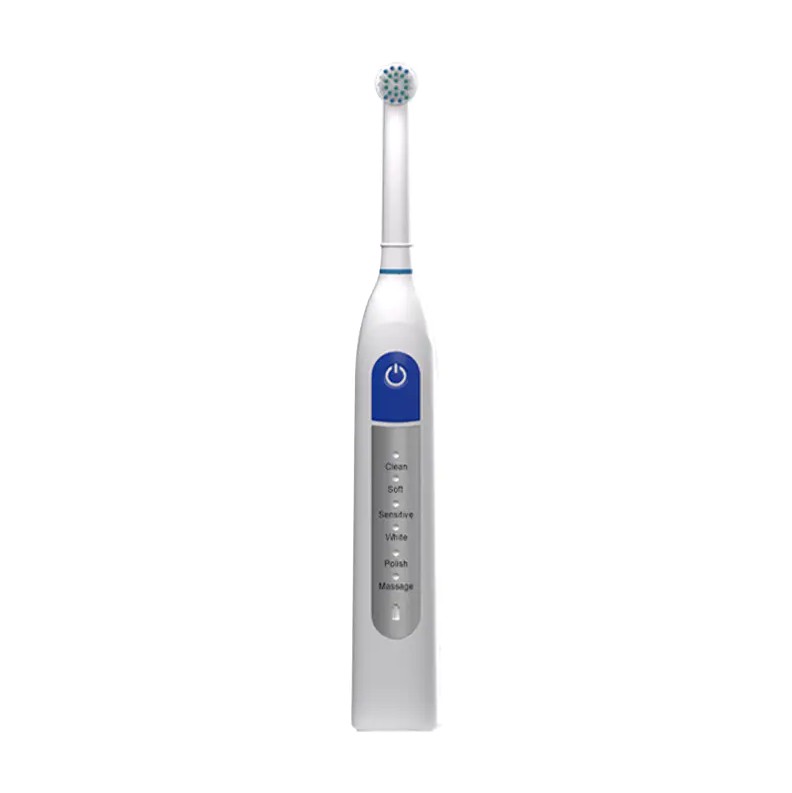
Phone:+86-13952799285
A Sonic Rechargeable Electric Brush is a battery-powered toothbrush that uses a high-frequency vibrating motor to move its bristle head at sonic or near-sonic speeds — typically between 31,000 and 62,000 brush strokes per minute — while being powered by a built-in rechargeable lithium-ion or NiMH battery that is replenished through an inductive or USB charging base rather than disposable batteries. The combination of sonic-frequency vibration and wireless rechargeability defines this product category and distinguishes it from both manual toothbrushes and older oscillating-rotating electric toothbrush designs.
The "sonic" designation refers to the frequency range of the bristle motion. At 31,000 strokes per minute, the bristle tip oscillates at approximately 260 Hz — within the lower end of the audible sonic frequency range (20 Hz to 20,000 Hz), which is why these toothbrushes produce a characteristic humming sound during use. This high-frequency motion generates two distinct cleaning mechanisms that work simultaneously: direct mechanical scrubbing of tooth surfaces by the bristles, and a fluid dynamic effect where the rapid acceleration of water and saliva creates microbubble cavitation and turbulent fluid flow that extends cleaning action beyond the direct bristle contact zone. (Source: Versteeg, P.A. et al., "Brushing with a sonic toothbrush produces fluid dynamics in vitro," Journal of Clinical Dentistry, Vol. 19, No. 4, 2008.)
The rechargeable element means the toothbrush contains an integrated sealed battery — most commonly lithium-ion for modern flat or slim designs, or NiMH for cylindrical handle designs — that is charged inductively through a waterproof induction coil in the handle base, or directly through a USB-C or micro-USB port. Typical charge cycles of 2 to 4 hours provide 2 to 6 weeks of daily use depending on battery capacity and usage frequency, eliminating the cost and waste of disposable AA or AAA batteries.
Content
- 1 How Sonic Technology Works: The Physics of High-Frequency Brushing
- 2 Clinical Evidence: What Research Shows About Sonic Brush Cleaning Effectiveness
- 3 Key Components of a Sonic Rechargeable Electric Toothbrush
- 4 Rechargeable Battery Life: What to Expect and How to Optimize It
- 5 Waterproofing and Hygiene: IPX Ratings Explained
- 6 Sonic Rechargeable Electric Toothbrush vs Manual Toothbrush: A Practical Comparison
- 7 Who Benefits Most from a Sonic Rechargeable Electric Toothbrush?
- 8 Brush Head Replacement: Why Timing Matters
- 9 Travel Considerations: Using a Sonic Rechargeable Electric Brush Away From Home
- 10 Our Sonic Rechargeable Electric Brush: Design Built for Effective Daily Oral Care
How Sonic Technology Works: The Physics of High-Frequency Brushing
The working principle of a sonic rechargeable electric toothbrush is based on electromagnetic motor technology adapted for the specific requirements of oral hygiene. Understanding the physics helps explain why sonic cleaning outperforms manual brushing across multiple clinical measures.
The Electromagnetic Drive Mechanism
The drive system of a sonic toothbrush consists of a precisely tuned electromagnetic actuator: a permanent magnet attached to the bristle head drive shaft, positioned within a coil of wire through which alternating current at a controlled frequency is passed. When the alternating current reverses direction, the magnetic field polarity reverses, causing the drive shaft to oscillate at the same frequency as the alternating current. By setting the drive frequency to match the resonant frequency of the bristle head assembly, the system achieves maximum amplitude of motion with minimum power input — a resonant excitation approach that gives sonic toothbrushes their high stroke rate with relatively modest battery drain.
The result is a bristle tip motion that is primarily lateral (side-to-side) with a small elliptical or figure-eight component depending on the specific drive geometry. This lateral motion is biomechanically efficient for cleaning the tooth surface because it aligns with the recommended "modified Bass" brushing technique — lateral sweeping with slight angulation of the bristle tips toward the gum line — that dental professionals advocate for removing plaque from the gingival margin. (Source: Bass, C.C., "The optimum characteristics of toothbrushes for personal oral hygiene," Dental Items of Interest, 1948; American Dental Association brushing guidelines.)
The Fluid Dynamic Cleaning Effect
The second and arguably more distinctive cleaning mechanism of sonic technology is the fluid dynamic effect. As the bristle head oscillates at 260 to 500 Hz, it imparts rapid acceleration to the thin film of water, saliva, and toothpaste in the oral cavity. This creates turbulent fluid flow that propagates several millimeters beyond the physical bristle tips — into interproximal spaces between teeth and into the sub-gingival crevice (the space between the tooth surface and the gum tissue) that manual brushing cannot physically reach.
Laboratory studies using fluorescent dye tracer techniques have demonstrated that sonic toothbrushes drive fluid activity into spaces up to 4 mm beyond bristle contact, compared to essentially zero fluid penetration for manual brushes at comparable stroke rates. At sufficient vibration amplitude, this fluid turbulence can dislodge plaque biofilm through shear forces without requiring direct bristle contact with the biofilm surface — a fundamentally different and more thorough cleaning mechanism than the purely mechanical scrubbing of manual brushing. (Source: Versteeg, P.A. et al., Journal of Clinical Dentistry, Vol. 19, 2008; Moritis, G. et al., "An evaluation of Plaque removal efficacy of a manual and an electric toothbrush," Journal of Clinical Dentistry, 2002.)
Stroke Rate Comparison: Sonic vs Other Brush Types
| Brush Type | Typical Stroke Rate | Motion Type | Fluid Dynamic Effect |
| Manual toothbrush | 200 to 400 strokes/min | User-defined; typically irregular | None |
| Oscillating-rotating electric brush | 2,500 to 7,600 oscillations/min | Circular rotation with oscillation | Minimal |
| Sonic rechargeable electric brush | 31,000 to 62,000 strokes/min | High-frequency lateral vibration | Significant — up to 4 mm beyond bristle contact |
| Ultrasonic toothbrush | 2.4 million vibrations/min (40 kHz) | Ultrasonic frequency vibration | High — primarily cavitation-based |
Clinical Evidence: What Research Shows About Sonic Brush Cleaning Effectiveness
The clinical evidence base for sonic rechargeable electric toothbrush efficacy is substantial and consistent across multiple decades of peer-reviewed research. The primary outcome measures in toothbrush clinical research are plaque reduction (typically measured by the Turesky modification of the Quigley-Hein plaque index) and gingivitis reduction (measured by the Loe-Silness gingival index or bleeding on probing scores).
Plaque Removal Superiority
A systematic review and meta-analysis published in the Cochrane Database of Systematic Reviews (the highest level of evidence in clinical research) analyzed 56 randomized controlled trials comparing powered toothbrushes to manual toothbrushes. The review found that powered toothbrushes with oscillating-rotating action reduced plaque by 21% more than manual brushing at 1 to 3 months and reduced gingivitis by 11% more at the same timepoint. Sonic technology-specific analyses within this evidence base demonstrate comparable or superior plaque removal for sonic brushes relative to oscillating-rotating designs in multiple head-to-head comparisons. (Source: Yaacob, M. et al., "Powered versus manual toothbrushing for oral health," Cochrane Database of Systematic Reviews, Issue 6, 2014.)
The interproximal plaque removal advantage of sonic brushes — driven by the fluid dynamic effect — is particularly well-documented. Studies using split-mouth designs that apply different brush types to left and right quadrants of the same subject (controlling for individual brushing behavior variability) consistently show that sonic brushes achieve 15 to 35% better interproximal plaque reduction compared to manual brushing after 4 to 8 weeks of use. (Source: Sharma, N.C. et al., "Evaluation of plaque removal efficacy of a sonic toothbrush," American Journal of Dentistry, Vol. 23, Special Issue, 2010.)
Gingivitis and Gum Health Benefits
Gingivitis — inflammation of the gum tissue caused by bacterial plaque at the gingival margin — affects an estimated 47.2% of adults aged 30 and above in the United States according to CDC epidemiological data, making it one of the most prevalent chronic conditions globally. Sonic rechargeable electric toothbrushes have demonstrated consistent gingivitis reduction in clinical trials through their superior plaque removal at the gingival margin. (Source: Eke, P.I. et al., "Prevalence of Periodontitis in Adults in the United States," Journal of Dental Research, 2012.)
A 12-week randomized controlled trial comparing sonic brush use to manual brushing in subjects with established gingivitis found that the sonic brush group achieved a 47% reduction in bleeding on probing scores versus a 22% reduction in the manual brush group — a clinically and statistically significant difference in gum health improvement. (Source: Biesbrock, A.R. et al., "Improvements to gingival health by a sonic power toothbrush in a randomized controlled trial," Journal of Clinical Periodontology, Vol. 30, 2003.)
Whitening and Stain Removal
The high-frequency mechanical action of sonic toothbrushes is more effective at disrupting and removing extrinsic tooth staining — surface discoloration caused by coffee, tea, red wine, and tobacco deposits — than manual brushing. The abrasive action of the toothpaste is distributed more effectively across the enamel surface by the rapid bristle motion, and the fluid dynamic turbulence contributes to stain removal in interproximal areas. Clinical studies measuring stain removal using the modified Lobene Stain Index demonstrate that sonic brushes achieve two to three times greater stain reduction than manual brushing after 4 to 6 weeks, even when the same toothpaste is used in both groups. (Source: Nathoo, S. et al., "Comparison of tooth whitening with a sonic toothbrush and a manual toothbrush," Journal of Clinical Dentistry, Vol. 19, 2008.)
Key Components of a Sonic Rechargeable Electric Toothbrush
Understanding the components of a sonic rechargeable electric toothbrush helps consumers evaluate product quality, compare specifications, and make informed purchasing decisions. The following are the essential functional elements of every sonic rechargeable electric toothbrush.
The Motor and Drive System
The electromagnetic motor is the performance core of the toothbrush. Motor quality directly determines the stroke rate, vibration amplitude (how far the bristle tips move with each stroke), and long-term reliability. Higher-quality motors maintain consistent stroke rate under load — when the bristles are pressed against tooth surfaces — rather than slowing down due to insufficient magnetic force. The drive system includes the motor housing, drive shaft, and coupling to the brush head socket, all of which must maintain precise alignment over thousands of hours of use.
The vibration amplitude of the bristle tips is as important as the stroke rate. A brush oscillating at 31,000 strokes per minute with a 3 to 5 mm tip amplitude delivers more cleaning energy than one at the same stroke rate with only 1 mm amplitude. Premium sonic brushes specify both stroke rate and amplitude in their technical documentation; budget products often specify stroke rate only, making it difficult to compare cleaning energy output.
The Battery and Charging System
Modern sonic rechargeable toothbrushes use one of two battery technologies:
- Lithium-ion (Li-ion): Higher energy density allows slimmer, lighter handles; no memory effect; can be charged at any state of charge without performance degradation; typical charge cycles to 80% capacity retention: 500 to 700 cycles; preferred for premium products
- Nickel Metal Hydride (NiMH): Lower energy density requires larger battery for equivalent capacity; minimal memory effect in modern NiMH chemistry; robust technology with long track record in personal care devices; lower cost than Li-ion; typical charge cycles: 300 to 500 to 80% capacity
Charging systems fall into two categories. Inductive wireless charging — the traditional system using an induction coil in the handle base that receives energy from a charging stand without any electrical contact — provides the highest level of water ingress protection (IPX7 or above) because the handle is fully sealed with no charge ports. Direct USB charging via a sealed USB-C or micro-USB port with a waterproof cover is increasingly common in travel-oriented designs, as it eliminates the need to carry a proprietary charging stand. The waterproof rating of USB-charged designs is typically IPX6 or IPX7 when the port cover is properly seated.
The Brush Head and Bristle Specification
The brush head connects to the drive shaft via a standardized coupling socket and is the direct interface between the toothbrush and the oral tissues. Brush head quality parameters include:
- Bristle material: Nylon 612 (PA612) is the standard for premium oral care bristles, providing the correct combination of stiffness, flexibility, and chemical resistance. Bristle hardness is categorized as Extra Soft, Soft, Medium, or Hard — dental professional consensus strongly favors Soft bristles for routine use, as Medium and Hard bristles increase the risk of enamel abrasion and gum recession with regular use.
- End-rounding: The tips of cut bristle filaments are sharp and can lacerate the gingival tissue. Quality brush heads have end-rounded bristle tips — mechanically processed to produce a smooth, ball-shaped tip — with a standard requiring at least 50% of bristles to be rounded to a dome radius of 50% or more of the filament diameter per ISO 22254. Premium heads achieve over 90% end-rounding compliance.
- Bristle pattern and tuft arrangement: The arrangement of bristle tufts determines coverage of different tooth surfaces. Specialized patterns include angled outer tufts for gum line access, center spiral tufts for cleaning occlusal grooves, and rubber tongue-cleaning or cheek-cleaning elements integrated into the head face.
- Head replacement indicator: Many quality brush heads incorporate bristles with dye in the nylon that fades with use, changing from the original color to white when the bristle is worn to 50% of original length — the point at which cleaning efficacy is significantly reduced and replacement is recommended by the ADA. (Source: ADA Seal of Acceptance guidelines for power toothbrushes.)
Operating Modes and User Interface
Sonic rechargeable electric toothbrushes at the mid-range and above incorporate multiple operating modes that optimize the cleaning action for different purposes or sensitive conditions:
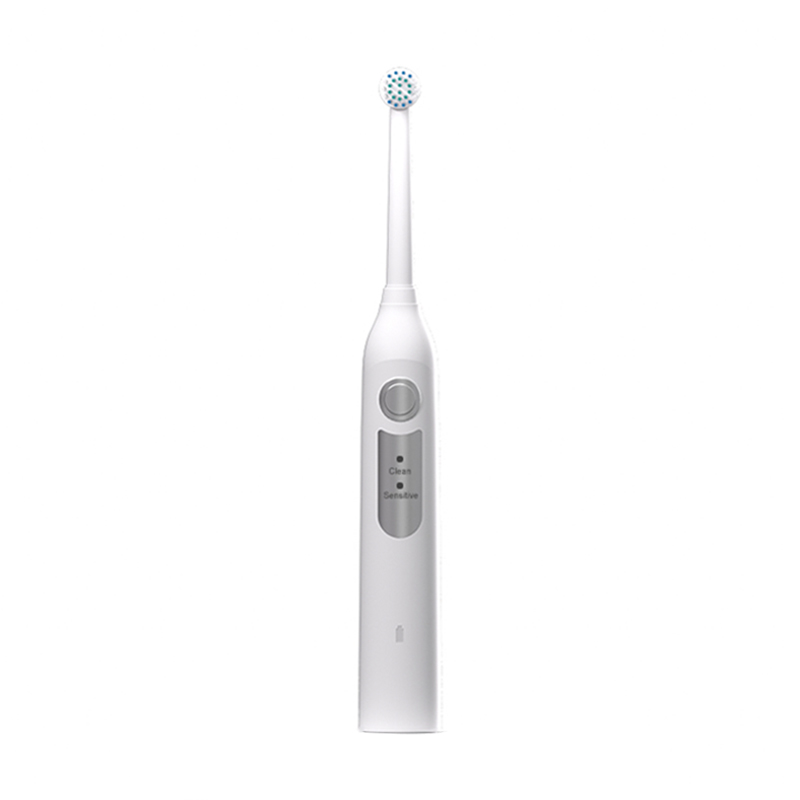
- Clean mode: Full-power standard cleaning at maximum stroke rate — the baseline mode for routine plaque removal
- Sensitive mode: Reduced stroke rate (typically 30 to 50% lower than clean mode) for users with tooth sensitivity, recent dental work, gum recession, or children transitioning from manual brushing
- White or Polish mode: Higher amplitude or modified motion pattern optimized for stain removal from enamel surfaces
- Gum Care mode: Intermittent pulse pattern that alternates between high and low intensity to provide a gentle gum massage effect, promoting gingival blood circulation and supporting gum health
- Deep Clean or Turbo mode: Maximum power setting with highest available stroke rate for targeted plaque removal in users with heavy calculus tendency or orthodontic appliances
The user interface typically consists of a single multifunction power button on the handle body that cycles through modes with sequential presses. Higher-end models may feature an LED indicator ring that changes color to indicate the active mode, or Bluetooth connectivity to a smartphone application that provides real-time feedback on brushing coverage, pressure, and duration.
The Two-Minute Timer
The American Dental Association recommends a minimum brushing duration of two minutes, divided into four 30-second quadrants (upper right, upper left, lower right, lower left). Clinical studies consistently demonstrate that unsupported manual brushers average only 45 to 70 seconds per brushing session — less than half the recommended duration. Sonic rechargeable electric toothbrushes universally incorporate a built-in two-minute timer that provides the user with tactile or audible signals at each 30-second quadrant interval and at the end of the two-minute brushing period. (Source: ADA brushing recommendations; Van der Weijden, G.A. et al., "Toothbrushing duration and plaque removing efficacy," Journal of Clinical Periodontology, 1993.)
Pressure Sensor Technology
Excessive brushing pressure — a common behavior with electric toothbrush users accustomed to the effort required for manual brushing — is a documented cause of enamel erosion and gingival recession over long-term use. Studies show that enamel damage begins at pressures above 150 to 200 grams force applied to the tooth surface, while effective plaque removal requires only 100 to 150 grams force. Quality sonic rechargeable electric toothbrushes incorporate a pressure sensor that detects when applied force exceeds a threshold (typically 200 to 250 g) and responds by reducing motor speed, illuminating a warning indicator, or both — providing the user with real-time feedback that prevents overpressure damage. (Source: Versteeg, P.A. et al., "Effect of brushing force on plaque removal using two brush designs," Journal of Clinical Periodontology, 2008.)
Rechargeable Battery Life: What to Expect and How to Optimize It
Battery life is one of the most practically important specifications of a sonic rechargeable electric toothbrush, particularly for travelers and for users who prefer low-maintenance routines. Understanding what determines real-world battery life helps set realistic expectations and select the right product for a given use pattern.
Factors That Affect Battery Life Per Charge
- Battery capacity (mAh): The primary determinant of charge duration. Li-ion batteries in slim handle designs range from 400 to 900 mAh; NiMH batteries in full-size handles range from 800 to 1,500 mAh. Higher capacity means longer run time between charges.
- Operating mode: High-power modes (Clean, Turbo) consume battery faster than Sensitive or low-power modes. A brush rated for 30 days in Clean mode may last 40 to 45 days primarily used in Sensitive mode.
- Usage frequency: The standard basis for battery life claims is two 2-minute sessions per day (morning and evening) — 4 minutes per day total. Users who brush three times per day proportionally reduce the between-charge interval.
- Temperature: Li-ion battery capacity decreases in cold environments. Storing the toothbrush in a cold bathroom in winter may reduce effective battery capacity by 10 to 20% compared to room temperature performance.
- Battery age: Both Li-ion and NiMH batteries lose capacity with charge-discharge cycling. A battery rated for 30 days per charge when new may provide only 20 to 22 days after 200 full charge cycles.
Charging Best Practices to Maximize Battery Lifespan
For Li-ion batteries, the following practices maximize long-term capacity retention:
- Avoid fully depleting the battery before recharging — Li-ion longevity is best preserved by charging between 20% and 80% state of charge rather than full charge-discharge cycles
- Avoid continuous trickle charging at 100% for extended periods — leaving the toothbrush on its charging stand indefinitely at full charge generates heat that accelerates battery degradation; smart charging stands with charge-complete cutoff avoid this
- Store the toothbrush at 40 to 60% charge if it will not be used for extended periods (over 2 months), rather than fully charged or fully depleted
- Keep the toothbrush away from heat sources (hot water pipes, heated towel rails) during storage and charging, as sustained elevated temperature is the primary accelerant of Li-ion capacity degradation
Waterproofing and Hygiene: IPX Ratings Explained
A sonic rechargeable electric toothbrush operates in a wet environment by definition — it is used with water in the mouth, rinsed under a tap, and stored in humid bathroom environments. Waterproofing is therefore a fundamental safety and durability requirement, regulated by the IPX rating system (Ingress Protection, as defined by IEC 60529).
Understanding IPX Ratings for Electric Toothbrushes
- IPX4: Splash-proof from any direction — the minimum acceptable rating for a product used in a wet oral environment; adequate for sink use but not submersion
- IPX5: Protected against low-pressure water jets from any direction — suitable for rinsing under a running tap
- IPX6: Protected against high-pressure water jets — provides robust protection for bathroom environments and allows the handle to be held under a running shower to rinse
- IPX7: Waterproof to submersion in up to 1 meter of water for 30 minutes — the standard for premium sonic rechargeable electric toothbrushes; allows the handle to be submerged during cleaning without water ingress risk
- IPX8: Waterproof to submersion beyond 1 meter (manufacturer-specified depth and duration) — found in specialist waterproof personal care products
IPX7 is the recommended minimum for any sonic rechargeable electric toothbrush, as it provides reliable protection against the accidental drops into filled sinks and the humid condensation environments of enclosed bathrooms that occur in regular daily use. (Source: IEC 60529:2013 Degrees of protection provided by enclosures.)
Handle Hygiene and Bacterial Growth Considerations
The body of the toothbrush handle — particularly the area around the brush head coupling socket — accumulates toothpaste residue, water mineral deposits, and can harbor bacterial biofilm over time. The smooth, seamless outer surface that high-quality IPX7-rated handles achieve through their sealed construction design minimizes crevices where residue can accumulate. Weekly rinsing of the handle under warm running water and monthly wiping with a damp cloth using dilute soap solution maintains handle hygiene adequately. The brush head itself should be rinsed under running water after each use and air-dried in an upright position to minimize bacterial re-colonization of the bristle tufts.
Sonic Rechargeable Electric Toothbrush vs Manual Toothbrush: A Practical Comparison
For consumers considering whether to switch from manual to sonic rechargeable electric brushing, the following comparison covers the dimensions most relevant to everyday decision-making.
| Comparison Factor | Manual Toothbrush | Sonic Rechargeable Electric Brush |
| Stroke rate | 200 to 400 strokes/min (user-dependent) | 31,000 to 62,000 strokes/min |
| Plaque removal | Baseline | Up to 21% better (Cochrane review, 2014) |
| Interproximal cleaning | Limited to direct bristle contact | Fluid dynamic action extends up to 4 mm beyond bristle contact |
| Brushing time compliance | Average 45 to 70 seconds (under 2-min recommendation) | Built-in 2-min timer improves compliance |
| Pressure control | No feedback; user-dependent | Pressure sensor alerts user to overpressure |
| Stain removal | Limited | 2 to 3 times greater stain reduction (clinical studies) |
| Ongoing cost | Low — replace full brush every 3 months | Higher initial cost; replace brush head every 3 months; no battery cost |
| Suitable for orthodontics | Requires special technique with brackets | Fluid action helps clean around brackets; specialized heads available |
| Travel convenience | No charging required | USB charging eliminates proprietary stand for most modern models |
Who Benefits Most from a Sonic Rechargeable Electric Toothbrush?
While sonic rechargeable electric toothbrushes benefit all users, certain populations and clinical situations show the largest gains from switching to sonic technology from manual brushing.
People with Gingivitis or Early Periodontitis
The superior plaque removal at the gingival margin and the fluid dynamic cleaning of the sub-gingival crevice make sonic brushes particularly valuable for individuals diagnosed with gingivitis or early periodontitis — two of the most prevalent chronic inflammatory conditions globally. Dental professionals frequently recommend sonic rechargeable electric toothbrushes as part of the supportive periodontal care protocol between professional cleaning appointments, as the improved daily plaque disruption reduces the rate of calculus (tartar) formation that drives gum disease progression.
Orthodontic Patients
Fixed orthodontic appliances (braces) create complex geometries around brackets and archwires that are extremely difficult to clean manually. The turbulent fluid action of sonic brushing penetrates the tight spaces around brackets, under archwires, and between brackets and gum tissue — areas where plaque accumulation causes the white-spot demineralization lesions (early cavities) and gingival inflammation that are well-documented complications of fixed orthodontic treatment. Orthodontists increasingly recommend sonic electric toothbrushes for brace wearers as a standard part of their oral hygiene protocol.
Individuals with Limited Manual Dexterity
For elderly individuals, people with arthritis, neurological conditions affecting fine motor control (Parkinson's disease, stroke effects, multiple sclerosis), or those with physical disabilities affecting hand grip strength, the effectiveness of manual toothbrushing is significantly compromised by the inability to generate adequate bristle contact pressure and sweeping motion. Sonic rechargeable electric toothbrushes greatly reduce the manual dexterity requirement — the user needs only to position the brush head at each tooth surface and move it slowly along the gum line; the electronic drive system delivers the cleaning action independently of the user's physical capability.
Heavy Coffee, Tea, or Tobacco Users
Extrinsic tooth staining from dietary chromogens and tobacco tar is cosmetically concerning and contributes to surface roughness that attracts further plaque accumulation. The superior stain removal demonstrated in sonic brush clinical studies makes sonic rechargeable electric toothbrushes a pragmatically superior daily tool for people whose dietary or lifestyle habits create significant extrinsic staining loads — reducing the frequency and cost of professional dental polishing required to maintain an acceptable tooth appearance.
Children (Age-Appropriate Models)
Children lack the manual dexterity and motivation to brush consistently for two minutes with adequate technique. Age-appropriate sonic rechargeable electric toothbrushes — featuring smaller brush heads, lower-power sensitive mode operation, two-minute timers often combined with app-based gamification, and lightweight handles sized for small hands — significantly improve brushing compliance and effectiveness in children aged 3 and above. The ADA recommends that children use fluoride toothpaste with an appropriate brush under parental supervision; an electric toothbrush does not alter this recommendation but may improve the outcome within it.
Brush Head Replacement: Why Timing Matters
The American Dental Association and most national dental associations recommend replacing toothbrush heads every 3 months — or sooner if bristle splaying (the outward bending of bristle tufts) is visible. This recommendation is clinically supported: laboratory studies measuring plaque removal with brushes at different stages of wear find that a three-month-old brush head delivers 30 to 35% less plaque removal than a new brush head at the same brushing technique and duration. (Source: ADA Consumer Guidance on Toothbrush Replacement; Rawls, H.R. and Mkwayi-Tulloch, N.J., "Toothbrush bristle stiffness and associated variables," Journal of Dental Research, 1989.)
For sonic rechargeable electric toothbrushes, brush head replacement is particularly important because:
- The high-frequency vibration of sonic brushes accelerates bristle fatigue compared to manual brushing — the material endurance of nylon bristle filaments under continuous 260 Hz oscillation is shorter than under manual-frequency use
- Worn or splayed bristle tips on a sonic brush may reduce the fluid dynamic cleaning effect by disrupting the uniform flow field that straight, properly angled bristles generate
- Worn bristles on a sonic brush that lacks pressure sensor protection are more likely to cause enamel or gingival damage, as the user may unconsciously increase pressure to compensate for reduced cleaning effectiveness
Travel Considerations: Using a Sonic Rechargeable Electric Brush Away From Home
One of the practical advantages of rechargeable over battery-powered electric toothbrushes for frequent travelers is the elimination of disposable battery management. However, effective travel use of a sonic rechargeable electric toothbrush requires awareness of a few practical considerations.
Charging Compatibility and Voltage
Most modern sonic rechargeable electric toothbrush charging systems use universal voltage input (100 to 240V, 50/60 Hz) — compatible with all global electrical standards without a voltage adapter. The traveler needs only a plug adapter for the destination country's socket type, not a voltage converter. Models with direct USB-C charging eliminate even this requirement, charging from any USB power source including laptop computers, portable power banks, and airport USB charging stations.
Battery life of 4 to 6 weeks between charges in premium sonic brush models means that a fully charged toothbrush can support a two- to three-week trip without any charging at all — a significant convenience advantage over manual brushes that require constant battery replacement or compact electric brushes with shorter battery life.
Travel Case and Head Protection
Sonic rechargeable electric toothbrushes should be stored with the brush head covered during travel to protect the bristles from contamination in a toiletry bag and to prevent debris from entering the brush head coupling socket. Ventilated travel cases that allow air circulation prevent the moisture buildup that promotes bacterial growth on damp bristles during transit — a factor relevant for hygiene-conscious travelers who may store their toothbrush in a sealed bag for many hours between uses.
Our Sonic Rechargeable Electric Brush: Design Built for Effective Daily Oral Care
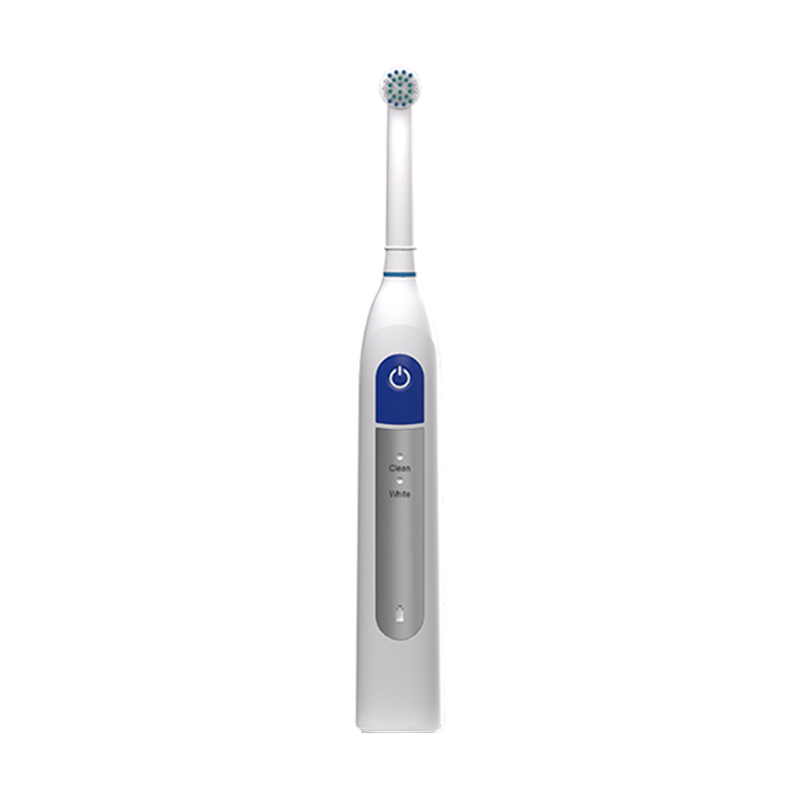
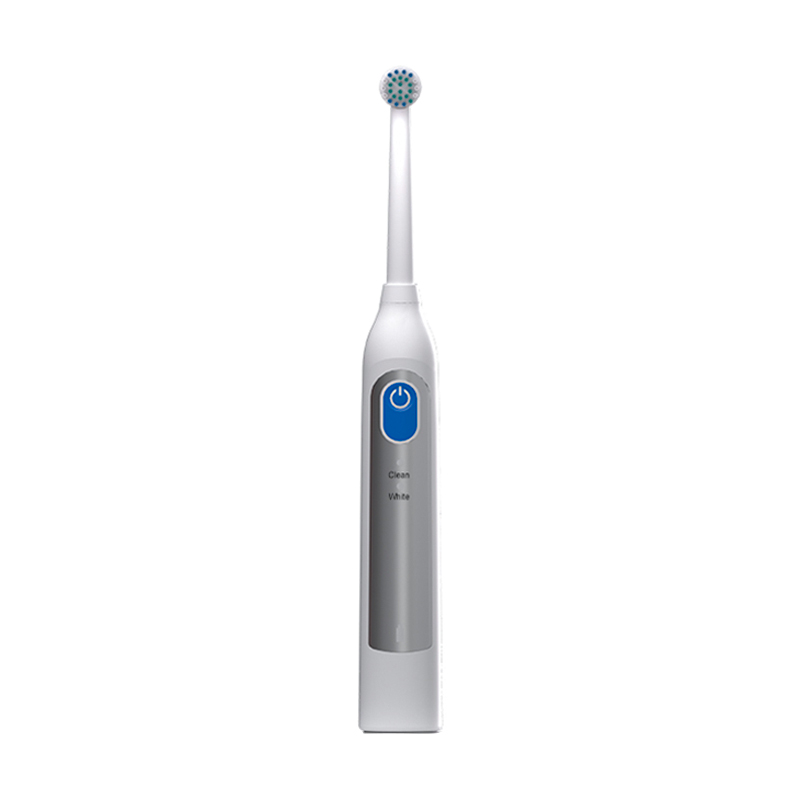
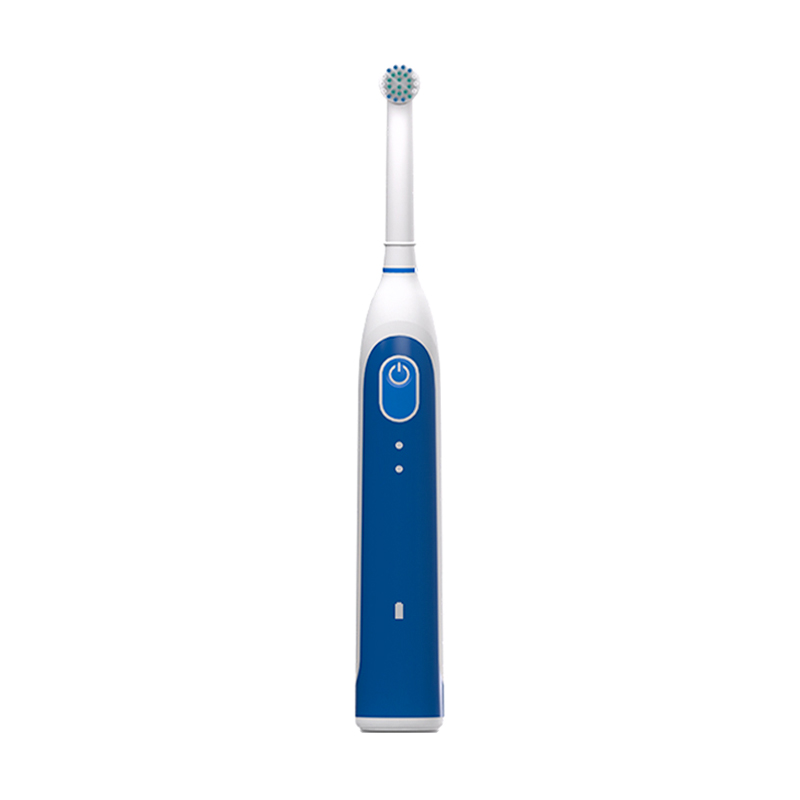
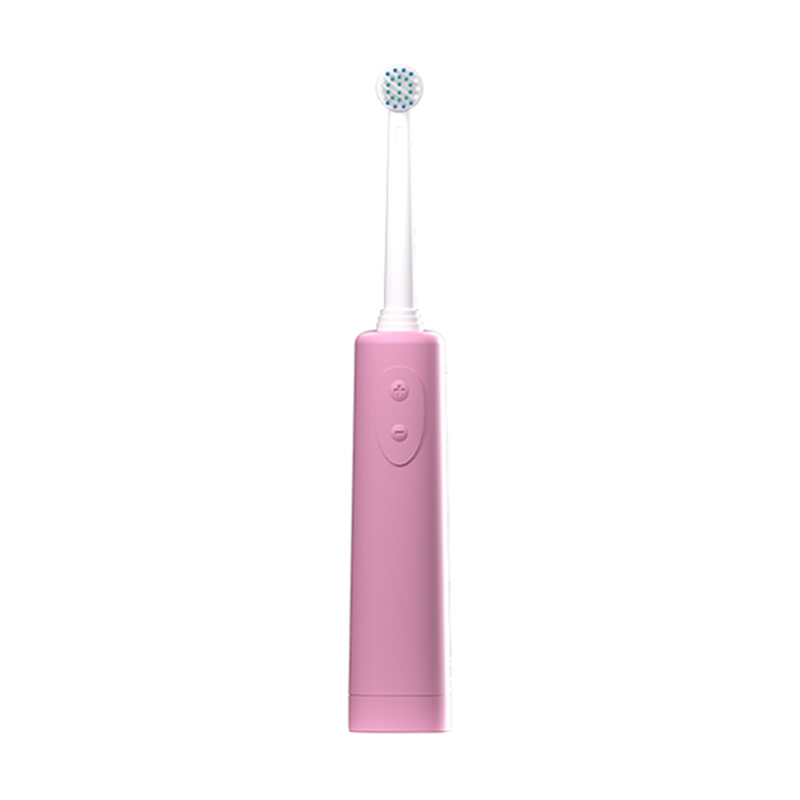
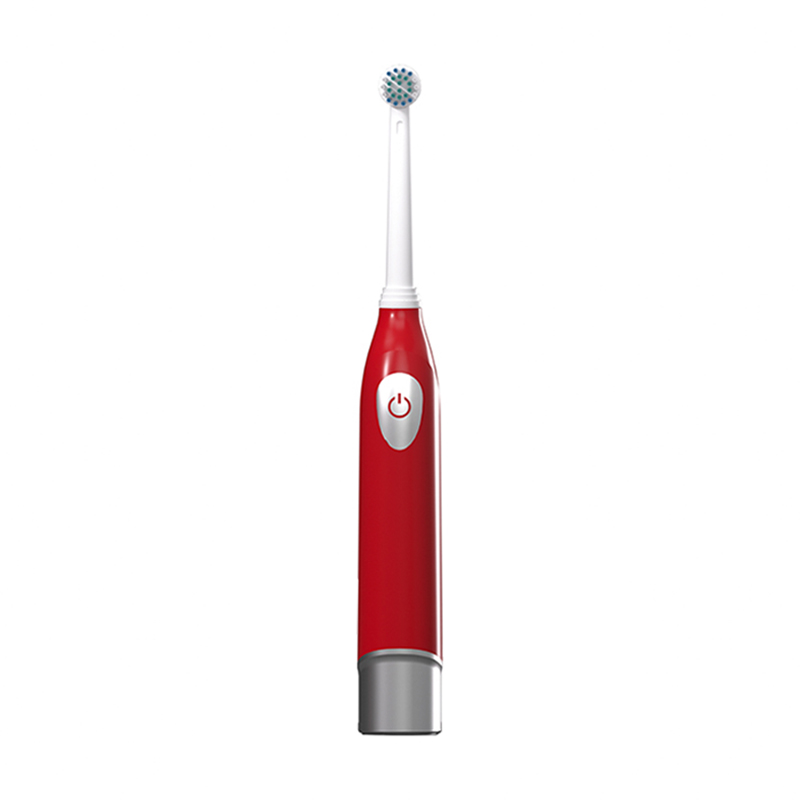
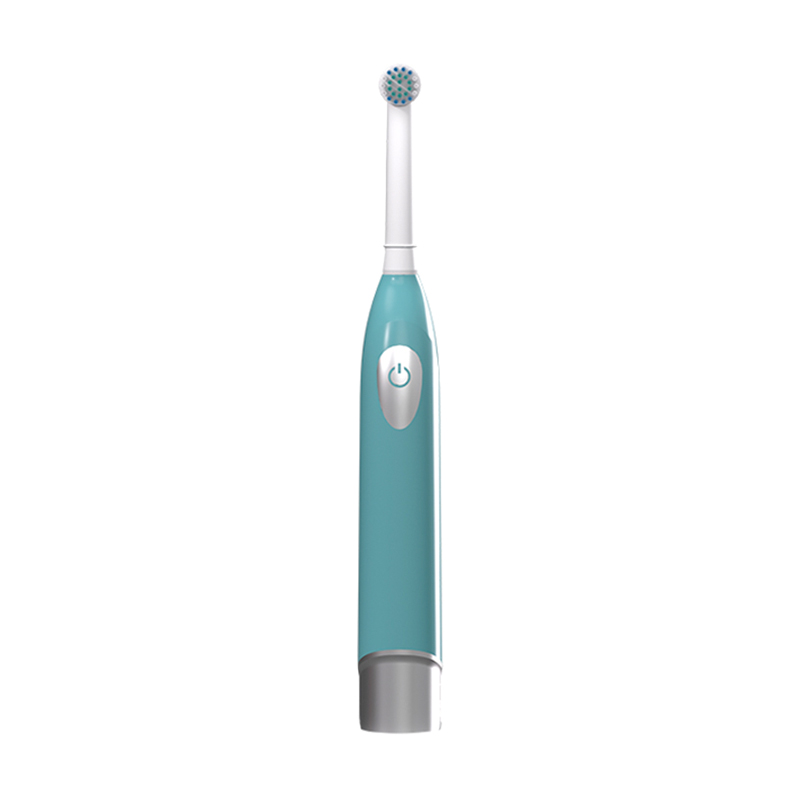
Our Sonic Rechargeable Electric Brush is engineered to deliver the full clinical benefits of sonic-frequency oral cleaning in a user-friendly, durably constructed handle designed for consistent daily use. The product incorporates the key performance and convenience features that clinical evidence and consumer usage patterns identify as most important for achieving improved oral health outcomes.
Key product features include:
- High-frequency sonic motor delivering up to 40,000 brush strokes per minute with consistent stroke rate maintained under applied load, ensuring full cleaning energy delivery throughout each brushing session regardless of user pressure variation
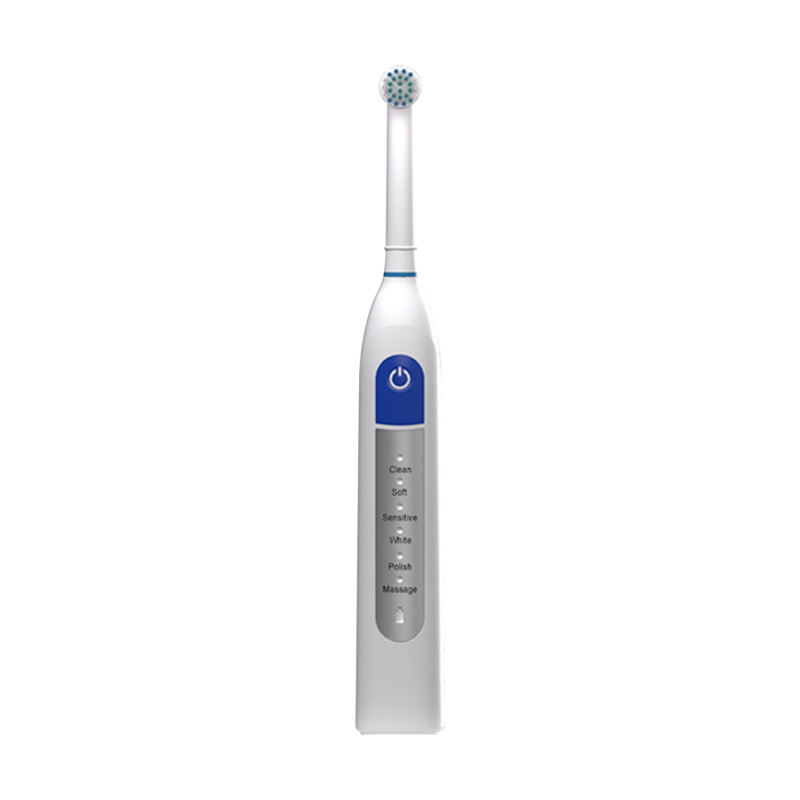
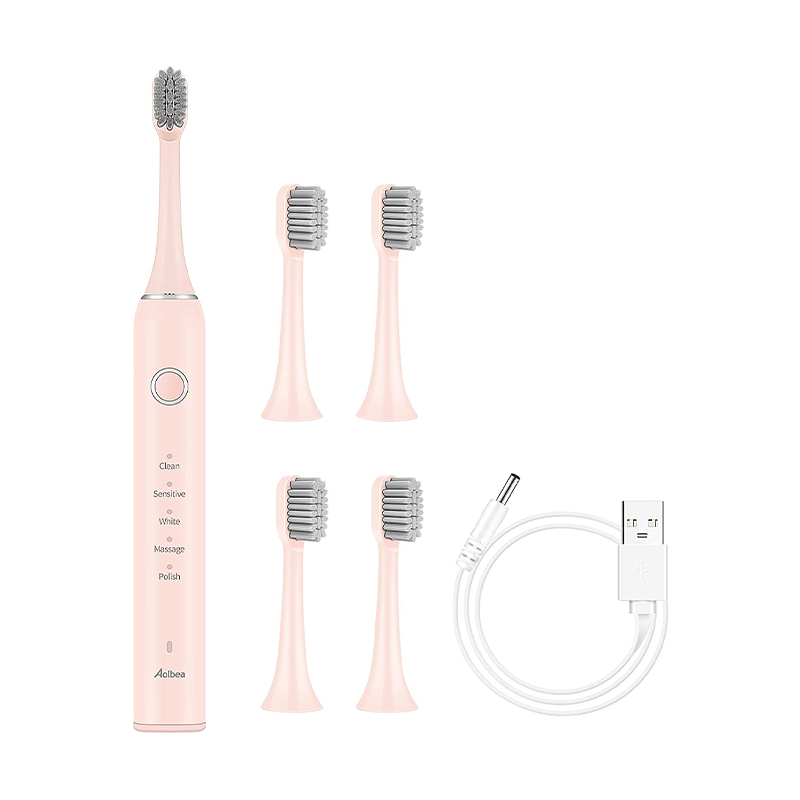
- Multiple operating modes — Clean, Sensitive, White, and Gum Care — selectable through a single multifunction button with LED mode indicator, allowing the brushing intensity to be matched to the user's sensitivity level and daily cleaning goals
- Built-in 2-minute timer with 30-second quadrant pacer — the industry-standard brushing duration guidance built into every brushing session, eliminating the most common reason for inadequate daily plaque removal (insufficient brushing time)
- Pressure sensor protection that detects brushing force exceeding the safe threshold and alerts the user, protecting enamel and gum tissue against the overpressure damage that is the primary long-term risk of electric toothbrush use
- IPX7 waterproof rating — the handle is fully sealed to 1-meter submersion for 30-minute protection, providing reliable operation and safety in bathroom environments and allowing thorough rinsing under running water
- Rechargeable Li-ion battery with inductive wireless charging, providing up to 30 days of use on a single 2-hour charge based on two 2-minute brushing sessions per day — sufficient for multi-week travel without carrying a charging stand
- Compatible replacement brush heads with dupont nylon bristles, individually end-rounded to ISO 22254 standards, and equipped with color-indicator bristles that visually signal when the 3-month replacement point is reached
- Ergonomic handle design with a non-slip grip zone that maintains secure handling in wet conditions, and balanced weight distribution that reduces wrist fatigue during the full two-minute brushing cycle
Whether the goal is improved plaque control for gum health, better cleaning around orthodontic appliances, more effective stain removal for a brighter smile, or simply a more consistent and properly timed brushing routine, our sonic rechargeable electric brush provides the technology platform that makes measurably better oral hygiene practical and accessible for everyday use.