
 English
 中文简体
中文简体
Phone:+86-13952799285
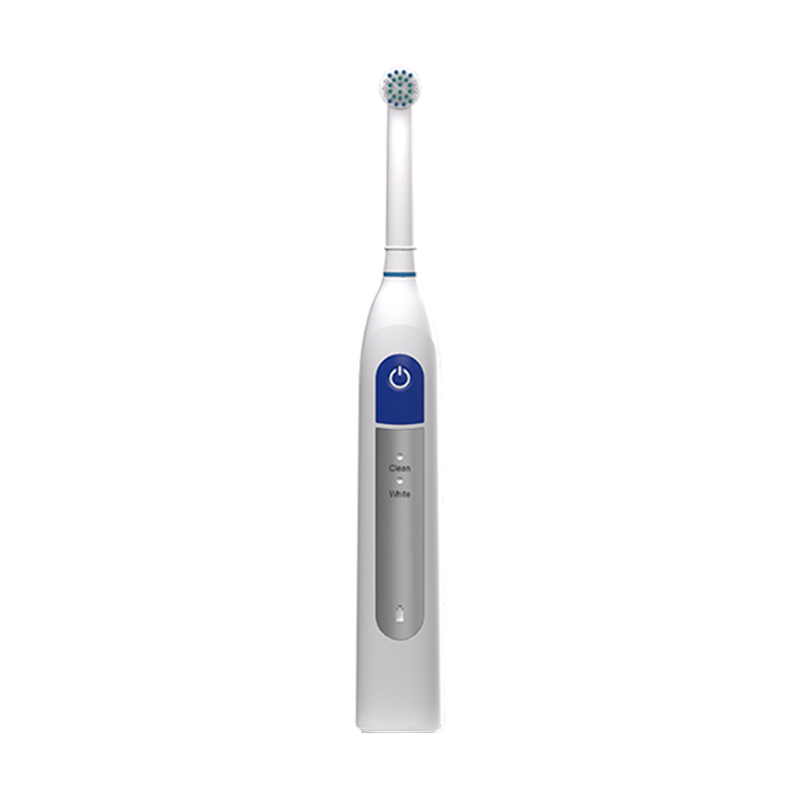
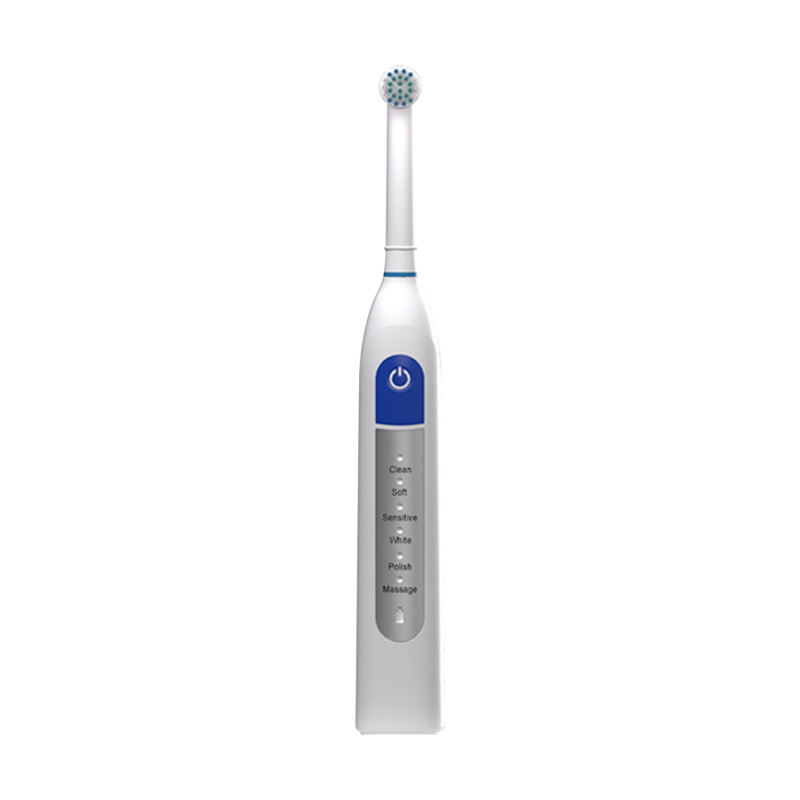
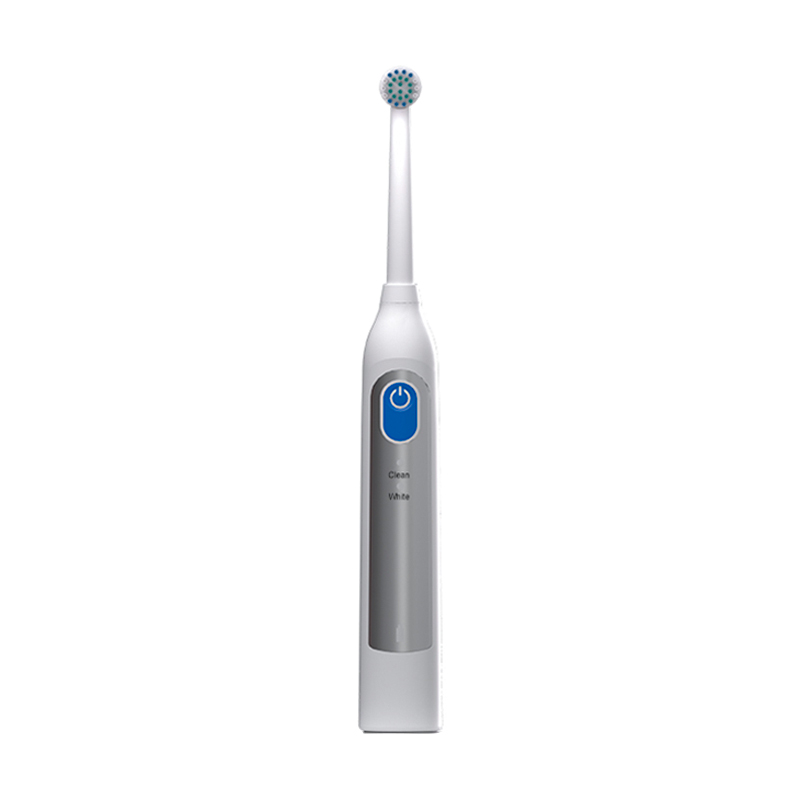
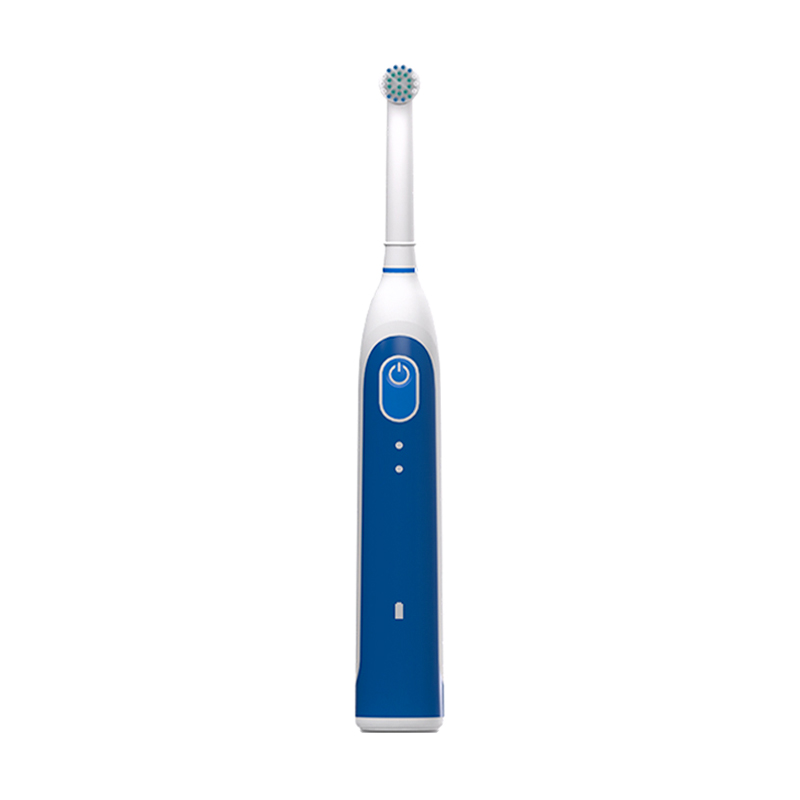
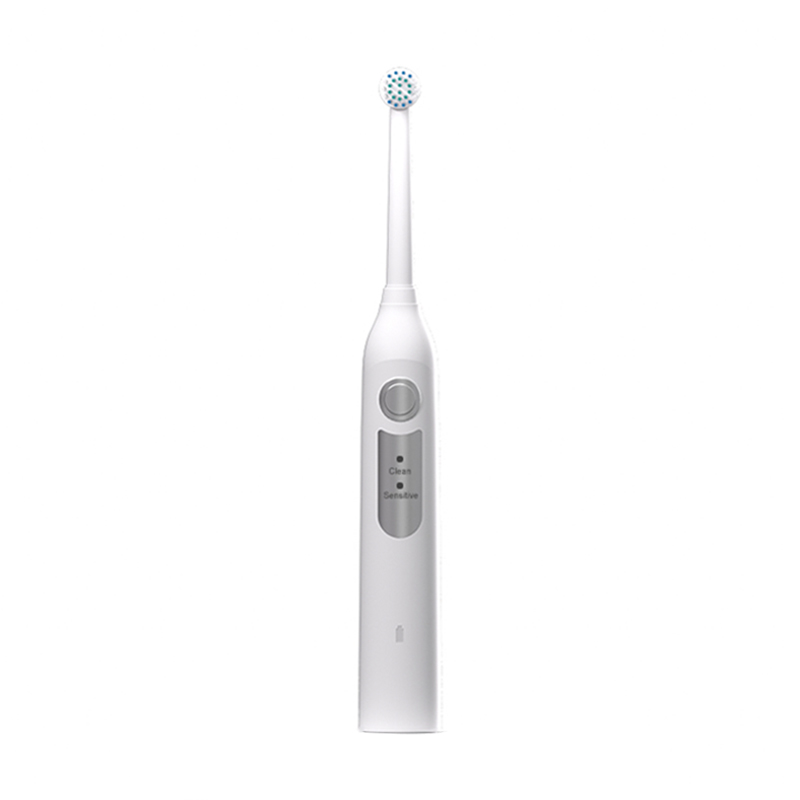
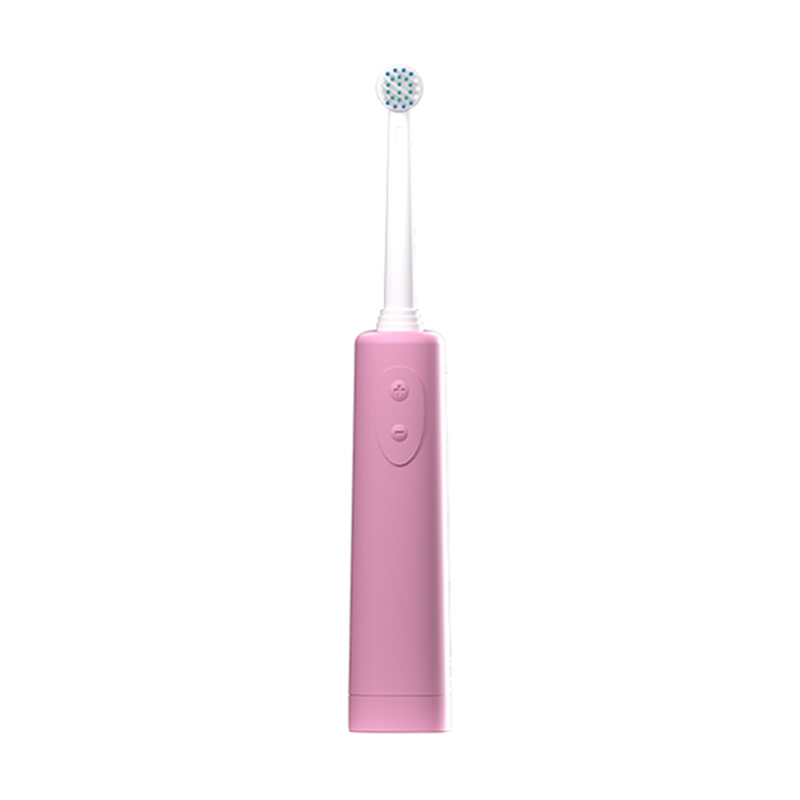
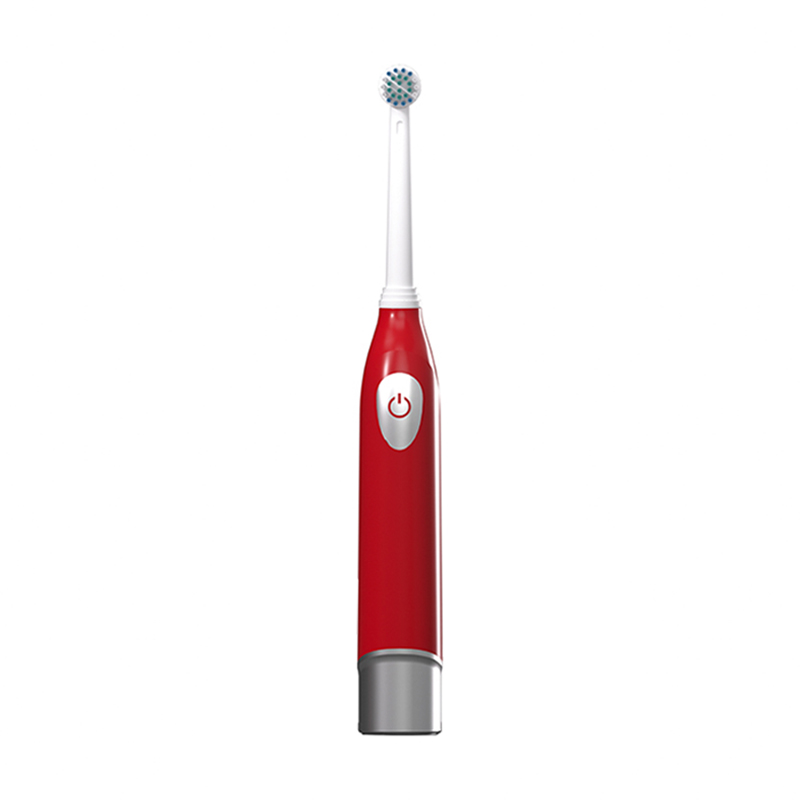
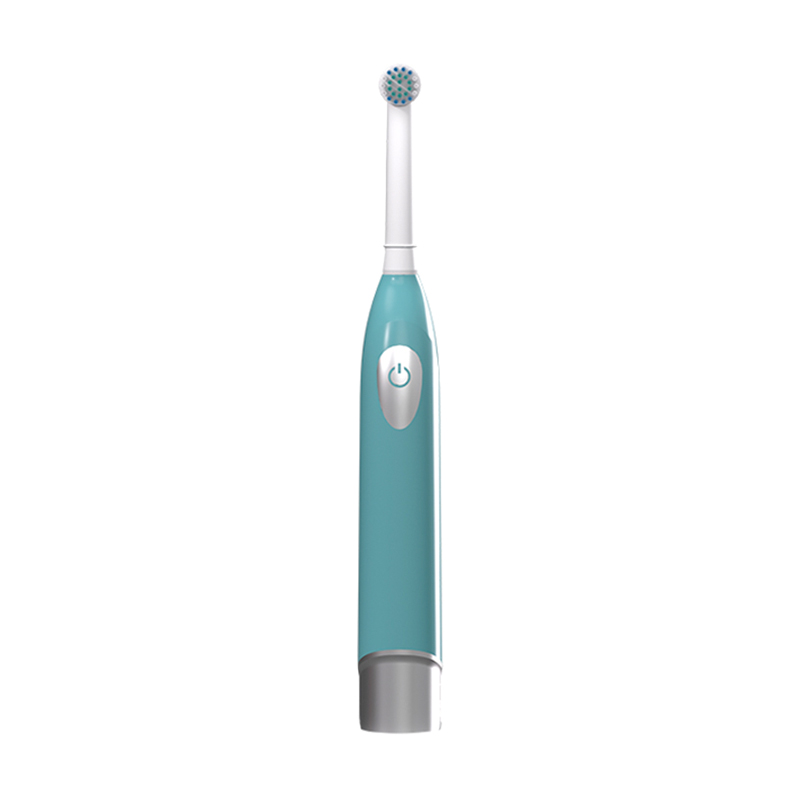
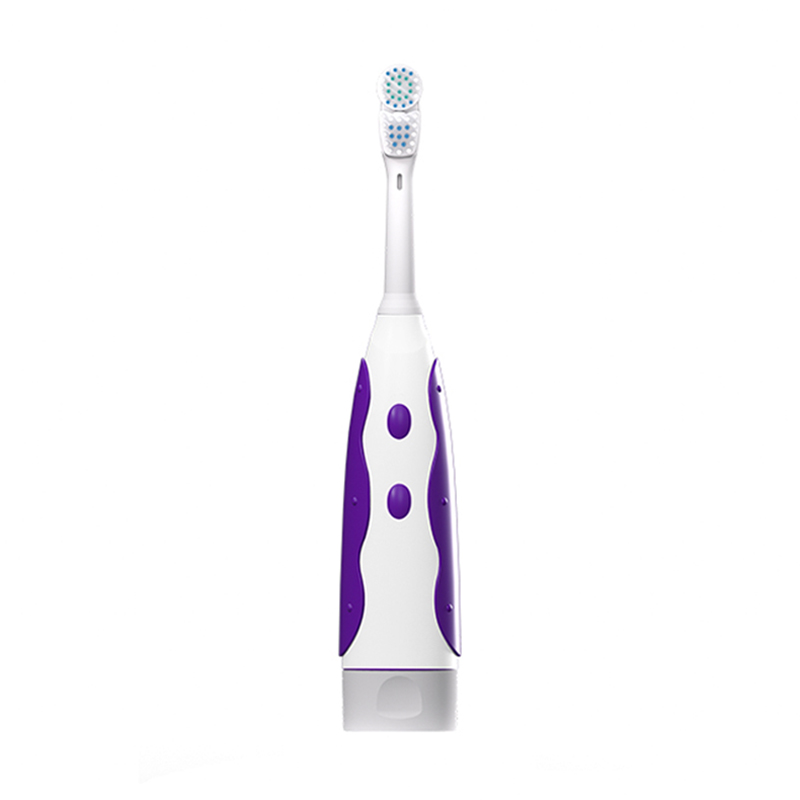
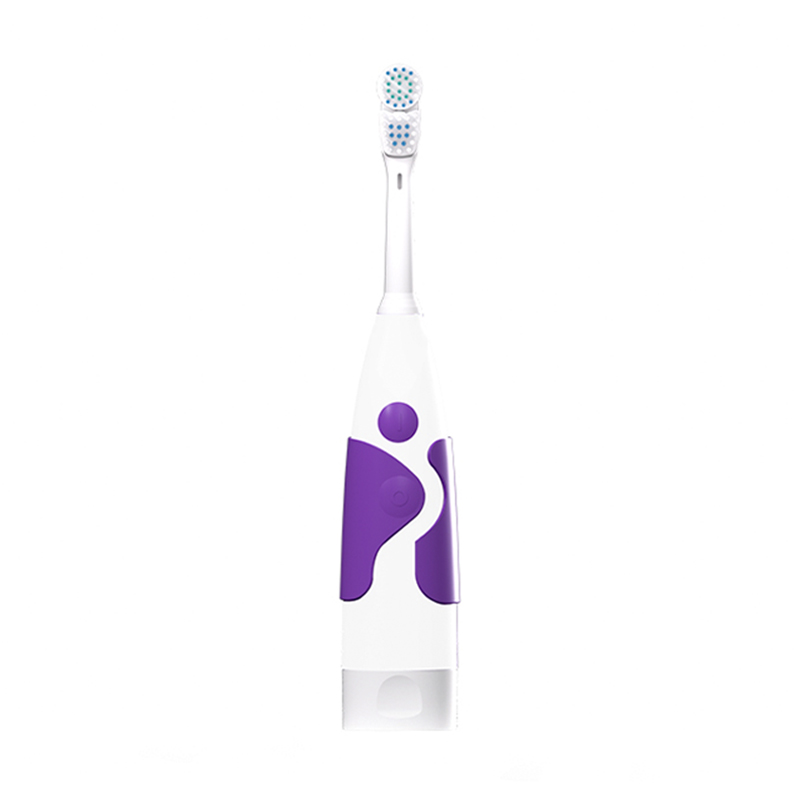
Oscillating Rechargeable Electric Toothbrushes are powered dental cleaning devices that combine a small round brush head -- which rotates back and forth in alternating directions -- with a built-in rechargeable battery that delivers consistent motor power throughout the charge cycle. Unlike disposable-battery models that weaken as the cell drains, rechargeable oscillating toothbrushes maintain stable performance across 2 to 4 weeks of brushing sessions on a single charge. Premium models add a simultaneous pulsating motion -- the head pulses in and out thousands of times per minute while it oscillates -- creating the clinically studied oscillating-rotating-pulsating (ORP) action that has been associated with superior plaque removal and gingivitis reduction in multiple peer-reviewed meta-analyses. This article explains exactly what they are, how they work, what the clinical evidence says, and who benefits most from using one.
Content
- 1 The Core Mechanism: What Oscillating-Rotating-Pulsating Means
- 2 How the Rechargeable Power System Works
- 3 Clinical Evidence: What the Research Says About Cleaning Performance
- 4 Standard Features on Modern Rechargeable Oscillating Toothbrushes
- 5 Correct Brushing Technique for Oscillating Rechargeable Toothbrushes
- 6 Who Benefits Most From an Oscillating Rechargeable Toothbrush
- 7 Oscillating Rechargeable vs. Sonic vs. Battery Oscillating: A Direct Comparison
- 8 Brush Head Replacement and Maintenance
- 9 Special Use Considerations
- 10 What to Look for When Choosing an Oscillating Rechargeable Toothbrush
- 11 Summary: The Key Facts About Oscillating Rechargeable Electric Toothbrushes
The Core Mechanism: What Oscillating-Rotating-Pulsating Means
The name describes three distinct but simultaneous physical motions that define how this category of toothbrush cleans:
- Oscillating: The round brush head alternates between clockwise and counter-clockwise rotation. Each directional sweep covers the surface of one tooth at a time, allowing the curved bristle arrangement to wrap partially around the tooth contour and reach the area where the tooth meets the gumline.
- Rotating: The same motion as oscillating -- the two terms are often used interchangeably to describe the back-and-forth rotational action of the head. Together, oscillation and rotation are the primary mechanical cleaning action.
- Pulsating: On rechargeable models with this feature, the brush head pulses in and out along its axis at up to 40,000 pulsations per minute while simultaneously oscillating. This rapid in-and-out motion disrupts and loosens the plaque biofilm before the oscillating action sweeps it away, increasing the thoroughness of cleaning beyond what oscillation alone achieves.
The combination of these three motions working together is what separates a rechargeable oscillating toothbrush from both a basic battery oscillating model (which only rotates) and a sonic toothbrush (which vibrates side-to-side at high frequency). The ORP action creates a layered mechanical disruption of the plaque biofilm that clinical research has consistently found to be more thorough than single-motion alternatives.
How the Rechargeable Power System Works
The rechargeable element is not merely a convenience feature -- it is fundamental to the consistent clinical performance of this toothbrush category. Here is how the power system functions and why it matters:
Inductive Charging
Most rechargeable oscillating toothbrushes use inductive (wireless) charging via a charging stand. The handle rests on or in the stand, which transmits electrical energy through electromagnetic induction across a small air gap without any physical metal-to-metal contact. This design eliminates charging ports on the handle, making the device fully waterproof -- critical for a product used in a wet bathroom environment. A full charge typically takes 12 to 22 hours depending on battery capacity.
Battery Chemistry and Longevity
Rechargeable oscillating toothbrushes use either lithium-ion (Li-ion) or nickel-metal hydride (NiMH) rechargeable cells. Li-ion batteries offer higher energy density -- meaning more brushing sessions per charge -- and do not suffer from the memory effect that reduces capacity in older NiMH cells if they are not fully discharged before recharging. Premium models with Li-ion cells typically last 28 to 56 brushing sessions (2 to 4 weeks) on a single charge and retain usable battery capacity through 300 to 500 charge cycles before showing significant degradation.
Consistent Power Delivery
Rechargeable cells incorporate voltage regulation circuitry that maintains near-constant motor speed from a full charge down to the low-battery threshold. This is the critical advantage over disposable-battery oscillating models: a fresh alkaline AA cell starts at approximately 1.5V and drops toward 1.0V as it discharges, meaning a battery model running for 10 days is operating its motor significantly slower than it did on day one. A rechargeable oscillating toothbrush brushes at the same speed and power on day 14 as on day 1 of the charge cycle.
Clinical Evidence: What the Research Says About Cleaning Performance
The performance claims for oscillating rechargeable toothbrushes are not marketing assertions -- they are backed by one of the most robust clinical evidence bases of any consumer dental product category.
The landmark reference point is a Cochrane systematic review published in 2014 (Yaacob M et al., Cochrane Database of Systematic Reviews, 2014, Issue 6, Art. No. CD002281). This analysis reviewed 56 randomized controlled trials involving 5,068 participants and found that oscillating-rotating toothbrushes reduced plaque by 11% more and gingivitis by 6% more than manual toothbrushes at 1 to 3 months of use -- a statistically significant advantage that held consistent across multiple study populations and designs.
In a direct comparison with sonic toothbrushes, a clinical study published in the Journal of Clinical Dentistry (2020, Vol. 31, Spec Iss B: B1-B14) found that after 12 weeks of use, participants using a rechargeable oscillating-rotating-pulsating toothbrush achieved 22% greater plaque reduction compared to those using a rechargeable sonic model. The difference was most pronounced in interdental areas and along the gumline -- the zones where periodontal disease originates.
A meta-analysis in the Journal of Periodontology (Grender J et al., 2020;91 Suppl 1:S57-S64) pooled data from 28 randomized controlled trials and confirmed that oscillating-rotating-pulsating toothbrushes produced statistically significantly greater reductions in gingivitis compared to sonic toothbrushes across the pooled study population.
| Study / Source | Comparison | Key Finding |
| Cochrane Database Syst Rev, 2014, Issue 6 | Oscillating-rotating vs. manual | 11% more plaque reduction; 6% more gingivitis reduction at 1-3 months |
| J Clin Dent, 2020;31(Spec Iss B):B1-B14 | ORP rechargeable vs. sonic rechargeable | 22% greater plaque reduction after 12 weeks; advantage greatest at gumline and interdentally |
| J Periodontol, 2020;91(Suppl 1):S57-S64 | ORP rechargeable vs. sonic (meta-analysis, 28 RCTs) | Statistically greater gingivitis reduction for ORP across pooled study populations |
| J Dent, 2018;74(Suppl 1):S25-S29 | Oscillating-rotating vs. sonic (stain removal) | Greater extrinsic stain removal scores for oscillating-rotating at 4 weeks (DPSI stain index: 3.56 vs. 2.89 mean improvement) |
| Int J Dent Hyg, 2016;14(1):27-34 | Oscillating-rotating vs. sonic (gingival abrasion) | No statistically significant difference in gingival abrasion when brushing pressure was controlled |
All studies listed are peer-reviewed publications. RCT = randomized controlled trial; ORP = oscillating-rotating-pulsating; DPSI = Discoloration and Plaque Staining Index
Standard Features on Modern Rechargeable Oscillating Toothbrushes
Rechargeable oscillating toothbrushes in the mid-range and above incorporate a suite of smart features that basic battery models and many sonic models do not include. These features are clinically meaningful -- not just marketing additions:
Pressure Sensor
Overbrushing is one of the most common causes of gum recession and enamel wear in otherwise healthy adults. A study in Clinical Oral Investigations (2019;23(7):3067-3075) found that users without pressure feedback applied an average of 2.5 to 3.0 N of force -- approximately twice the recommended maximum of 1.5 N. Users with a visible or pulsation-pause pressure sensor consistently reduced their force to within the safe range. On most rechargeable oscillating models, pressing too hard causes the pulsation to pause or an indicator light to activate, providing immediate tactile or visual feedback.
Two-Minute Timer with Quadrant Alerts
The American Dental Association (ADA) recommends brushing for a minimum of 2 minutes twice daily. Studies consistently show that unsupervised manual and powered toothbrush users average only 45 to 70 seconds per session (source: J Dent Res, 2011;90(11):1291-1297). A built-in 2-minute timer eliminates this gap. Quadrant alerts -- a brief pause or vibration change every 30 seconds -- prompt the user to move to the next quadrant of the mouth, ensuring even time distribution across all four zones.
Multiple Cleaning Modes
Most rechargeable oscillating toothbrushes offer between 2 and 5 selectable cleaning modes, which adjust the motor speed, pulsation frequency, or both to suit different needs. Common modes include:
- Daily Clean: Standard ORP action for everyday use -- the default mode for most users
- Sensitive: Reduced motor speed and gentler pulsation for users with gum sensitivity, recent dental work, or initial adaptation to powered brushing
- Whitening: Increased oscillation speed with a polishing-focused bristle engagement to enhance extrinsic stain removal
- Gum Care: A massage-focused mode that applies gentle pulsating stimulation to gum tissue, intended to improve circulation and reduce early-stage inflammation
- Deep Clean / Intensive: Extended duration mode (typically 3 minutes instead of 2) for users who want a more thorough clean on specific sessions
Battery Level Indicator
Rechargeable models include a battery status indicator -- either LED lights on the handle or a display -- so users know when to place the toothbrush on its charging stand. This prevents unexpected mid-session power loss and ensures the brush is always operating at full motor speed.
Compatible Brush Head Ecosystem
A significant practical advantage of rechargeable oscillating platforms is the availability of specialized brush heads for different oral care needs -- orthodontic heads designed to navigate around brackets and wires, sensitive heads with ultra-soft bristles, whitening heads with denser polishing bristle arrangements, and tongue-cleaning heads. The ability to switch heads without changing the handle makes the device adaptable to evolving oral health needs over time.
Correct Brushing Technique for Oscillating Rechargeable Toothbrushes
The technique required for an oscillating toothbrush differs fundamentally from manual brushing. Using the correct method is essential to achieving the cleaning outcomes demonstrated in clinical studies:
- Step 1 -- Apply toothpaste before starting the motor: Place a pea-sized amount of fluoride toothpaste on the brush head while the brush is not running. Starting the motor before placing the head in the mouth causes toothpaste to spray.
- Step 2 -- Position the head at 45 degrees to the gumline: Tilt the brush head so the bristles contact both the tooth surface and the gum margin simultaneously. This angle allows the oscillating motion to clean the area where plaque accumulation is most clinically significant.
- Step 3 -- Cup one tooth at a time: Hold the head against a single tooth, allowing the round head to cup slightly around the tooth contour. Let the oscillating-rotating motion do the work -- do not scrub back and forth manually.
- Step 4 -- Move slowly tooth by tooth: After 1 to 2 seconds on each tooth, slide the head to the next tooth. This systematic tooth-by-tooth approach is the intended use pattern for oscillating technology and is what differentiates it from the sweeping motion used with sonic or manual toothbrushes.
- Step 5 -- Follow the timer and quadrant alerts: Allow the built-in timer to guide the session. When the brush pauses or signals after 30 seconds, move to the next quadrant. Complete all four quadrants (upper right, upper left, lower right, lower left) before the 2-minute timer ends.
- Step 6 -- Apply light pressure only: The oscillating motion generates the cleaning force. Pressing harder does not clean better -- it only risks gum trauma. If the pressure sensor activates, ease off immediately.
Most users new to oscillating rechargeable toothbrushes find that the correct technique takes approximately 1 to 2 weeks to become habitual. During the adaptation period, a sensitivity mode is recommended to allow gum tissue to adjust to the new cleaning action.
Who Benefits Most From an Oscillating Rechargeable Toothbrush
While all adults benefit from upgrading from manual to powered brushing, specific profiles gain the most from the oscillating rechargeable category in particular:
| User Profile | Specific Benefit | Supporting Evidence |
| Adults with early or established gingivitis | Superior gingival index improvement vs. sonic and manual | J Periodontol 2020;91(Suppl 1):S57-S64 |
| Users with visible surface staining | Statistically greater extrinsic stain removal | J Dent 2018;74(Suppl 1):S25-S29 |
| Users who tend to brush too hard | Pressure sensor prevents enamel and gum damage | Clin Oral Investig 2019;23(7):3067-3075 |
| Users who rush through brushing | 2-minute timer and quadrant alerts enforce correct duration | J Dent Res 2011;90(11):1291-1297 |
| Adults seeking maximum daily plaque control | 11% greater plaque reduction vs. manual brushing (largest powered toothbrush evidence base) | Cochrane Database Syst Rev 2014, Issue 6 |
| Eco-conscious users | No disposable battery waste; 300-500 charge cycles before replacement | Product category specification |
| Users with TMJ sensitivity or jaw vibration intolerance | Lower transmitted jaw vibration than sonic frequency (31,000-40,000 SPM) | User tolerance data; clinical observation |
| Users with dental implants | Safe for titanium surfaces; pressure sensor prevents excess force at implant collar | Clin Implant Dent Relat Res, multiple studies |
Profile recommendations based on peer-reviewed clinical data cited above; individual dental needs should be discussed with a qualified dental professional
Oscillating Rechargeable vs. Sonic vs. Battery Oscillating: A Direct Comparison
| Feature | Oscillating Rechargeable | Sonic Electric | Battery Oscillating |
| Primary motion | Oscillation + rotation + pulsation | High-freq side-to-side vibration | Oscillation / rotation only |
| Speed | Up to 8,800 RPM + 40,000 pulsations/min | 31,000-40,000 SPM | 6,000-8,500 OPM |
| Power source | Rechargeable Li-ion / NiMH | Rechargeable Li-ion | Disposable AA / AAA |
| Consistent power delivery | Yes -- voltage regulated | Yes -- voltage regulated | No -- degrades as battery drains |
| Clinical plaque reduction ranking | Highest (Cochrane 2014; J Clin Dent 2020) | Good | Moderate |
| Pressure sensor availability | Standard on mid-range and above | Sometimes included | Not available |
| 2-min timer with quadrant alerts | Standard | Often included | Rarely included |
| Specialized brush head options | Extensive (ortho, sensitive, whitening, gum care) | Moderate | Very limited |
| Jaw vibration transmission | Low -- localized to brush head | Moderate to high -- transmitted through jaw | Very low |
| Environmental impact | Low -- no disposable battery waste | Low -- no disposable battery waste | High -- ongoing battery disposal |
| Best suited for | Daily deep clean, gum health, whitening | Orthodontics, limited dexterity | Travel, budget, occasional use |
OPM = oscillations per minute; SPM = strokes per minute; RPM = rotations per minute; Sources: Cochrane 2014; J Clin Dent 2020; product category specifications
Brush Head Replacement and Maintenance
Proper maintenance is essential to sustaining the cleaning performance that clinical studies attribute to oscillating rechargeable toothbrushes. The key maintenance requirements are straightforward:
- Replace the brush head every 3 months: The ADA recommends replacing brush heads (or manual toothbrushes) every 3 months or sooner if bristles are visibly frayed or matted. Worn bristles lose their ability to flex into the gumline crevice and interdental spaces where plaque accumulates. Some brush heads include indicator bristles that fade in color to signal when replacement is due.
- Rinse the brush head after every use: Run water through the bristles for 10 to 15 seconds after brushing to remove residual toothpaste and debris. Tap the head gently against the sink rim (not the counter) to dislodge trapped water.
- Store the handle upright and allow it to air dry: Storing a wet brush head in a closed container or travel case promotes bacterial and mold growth. Store upright in an open holder with the brush head facing up.
- Clean the handle and charging stand monthly: Wipe the handle with a damp cloth, paying attention to the area where the brush head attaches, where toothpaste residue tends to accumulate. Rinse the charging stand with water periodically.
- Do not charge continuously: Leaving a rechargeable toothbrush on its charging stand continuously (months without interruption) can reduce long-term battery capacity. Most manufacturers recommend removing the handle from the stand once fully charged for regular use and returning it when the battery is low.
Special Use Considerations
Children
Oscillating rechargeable toothbrushes are available in versions designed for children aged 3 and above, with smaller brush heads sized for developing dentition, softer bristles, and lower motor speeds appropriate for primary teeth and sensitive gum tissue. The 2-minute timer with quadrant alerts is particularly valuable for children, who consistently under-brush when unsupervised. A study in the Journal of Clinical Dentistry (2014;25(1):13-21) found that children using oscillating-rotating toothbrushes showed significantly greater plaque reduction compared to manual toothbrush users over 3 months (source: J Clin Dent 2014;25(1):13-21).
Orthodontic Patients
Users with fixed braces can use rechargeable oscillating toothbrushes effectively with an orthodontic brush head, which features a V-shaped bristle arrangement designed to straddle archwires and clean around brackets. The small round head size -- typically 18 to 22 mm in diameter -- is well suited to navigating the complex geometry of a braced dentition that a wider brush head would struggle to reach consistently.
Dental Implants and Restorations
Rechargeable oscillating toothbrushes are safe for use around titanium implants, porcelain crowns, composite veneers, and fixed bridges. Users should select a sensitive brush head mode when cleaning adjacent to implant collars or fresh restorations to minimize concentrated mechanical pressure on those structures. The pressure sensor feature on rechargeable oscillating models provides an additional safety margin.
What to Look for When Choosing an Oscillating Rechargeable Toothbrush
Not all rechargeable oscillating toothbrushes are built to the same standard. The following criteria distinguish a well-engineered model from a basic entry-level option:
- Pulsation in addition to oscillation: A model that only oscillates without pulsating misses the additional plaque-disruption benefit that clinical studies attribute to the full ORP action. Verify that the product specification lists pulsation alongside oscillation.
- Visible or tactile pressure sensor: Essential for users with any degree of gum sensitivity, recession, or a tendency to brush forcefully. A light indicator or pulsation pause at the 1.5 N threshold is the most effective implementation.
- 2-minute timer with 30-second quadrant intervals: A non-negotiable feature for consistent clinical outcomes. Without guided timing, most users underbrush by 50% or more.
- Minimum 2-week battery life per charge: Shorter battery life creates inconvenience and increases the risk of mid-session power loss. Aim for models specifying at least 28 brushing sessions per charge.
- Broad brush head compatibility: The ability to switch between daily, sensitive, whitening, ortho, and gum care heads makes the platform adaptable to changing needs without replacing the handle.
- IPX7 waterproofing or equivalent: The handle should be rated for full immersion, not just splash resistance, to ensure safe use in a bathroom environment and the ability to rinse the handle under running water.
If you are evaluating options that meet these criteria, Oscillating Rechargeable Electric Toothbrushes from our range are designed to deliver the full oscillating-rotating-pulsating action with smart timing, pressure feedback, and multiple cleaning modes -- combining the features most strongly associated with superior clinical outcomes into a single platform built for everyday use.
Summary: The Key Facts About Oscillating Rechargeable Electric Toothbrushes
- They combine oscillating rotation with high-frequency pulsation to create a dual-action mechanical cleaning motion that disrupts plaque biofilm more thoroughly than single-motion alternatives
- Rechargeable battery systems deliver consistent motor power for 2 to 4 weeks per charge, eliminating the performance degradation inherent in disposable-battery models
- The strongest peer-reviewed evidence base among powered toothbrush categories shows 11% greater plaque reduction and 6% greater gingivitis reduction versus manual brushing (Cochrane 2014), and 22% greater plaque reduction versus sonic models (J Clin Dent 2020)
- Smart features -- pressure sensors, 2-minute timers, quadrant alerts, and multiple cleaning modes -- make correct brushing technique easier to achieve consistently
- A broad ecosystem of compatible specialized brush heads makes a single rechargeable oscillating handle adaptable to orthodontic, sensitive, whitening, and gum care applications
- Correct technique requires a tooth-by-tooth approach at 45 degrees to the gumline, with light pressure and guided timing -- a habit that most users establish within 1 to 2 weeks
- Brush heads should be replaced every 3 months in line with ADA guidance to maintain the bristle geometry that clinical performance depends on