
 English
 中文简体
中文简体
Phone:+86-13952799285
In today's world, where oral health is increasingly valued, choosing a suitable toothbrush has become a key focus for consumers. The two most common high-end teeth cleaning tools on the market are sonic toothbrushes and regular electric toothbrushes. Although both achieve higher cleaning efficiency than manual toothbrushes through electric power, there are significant differences in their working principles, cleaning effects, and user experience.
Content
I. Core Differences in Working Principles
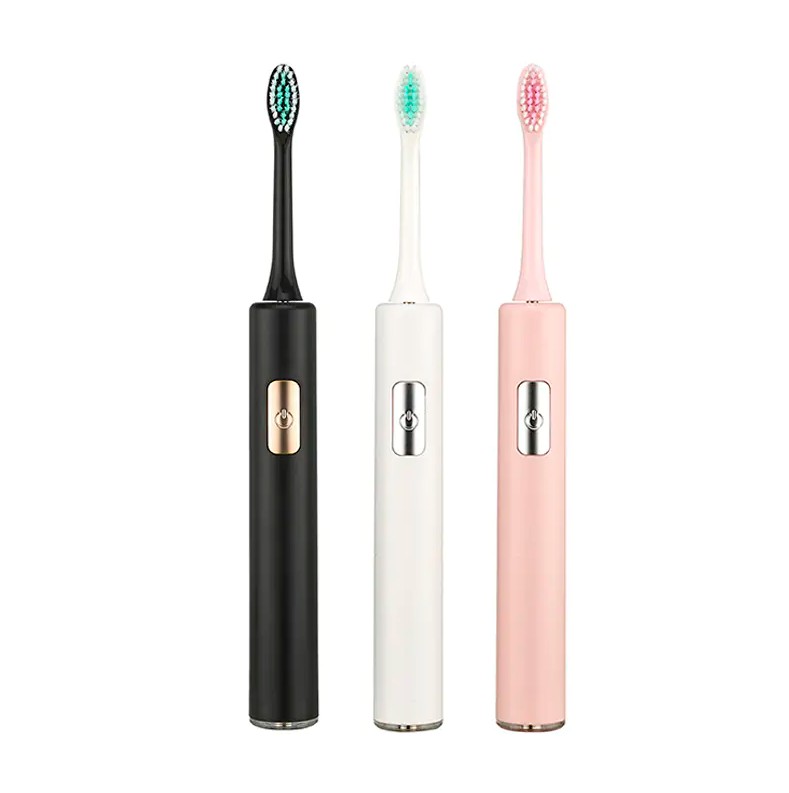
1. Sonic Toothbrush:
The core of a sonic toothbrush is "sonic," but it doesn't clean teeth with sound. Rather, it refers to its vibration frequency reaching the range of sound waves, exceeding 31,000 times per minute.
Features: This high-frequency vibration generates a unique "fluid cleaning force." The high-speed movement of the bristles drives water, saliva, and toothpaste in the mouth to form countless tiny bubbles. These bubbles can penetrate areas that are difficult for manual or regular electric toothbrushes to reach, such as between teeth and along the gum line, achieving non-contact cleaning.
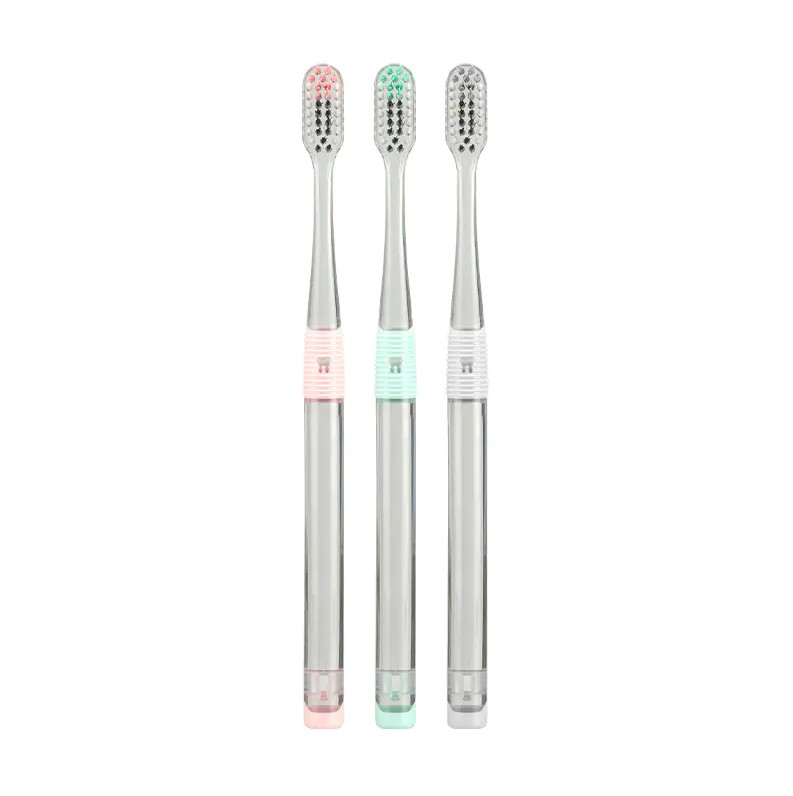
Sonic toothbrushes rely on high-frequency vibration and water flow to achieve efficient cleaning.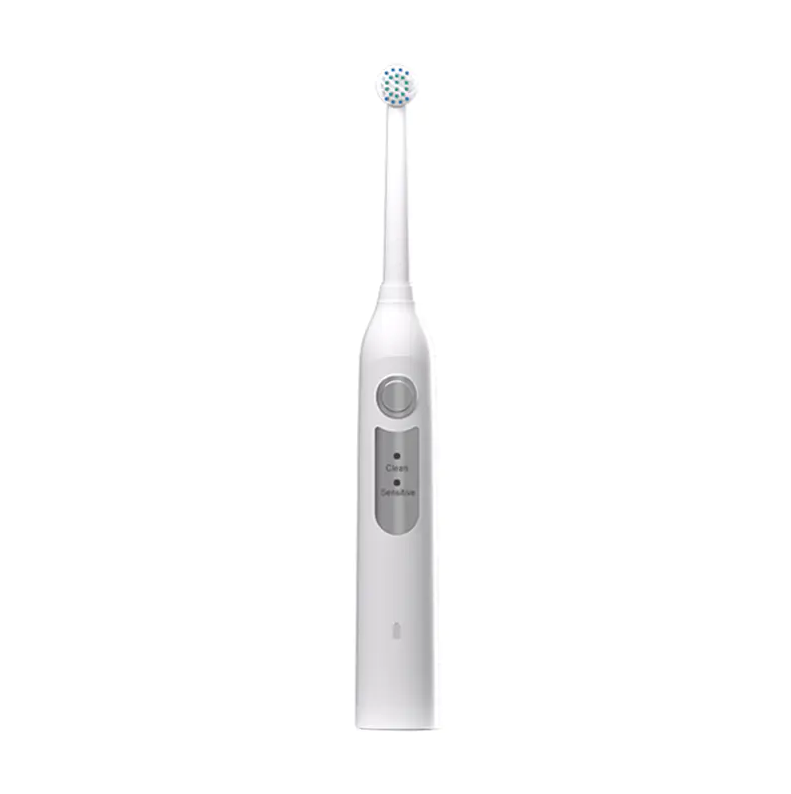
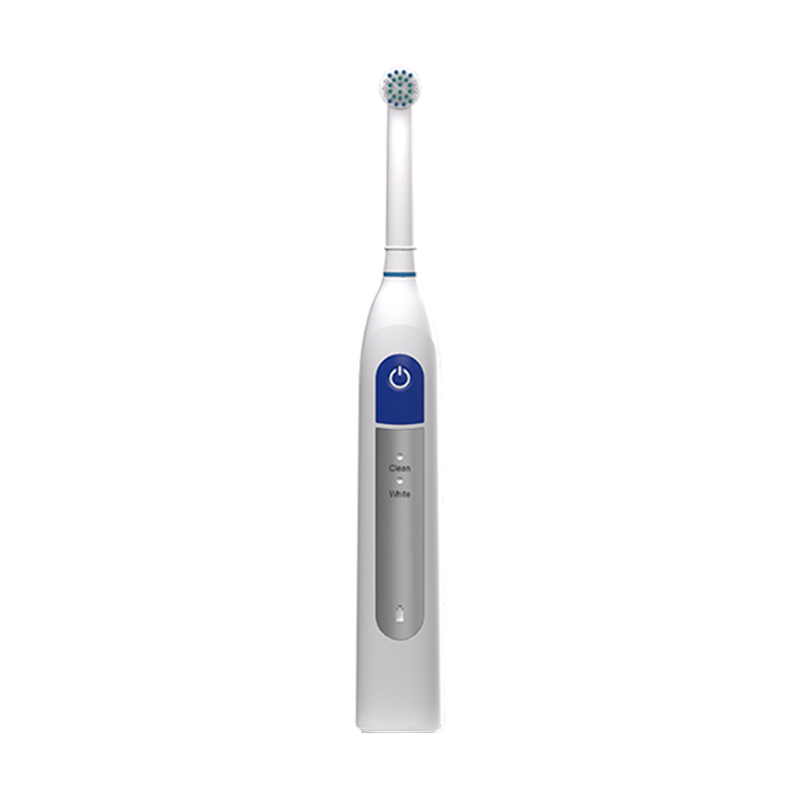
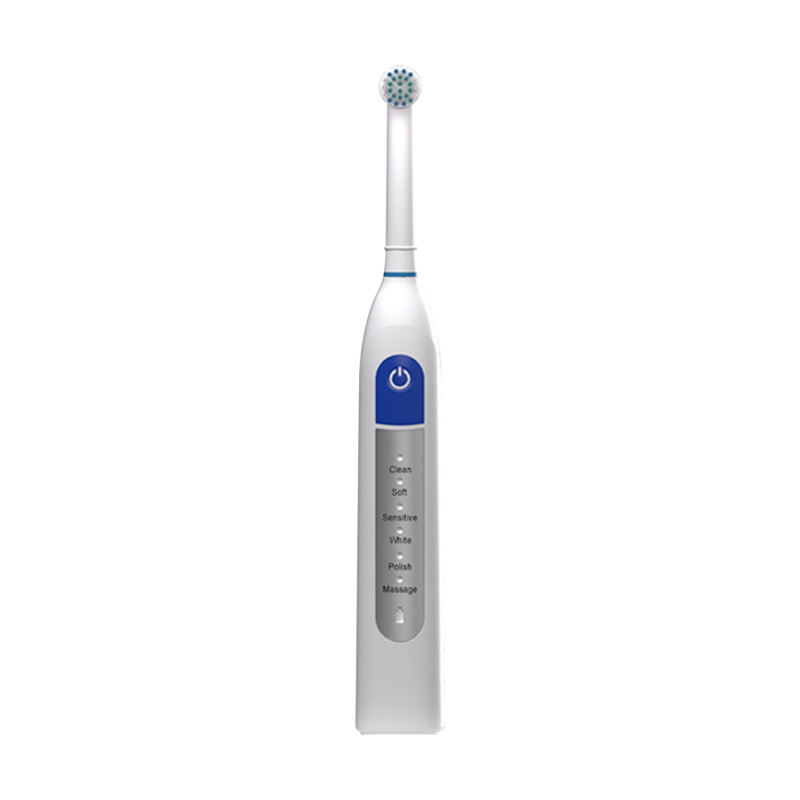
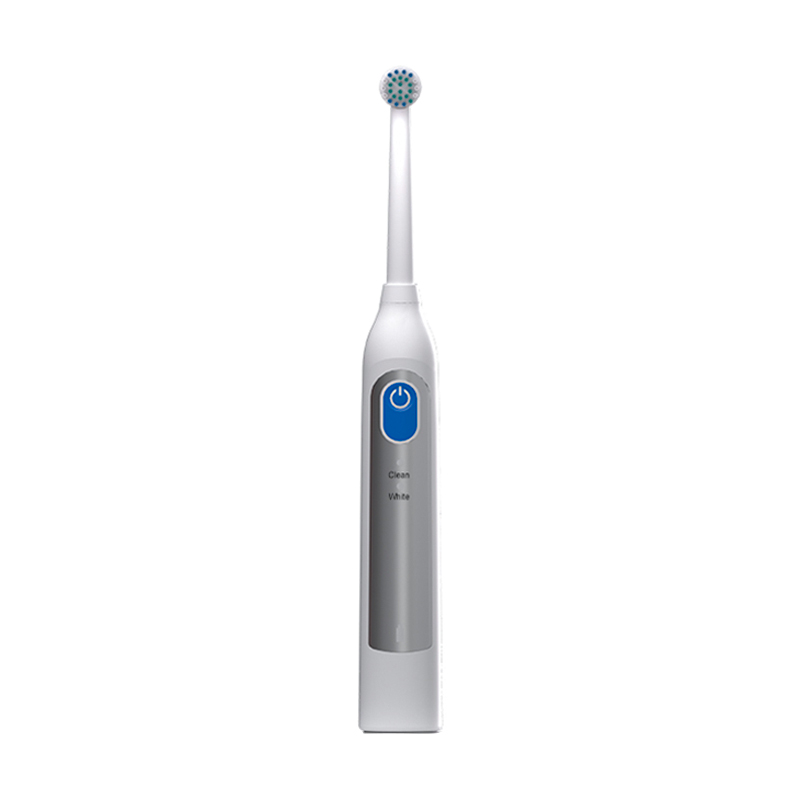
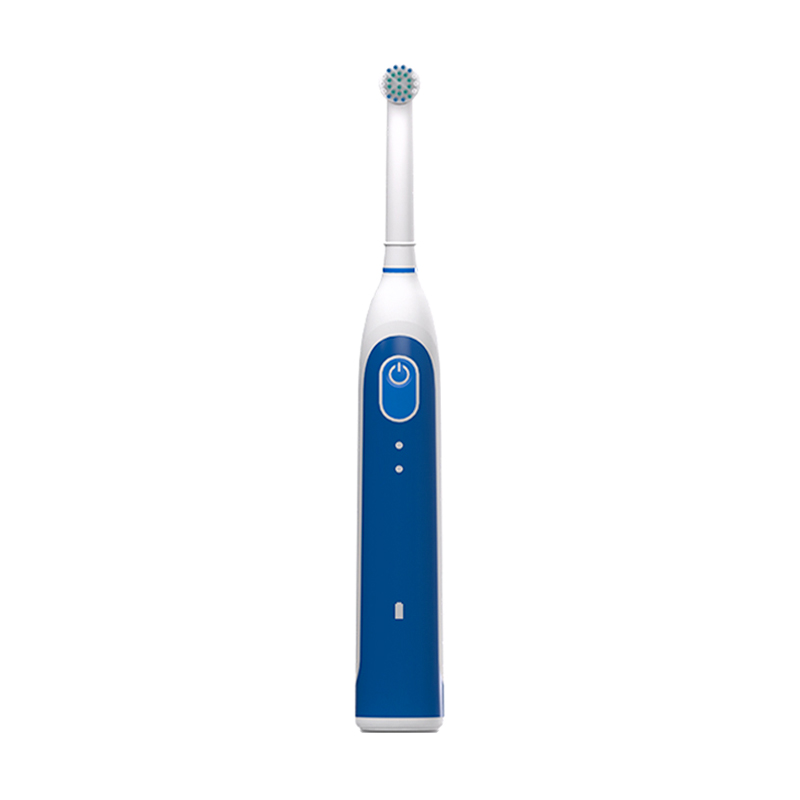
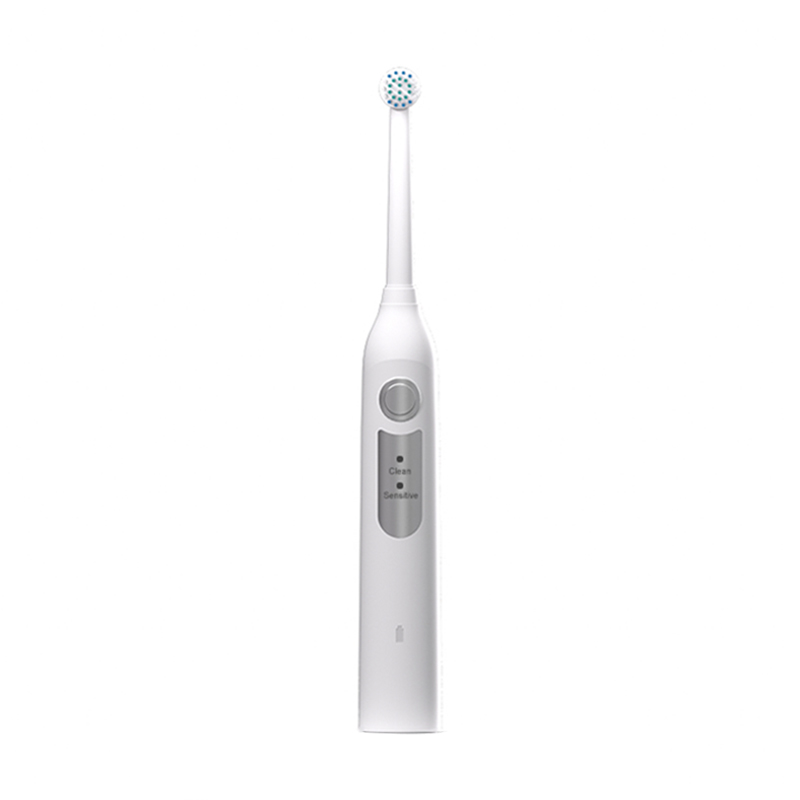
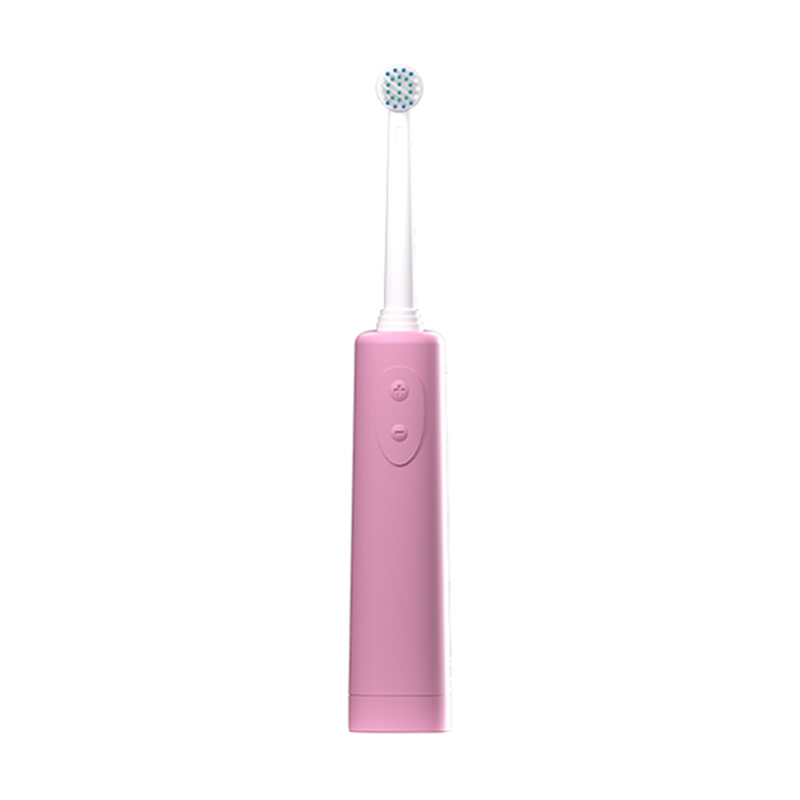
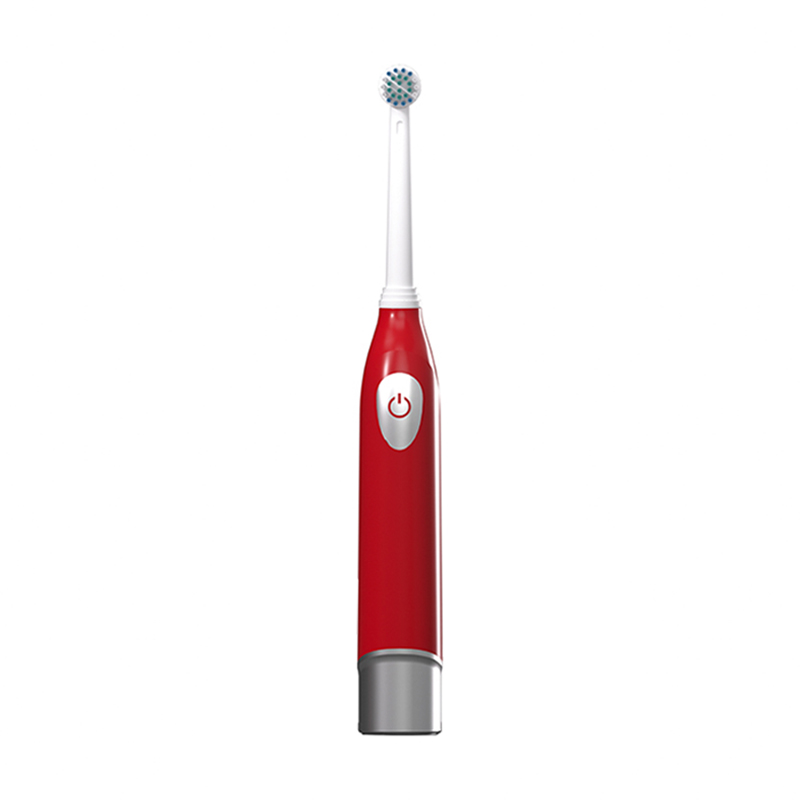
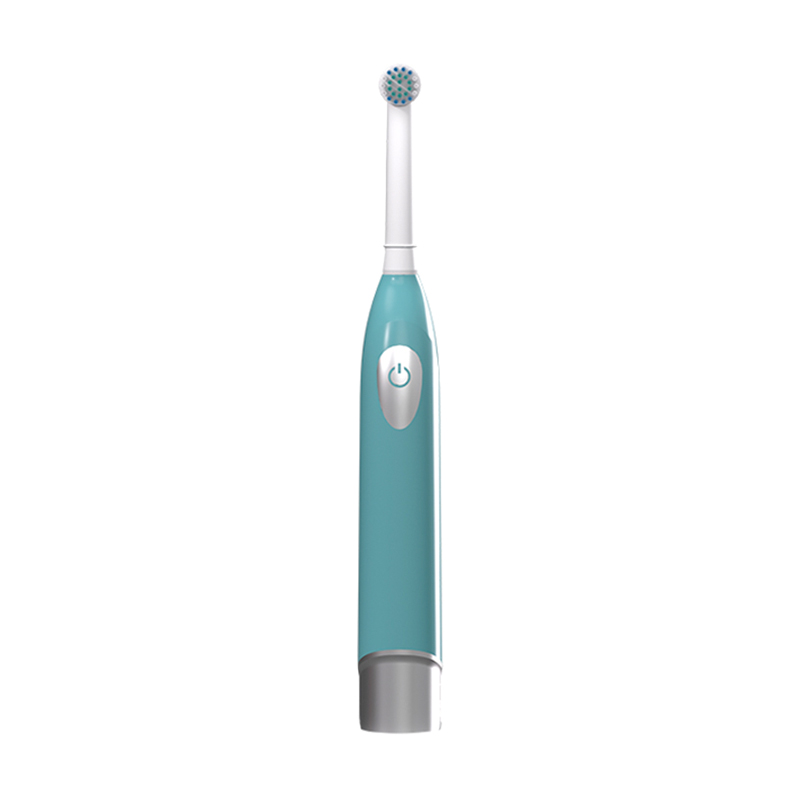
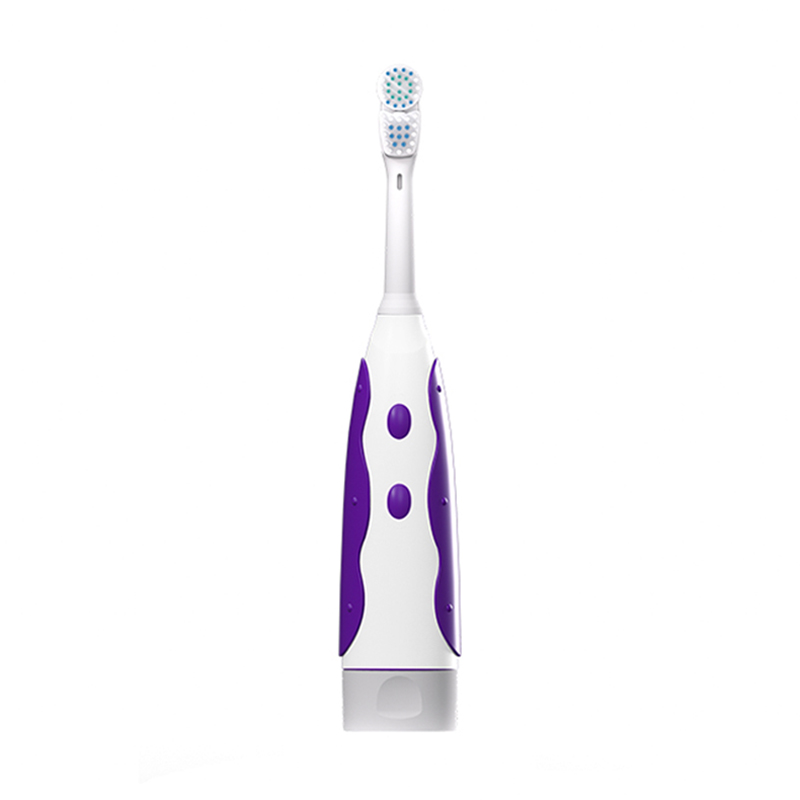
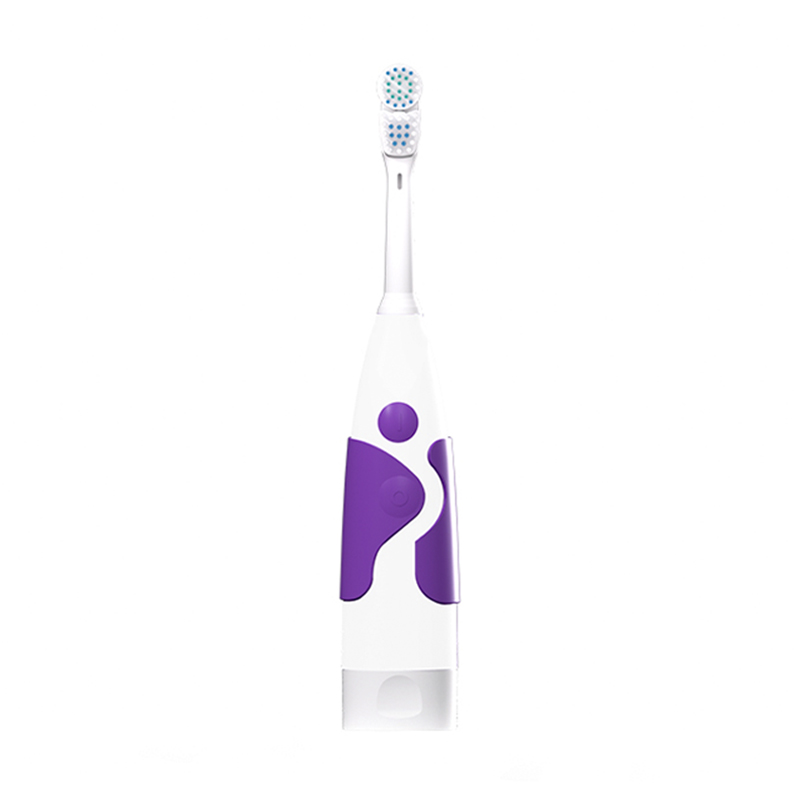
2. Regular Electric Toothbrush (Oscillating-Rotating Toothbrush)
Regular electric toothbrushes typically use a "rotation-oscillation" or "back-and-forth" mechanical motion pattern.
Features: Its working principle primarily involves the brush head making high-speed circles or rapidly oscillating left and right around a central point, relying on the mechanical friction between the bristles and the tooth surface to remove plaque. Its vibration frequency is much lower than that of a sonic toothbrush, typically a few thousand times per minute.
It relies on direct contact between the bristles and teeth and mechanical friction to achieve cleaning.
II. Comparison of Cleaning Effectiveness and Suitable Users
| Features | Sonic Toothbrush | Standard electric toothbrushes (Oscillating-Rotating) |
| Cleaning Method | High-frequency vibration + fluid cleaning power (non-contact) | Mechanical friction (contact type) |
| Vibration Frequency | Extremely high (over 31,000 vibrations/minute) | Low (several thousand strokes/minute) |
| Brush Head Shape | Similar to a traditional toothbrush in shape | Commonly small, round or oval-shaped |
| Cleaning Area | Comprehensive cleaning, effectively cleaning between teeth and below the gum line | Primarily the bristles contact the tooth surface |
| Gentleness Level | Relatively gentle brushing action, minimizing gum irritation | If used improperly, mechanical friction can cause significant irritation to the gums. |
| Suitable Users | Suitable for those with sensitive gums, periodontal problems, braces, or those seeking deep cleaning. | Suitable for those seeking basic, efficient cleaning and accustomed to using round brush heads. |
III. How to Choose Your "Cleaning Companion"?
If you seek deep, comprehensive cleaning: A Sonic toothbrushes is recommended. Its unique fluid cleaning power can reach the blind spots of traditional cleaning methods, resulting in higher plaque removal efficiency and gentler treatment for gums.
If you prefer mechanical cleaning and a round brush head: A regular electric toothbrush is a reliable choice. However, be sure to use gentle pressure to avoid excessive mechanical friction that could damage tooth enamel and gums.
Regarding maintenance: Regardless of the type of electric toothbrush, the brush head should be replaced every three months to ensure optimal cleaning efficiency and hygiene.
Sonic toothbrushes, with their high-frequency vibrations providing fluid cleaning power, excel in efficient yet gentle oral hygiene. Choosing the most suitable cleaning mode and type of electric toothbrush is the first step towards a healthy and beautiful smile.