
 English
 中文简体
中文简体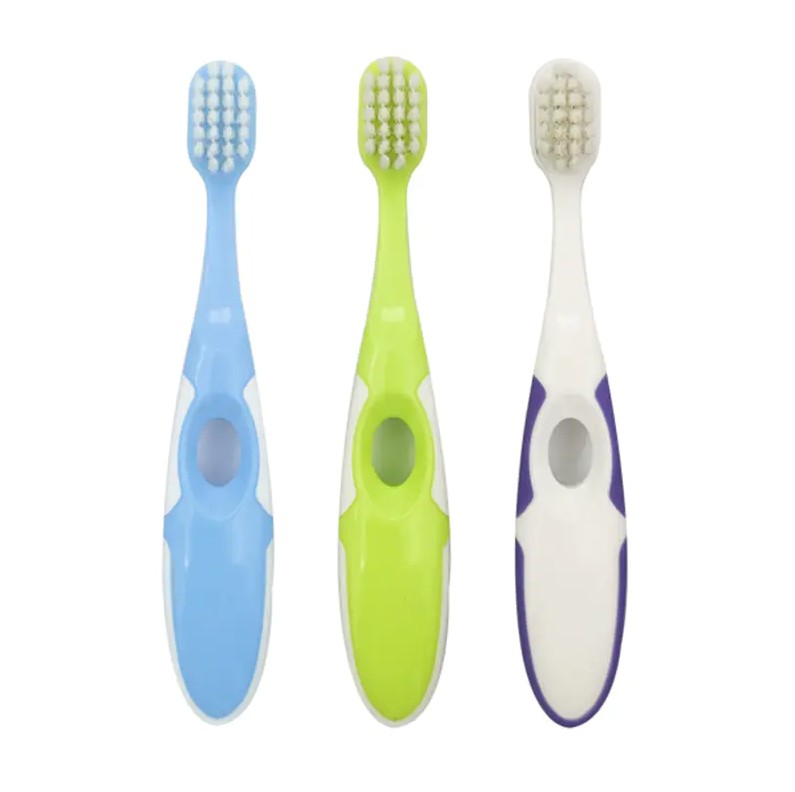
Phone:+86-13952799285
Choosing the right toothbrush is a crucial step in maintaining oral health during daily oral care. However, faced with the wide variety of manual and high-tech electric toothbrushes on the market, many people struggle with the question of "which is better?".
Content
- 1 Cleaning Ability Comparison: Efficiency vs. Technology
- 2 User Experience and Functionality: Intelligent Care
- 3 Which Is Better?
- 4 Frequently Asked Questions (FAQ)
- 5 Q1: Are electric toothbrushes always better at cleaning than manual toothbrushes?
- 6 Q2: Is it easier to damage gums with an electric toothbrush?
- 7 Q3: How often should I replace my electric toothbrush head and manual toothbrush head?
- 8 Q4: What are the main smart features of electric toothbrushes?
- 9 Q5: Which type of toothbrush is more suitable for frequent travelers?
Cleaning Ability Comparison: Efficiency vs. Technology
Advantages of Electric Toothbrushes
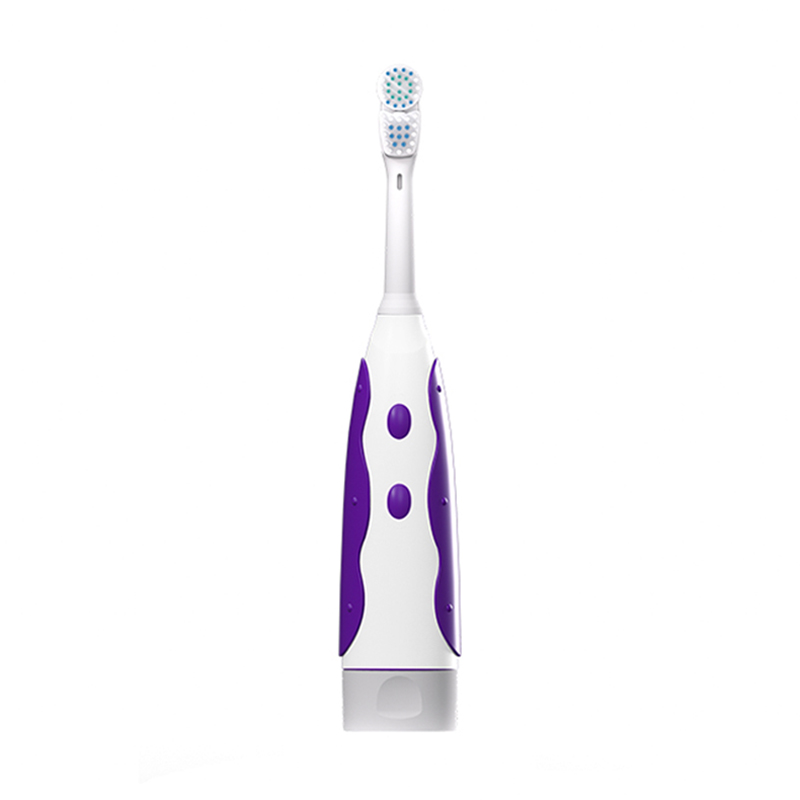
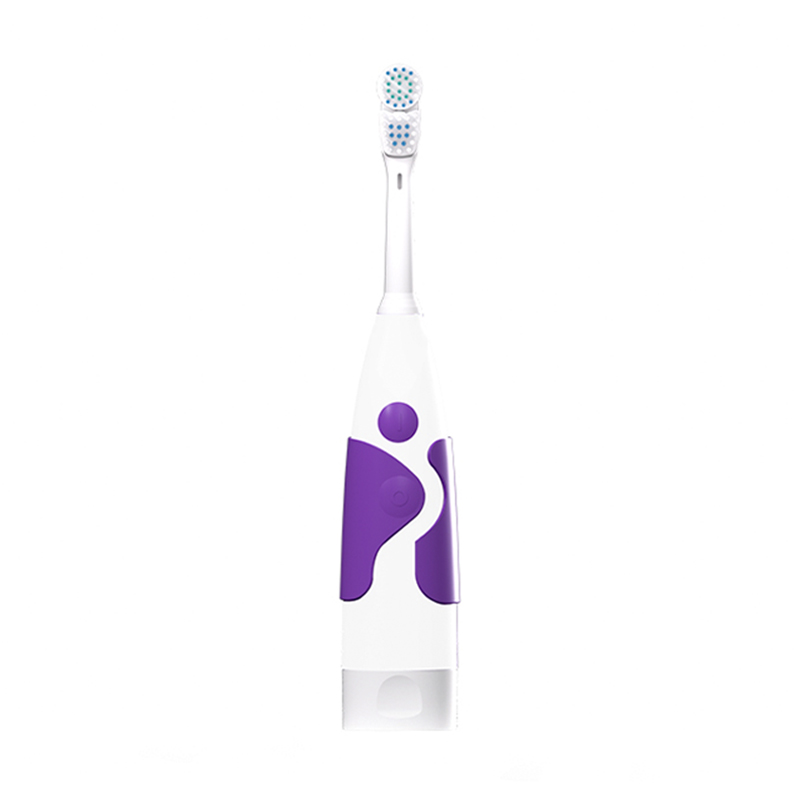
The biggest advantage of electric toothbrushes lies in their high-frequency mechanical motion. Whether through sonic vibrations or rotary vibrations, they can generate far more brushing motions in a short time than manual toothbrushes.
High Vibration Frequency: Most electric toothbrushes vibrate tens of thousands of times per minute, more effectively breaking down and removing plaque, especially in hard-to-reach corners of the mouth.
Consistent Cleaning: Electric toothbrushes ensure consistent cleaning standards with every brushing, reducing uneven cleaning caused by human factors (such as brushing force and angle).
The Challenges of Manual Toothbrushes
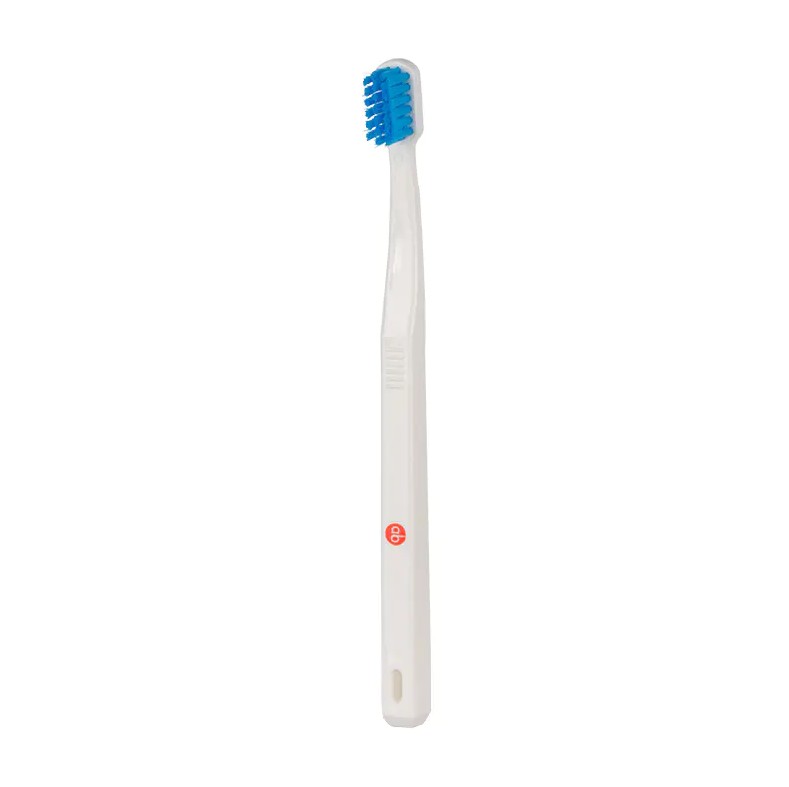
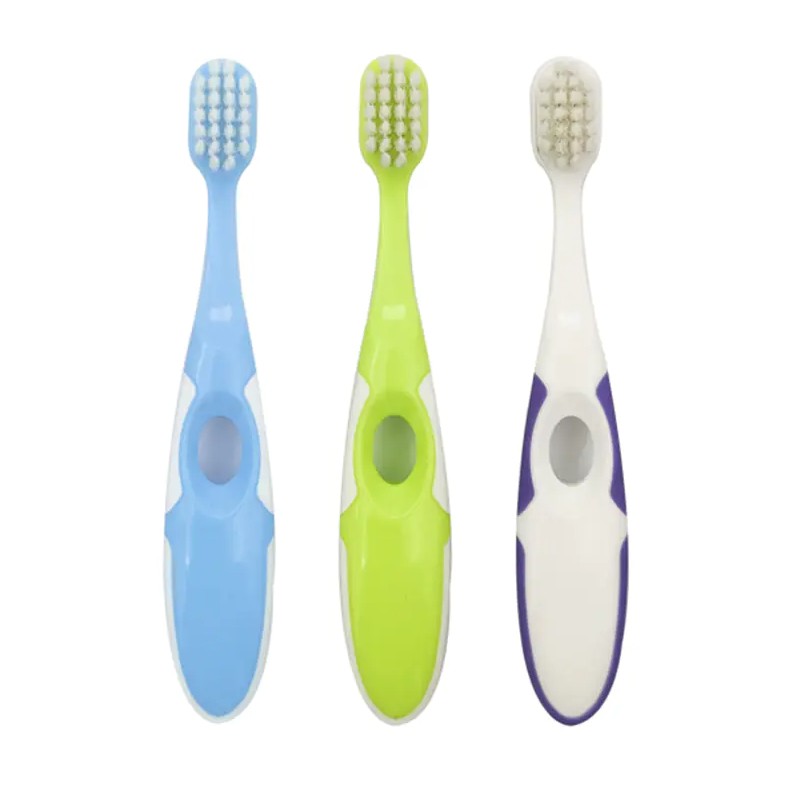
The cleaning effect of Manual toothbrushes heavily relies on correct brushing techniques (such as the Bass brushing method) and consistent patience.
High Technical Requirements: If brushing techniques are incorrect, manual toothbrushes may not thoroughly remove plaque and could cause gum damage or enamel abrasion due to excessive force.
User Experience and Functionality: Intelligent Care
Intelligent Functions of Electric Toothbrushes
Modern electric toothbrushes integrate many beneficial functions, greatly improving the brushing experience and results:
- Timer: Built-in timers (usually two minutes) help users ensure they brush for the dentist-recommended time.
- Pressure Sensors: Prevent users from applying excessive force, protecting gum health and tooth surfaces.
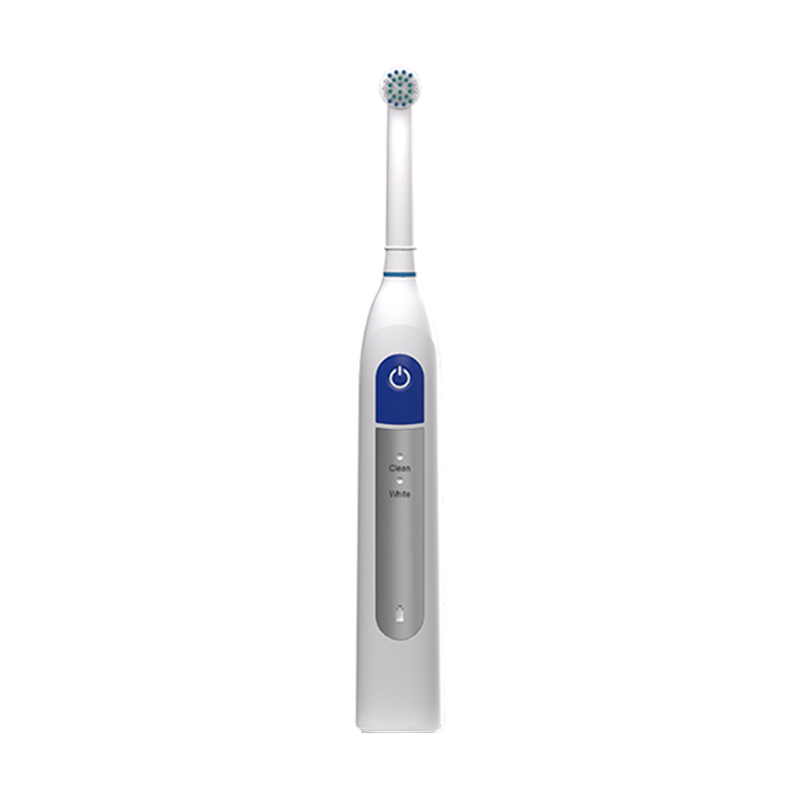
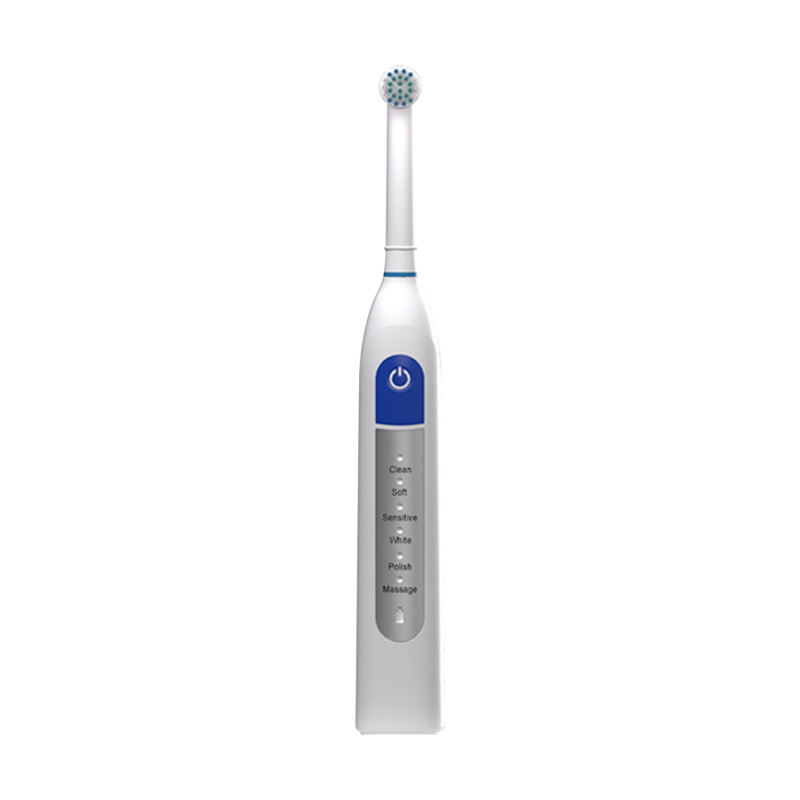
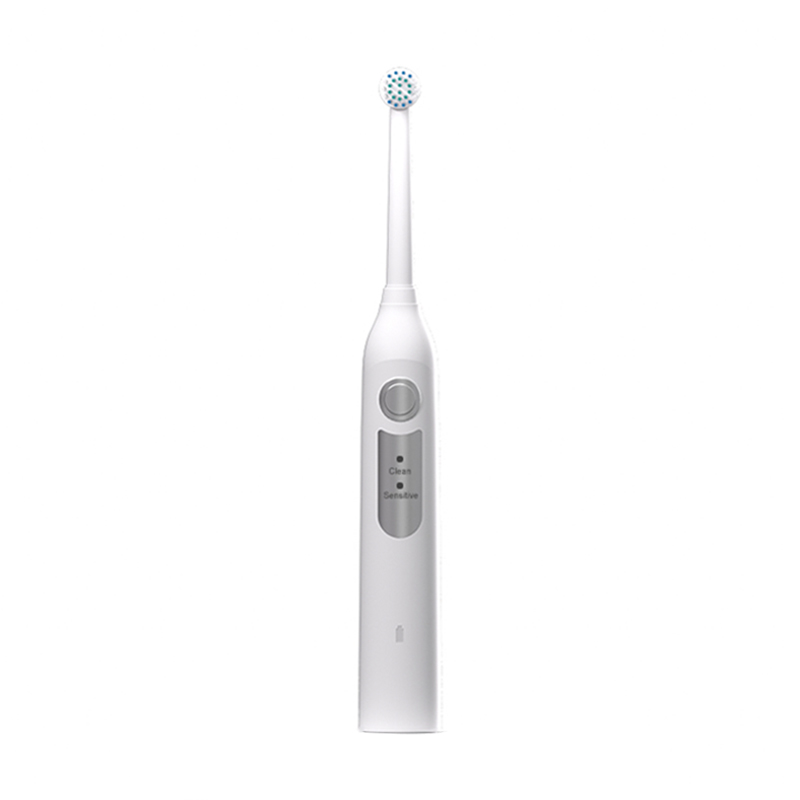
- Multiple Modes: Offers various cleaning modes such as sensitive, clean, and whitening to meet different oral care needs.
Convenience of Manual Toothbrushes
Manual toothbrushes excel in simplicity and portability:
- No Charging Required: Usable anytime, anywhere, ideal for travel or outdoor activities.
- Easy to Use: No need to learn complex electronic functions, suitable for all users.
Which Is Better?
Manual and electric toothbrushes are not a simple "either/or" choice; they each have their advantages. The best choice is the one that best suits your needs:
Electric toothbrushes are recommended for: Users who seek efficient and thorough cleaning, lack patience, or want to improve improper brushing habits.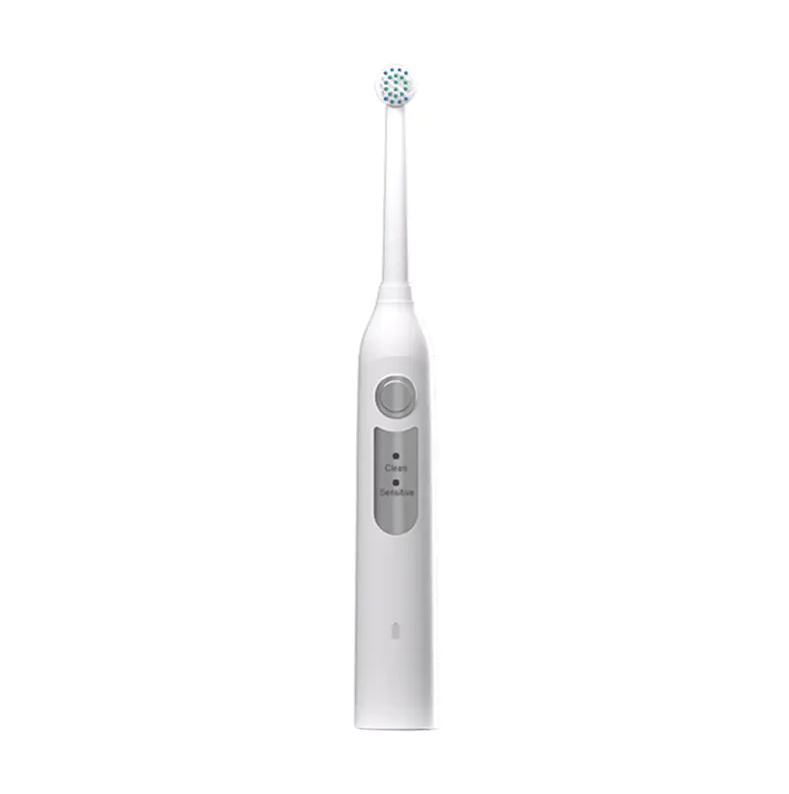
Manual toothbrushes are recommended for: Users with good brushing habits and techniques, who are cost-conscious, or who travel frequently.
Regardless of which type of toothbrush you ultimately choose, please always follow your dentist's advice: brush twice a day for at least two minutes each time, and regularly replace the bristles (or brush head), combining this with dental floss or a water flosser to maximize oral hygiene.
Frequently Asked Questions (FAQ)
Q1: Are electric toothbrushes always better at cleaning than manual toothbrushes?
A: Electric toothbrushes are generally more efficient and consistent at removing plaque than manual toothbrushes due to their high-frequency mechanical vibrations. However, manual toothbrushes, when used with proper brushing techniques (such as the Bass brushing method), can also achieve good teeth cleaning.
Q2: Is it easier to damage gums with an electric toothbrush?
A: No. Many modern electric toothbrushes are equipped with pressure sensors. When the user applies too much pressure, the sensor will issue a warning or automatically slow down, thus protecting gum health and tooth enamel.
Q3: How often should I replace my electric toothbrush head and manual toothbrush head?
A: Dentists generally recommend replacing both manual and electric toothbrush heads approximately every 3 months, or immediately when the bristles begin to bend or wear.
Q4: What are the main smart features of electric toothbrushes?
A: Common smart features of electric toothbrushes include: a built-in timer (to ensure you brush for at least two minutes), a pressure sensor (to prevent excessive pressure), and multiple cleaning modes (such as sensitive, clean, and whitening modes).
Q5: Which type of toothbrush is more suitable for frequent travelers?
A: Manual toothbrushes are generally more convenient because they don't require charging, are easy to operate, and take up little space. However, there are also compact, portable electric toothbrushes available on the market with long battery life.