
 English
 中文简体
Phone:+86-13952799285
A shopper picks up two smart electric toothbrushes. Both have a two-minute timer, a pressure light, and a phone app. One feels smooth and quiet. The other pulses hard against the gum line. The difference is not the label on the box. It is how the brush head, motor, sensor threshold, and handle shape work together in the mouth.
The practical answer is simple. Choose a smart electric toothbrush for dependable cleaning and gentle feedback first, then treat app features as a bonus. A timer that is easy to see and a pressure sensor that responds before discomfort matter more than a long feature list.
Content
What Makes an Electric Toothbrush Smart
There is no single standard for the word smart. In most oral care ranges, it means a group of features: a quadrant timer, a pressure sensor, several cleaning modes, and sometimes a Bluetooth or app connection. These features can be genuinely useful, but only when they support the basic job of brushing all tooth surfaces for two minutes with light pressure.
A smart label does not guarantee a better clean for every mouth. A large handle can be hard to control. A strong mode can irritate gums. An app that demands daily attention can become clutter. The useful test is whether the brush makes careful brushing easier to repeat.
| Feature | What it does | What to verify |
|---|---|---|
| Pressure sensor | Warns when brushing force is too high | Does it react quickly? Is the warning visual, audible, or vibration based? Can it be switched off? |
| Quadrant timer | Pulses at 30 second intervals and signals the two minute mark | Are the intervals clear with toothpaste foam? Does the timer reset properly? |
| Cleaning modes | Changes speed, amplitude, or motion pattern | Are the modes meaningfully different? Is the sensitive mode gentle at the gum line? |
| App connection | Shows coverage, time, and brushing habits | Does the brush work fully offline? Is setup simple? Are data terms clear? |
| Battery and charging | Supports daily use and travel | What run time is stated? Is charging inductive, USB, or battery based? What is the IP rating? |
Oscillating or Sonic: Match the Motion to the Mouth
Oscillating and sonic brushes use different motions. An oscillating head turns back and forth around a small arc, and some models add vibration for a dual action. A sonic brush uses high frequency side to side movement. Neither motion is universally superior. The right choice depends on gum comfort, brush head size, and how the handle feels in the hand.
In the Aolbea range, oscillating models include examples listed at around 6,000 oscillations per minute, while sonic models include examples listed at up to 33,000 vibrations per minute. A higher number is not automatically better. Bristle softness, head shape, and pressure control change the real brushing experience. Round oscillating heads can work around each tooth, while sonic heads often use a longer profile and wavy bristle designs to follow the gum line.
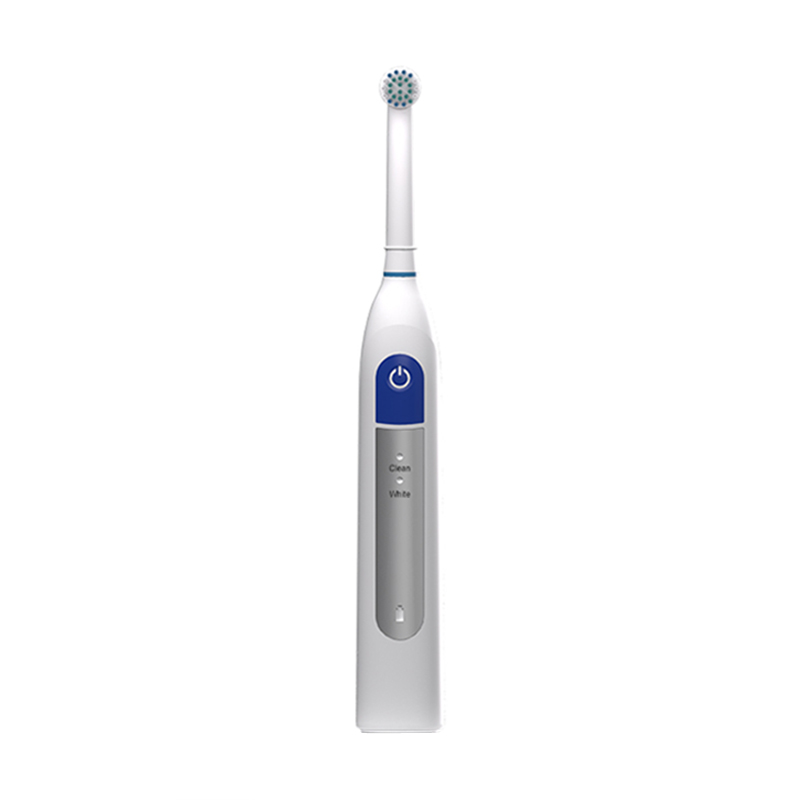
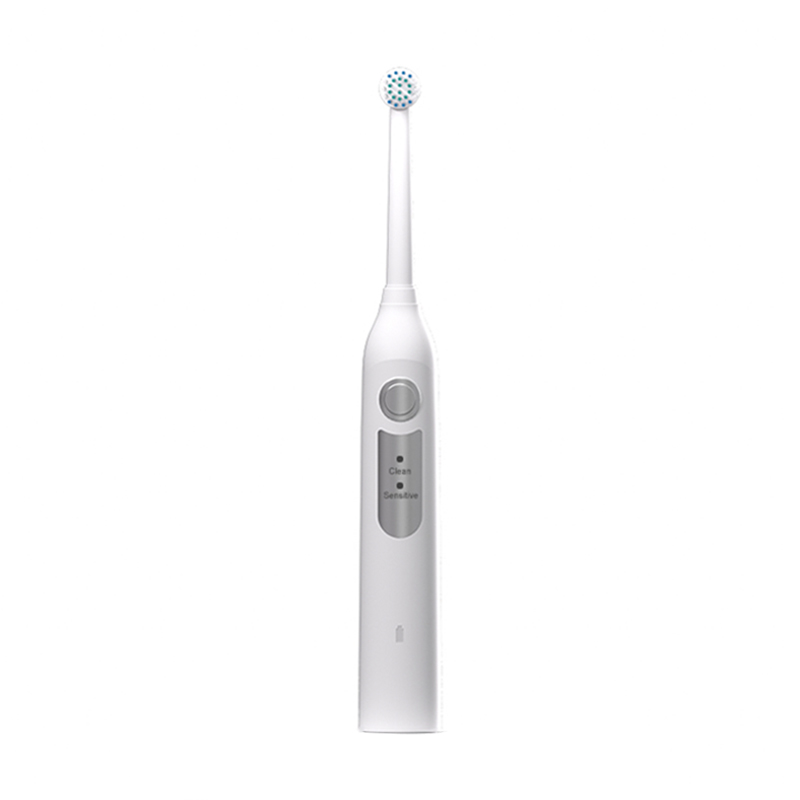
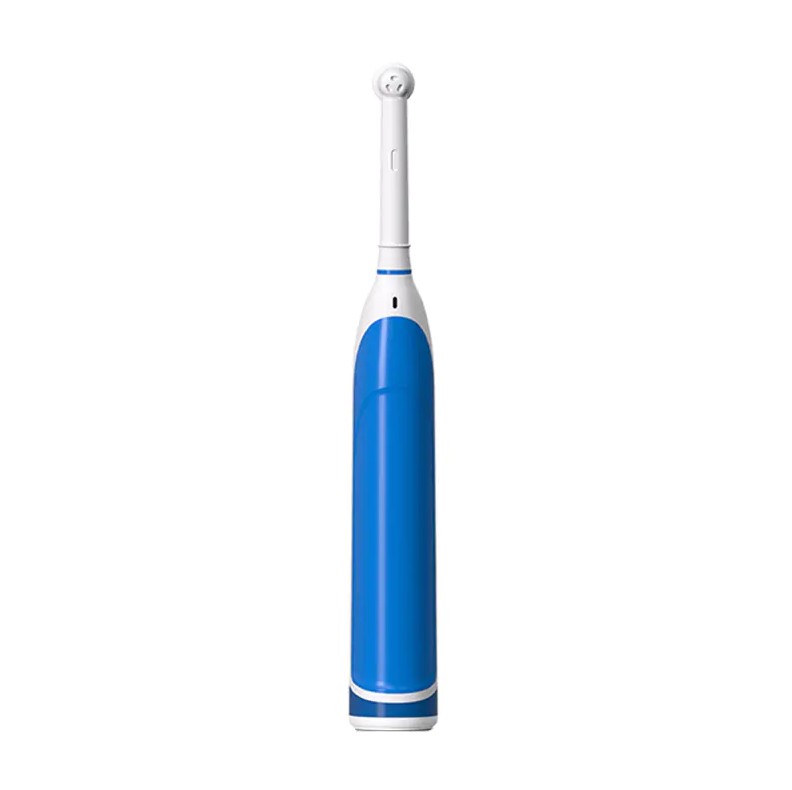
For sensitive gums, start with a softer brush head and a lower mode, then check how the gum line feels after several days. The ALB920 smart oscillating adult rechargeable model is one listed option with an IPX7 rating and smart controls.
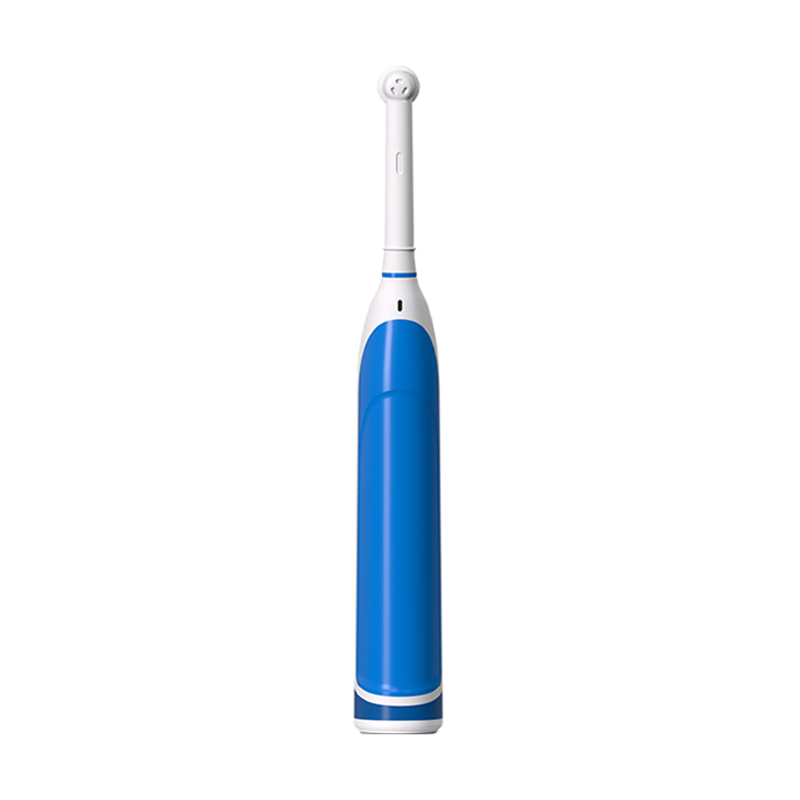 ALB920 Smart Oscillating Rechargeable Toothbrush with IPX7A rechargeable oscillating toothbrush with soft DuPont bristles, two cleaning modes, and a 2-minute timer; IPX7 sealing suits daily gum-care routines.View Product →
Smart Features That Earn Their Place
A pressure sensor should warn before the user feels pain, not after. A good sensor gives a clear signal through vibration, a light, or a short pause in motion. It should also be easy to understand without reading a manual every morning. The timer should be visible in a mirror and should not be so quiet that it disappears under running water.
Mode memory is small but practical. If a user always chooses the sensitive setting, the brush should start there or make the choice obvious. Battery indicators should warn early enough for a working day or a short trip. Water resistance matters in a wet bathroom, but IPX7 does not mean the handle should be soaked or stored in water.
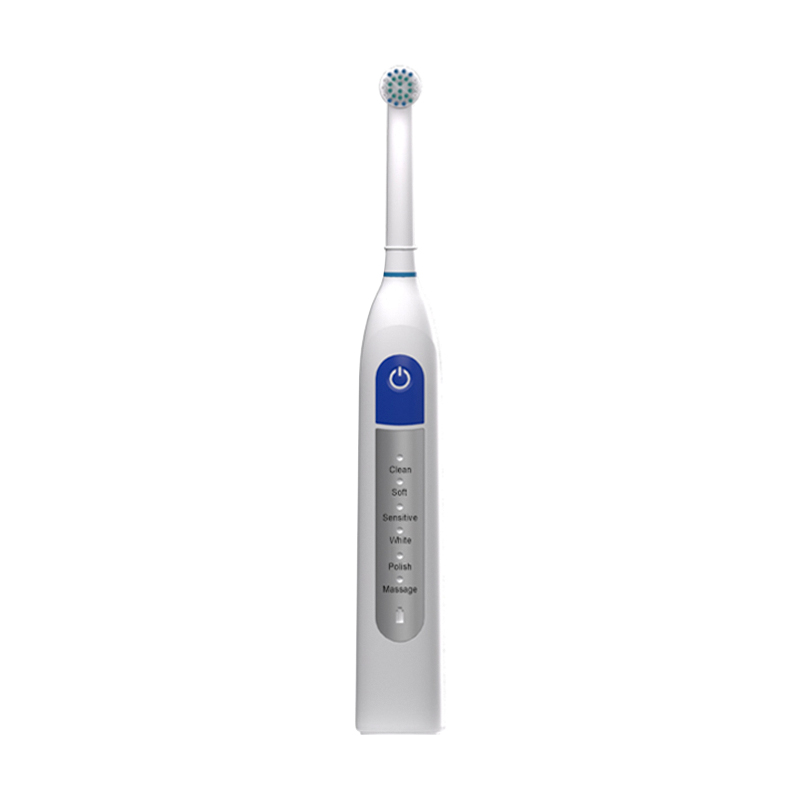
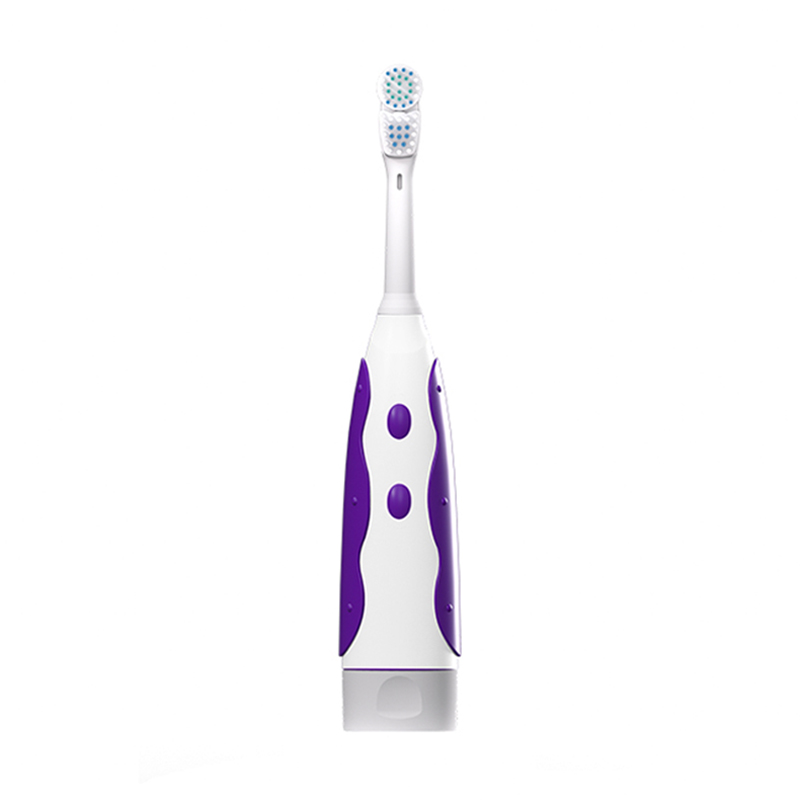
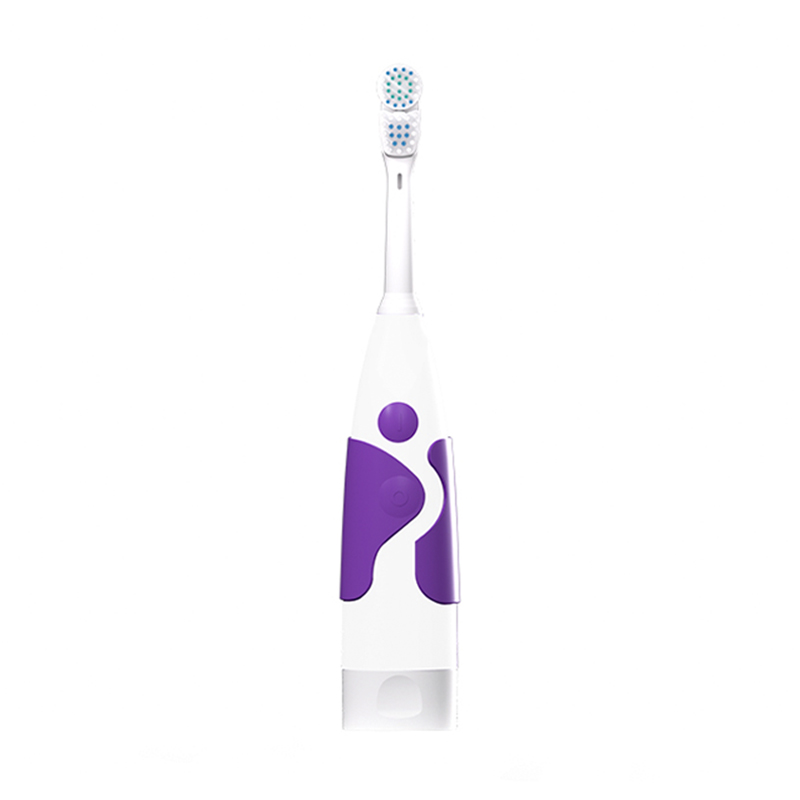
App features can help a motivated user see missed areas, but they should not be required for basic brushing. A smart electric toothbrush that works well offline is easier to live with. The ALB9102 is listed as a smart household oscillating multifunctional duo action model, which fits the idea of preset modes and dual motion in one handle.
 ALB9102 Smart Household Oscillating Duo-Action ToothbrushA rechargeable household toothbrush with duo-action cleaning, two modes, and a 30-second area reminder; wireless inductive charging and IPX7 sealing support daily use.View Product →
Battery, Charging, and Daily Hygiene
Battery powered models are convenient for travel because they do not need a dock. Rechargeable models usually suit daily home use, especially when the handle sits on a small stand. Inductive charging keeps contacts sealed inside the handle, while USB charging is easier for mixed travel kits. The trade off is simple: a sealed inductive design can be easier to rinse, but USB charging may be more flexible on a short trip.
Look for a stated run time that covers real use, not just a laboratory figure. A brush that needs charging every few days can be annoying for a family. A long standby claim is useful only if the brush still delivers full cleaning power near the end of the charge. For shared bathrooms, a handle that dries quickly and a brush head that is easy to remove for rinsing are practical advantages.
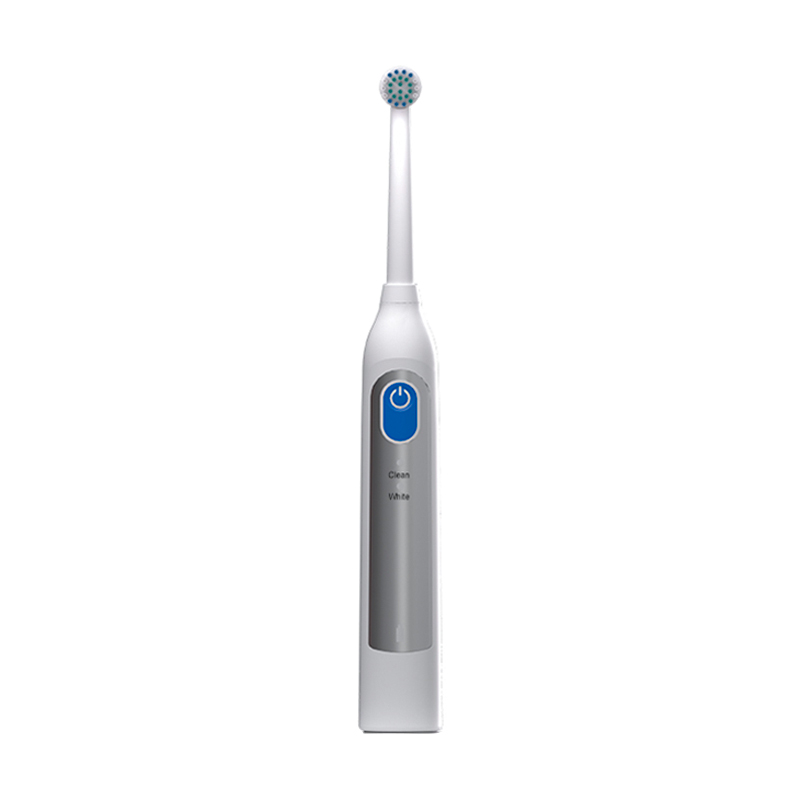
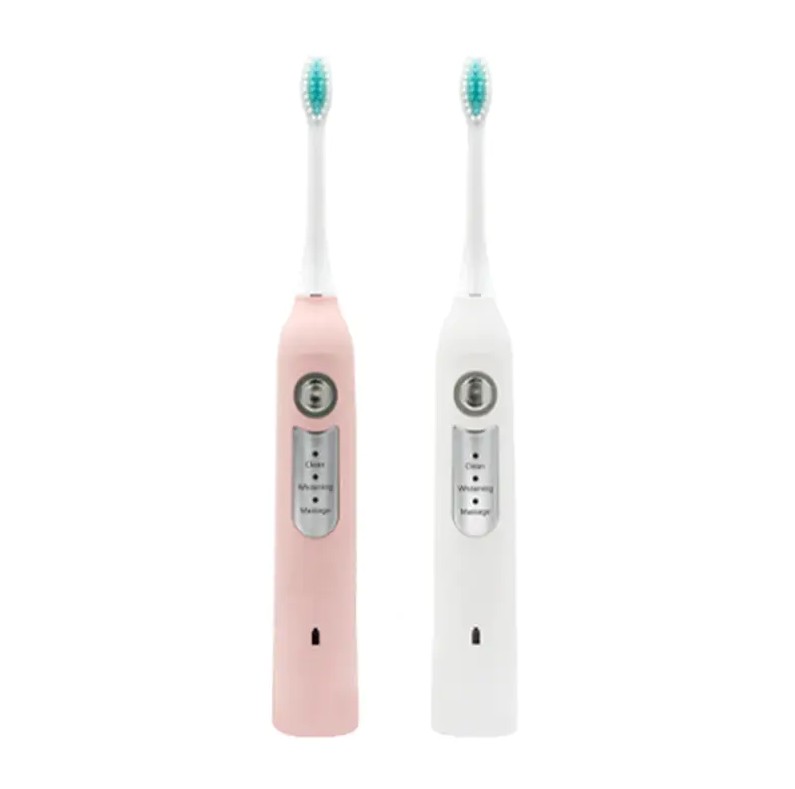
The ALB948 adult inductive charging model with a smart brushing reminder is one example of how charging and feedback can be combined in a daily use handle.
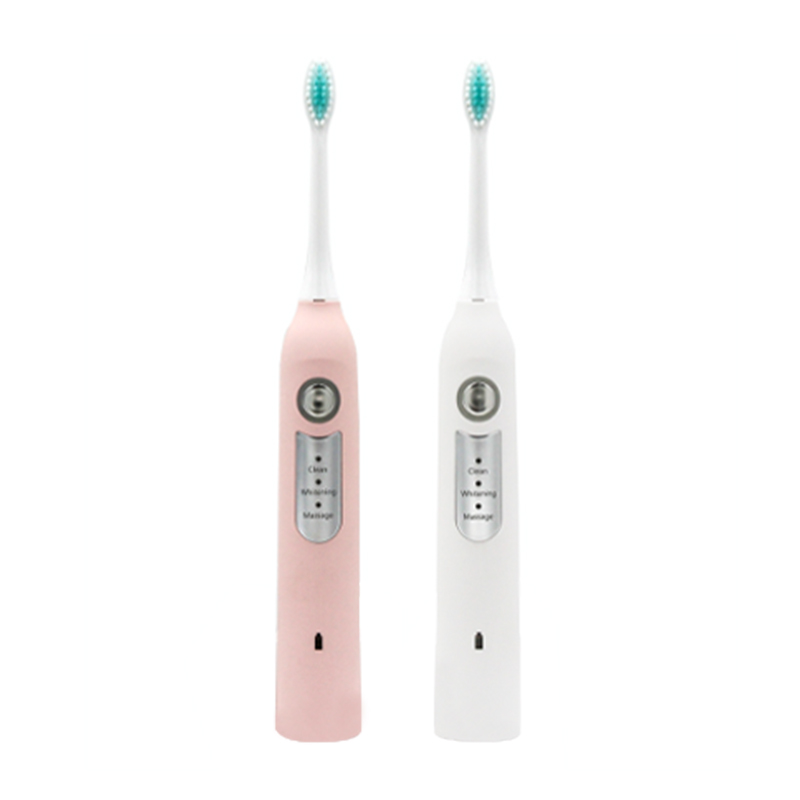 ALB948 Sonic Rechargeable Toothbrush with Smart Brushing ReminderAn inductive-charging sonic toothbrush with three modes, a 30-second area reminder, and a 2-minute timer; long battery life supports everyday oral care.View Product →
For a closer look at reminder functions in practice, this article on the practical advantages of a smart reminder function is useful.
How to Choose a Smart Electric Toothbrush
Start with fit, not the feature list. A brush head that is too large can miss the back molars or feel bulky at the cheek. A handle that is too narrow can be hard for an older user to grip. A handle that is too heavy can encourage pressing. These physical details decide whether the brush will be used well every day.
- Check brush head size and replacement availability before buying.
- Choose a bristle softness that suits the gums, especially with bleeding or recession.
- Confirm that the pressure sensor reacts quickly and is easy to notice.
- Decide whether the brush must work without an app.
- Compare IPX4 and IPX7 ratings against the bathroom and travel routine.
- Ask how long replacement heads will remain available for the model.
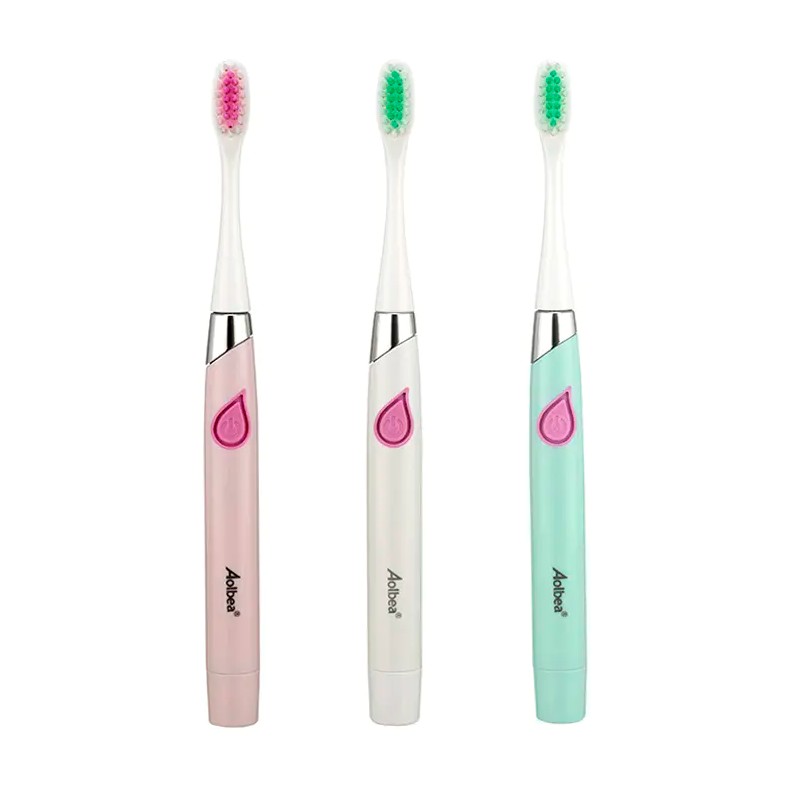
For bulk buyers, the risks shift to consistency. Brush head fit, motor performance, packaging, instructions, and spare parts should be checked across production lots. A manufacturer with a long history in oral care and standards work can be a useful starting point, but current test reports and samples still matter. Ningbo Aolbea Oral Care Products, based in Yuyao, says it has worked in oral care since 1986 and has taken part in drafting standards including the electric toothbrush standard. The company also says it holds more than 130 patents. Those claims are worth discussing during supplier review, alongside independent verification.
Care, Replacement, and Realistic Expectations
Replace the brush head every three months, or sooner if the bristles splay or feel rough. Rinse the head after use and let it air dry. Do not share brush heads. Children need supervision until they can brush without pressing too hard, and older users may benefit from a larger grip and simple controls. A smart brush can support a better routine, but it does not replace a dentist visit when bleeding or pain continues.
A smart electric toothbrush is a tool, not a diagnosis. The best choice is the one that fits the mouth, feels controlled at the gum line, and makes two minutes of careful brushing easier to repeat. Start with motion, brush head, and pressure feedback. Then add the smart features that support the habit rather than distract from it.