
 English
 中文简体
Phone:+86-13952799285
A shopper picks up a silicone electric toothbrush, presses the power button, and feels a soft pulse instead of the rapid scrub of a nylon-bristle brush. The first question is usually simple: does it clean as well? The short answer is that a silicone electric toothbrush can be gentle and easy to clean, but it is not a direct swap for a filament brush. Its cleaning relies on moulded silicone pins and pulsing motion, not on fine nylon filaments that sweep into grooves and along the gum line.
That difference matters for buyers who want less gum irritation, for parents comparing children's brushes, and for product teams checking whether a silicone design fits a new range. This guide sets out how silicone heads work, where they fall short, and which specifications deserve a closer look before you buy or specify one.
Content
How a Silicone Electric Toothbrush Works
A silicone head does not use conventional bristle tufts. The cleaning surface is a moulded elastomer pad with raised pins, usually rounded at the tip and spaced farther apart than nylon filaments. The motor may pulse, vibrate or combine both actions. Many silicone models run at a lower frequency than high-speed sonic brushes, and some are designed to be used with a light manual motion rather than a fast scrub.
Because the pins are thicker, they cannot enter every narrow fissure or slip between tight contacts in the same way as fine filaments. Instead, the head relies on surface friction, a broad sweeping contact area and the motor's pulse to disturb plaque. That makes the brush feel softer, but it also means technique and head shape have a large effect on results.
Silicone versus Nylon Bristles: What Changes in Real Use
The table below compares typical designs. Actual products vary, so check the head geometry, pin hardness and motor specification rather than relying on the word silicone alone.
| Feature | Silicone head | Nylon filament head |
|---|---|---|
| Cleaning surface | Moulded silicone pins | Nylon or polyester filaments |
| Cleaning action | Pulsing and surface friction | Oscillation, rotation or sonic vibration with fine filaments |
| Gum feel | Softer and less scratchy | Can feel firmer, depending on bristle softness |
| Reach into grooves | Limited by pin thickness | Better with fine tapered filaments |
| Plaque removal | Technique dependent | More clinical evidence for filament electric brushes as a category |
| Replacement | Often longer intervals, but check pin wear | Usually every three months or sooner if splayed |
| Best use | Tender gums, sensory preference, light maintenance | Daily plaque control and gum-line cleaning |
In daily use, the biggest difference is feedback. A nylon filament brush can feel scratchy when a user presses too hard, which is a useful warning. A silicone head can feel comfortable even when the user is pressing more than needed. For that reason, a timer and a pressure sensor are worth having on any electric brush, but they are especially useful when the cleaning surface feels soft.
Cleaning Performance and Plaque Removal
The evidence base for electric toothbrushes is strongest for conventional filament heads, especially oscillating-rotating and sonic designs. A silicone head may remove soft plaque from smooth surfaces, but it is not the first choice for a user with heavy plaque, tartar build-up or a history of gum inflammation. If the goal is predictable plaque control, look for a brush with a small head, soft filaments, a 2-minute timer and a pressure sensor. The evidence on plaque removal supports that practical hierarchy.
This does not make silicone a bad option. It means the buyer should match the brush to the job. A silicone brush can suit a user who finds filaments uncomfortable and who already has good oral care habits. It is a weaker match for someone who needs to improve cleaning around the gum line and between teeth, where floss or interdental brushes still do work that no electric brush can replace.
Who May Prefer Silicone, and Who Should Be Careful
Silicone electric toothbrushes tend to appeal to three groups: adults with tender gums, users who dislike the scratch of bristles, and families looking for a softer first electric brush for a child. The softer feel can make brushing less of a struggle, but it should not be sold as a complete answer for every mouth.
- Good candidates: users with sensitive gums who have been shown correct technique, and who accept that the brush feels different.
- Check first: children, people with braces, crowns, implants or gum disease, and anyone who has been told to improve plaque removal at the gum line.
- Poor fit: heavy tartar, active gum inflammation, or a user who wants a whitening effect from brushing alone.
Parents should supervise children until the child can brush every surface without missing the back teeth. A soft head is not a substitute for fluoride toothpaste, a small amount of pressure and regular dental checks.
Design Details That Matter When Buying
When comparing silicone electric toothbrushes, look past the material claim and check the build. A well-made head has pins that are firmly bonded, rounded tips and no sharp moulding flash. The handle should feel secure when wet, and the charging method should suit the bathroom. For a household with children, a smaller head and a clear timer are more useful than extra cleaning modes.
- Pin quality: ask for pin retention and hardness data, not just medical grade silicone.
- Head size: a smaller head reaches the back molars more easily, while a broad head may feel bulky.
- Motor and timer: a 2-minute timer with 30-second quadrant alerts supports consistent brushing.
- Water resistance: IPX7 is useful for rinsing, while IPX4 is acceptable for splashes but not immersion.
- Replacement supply: confirm that heads are available and that the replacement interval is realistic.
If your main goal is proven plaque control and you prefer a filament head, compare a rechargeable sonic model and an oscillating model before choosing a silicone design. A sonic brush with a soft filament option gives a useful benchmark for cleaning feel, timer function and head cost.
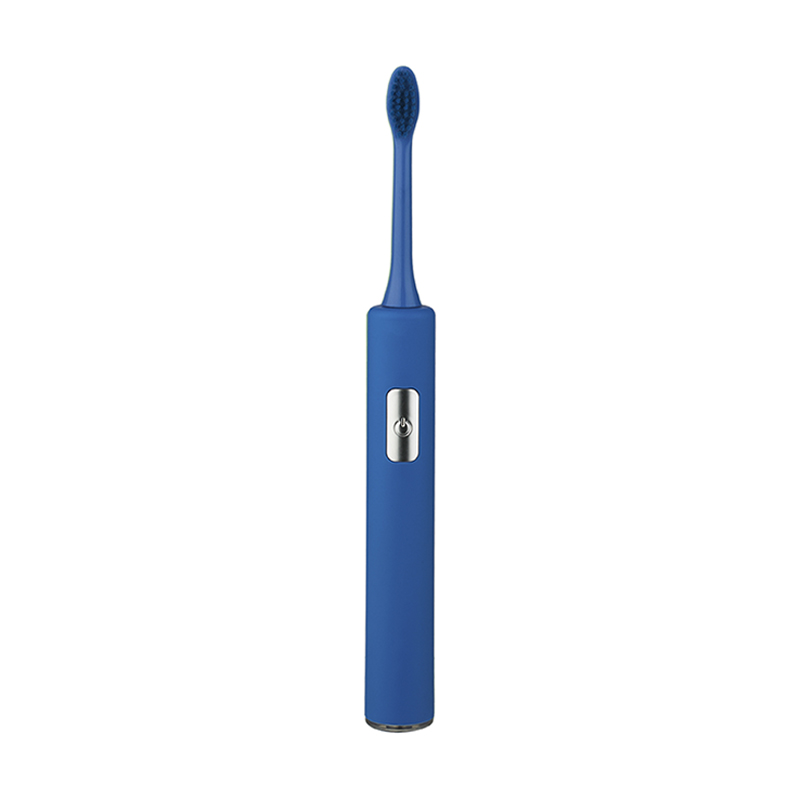 ALB-959 USB Rechargeable Sonic Electric ToothbrushA rechargeable sonic option with soft filament bristles, three modes, and smart timers, useful for comparing cleaning feel and head cost.View Product →
For users who prefer a round oscillating head, check the head size, pressure feedback and replacement cost in the same way. The goal is not to copy a silicone brush, but to judge whether the softer feel is worth giving up fine filament reach.
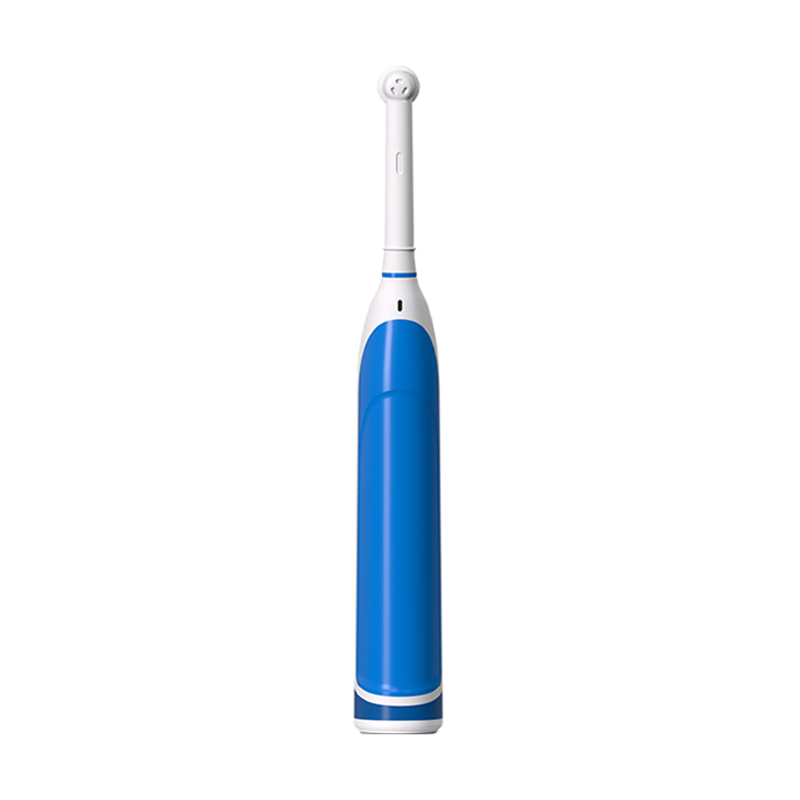 ALB-920 Smart Oscillating Rechargeable Electric ToothbrushA round-head oscillating model with two cleaning modes, smart timers, and IPX7 waterproofing, suited to comparing head size and replacement cost.View Product →
From a manufacturing view, the moulding tolerance of silicone pins matters more than the label. A pin that is too soft folds against the tooth; a pin that is too hard loses the gentleness that made silicone attractive. The same logic applies to filament brushes, where tuft retention, filament end-rounding and neck strength decide whether a low-cost brush feels reliable after a few weeks.
Cost, Replacement and Hygiene
Silicone heads are often marketed as longer lasting than nylon bristles. That can be true when the pins stay upright and the surface is easy to rinse, but it is not a reason to keep a worn head. Replace the head when pins are bent, torn or loose, or when the manufacturer's interval ends. Nylon brushes usually need a new head every three months, or sooner if the filaments splay.
A smooth silicone surface is easier to wipe clean than a dense tufted head, but it is not self-sterilising. Rinse the head after use, shake off excess water and store it upright in open air. Avoid sealed travel cases for daily storage, because trapped moisture encourages biofilm. If the brush has a vented cap, use it. If not, let the head dry before closing the case.
Practical Takeaway
A silicone electric toothbrush is a valid choice for a gentle, low-scratch brushing experience, especially for a user with tender gums or a sensory preference. It is not the strongest choice for heavy plaque, active gum problems or a user who needs a familiar filament brush to clean around the gum line. Buy on head fit, pin quality, timer, pressure feedback and replacement cost. If you are unsure, compare it with a soft filament sonic or oscillating brush and ask a dental professional which cleaning surface suits your mouth.