
 English
 中文简体
Phone:+86-13952799285
Hand a four year old a brush that is one size too big and the result is predictable: it goes in sideways, the child chews the handle, and the back molars never get touched. The brush is not defective. It is simply the wrong size for the mouth it was designed for, and it is the most common mistake we see when parents and buyers evaluate a pediatric toothbrush.
The short answer comes first. Choose the smallest brush head your child can use comfortably while still reaching the back teeth, choose soft or extra soft filaments with rounded ends, and match manual or electric to the child's dexterity rather than to packaging claims. Color, characters, and sound effects all come after those three decisions, never before them.
Content
Start With Head Size, Not With Features
Pediatric brush heads generally run from about half an inch to one inch in length, and the younger the child, the smaller the head should be. A practical way to judge it is coverage: a correctly sized head cleans roughly two to three teeth at a time. Anything wider forces the child to open too far, which usually means the molar line gets skipped entirely.
Two quick checks settle the question. First, place the head against the outside of the back molars. If it cannot sit flat without pressing into the cheek, it is too big. Second, watch the child brush for thirty seconds. A head that fits gets used properly. A head that is too large gets chewed, and chewing damages tufts long before the brush is due for replacement.
| Age band | Suggested head length | Bristle grade | Supervision level |
|---|---|---|---|
| Under 2 years | 0.4 to 0.6 inch | Extra soft, very small tuft count | Adult brushes the teeth |
| 2 to 5 years | 0.6 to 0.8 inch | Soft, rounded tips | Adult brushes, child practices |
| 5 to 8 years | 0.7 to 0.9 inch | Soft, medium density | Adult checks and finishes |
| 8 to 12 years | 0.8 to 1 inch | Soft, higher density | Child brushes with reminders |
Bristle Softness, Density, and Tip Finishing
Children's enamel is thinner and their gums react faster, so medium and hard bristles have no place in a pediatric toothbrush. Soft or extra soft filaments flex at the gum line and reduce the risk of abrasion when a child presses down hard, which most children do.
Softness is only half the story. Look at how the filament ends are finished: rounded tips cut down scratching on enamel and gum tissue, while sharp cut ends can leave the gum looking irritated after a single rough brushing session. Density matters just as much. High density fine filament tufts feel gentler because more filaments touch the surface at once, and that same contact helps clear plaque from the crevice where the tooth meets the gum. Sparse, stiff tufts feel scratchy and clean less, which is the opposite of what most shoppers assume.
A practical example helps here. A super soft small head brush with densely planted fine filaments can clean the fissures of a six year old's molars while the gum still looks calm the next morning. The same child brushing with a stiff brush often shows a pink tinge along the gum line within a week.
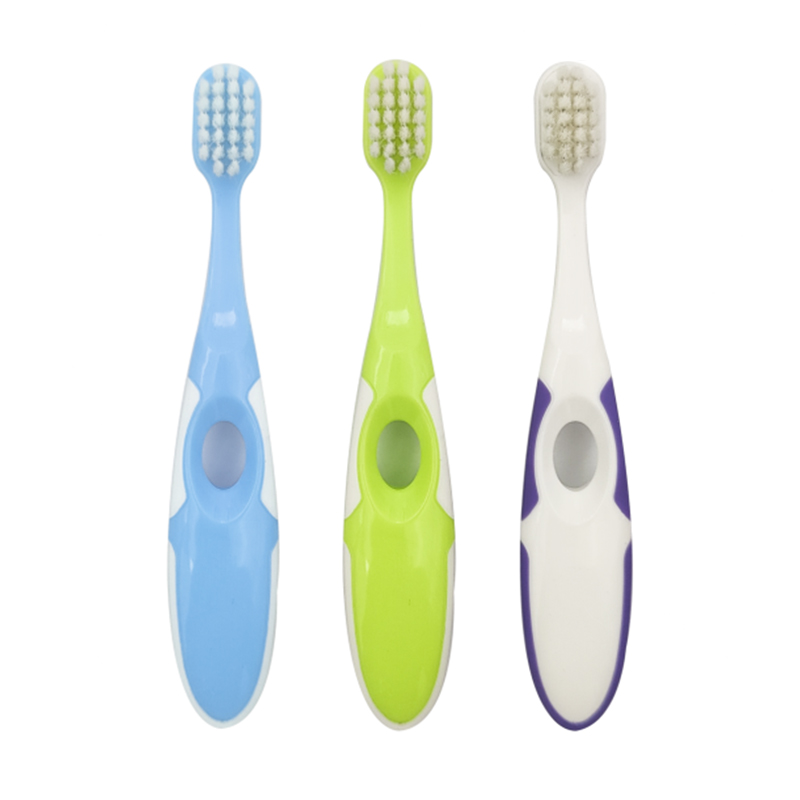 LB-4508 Kids Super Soft Small Head ToothbrushA small-head manual brush with super-soft, densely packed bristles for children who need gentle molar cleaning and a brush an adult can guide.View Product →
Manual or Electric: Match the Brush to Dexterity
Dexterity, not age alone, decides this. A child who still grips a pencil in a fist cannot control a brush head in the back of the mouth, whether the brush vibrates or not. For that group, a small manual brush used by an adult is the better tool.
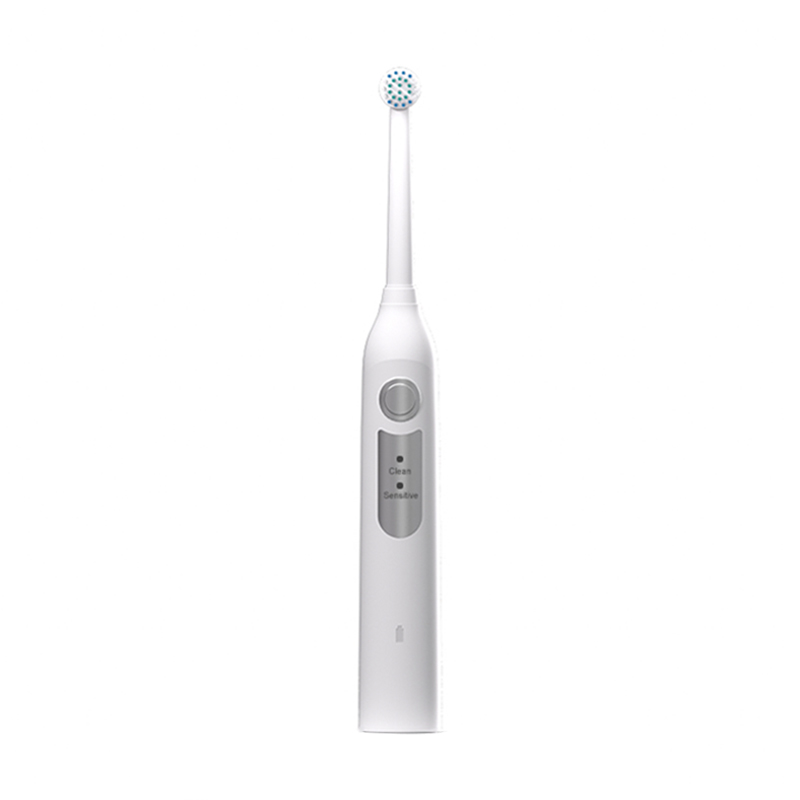
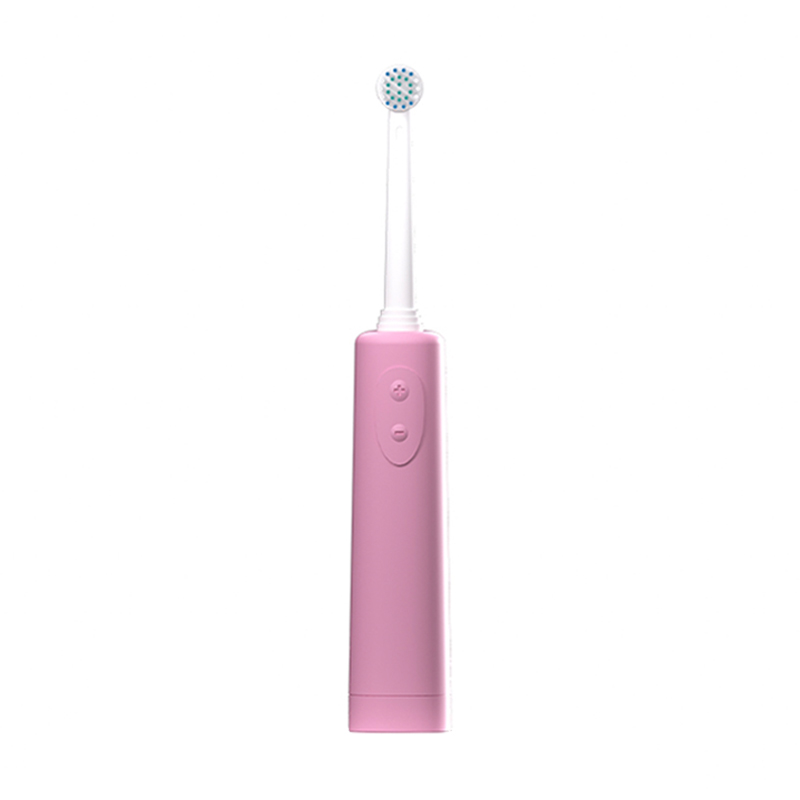
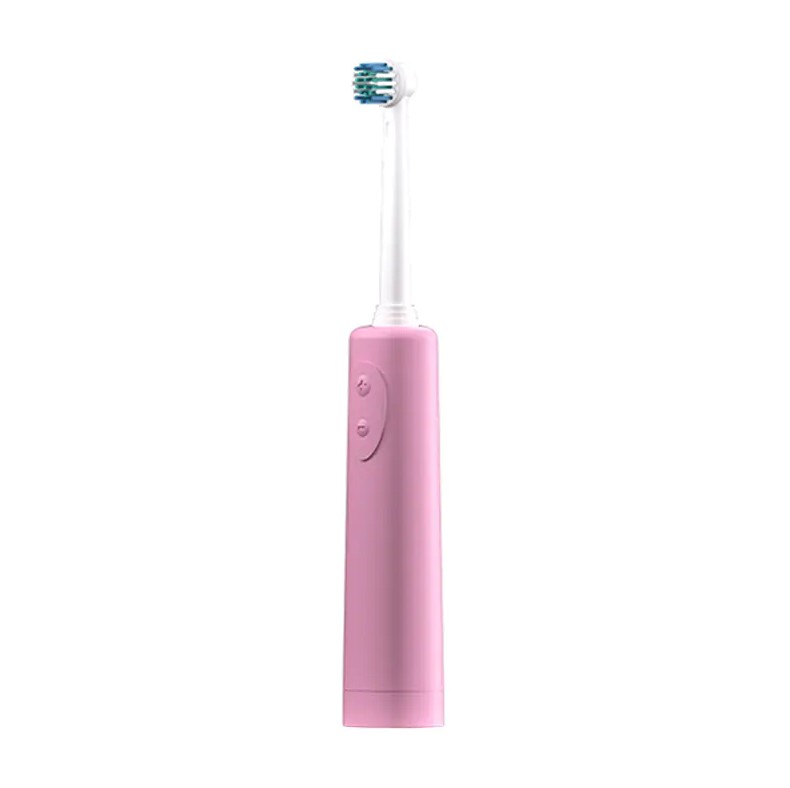
Once a child can hold a brush steady and copy a circular motion, an electric brush becomes useful, mainly because the motor does the work the wrist cannot yet do. For younger children, look for a small round head, gentle power, and a short two minute timer. High frequency adult models are rarely the right starting point, and many parents ask exactly this question, which is why we cover it in more detail in our guide on when children can start using an electric toothbrush.
Supervision remains the deciding factor well past the point where children insist they can manage alone. Most children need an adult to finish the back molars until around age seven or eight, because the manual control and patience for a full two minutes simply are not there yet.
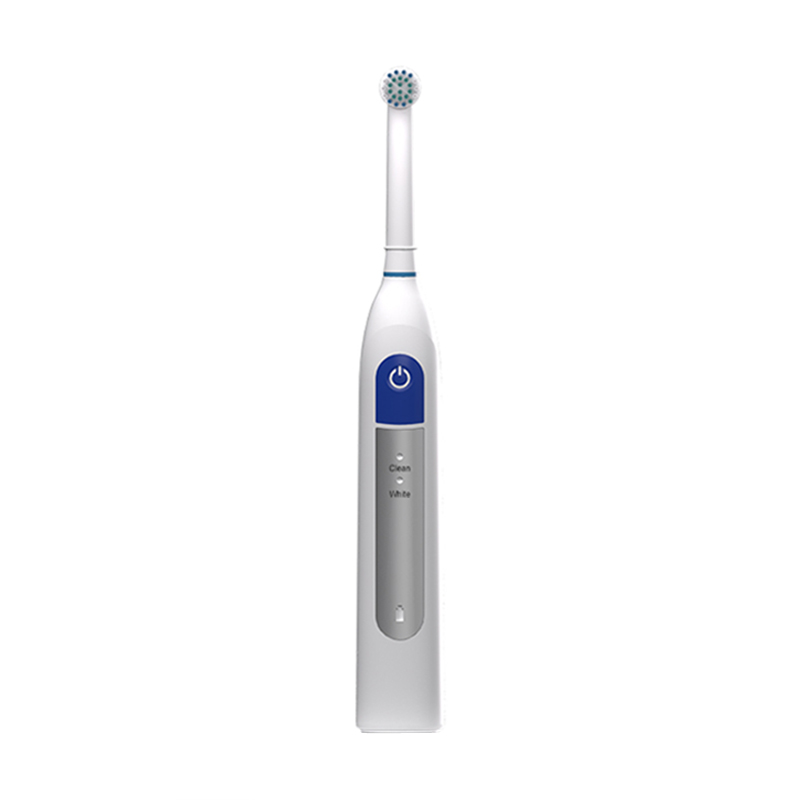
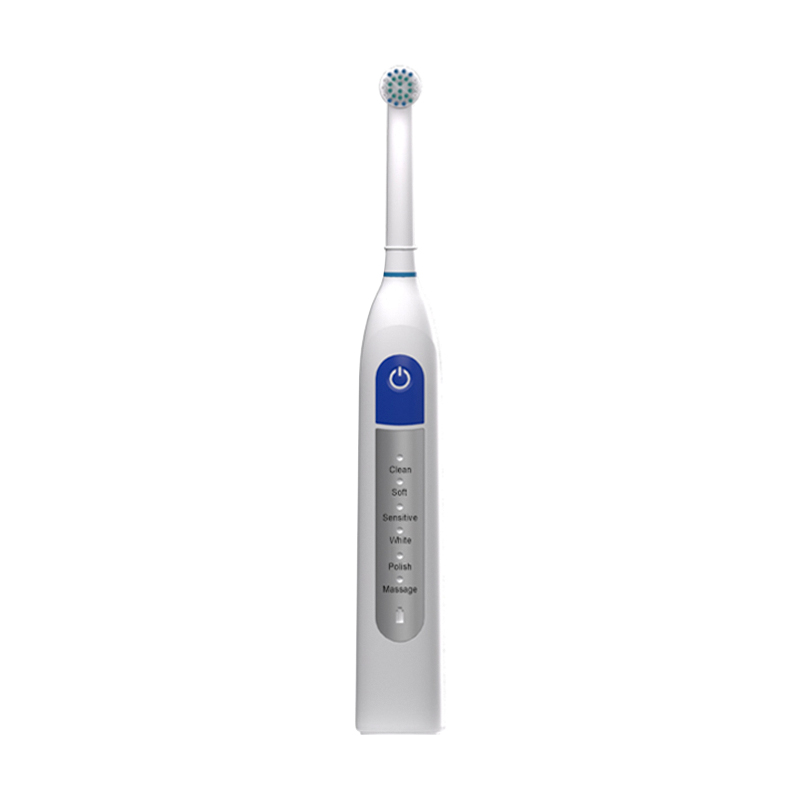
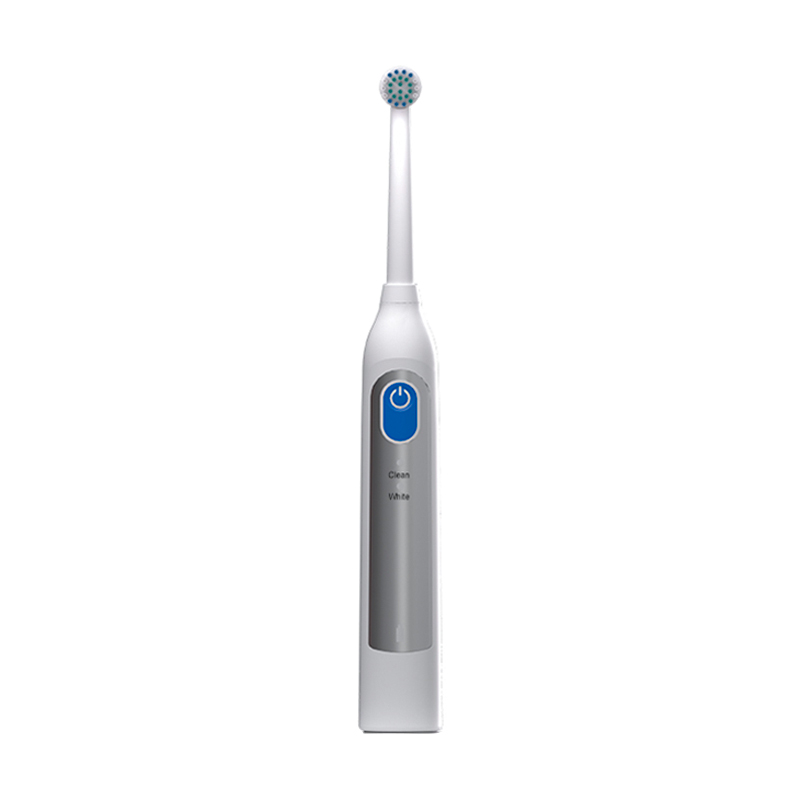
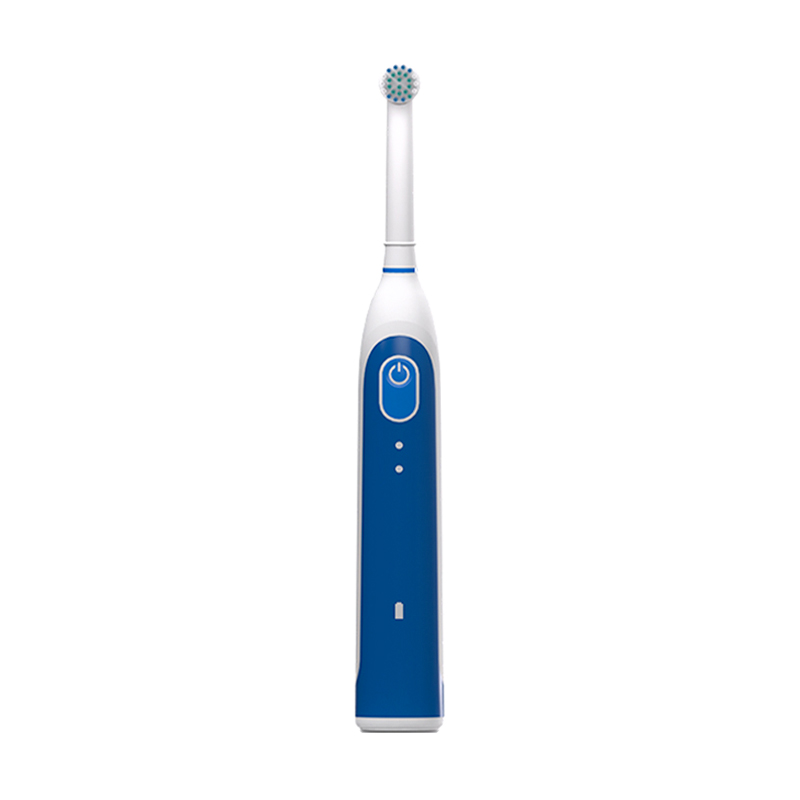
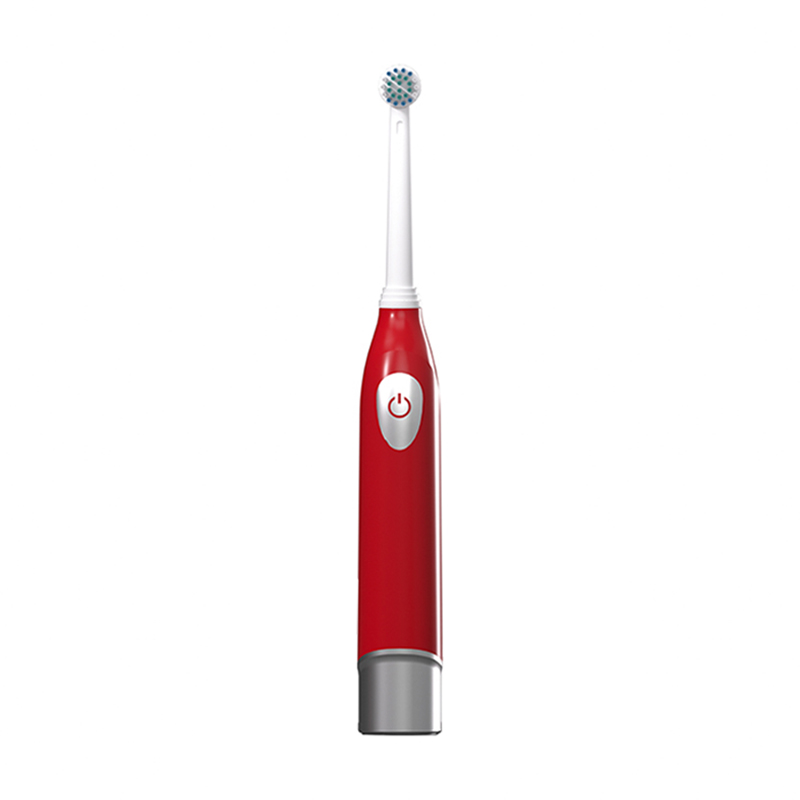
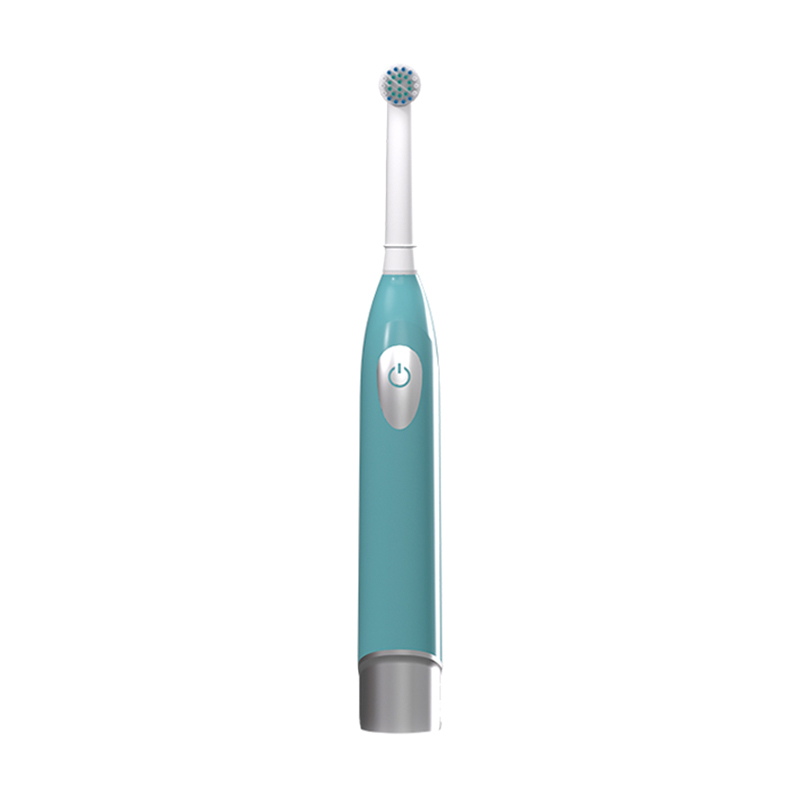
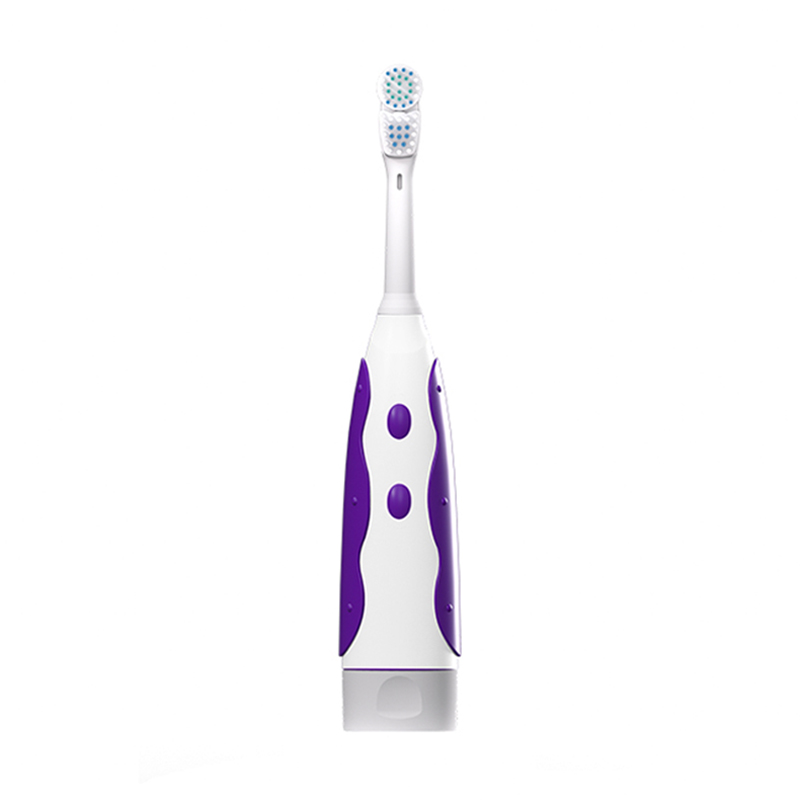
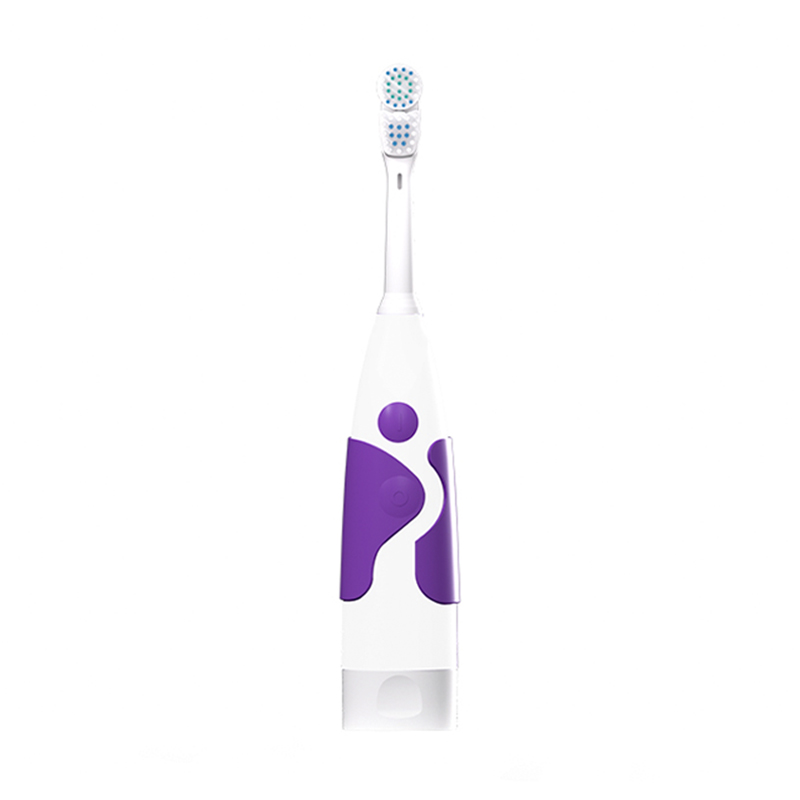
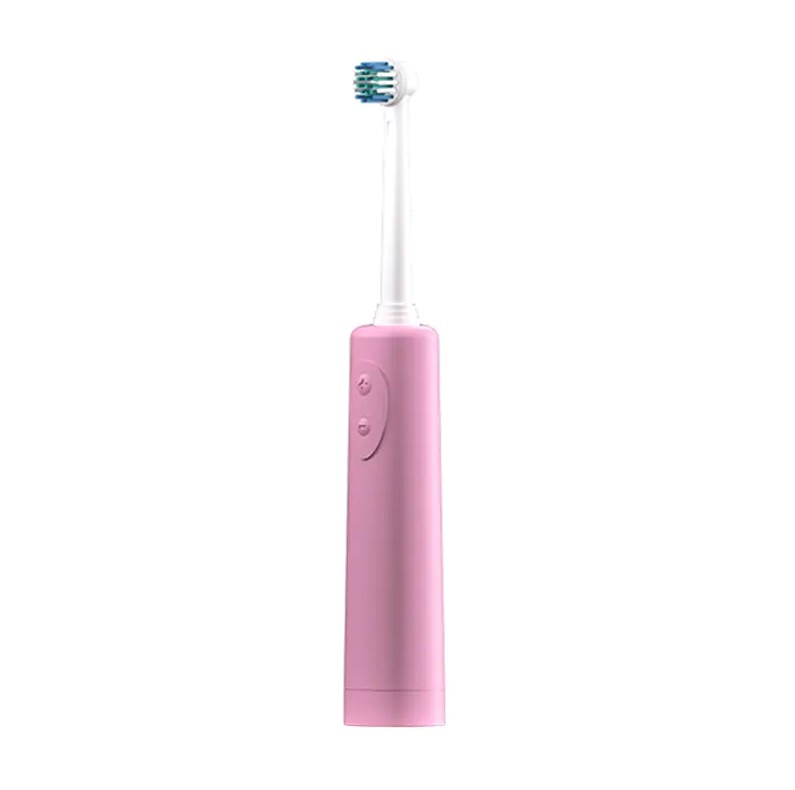
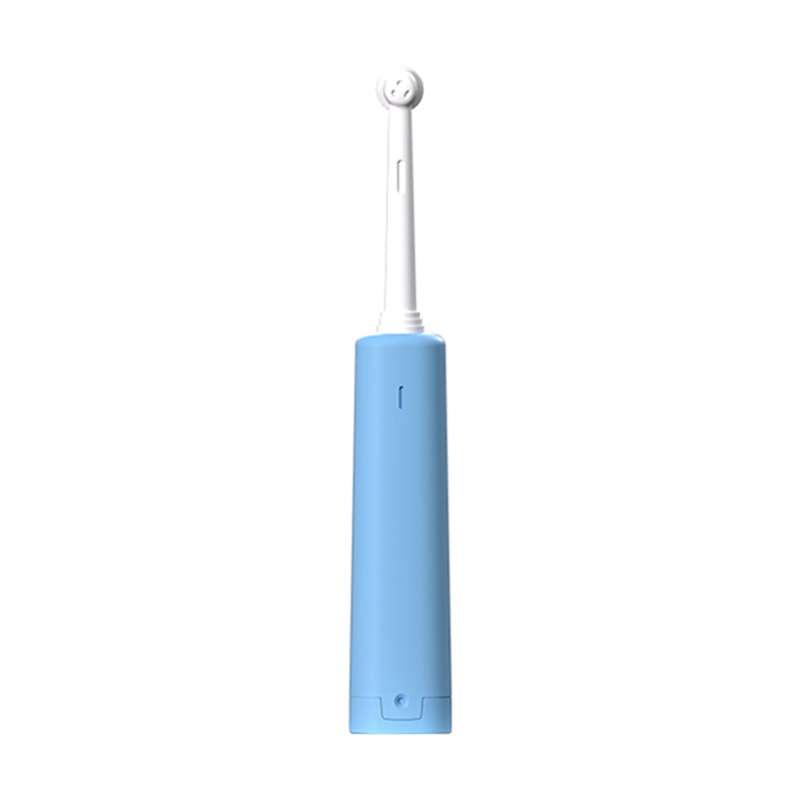 ALB-927 Colorful Battery-Powered Kids Electric ToothbrushA battery-powered oscillating kids' toothbrush with soft DuPont bristles and a child-oriented handle, useful for supervised brushing as independent control develops.View Product →
Handles, Drainage, and Hygiene Details Parents Overlook
The handle is where a child's grip either works or fails. A shorter shaft sized to a child's palm, a non slip rubberized section, and a slight thumb rest all make independent brushing physically easier. Oversized handles designed for adult hands tend to push children into a fist grip that misses the back teeth.
Three other details are worth checking before purchase:
- Drainage or ventilation holes in the head, which let water escape from the tuft holes and reduce the residual moisture that supports bacterial growth between brushings.
- No small detachable parts on the head or handle, since children chew and caps and rings are a choking risk.
- Filament retention, which matters more for children because chewing pulls at tufts far more aggressively than normal brushing does.
Replacement timing catches most families out. A pediatric brush should be swapped every three months, and sooner if the filaments have splayed or the child has been ill. Splayed tufts clean poorly regardless of how good the brush was on day one.
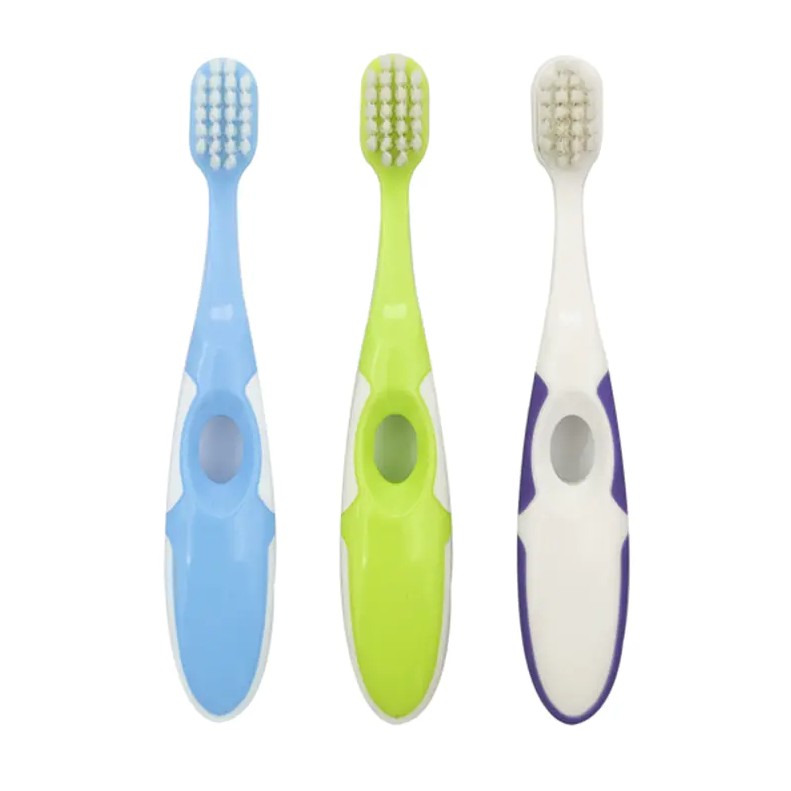
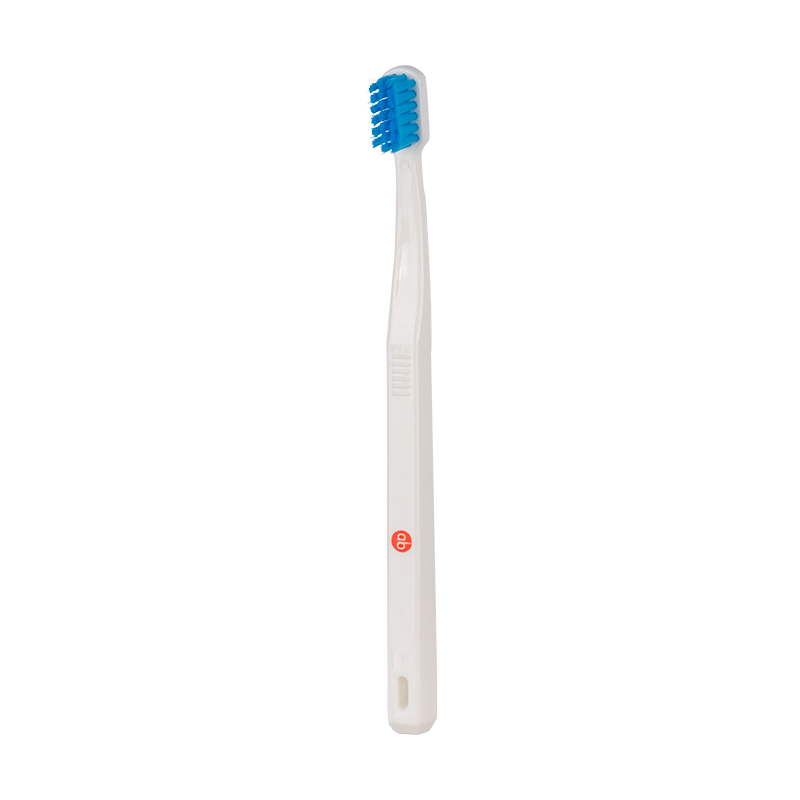 ALB-4010 Children's Small Head Manual ToothbrushA small-head manual toothbrush with rounded-end bristles and a ventilated head, suited to regular replacement and checking against a child's fit.View Product →
A Short Checklist Before You Buy
Run through these points in order. They eliminate most unsuitable brushes in under a minute.
- Head length fits the child's age band and reaches the back molars without forcing the mouth wide open.
- Bristles are soft or extra soft with rounded, well finished tips.
- Tufts are dense enough to feel gentle rather than scratchy against the gum line.
- Handle length and grip suit the child's hand, not an adult's.
- Head has drainage holes or a breathable design that lets moisture escape.
- No loose small parts, and the head stays firmly attached when pulled.
For families comparing models, browsing a dedicated kids manual toothbrush range makes the size differences easier to see side by side than reading dimensions on a single product page.
What Buyers Should Verify When Sourcing Pediatric Toothbrushes
For distributors, retailers, and brand owners, the questions shift from comfort to consistency. The first is whether the supplier can hold head dimensions and filament softness within a tight tolerance across production runs, because a pediatric brush that measures 0.7 inch in one batch and 0.85 inch in the next will generate complaints from parents who bought the same model twice.
The second is documentation. Toothbrush safety requirements, manual interdental brush standards, and electric toothbrush standards set expectations for filament retention, tip sharpness, and material safety, and a supplier who has participated in drafting or revising those standards usually has the test fixtures and batch records already in place. Our own company has taken part in that standards work in China since the 1980s, alongside manual and electric toothbrush production.
The third is mold repeatability, especially on breathable head designs where ventilation holes sit close to tuft holes. Small variations in wall thickness show up as flashing or blocked holes, and both are rejected at retail. Ask for first article inspection reports and a sample pull test rather than relying on catalog photos. Finally, confirm age labeling and packaging claims match the actual product specification, since mismatched labeling is one of the most frequent causes of returns in the children's oral care category.
A pediatric toothbrush does not need to be clever. It needs to fit the mouth it is going into, treat the gum line gently, and survive being chewed now and then. Get the head size, filament softness, and grip right, and the brushing habit follows far more easily than most parents expect.