
 English
 中文简体
中文简体
Phone:+86-13952799285
The most important factors when choosing an adult manual toothbrush are bristle softness, head size, and handle grip. Dental professionals almost universally recommend a soft-bristled brush with a small to medium head for most adults — not medium or hard bristles, despite the perception that firmer means cleaner. The right toothbrush reaches all surfaces, protects enamel and gums, and feels comfortable enough to use correctly for a full two minutes every time.
Content
Bristle Firmness: Why Soft Is Almost Always the Right Choice
Toothbrush bristles are categorized as extra-soft, soft, medium, and hard. The common assumption that harder bristles clean more effectively is incorrect — and potentially harmful.
- Soft bristles flex easily to reach under the gumline and between teeth while removing plaque without abrading enamel or causing gum recession.
- Medium and hard bristles can wear away enamel over time and cause gingival recession, particularly when used with excessive pressure. Studies suggest that up to 20% of adults show toothbrush abrasion damage attributed to overly firm bristles or aggressive technique.
- Extra-soft bristles are recommended for people with sensitive gums, post-surgical patients, or those undergoing orthodontic treatment.
Recommendation: Choose soft bristles as your default. Only consider medium firmness if specifically advised by a dental professional for a particular condition.
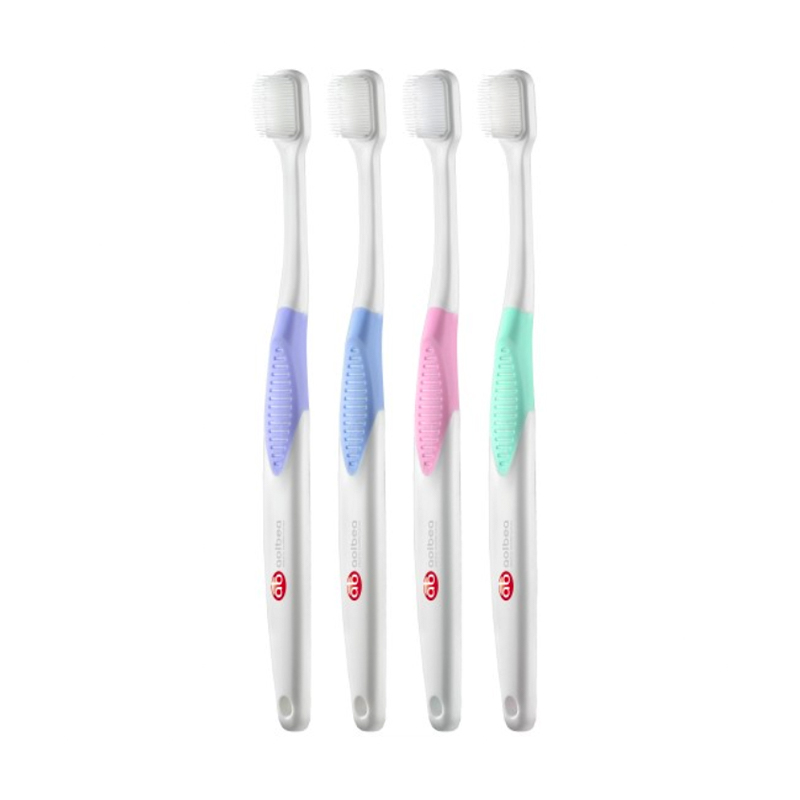
Head Size: Smaller Is More Effective for Most Adults
The toothbrush head should be large enough to clean multiple teeth per stroke but small enough to maneuver comfortably to all areas of the mouth, including the back molars.
For most adults, a head length of 25 to 30 mm (covering approximately two teeth at a time) is optimal. Heads longer than 35 mm often struggle to reach the back of the mouth, leaving posterior teeth inadequately cleaned. Compact and ultra-compact heads — sometimes marketed as "travel" sizes — can be useful for people with smaller mouths or high gag sensitivity.
Handle Design: Grip, Flexibility, and Comfort
Grip and Non-Slip Surface
A handle with a rubber or textured non-slip grip section allows better control, especially when the brush is wet. This is particularly important for people with reduced hand dexterity, such as older adults or those with arthritis. Wider, ergonomically shaped handles are easier to hold without gripping too tightly — a common cause of excessive brushing pressure.
Angled vs. Straight Handles
Some toothbrushes feature angled or offset necks that improve access to hard-to-reach areas. While personal preference plays a role, a slight angle between the handle and head (typically 10–20 degrees) can make it easier to maintain the recommended 45-degree bristle angle to the gumline during brushing.
Flexible Neck
Some handles include a pressure-sensitive flexible neck that bends under excessive force, providing feedback that the user is brushing too hard and helping prevent enamel and gum damage.
Bristle Tip Shape and Pattern
Beyond firmness, the shape and arrangement of bristles affect cleaning performance:
| Bristle Feature | Description | Best For |
|---|---|---|
| Rounded tips | Polished end-rounded filaments | Gum protection; general use |
| Tapered/angled tips | Fine-tipped bristles for sub-gingival reach | Gum disease risk; deep cleaning |
| Multi-level rows | Alternating short and long bristle rows | Improved interproximal cleaning |
| Crossed or angled tufts | Tufts angled in different directions | Reaching between teeth and gum margins |
When to Replace Your Toothbrush
Even the best-chosen toothbrush loses effectiveness over time. Replace your toothbrush when:
- Every 3 months under normal use — bristles begin to fray and lose their ability to clean effectively after approximately 90 days.
- After any illness — to avoid re-introducing bacteria or viruses to the mouth during recovery.
- When bristles show visible splaying or discoloration — regardless of how long you have been using the brush.
Some toothbrushes include color-indicator bristles that fade from their original color to white when the brush has been in use for approximately three months — a simple and reliable replacement reminder.