
 English
 中文简体
中文简体
Phone:+86-13952799285
Yes, oscillating rechargeable electric toothbrushes are genuinely good — and for most people, they are measurably better than manual toothbrushes at removing plaque, reducing gum inflammation, and improving overall oral hygiene outcomes. A large body of clinical evidence supports this conclusion. A Cochrane systematic review analyzing data from 56 studies found that oscillating-rotating electric toothbrushes reduced plaque by 11% more and gingivitis by 6% more than manual brushing after three months of use. These are not marginal differences — they translate directly into fewer cavities, healthier gums, and reduced dental treatment costs over time.
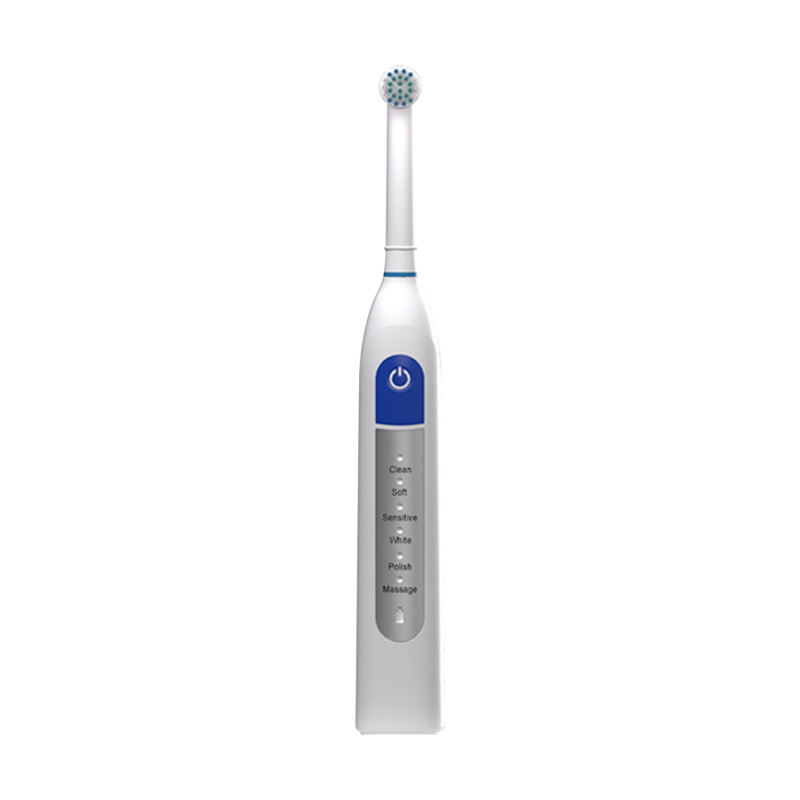
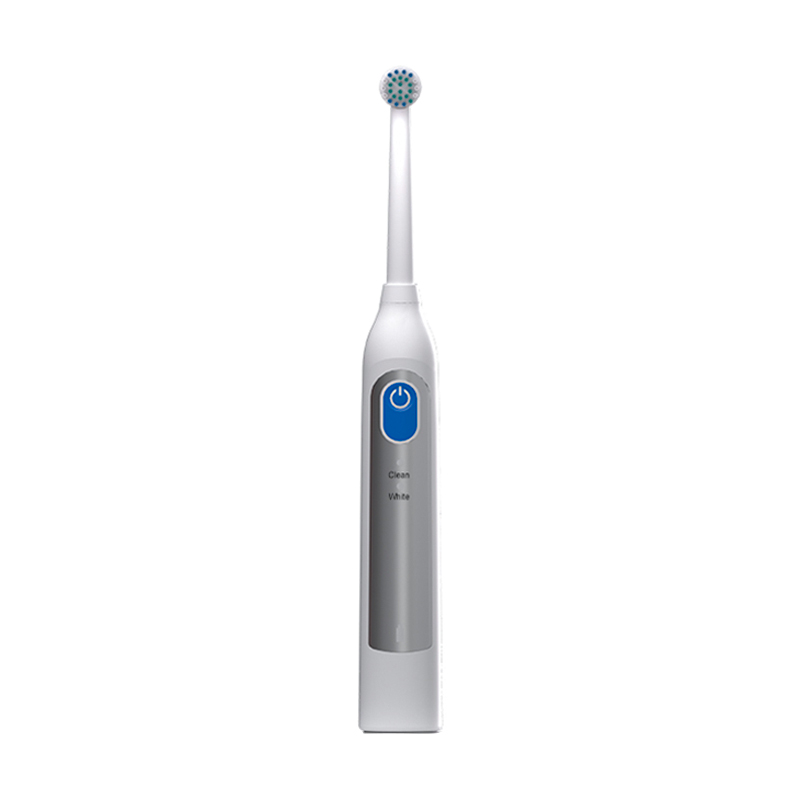
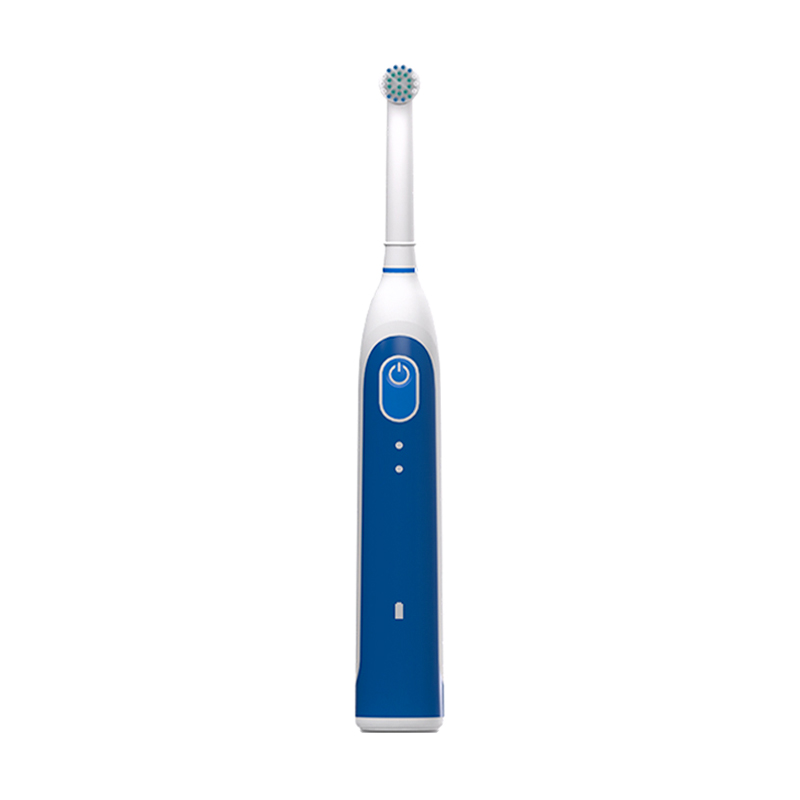
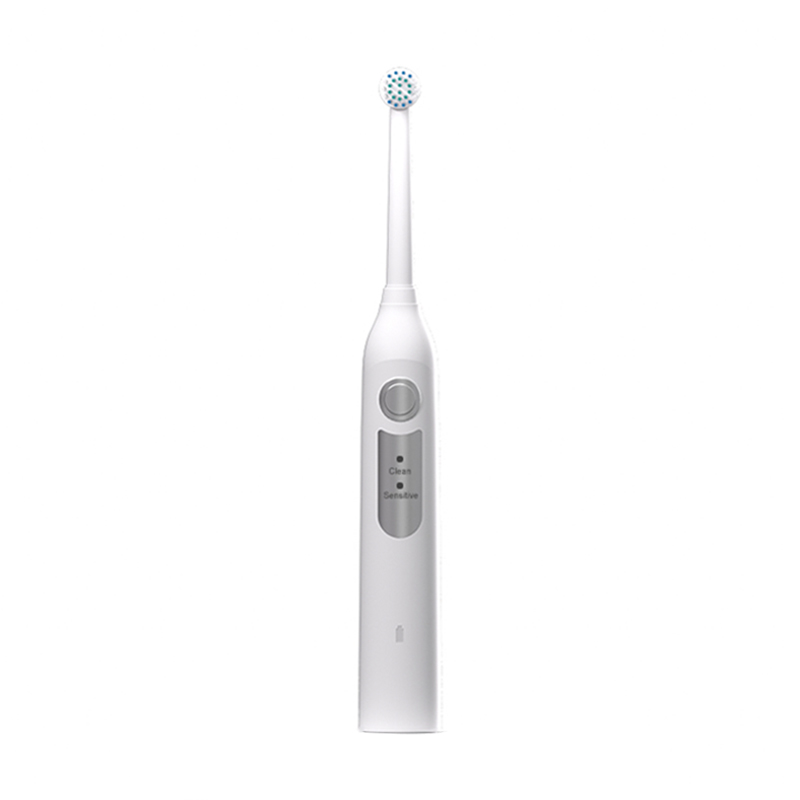
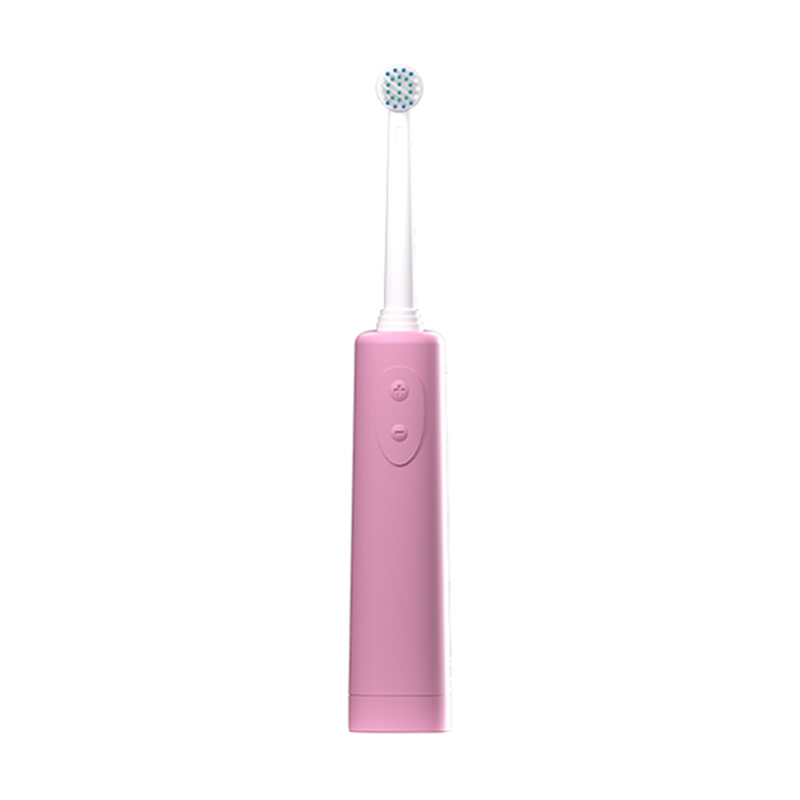
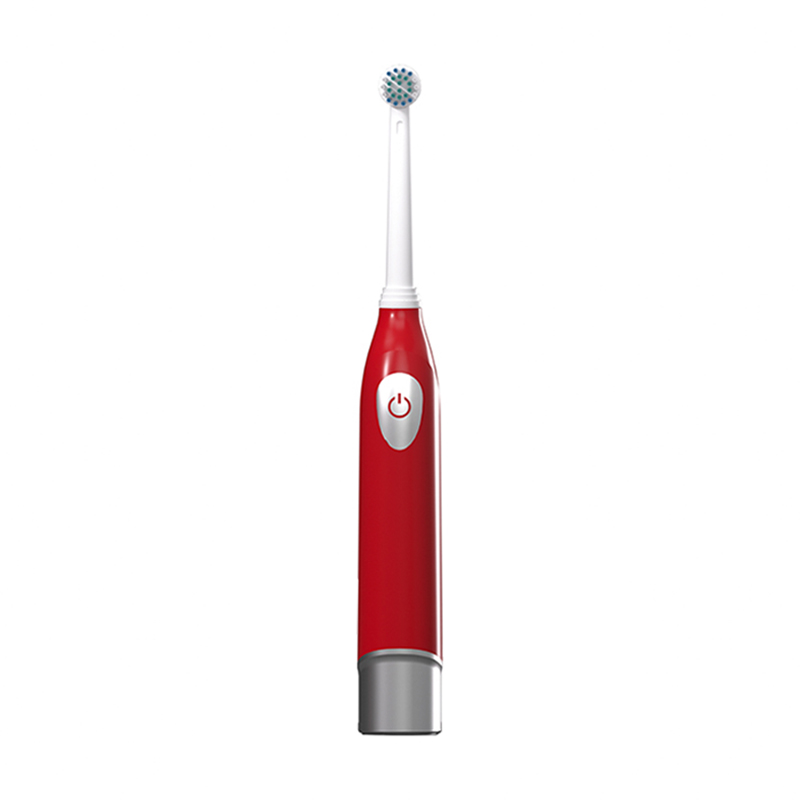
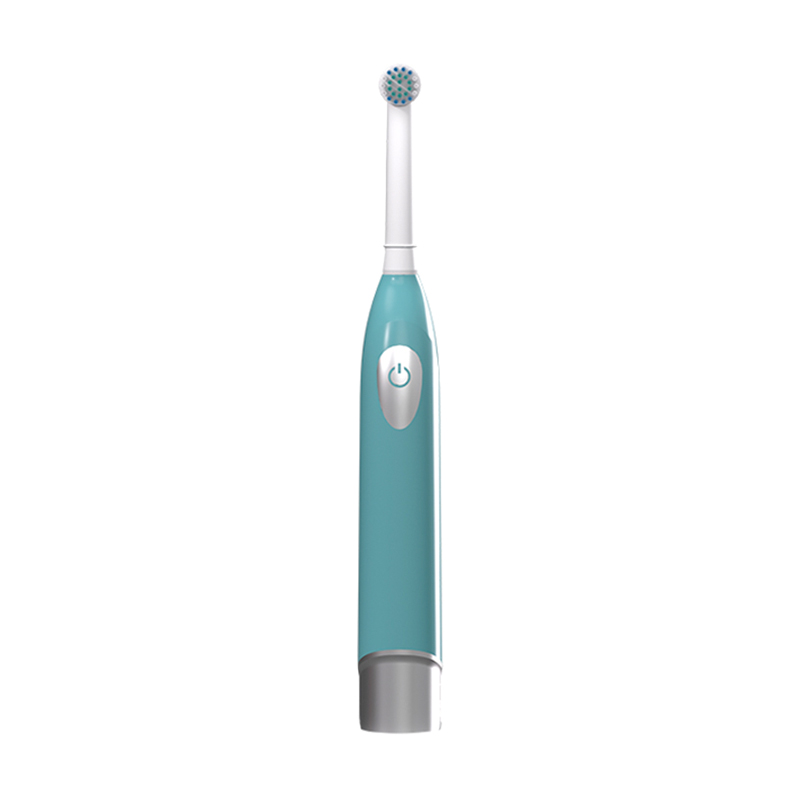
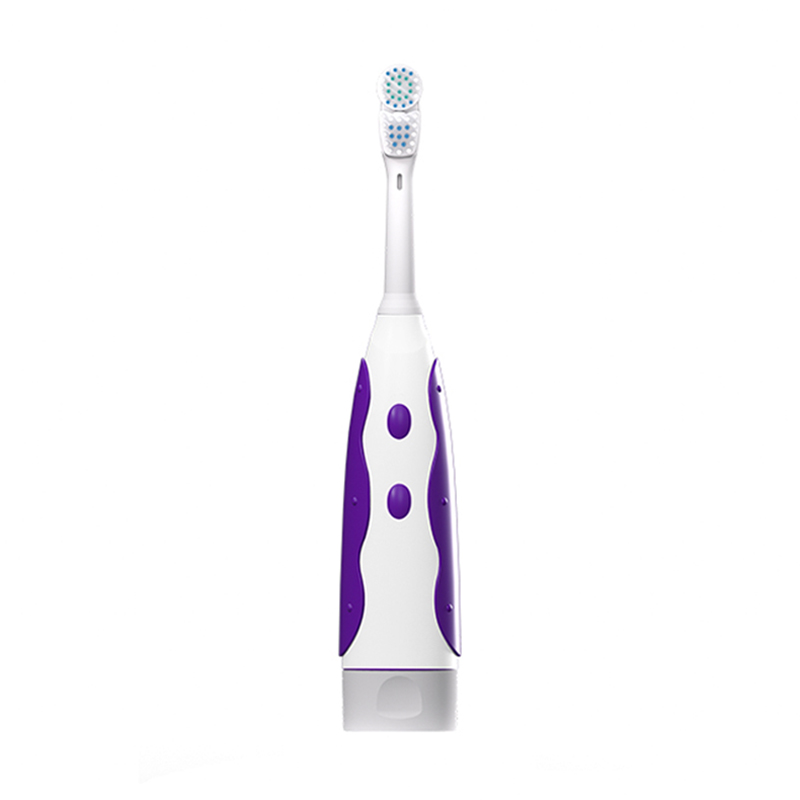
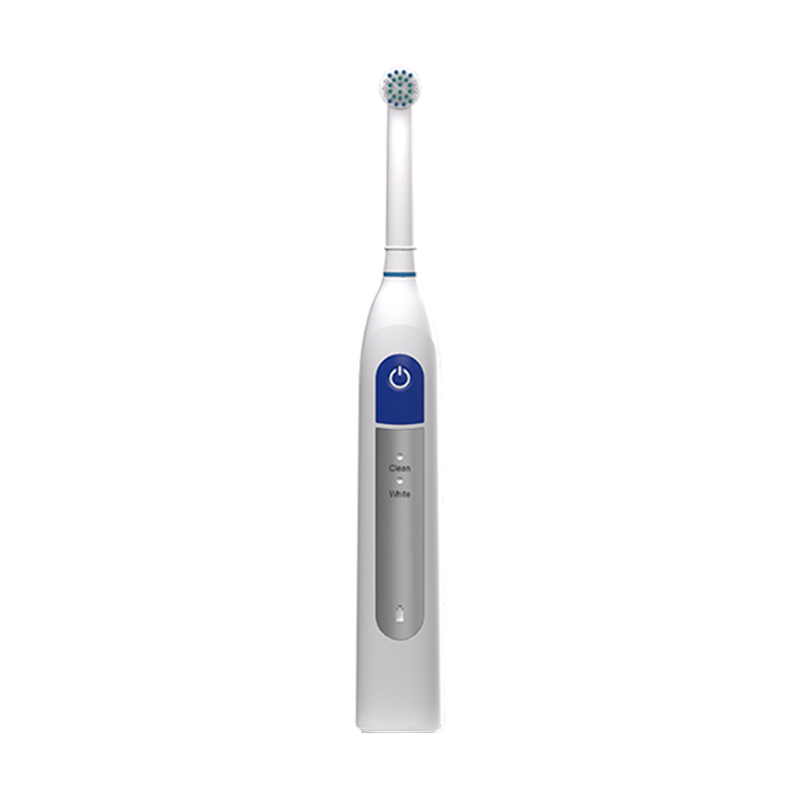
Oscillating rechargeable toothbrushes work by rotating a small, round brush head back and forth in alternating directions — typically at 7,500 to 8,800 oscillations per minute — which physically disrupts and lifts plaque from the tooth surface and the gumline more consistently than the manual back-and-forth stroke most people use. The rechargeable format eliminates the cost and waste of disposable batteries and ensures consistent motor performance across every brushing session.
That said, they are not the right tool for every person or every budget, and understanding their specific advantages, limitations, and how they compare to other electric toothbrush types helps you make an informed decision about whether one is right for you.
Content
- 1 What Makes Oscillating Toothbrushes Different From Other Electric Types
- 2 The Clinical Evidence: What Research Actually Shows
- 3 Real-World Benefits Beyond the Clinical Data
- 4 Potential Drawbacks and Honest Limitations
- 5 Who Benefits Most From an Oscillating Rechargeable Electric Toothbrush
- 6 Oscillating vs. Sonic: Which Is Better for Plaque Removal
- 7 Key Features to Evaluate When Choosing an Oscillating Model
- 8 Correct Technique for Using an Oscillating Toothbrush
- 9 Maintenance and Longevity: Getting the Most From Your Toothbrush
- 10 The Verdict: Should You Switch to an Oscillating Rechargeable Electric Toothbrush
What Makes Oscillating Toothbrushes Different From Other Electric Types
The electric toothbrush market includes several distinct technologies, and oscillating-rotating is one of the most well-studied. Understanding how it differs from the alternatives helps explain why it performs the way it does.
Oscillating-Rotating Technology
An oscillating toothbrush uses a small, round brush head that rotates clockwise and then counterclockwise in rapid alternation. Some advanced models add a pulsating action — the brush head also moves in and out slightly — which is claimed to further loosen plaque before the rotation sweeps it away. The round head is designed to cup individual teeth, which guides users to work methodically tooth by tooth rather than scrubbing across multiple teeth at once.
Sonic Toothbrushes
Sonic toothbrushes use a side-to-side brushing motion at very high speed — typically 30,000 to 62,000 strokes per minute — and use a conventional elongated brush head similar in shape to a manual toothbrush. Some research suggests sonic technology creates fluid dynamics in the mouth that can disrupt plaque slightly beyond the direct bristle contact zone. Sonic brushes feel gentler to many users and require less conscious technique adjustment from manual brushing habits.
Ultrasonic Toothbrushes
Ultrasonic toothbrushes vibrate at frequencies above human hearing — typically 1.6 million or more vibrations per minute. They are specialized tools, less widely available, and generally not necessary for typical household oral hygiene. Their main claimed advantage is penetrating slightly deeper into periodontal pockets, which may benefit patients with existing gum disease under dental supervision.
| Feature | Oscillating-Rotating | Sonic | Ultrasonic |
|---|---|---|---|
| Brush head movement | Rotates back and forth | Side to side at high speed | Microscopic vibration |
| Speed range | 7,500–8,800 oscillations/min | 30,000–62,000 strokes/min | 1.6 million+ vibrations/min |
| Brush head shape | Small and round | Elongated, similar to manual | Elongated |
| Clinical evidence for plaque removal | Very strong (56+ studies) | Good (moderate evidence base) | Limited consumer evidence |
| Technique learning curve | Moderate — tooth-by-tooth method | Low — similar to manual | Low to moderate |
| Sensation during use | Noticeable rotation feel | Gentler, buzzing feel | Minimal sensation |
| Typical price range | $30–$220+ | $25–$300+ | $80–$200+ |
The Clinical Evidence: What Research Actually Shows
One of the strongest arguments in favor of oscillating rechargeable electric toothbrushes is the depth and quality of the clinical evidence supporting their effectiveness. This is not a category where research is sparse or inconclusive.
Plaque Removal
Multiple randomized controlled trials and systematic reviews have measured plaque scores before and after brushing with oscillating electric toothbrushes versus manual toothbrushes. The consistent finding is that oscillating electric toothbrushes remove significantly more plaque in the same two-minute brushing period than manual brushes used by the same individuals. The Cochrane review cited earlier found an 11% additional plaque reduction at the three-month mark — a meaningful difference in a measurement where even a few percentage points of improvement translates to reduced cavity formation over months and years.
Importantly, this advantage holds even when the manual brushers in comparison studies are given careful brushing technique instruction — suggesting the benefit comes from the technology itself, not just from the fact that people using electric toothbrushes tend to be more motivated dental hygiene practitioners.
Gingivitis Reduction
Gingivitis — inflammation of the gum tissue caused by bacterial plaque buildup — is one of the most common dental conditions globally, affecting an estimated 50 to 90% of adults at some point in their lives. The Cochrane review found a 6% greater reduction in gingivitis scores with oscillating-rotating brushes compared to manual brushing over three months. Studies with longer follow-up periods (up to 11 months in some research) showed the advantage was maintained or increased over time, not diminished.
This is clinically significant because untreated gingivitis progresses to periodontitis — irreversible gum disease that causes bone and tooth loss — in a substantial proportion of patients. Any intervention that reliably reduces gingivitis rates has real long-term value for dental health and treatment cost avoidance.
Enamel Safety and Gum Recession
A common concern about electric toothbrushes — particularly oscillating models — is whether the mechanical action is too aggressive for tooth enamel or gum tissue. Clinical evidence on this point is reassuring: oscillating toothbrushes used correctly do not cause more enamel abrasion or gum recession than manual brushes, and may cause less, because the pressure sensor features on many models prevent users from applying the excessive brushing force that is the primary cause of enamel wear and gum recession in manual brushers.
Studies measuring enamel wear over 60-day and 90-day brushing periods found no statistically significant difference in enamel surface loss between oscillating electric and manual toothbrush groups when both were used as directed.
Real-World Benefits Beyond the Clinical Data
Clinical studies measure outcomes under controlled conditions. In everyday life, oscillating rechargeable electric toothbrushes offer several practical advantages that contribute to their effectiveness for typical users.
Built-In Timers Ensure Adequate Brushing Duration
Most people who brush manually underestimate how long they actually brush. Research consistently finds that the average manual brushing session lasts only 45 to 70 seconds — well short of the dentist-recommended two minutes. Most rechargeable oscillating toothbrushes include a built-in two-minute timer, often with 30-second quadrant signals that prompt the user to move to the next section of the mouth. This simple feature reliably increases brushing duration for the majority of users, which is itself a significant improvement in cleaning coverage independent of the brush technology's performance.
Pressure Sensors Prevent Overbrushing Damage
Mid-range and premium oscillating rechargeable models include a pressure sensor that alerts the user — typically through a light change, a pulsation change, or an audible signal — when they are pressing too hard against the teeth or gums. Overbrushing with excessive pressure is the single most common cause of gum recession and enamel abrasion in otherwise healthy adults who brush regularly. A pressure sensor passively corrects this habit without requiring the user to consciously monitor their brushing force, which most people cannot accurately judge by feel alone.
Consistency Regardless of Fatigue or Habit
The motor in an oscillating toothbrush performs the same number of oscillations per minute whether the user is fully awake and attentive or brushing through half-sleep in the morning. This removes technique variability from the equation — the user only needs to guide the brush to each tooth surface, and the motor does the work. For people who brush inconsistently or hastily due to time pressure or fatigue, this consistency advantage is one of the most practically significant benefits of the technology.
Benefits for Users With Limited Dexterity
For children learning to brush, elderly adults with reduced hand strength or coordination, and individuals with arthritis, motor impairments, or other conditions that affect fine motor control, an oscillating electric toothbrush significantly lowers the physical demand of effective tooth cleaning. The brush does the scrubbing — the user only needs to hold the handle and move it slowly from tooth to tooth. This makes oscillating electric toothbrushes the preferred recommendation from many dental professionals for patients in these groups.
Rechargeable Battery Performance and Reliability
The rechargeable format — typically using inductive (wireless) charging via a docking station — offers several advantages over battery-powered models. The motor in a rechargeable toothbrush runs at a consistent speed throughout the battery charge, whereas disposable battery-powered models slow down progressively as battery voltage drops. A fully charged rechargeable oscillating toothbrush typically provides 2 to 4 weeks of twice-daily brushing on a single charge, making them practical for travel and eliminating the recurring cost of replacement batteries.
Potential Drawbacks and Honest Limitations
A fair assessment of oscillating rechargeable electric toothbrushes must acknowledge their genuine disadvantages alongside their benefits.
Higher Upfront Cost
The initial purchase price of a quality oscillating rechargeable toothbrush ranges from approximately $30 for entry-level models to over $200 for premium versions with multiple brushing modes, Bluetooth connectivity, and travel cases. By comparison, a good manual toothbrush costs $3 to $8. The long-term cost comparison is more nuanced — replacement brush heads for oscillating models cost $5 to $15 each and should be replaced every three months — but the upfront investment remains a real barrier for some consumers.
That said, many dentists note that the cost of a quality electric toothbrush — even accounting for replacement heads — is often less than the cost of a single dental filling or a scaling and root planing treatment for advanced gum disease. From a total cost of oral health perspective, the investment frequently pays for itself.
Brush Head Replacement Costs and Availability
Oscillating toothbrush systems use proprietary brush heads that are specific to the handle brand or product line. This creates an ongoing cost and a dependency on the manufacturer's supply chain. If a brand discontinues a product line, compatible brush heads may become difficult to source. When evaluating a purchase, it is worth checking that replacement heads are readily available locally or online and that their current cost is acceptable for the long term.
Sensation and Adjustment Period
The rotating sensation of an oscillating toothbrush is quite different from manual brushing, and some users — particularly those who are sensitive to vibration or have heightened dental sensitivity — find it uncomfortable or distracting at first. Most users adjust within 1 to 2 weeks of regular use, but a small percentage find the sensation permanently uncomfortable and prefer sonic alternatives, which produce a gentler buzz. Users with very sensitive teeth or gums should start on the lowest available speed setting and increase gradually.
Technique Matters More Than Many Expect
While oscillating toothbrushes reduce the impact of poor technique compared to manual brushing, they do not eliminate technique entirely. Users who rush through all their teeth in 30 seconds, skip the gumline, or apply excessive pressure still achieve worse outcomes than those who follow the recommended tooth-by-tooth method with the brush head angled at 45 degrees to the gum. The brush's built-in timer helps with duration, but coverage and method still depend on the user.
Not a Substitute for Flossing
Oscillating toothbrushes — like all toothbrushes — cannot clean the contact areas between adjacent teeth. Interdental plaque, which accumulates in the tight spaces between teeth where no bristle can reach, requires flossing, interdental brushes, or water flossers for removal. Users who switch to an oscillating electric toothbrush and reduce or stop flossing because they assume the electric brush covers everything are likely to develop interdental cavities and interproximal gum disease despite improved overall plaque scores.
Who Benefits Most From an Oscillating Rechargeable Electric Toothbrush
Oscillating rechargeable electric toothbrushes deliver the greatest benefit for specific user profiles. Understanding where the technology adds the most value helps individuals assess whether the investment is worthwhile for their situation.
- People with a history of gingivitis or periodontal disease: The clinically demonstrated superiority in gingivitis reduction makes oscillating electric toothbrushes the strongest preventive tool available for at-home use in this group. Many periodontists specifically recommend them to patients recovering from periodontal treatment.
- People who rush through brushing: The built-in timer directly addresses the most common brushing failure among otherwise motivated adults. If you regularly brush for less than 90 seconds, an oscillating toothbrush with a two-minute timer will immediately and measurably improve your cleaning coverage.
- People who brush too hard: The pressure sensor in mid-range and premium models passively corrects one of the most damaging common brushing habits. If your current toothbrush bristles splay within a few weeks of use — a sign of excessive pressure — an oscillating brush with a pressure sensor will protect your enamel and gum tissue.
- Children aged 3 and older: Children-specific oscillating electric toothbrush models with smaller brush heads and gentler settings make brushing more engaging and more effective for young children who typically resist manual brushing and apply inconsistent technique. Parents often report that children brush more consistently and for longer with an electric toothbrush.
- Elderly adults and people with dexterity limitations: Oscillating brushes reduce the physical demand of effective brushing, making them particularly valuable for users who cannot perform the fine motor movements required for comprehensive manual brushing.
- Orthodontic patients with braces: Cleaning around brackets and wires is significantly more challenging with a manual brush. Oscillating toothbrushes with orthodontic-specific brush heads make it easier to clean around hardware effectively, reducing the decalcification and plaque accumulation that commonly occurs around brackets during treatment.
- People with implants or crowns: Oscillating brushes are generally safe for use around implants and crowns and can clean more thoroughly around crown margins and implant abutments than manual brushing — areas where plaque accumulation causes peri-implantitis and crown margin decay.
Oscillating vs. Sonic: Which Is Better for Plaque Removal
This is the most common comparison buyers make, and it is worth addressing directly with the available evidence rather than generalizations.
The most comprehensive systematic reviews — including those published in the Journal of Clinical Dentistry and the Cochrane Database — consistently find that oscillating-rotating technology outperforms sonic technology in head-to-head plaque removal comparisons, though the margin varies across studies. One meta-analysis found oscillating brushes removed 7 to 15% more plaque than sonic brushes at equivalent brushing durations. Another found the difference narrowed over longer brushing periods, suggesting sonic brushes may benefit more from additional brushing time.
In practice, the "better" choice between the two depends significantly on the individual user:
- Users who want maximum plaque removal efficiency and are willing to adapt their technique to the tooth-by-tooth method are best served by an oscillating model.
- Users who find the oscillating sensation uncomfortable, or who have very sensitive teeth and gums, may achieve better real-world outcomes with a sonic brush simply because they will use it more consistently and for longer.
- Both are substantially superior to manual brushing for most users — the debate between oscillating and sonic is meaningful mostly for those optimizing their oral hygiene beyond the baseline improvement that either technology provides.
The best electric toothbrush is the one the user actually uses correctly for the full two minutes, twice a day, every day. User compliance and consistency outweigh small performance differences between brush types in determining real-world oral health outcomes.
Key Features to Evaluate When Choosing an Oscillating Model
Not all oscillating rechargeable toothbrushes are built to the same standard. The following features have the greatest impact on daily performance and value:
Must-Have Features
- Two-minute timer with 30-second quadrant signals: The single most impactful feature for improving brushing outcomes. Any oscillating toothbrush without a built-in timer fails to deliver one of the technology's most evidence-backed benefits.
- Inductive charging: Wireless inductive charging through a sealed charging cradle eliminates the risk of water ingress through a charging port and makes the toothbrush genuinely waterproof. Avoid models with exposed charging pins that require careful drying before placement.
- Sufficient battery life: A minimum of 2 weeks of twice-daily use per charge is the practical threshold for travel convenience. Models with 4-week battery life eliminate charging concerns entirely for most travel situations.
- Replacement head availability and pricing: Confirm that compatible replacement heads are available for purchase at a reasonable price before committing to a handle. Replacement heads should be changed every 3 months, so an annual cost of $20 to $60 for heads is a realistic ongoing expense to factor into the total ownership cost.
Valuable But Not Essential Features
- Pressure sensor: Highly recommended for users who have been told by a dentist that they brush too hard, or who have noticed gum recession. Not essential for users with consistently gentle technique.
- Multiple brushing modes: Common modes include Daily Clean, Sensitive, Whitening, and Gum Care. For most users, a single standard mode is sufficient. Sensitive mode (reduced speed) is useful during the adjustment period for new users or for those with acute sensitivity.
- Bluetooth connectivity and app integration: Some premium models connect to a smartphone app that tracks brushing coverage, duration, and pressure in real time. This can be genuinely useful during the learning phase for new users or those trying to improve specific habits, but adds cost and requires consistent phone pairing to be useful.
- Travel case with charging capability: For frequent travelers, a travel case that can charge the toothbrush from a USB source simplifies packing and eliminates the need to bring the charging cradle.
Features That Are Mostly Marketing
- Whitening modes: Whitening on an electric toothbrush refers to polishing action that removes surface stains — it does not change the intrinsic color of the tooth enamel. The whitening effect is real but modest, and is primarily produced by brushing more thoroughly rather than by any special brush movement in whitening mode.
- Tongue cleaning modes: Not a meaningful feature in an oscillating toothbrush — tongue cleaning is more effectively performed with a dedicated tongue scraper.
- Premium handle materials and finishes: The aesthetic quality of the handle does not affect brushing performance. Metal or premium-feel handles add cost without adding clinical benefit.
Correct Technique for Using an Oscillating Toothbrush
Even the best oscillating toothbrush underperforms when used incorrectly. The correct technique is different from manual brushing and takes a short period of conscious practice to become habitual.
- Apply a pea-sized amount of fluoride toothpaste to the brush head. More toothpaste does not improve cleaning — it just creates more foam that can make it harder to see where the brush head is positioned.
- Position the brush head at a 45-degree angle to the gumline so the bristles contact both the tooth surface and the edge of the gum simultaneously. This is the most important positioning element for effective plaque removal at the gumline, where plaque accumulation is most clinically significant.
- Turn the brush on before placing it in the mouth to avoid the toothpaste splatter that occurs when the brush is activated against the teeth.
- Work tooth by tooth, holding the brush head against each tooth for 1 to 2 seconds before moving to the next. Do not scrub — let the motor's oscillation do the work. Your only task is to guide the brush head to each tooth surface.
- Cover all surfaces: outer (facing the cheek), inner (facing the tongue), and chewing surfaces. The 30-second quadrant signal helps allocate time evenly to each area — front upper, front lower, back upper, back lower.
- Use light pressure. If the pressure sensor activates, ease off. The rotating bristles clean through mechanical action, not through force — additional pressure adds enamel and gum wear without improving cleaning effectiveness.
- Spit but do not rinse immediately after brushing. Rinsing with water immediately after brushing washes away the fluoride residue that continues to strengthen enamel for several minutes after the brush is removed. Allow the fluoride to work for at least 30 minutes before eating, drinking, or rinsing.
Maintenance and Longevity: Getting the Most From Your Toothbrush
Proper care extends the working life of an oscillating rechargeable toothbrush, which is typically designed to last 3 to 5 years with correct maintenance. The following practices keep both the handle and the brush heads performing optimally:
- Replace brush heads every 3 months or when the indicator bristles — colored bristles that fade as they wear — have lost approximately half their color. Worn bristles do not clean effectively and their frayed ends can irritate gum tissue.
- Rinse the brush head thoroughly under running water after each use and allow it to air dry in an upright position. Do not store the toothbrush in a closed case immediately after use, as a moist enclosed environment promotes bacterial growth on the bristles.
- Clean the junction between the brush head and the handle regularly — toothpaste and debris accumulate in this area and can degrade the connection mechanism over time if not cleared.
- Avoid allowing the rechargeable battery to fully deplete repeatedly. Lithium-ion batteries in rechargeable toothbrushes degrade fastest when repeatedly discharged to zero. Placing the toothbrush on its charging cradle between uses maintains the battery in its healthiest charge range and is the recommended storage method for most rechargeable models.
- Replace the brush head after an illness — particularly a cold, flu, or throat infection — to prevent reintroducing the infectious agent to the mouth during recovery.
The Verdict: Should You Switch to an Oscillating Rechargeable Electric Toothbrush
For most adults and children, the answer is yes — with some important qualifications. The clinical evidence for oscillating rechargeable electric toothbrushes is among the strongest available for any consumer oral hygiene product. The technology genuinely improves plaque removal and gum health compared to manual brushing under real-world conditions, not just in optimized laboratory settings.
Switch to an oscillating rechargeable electric toothbrush if:
- Your dentist has noted persistent gingivitis, plaque buildup, or gum recession at routine checkups.
- You consistently brush for less than 2 minutes or skip sections of your mouth.
- You press hard when brushing and have noticed toothbrush bristles splaying quickly.
- You have a child who resists manual brushing or brushes inconsistently.
- You have limited dexterity, arthritis, or any condition that makes effective manual brushing difficult.
A quality manual toothbrush used with perfect technique for the full two minutes twice daily remains clinically adequate for maintaining good oral health. The oscillating electric toothbrush's advantage lies largely in the fact that very few people use a manual brush with perfect technique consistently. If you are one of the rare individuals who does, the marginal improvement from switching is smaller — though still present. For everyone else, the evidence strongly supports making the switch.