
 English
 中文简体
中文简体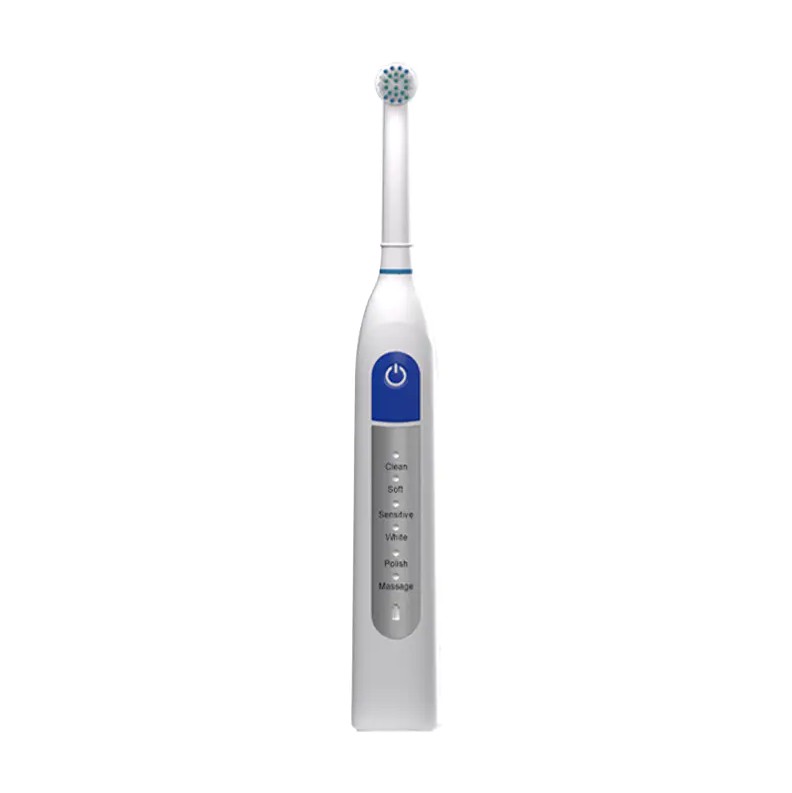
Phone:+86-13952799285
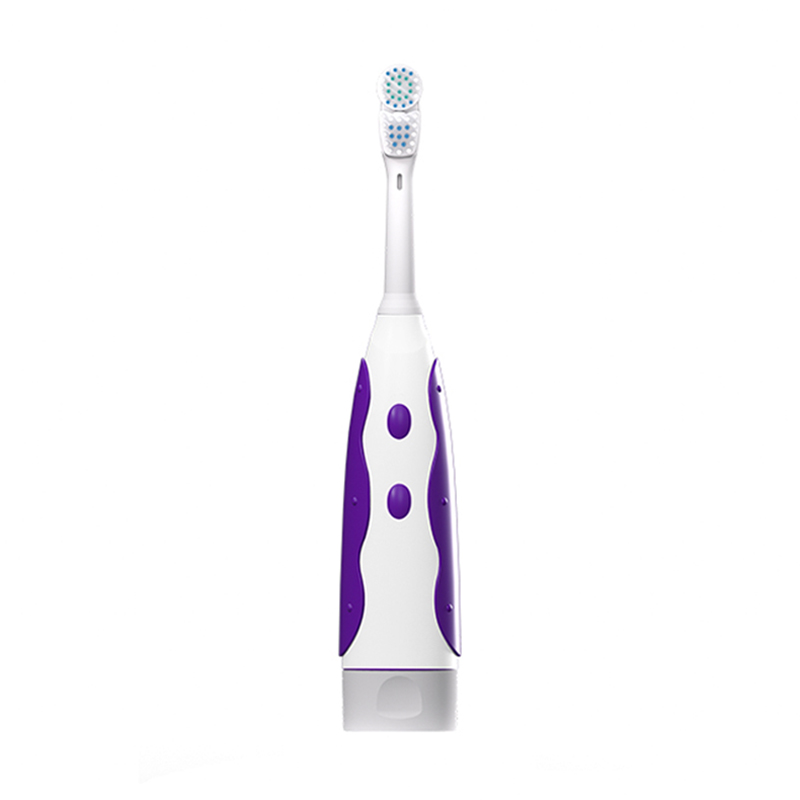
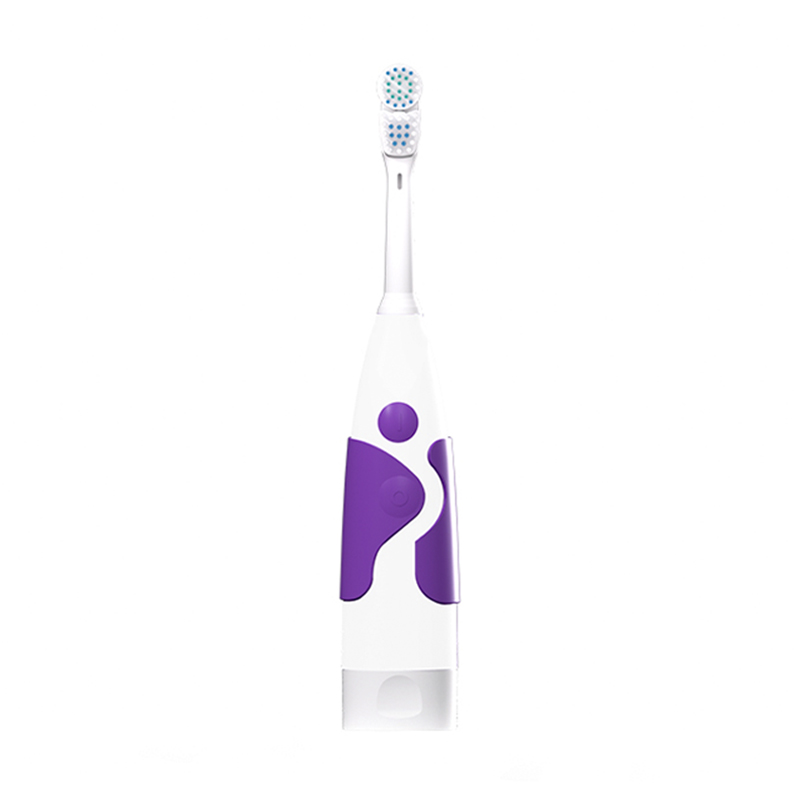
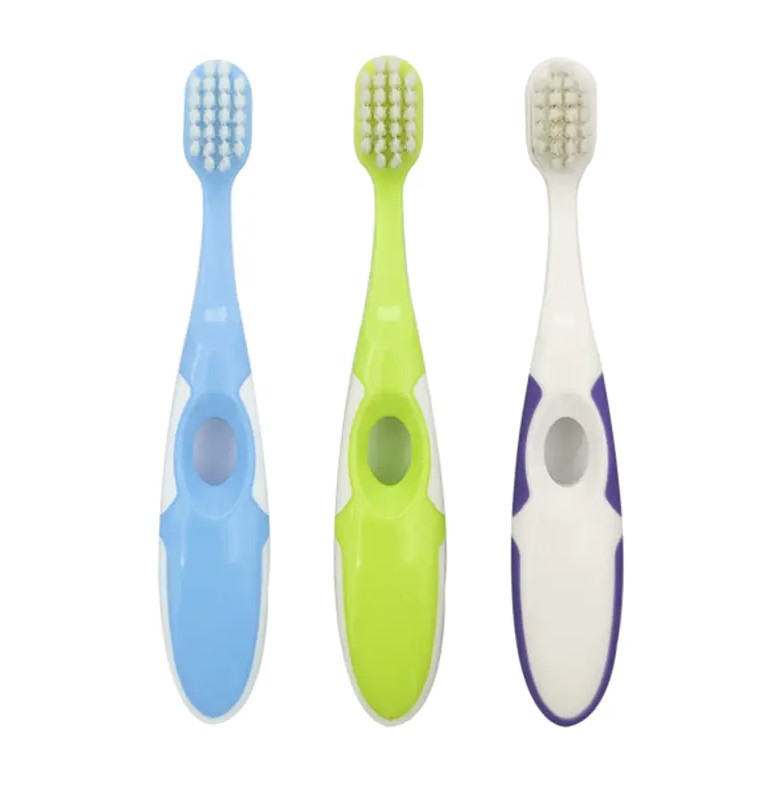
A soft baby toothbrush is a specially designed oral care tool built for infants and young children, featuring ultra-soft bristles, a small rounded brush head, and an ergonomic handle sized for tiny hands or parental grip. Unlike adult toothbrushes, soft baby toothbrushes are engineered around the biological reality that a baby's gum tissue is highly delicate, the epithelial keratosis of their gums is low, and their first teeth are still erupting through sensitive tissue. Using the wrong toothbrush — one that is too firm, too large, or poorly shaped — can cause gum irritation, bristle abrasion on enamel, and a negative association with brushing that persists for years.
The American Academy of Pediatric Dentistry (AAPD) recommends beginning oral hygiene even before the first tooth appears, using a soft cloth or finger brush on gums, and transitioning to a soft-bristle toothbrush as soon as the first tooth erupts — typically around 6 months of age. By age 2, most children should be using a proper soft baby toothbrush twice daily with a rice-grain-sized smear of fluoride toothpaste. This article explains everything parents and caregivers need to know about what soft baby toothbrushes are, how they differ from standard toothbrushes, what to look for when selecting one, and how to use them correctly at each stage of a child's early dental development.
Content
- 1 Why Babies and Toddlers Need a Specialized Soft Toothbrush
- 2 Key Design Features of a Soft Baby Toothbrush
- 3 Types of Soft Baby Toothbrushes by Age and Development Stage
- 4 Soft Baby Toothbrush vs. Adult Soft Toothbrush: What Actually Differs
- 5 Manual vs. Electric Soft Toothbrushes for Babies
- 6 How to Use a Soft Baby Toothbrush Correctly
- 7 How Often to Replace a Baby Toothbrush
- 8 Caring for and Storing a Baby Toothbrush Properly
- 9 Common Mistakes Parents Make With Baby Toothbrushes
- 10 What to Look for When Buying a Soft Baby Toothbrush
- 11 The Long-Term Impact of Starting With a Soft Baby Toothbrush
Why Babies and Toddlers Need a Specialized Soft Toothbrush
The mouth of an infant or toddler is fundamentally different from an adult's in ways that make adult toothbrushes completely unsuitable for early childhood oral care. Understanding these differences explains why every design feature of a soft baby toothbrush exists.
Delicate Gum Tissue With Low Epithelial Keratosis
Adult gums have undergone years of keratinization — a hardening process that makes the epithelial layer more resistant to mechanical stress. Baby gums have not. The gingival tissue in infants and toddlers is thin, richly vascularized, and highly sensitive to pressure and friction. A medium or firm bristle — or even a soft adult bristle applied with typical adult brushing force — can cause microabrasions, bleeding, and inflammation in a baby's gums. Soft baby toothbrush bristles are specifically rated to exert minimal lateral force during brushing, protecting this immature tissue while still removing plaque effectively.
Newly Erupted Enamel Is Thinner and More Vulnerable
Primary (baby) teeth begin erupting around 6 months and the enamel on these teeth is significantly thinner than adult enamel — approximately 1 to 1.5 mm thick compared to 2.5 mm on permanent molars. Newly erupted teeth also go through a period of post-eruptive maturation where they are absorbing minerals from saliva and fluoride from toothpaste, making them temporarily more porous and susceptible to abrasive damage. Soft bristles with rounded filament tips clean these surfaces effectively without removing or scratching the enamel surface.
Small Mouth Size Requires a Small Brush Head
The average oral cavity width of an infant aged 6–12 months is approximately 35–40 mm. A standard adult toothbrush head measures 25–35 mm in length — already nearly the full width of an infant's mouth. Attempting to maneuver a full-size brush head around the back molars of a toddler is not just difficult; it risks gagging, injury to the soft palate, and inadequate cleaning of posterior surfaces. Soft baby toothbrush heads are typically 15–20 mm in length and 8–12 mm in width, allowing them to reach all tooth surfaces safely.
Handle Design Must Accommodate Both Child and Parent
Young children lack the fine motor coordination to brush effectively on their own until around age 7–8. Before that age, a parent or caregiver must assist with — or entirely perform — tooth brushing. This means the handle must work for two very different users: the small hands of a toddler who is learning to hold the brush themselves, and the adult hand of the parent helping to guide or complete the brushing. Many soft baby toothbrushes address this with thickened, non-slip handles that are easy for chubby toddler fingers to grip, while remaining controllable in an adult hand.
Key Design Features of a Soft Baby Toothbrush
Not all toothbrushes marketed for babies are equally well designed. The following features define a high-quality soft baby toothbrush and directly determine how safe, effective, and comfortable it is for daily use:
Ultra-Soft, Rounded Bristle Tips
The most critical feature of any baby toothbrush is the bristle quality. Premium soft baby toothbrushes use bristles with fully rounded, polished filament tips that are confirmed under microscopic inspection to be smooth and burr-free. Unrounded or poorly finished bristle tips — even on otherwise "soft" brushes — act like tiny blades against gum tissue during brushing strokes. Look for toothbrushes that explicitly state "end-rounded" or "polished tips" on their packaging, as this reflects a higher manufacturing standard.
Bristle softness for children's toothbrushes is typically measured by bristle diameter. Extra-soft baby bristles range from 0.076 mm to 0.10 mm in diameter, compared to 0.15–0.20 mm for adult soft bristles. This finer diameter means the bristle flexes more easily under minimal pressure, conforming to the curved surfaces of small teeth and gum margins without rigid scrubbing.
Small, Round Brush Head
The brush head should be compact enough to reach every tooth in a small mouth — including the second primary molars that erupt around ages 2–3 — without causing discomfort. A small, rounded brush head with no sharp edges or protruding plastic ensures that even if the child bites down on the brush or moves unexpectedly during brushing, the head cannot cut or bruise the inner cheeks, tongue, or soft palate.
Thickened, Non-Slip Handle
Children aged 1–3 years are still developing their palmar and pincer grip strength. A handle that is too thin slides out of small, wet hands during brushing. Quality baby toothbrushes feature a wider, thicker handle — often 12–16 mm in diameter — with textured or rubberized grip zones that prevent slipping. Some designs include a wide flat section at the base of the handle that acts as a finger rest for parents assisting with brushing, giving them better control and reducing the force accidentally applied to the brush head.
Safe, BPA-Free Materials
Babies inevitably chew on their toothbrushes — especially during teething — and the materials used must be completely safe for oral contact and incidental ingestion of saliva. All components of a quality soft baby toothbrush should be BPA-free, phthalate-free, and made from food-grade polymers. The bristles are most commonly made from nylon (polyamide), which has an established safety record in oral care products, and some toothbrushes use plant-derived or recycled nylon as a more sustainable alternative.
Attractive Colors and Child-Friendly Design
Compliance is a practical challenge in infant and toddler oral care. Children who resist brushing make consistent oral hygiene nearly impossible. Bright colors, fun shapes, familiar character themes (animals, cartoon figures), and comfortable textures that children enjoy holding all contribute to making brushing a positive experience. While not a clinical requirement, a toothbrush that a child is excited to use is a more effective oral health tool than a clinically perfect brush that the child refuses.
Types of Soft Baby Toothbrushes by Age and Development Stage
The category of "soft baby toothbrushes" actually encompasses several distinct product types, each designed for a specific stage of infant and toddler dental development. Using the right type at the right stage maximizes cleaning effectiveness and safety:
| Age Range | Toothbrush Type | Key Features | Toothpaste Amount |
|---|---|---|---|
| 0 – 6 months (pre-tooth) | Silicone finger brush / soft cloth | Slides over parent's finger; massages gums; no bristles | None (water only) |
| 6 – 12 months (first teeth) | Infant soft toothbrush | Very small head (15 mm); ultra-soft bristles; parent-grip handle | Rice grain size (0.1 g fluoride toothpaste) |
| 1 – 2 years | Toddler soft toothbrush | Small head (16–18 mm); soft bristles; thickened child-grip handle | Rice grain size (0.1 g fluoride toothpaste) |
| 2 – 3 years | Toddler/preschool soft toothbrush | Small head (18–20 mm); soft bristles; ergonomic handle; appealing design | Pea size (0.25 g fluoride toothpaste) |
| 3 – 6 years | Children's soft toothbrush | Small-medium head (20–22 mm); soft bristles; designed for supervised self-brushing | Pea size (0.25 g fluoride toothpaste) |
Soft Baby Toothbrush vs. Adult Soft Toothbrush: What Actually Differs
Parents sometimes wonder whether an adult "soft" toothbrush would work just as well for a baby, given that both are labeled soft. The answer is no — and the differences are meaningful:
| Feature | Soft Baby Toothbrush | Adult Soft Toothbrush |
|---|---|---|
| Bristle diameter | 0.076 – 0.10 mm (ultra-fine) | 0.15 – 0.20 mm |
| Brush head length | 15 – 20 mm | 25 – 35 mm |
| Handle diameter | 12 – 16 mm (thickened for small hands) | 8 – 12 mm (slim for adult grip) |
| Bristle tip finish | Fully rounded / polished (extra care) | Rounded (standard) |
| Head shape | Small, rounded, no sharp edges | Variable; often tapered or rectangular |
| Material safety focus | BPA-free, phthalate-free, child-safe dyes explicitly stated | BPA-free (varies by product) |
| Suitable for | Infants 6 months – children 6 years | Adults and older children (7+) |
The thinner bristle diameter of a baby toothbrush is particularly important. Even though both brushes may be labeled "soft," the baby brush bristle exerts significantly less pressure per unit area because the filament is finer and flexes more readily. This is the difference between gentle cleaning and potential gum microtrauma in a child's sensitive mouth.
Manual vs. Electric Soft Toothbrushes for Babies
Parents frequently ask whether an electric toothbrush is better than a manual soft baby toothbrush for young children. The evidence suggests both can be effective when used correctly, but each has distinct advantages:
Manual Soft Baby Toothbrushes
- Complete parental control over pressure: The parent directly feels and controls how much force is applied to the brush, which is critical for very young infants with extremely fragile gums
- No batteries or charging required; more travel-friendly
- Lower cost — quality manual baby toothbrushes typically cost $2 to $8 per brush
- Simpler for young toddlers to learn the basic brushing motion without distraction from vibration
- Recommended by most pediatric dentists as the first toothbrush for children under 2 years
Electric Soft Toothbrushes for Children
- Oscillating or sonic heads can remove up to 21% more plaque than manual brushing in some clinical studies, particularly in children who resist thorough brushing
- Built-in pressure sensors on some models alert parents or children when they are brushing too hard
- Timer functions (typically 2-minute timers with 30-second quadrant alerts) help children brush for the full recommended duration
- The novelty and vibration can make brushing more engaging for resistant toddlers
- Higher cost — typically $15 to $50 for a children's electric brush, plus replacement head costs
For infants and children under 2 years, a manual soft baby toothbrush is generally the most appropriate choice. For children 2 years and older who are cooperative with brushing and whose parents can supervise proper technique, an electric soft toothbrush can be an effective alternative or complement.
How to Use a Soft Baby Toothbrush Correctly
Owning the right soft baby toothbrush is only half of the equation. How it is used determines whether it actually protects the child's developing teeth and gums. The following technique guidance is based on recommendations from pediatric dental associations:
Positioning the Child for Brushing
For infants, a comfortable and effective position is to hold the baby in your lap facing away from you, tilting their head back slightly against your chest. This gives you a clear view of the mouth and good access to all surfaces. For toddlers, standing behind them at a sink and tilting their head back slightly works well. Good visibility is essential — brushing by feel in an unlit area leads to missed surfaces and accidental gum contact.
Brushing Technique for Babies and Toddlers
- Apply a rice-grain-sized amount of fluoride toothpaste (for children under 3) or a pea-sized amount (for children 3 and older) to the brush head
- Hold the brush at a 45-degree angle to the gumline, with the bristles pointing toward where the tooth meets the gum
- Use small, gentle circular or back-and-forth strokes — never vigorous scrubbing
- Brush all surfaces of each tooth: the outer (cheek-facing) surface, the inner (tongue-facing) surface, and the biting surface
- Brush for a full 2 minutes, giving approximately 30 seconds to each quadrant of the mouth
- Spit out excess toothpaste — do not rinse with water immediately, as allowing fluoride to remain on tooth surfaces after brushing increases its protective benefit
- Brush twice daily — after breakfast and before bed; the before-bed brushing is particularly important as saliva flow decreases overnight, reducing the mouth's natural ability to neutralize acid
Let Children Practice, Then Follow Up
From around 18 months, many toddlers want to hold the brush themselves. Allowing them to "have a turn" first supports the development of brushing habits and independence. However, parental follow-up brushing is essential until at least age 7–8, when children typically develop the dexterity to clean all tooth surfaces adequately on their own. A useful rule: if your child cannot tie their own shoelaces, they do not yet have the fine motor coordination to brush their teeth thoroughly without help.
How Often to Replace a Baby Toothbrush
Baby toothbrushes wear out faster than adult brushes for several reasons: babies chew on the bristles, which compresses and splays them rapidly; the finer ultra-soft filaments used in baby brushes have less structural resilience than thicker adult bristles; and children's toothbrushes are often used more vigorously than necessary.
The general recommendation is to replace a soft baby toothbrush every 3 months or sooner if the bristles appear frayed, splayed, or flattened. A worn-out toothbrush with splayed bristles cannot clean tooth surfaces effectively and may actually cause more gum irritation than a new brush because bent bristles apply uneven pressure. Additionally, replace the toothbrush immediately after any illness — bacteria and viruses can survive on bristles and potentially cause reinfection.
Signs that a baby toothbrush needs immediate replacement include:
- Bristles that are visibly bent, frayed, or pointing outward from the brush head
- Discoloration of the bristles or handle that does not rinse off
- Any cracks, chips, or deformation in the brush head or handle
- After the child has been sick with a cold, flu, mouth infection, or throat infection
Caring for and Storing a Baby Toothbrush Properly
Proper toothbrush hygiene prevents the brush itself from becoming a source of contamination. Follow these practices to keep a baby toothbrush clean and safe between uses:
- Rinse thoroughly after each use: Run the bristles under clean running water for 15–20 seconds after brushing to remove all residual toothpaste and food particles
- Store upright and open-air: Stand the toothbrush upright in a holder so the head is exposed to air and can dry completely between uses. Moist environments encourage bacterial growth; covered caps or travel cases should not be used for daily storage, only for travel
- Do not store brushes touching each other: If multiple children's brushes are stored together, the bristles of one brush can transfer bacteria to another. Each brush should have its own separate compartment or hook
- Do not share toothbrushes: Sharing a toothbrush between siblings or between parent and child transfers bacteria including Streptococcus mutans — the primary bacteria responsible for dental caries — which can colonize a baby's mouth before their natural immune response to this organism has fully developed
- Sanitize periodically: Once a week, soak the brush head in an antibacterial mouthwash for 30 seconds or run it through the top rack of a dishwasher (if the material is heat-resistant) to reduce microbial load on the bristles
Common Mistakes Parents Make With Baby Toothbrushes
Even well-intentioned parents frequently make avoidable errors in infant oral care. The following are the most common mistakes and how to correct them:
Starting Too Late
Many parents wait until their child has several teeth before starting brushing. The AAPD recommends beginning as soon as the first tooth appears, typically around 6 months. Early caries (tooth decay) can affect primary teeth within months of eruption, particularly if the child is frequently exposed to sugary liquids like juice or formula at bedtime.
Using Too Much Toothpaste
Applying a large blob of toothpaste — as often depicted in commercials — is inappropriate for young children, who swallow most of what goes into their mouths. Excessive fluoride ingestion during enamel development can cause dental fluorosis (white spots or streaking on permanent teeth). The recommendation is no more than a rice-grain-sized amount for children under 3, increasing to a pea-sized amount between ages 3 and 6.
Brushing With Too Much Pressure
Parents often apply adult-level pressure when brushing a child's teeth, assuming that more force means better cleaning. In reality, plaque is a soft, loosely adherent biofilm that can be disrupted with very light bristle contact — it does not require scrubbing. Excessive pressure compresses the soft bristles, reduces their cleaning action, and causes gum microtrauma. The optimal brushing force for children is approximately 1–2 Newtons (about the weight of a small apple resting gently on the brush head).
Skipping Bedtime Brushing
The bedtime brushing session is the most important of the day. Saliva flow decreases significantly during sleep, reducing the mouth's natural acid-buffering capacity and antimicrobial protection. Any food debris or fermentable carbohydrates left on tooth surfaces overnight are exposed to acid-producing bacteria for 6–10 hours with no natural saliva rinse. Skipping bedtime brushing even occasionally significantly increases caries risk in young children.
What to Look for When Buying a Soft Baby Toothbrush
With dozens of options available in stores and online, the following checklist helps parents select a genuinely high-quality soft baby toothbrush rather than one that merely appears child-appropriate:
- Age-appropriate sizing: Confirm the brush is labeled for the child's specific age range. A brush labeled "toddler" for ages 2–4 is not suitable for a 6-month-old infant whose first tooth has just erupted
- Explicitly stated "extra-soft" or "ultra-soft" bristles: "Soft" without qualification may still mean adult-soft bristles on a smaller head. Look for extra-soft or ultra-soft specifications that indicate the finer filament diameter appropriate for children
- Rounded bristle tip confirmation: The packaging or product description should state that bristle tips are end-rounded or polished, not just cut to length
- BPA-free and safe material certification: Look for explicit BPA-free labeling and, ideally, compliance with relevant safety standards such as EN 71 (European toy safety standard), ASTM F963 (US consumer product safety), or equivalent certifications
- Small, rounded head with no protruding plastic edges: Inspect the brush head for any sharp molded plastic edges or protrusions that could contact soft palate tissue
- Thickened, non-slip handle: Test whether the handle is wide enough for a toddler to grip comfortably without the brush rotating out of their hand when wet
- Appealing design the child will be willing to use: Involve the child (when old enough) in choosing their toothbrush color or character. A brush the child is excited about is used more consistently than one chosen purely on technical criteria
The Long-Term Impact of Starting With a Soft Baby Toothbrush
The oral hygiene habits formed in the first years of life have measurable long-term effects on dental health. Research published in pediatric dentistry literature consistently shows that children who begin regular brushing with an appropriate soft toothbrush before age 2 have significantly lower rates of early childhood caries (ECC) than children whose oral care begins later or uses inappropriate brushing tools.
Early childhood caries affects approximately 23% of children aged 2–5 years in the United States, making it the most common chronic childhood disease — five times more common than asthma. Despite being largely preventable through consistent brushing and fluoride exposure, untreated cavities in primary teeth cause pain, infection, and difficulty eating that can impair speech development, nutrition, school attendance, and quality of life.
Beyond cavity prevention, starting brushing early with a positive, gentle experience using a soft baby toothbrush establishes oral care as a normal and expected part of daily routine. Children who grow up associating tooth brushing with comfort and routine are significantly more likely to maintain good oral hygiene as adolescents and adults, creating a lifetime of dental health benefits from a habit formed in infancy.
The soft baby toothbrush, used consistently and correctly from the eruption of the first tooth, is one of the most cost-effective and impactful investments a parent can make in their child's lifelong health — costing only a few dollars but delivering decades of dental protection.