
 English
 中文简体
中文简体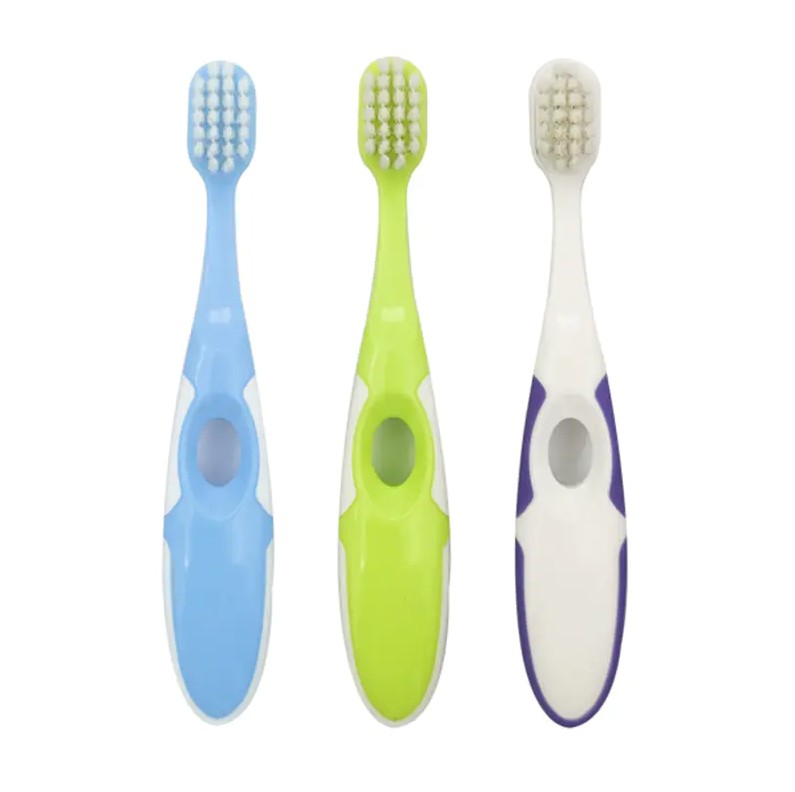
Phone:+86-13952799285
Imagine a 10 year old who has used the same junior toothbrush since first grade. One evening, they complain that the brush head feels too small, the bristles cannot reach the back molars, and the handle keeps slipping between their fingers. These are not excuses. The mouth of a 10 year old has changed considerably in just a few years, and the toothbrush needs to change with it.
The best toothbrush for a 10 year old is a manual or electric brush with a compact head, soft rounded bristles, and a non-slip handle. These three basics outweigh brand, color, or character design. When the brush fits well, the child cleans every tooth surface with less effort, which lowers the risk of plaque buildup, cavities, and gum irritation.
Content
Why a 10 Year Old Needs a Different Toothbrush
By age 10, most children have approximately 20 permanent teeth in their mouths. The first permanent molars have been fully erupted for several years, the incisors have settled into position, and the premolars are in various stages of eruption. These new teeth are larger and have deeper grooves than baby teeth, and they sit in closer contact with each other. Food debris collects in those grooves, and plaque forms along the gum line around the erupting premolars. A junior brush with a tiny head leaves much of the back arch untouched, which is exactly where cavities are most likely to appear at this age.
The line chart shows how rapidly the permanent dentition develops between ages 6 and 12. At age 6, a child typically has about 4 permanent teeth in various stages of eruption. By age 10, that number reaches roughly 20, and by 12 the permanent dentition is nearly complete at 28 teeth. This dramatic growth explains why a brush that fit comfortably at age 7 may feel inadequate at age 10. The steepest increase happens between ages 9 and 10, right when many parents still buy a junior brush out of habit. If the brush head is too small, the child cannot clean the newly erupted molars effectively, so a correctly sized head is the first priority.
Three Specifications to Check Before You Buy
When comparing toothbrushes for a 10 year old, look past the age label printed on the package. Children develop at different rates, so the practical fit matters more than the packaging. Check three details: head size, bristle softness, and handle design.
Head Size
The head of the brush should reach the second permanent molars without stretching the child's cheek. For most 10 year olds, a head length between 20 and 24 mm works well. A head that is too large forces the child to brush only the front surfaces, leaving the back teeth and the areas between them poorly cleaned.
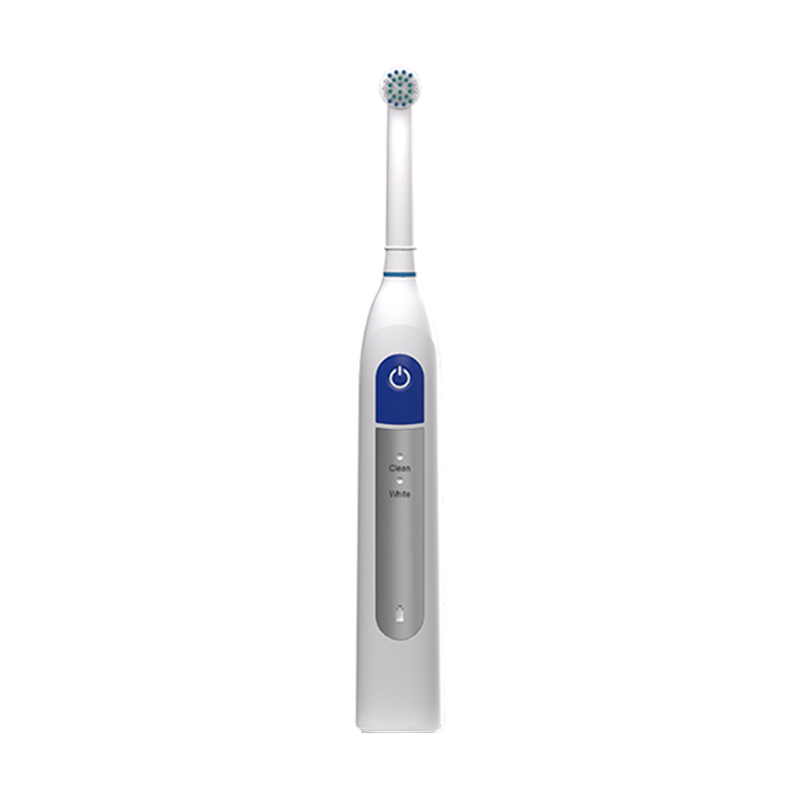
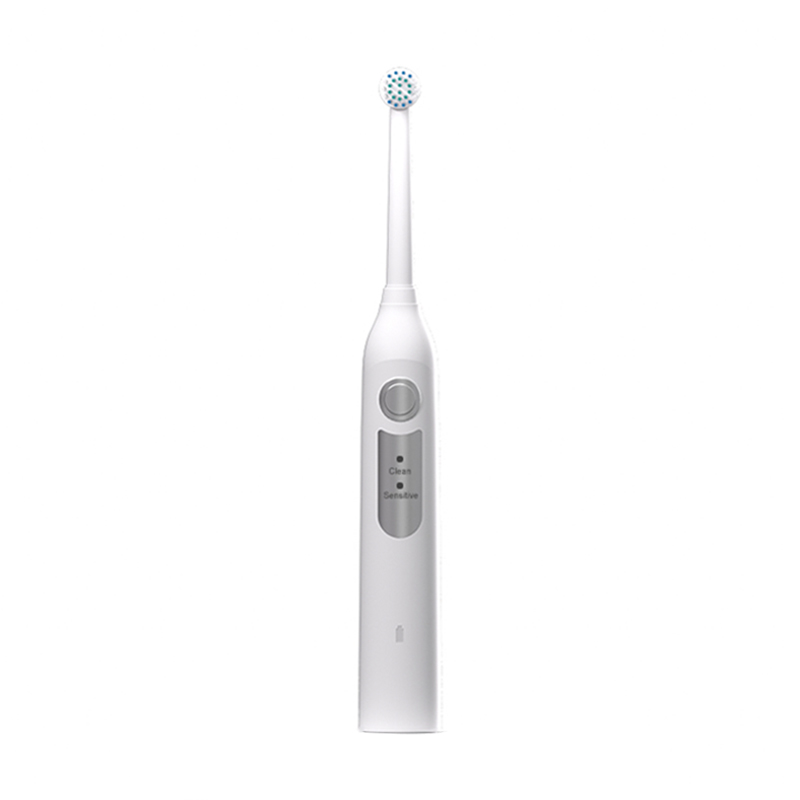
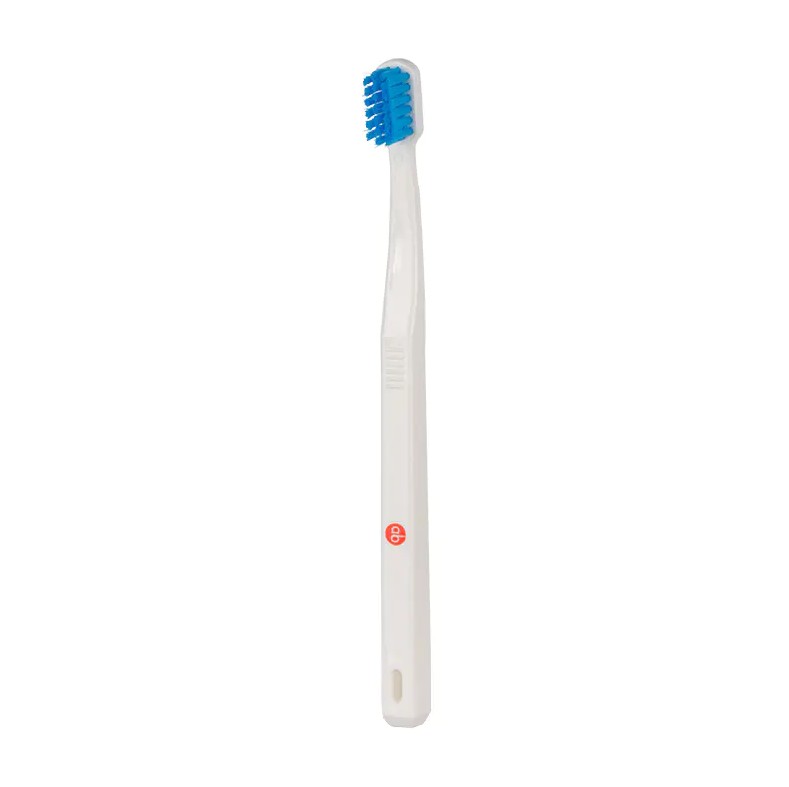
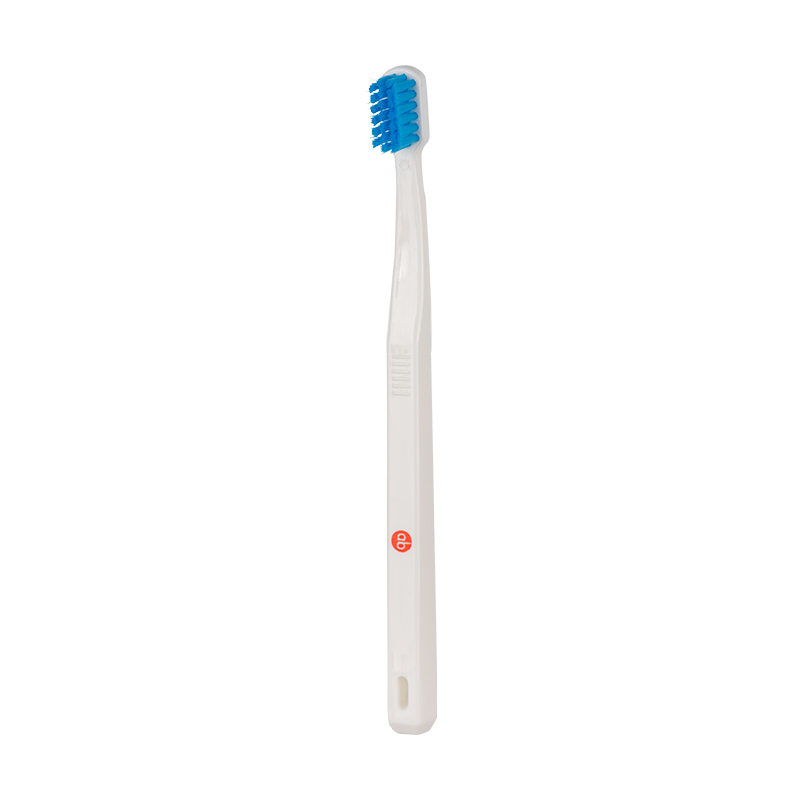 ALB-4010 Children's Clean Tooth Small Head ToothbrushHello let's get in touchView Product →
Bristle Softness
The enamel of permanent teeth in a 10 year old is still maturing and is softer than adult enamel. Hard or medium bristles can scratch it, and aggressive brushing with firm bristles can push the gums away from the teeth. Choose a brush labeled soft or extra soft with rounded filament tips. Soft bristles bend more easily into the grooves of the molars, so they remove plaque without damaging the tissue.
Handle Design
A 10 year old's hands are still growing, and wet handles slip easily in a bathroom environment. A slightly thicker, textured handle gives the child a firm grip without squeezing too hard. The handle should also be long enough to reach the back teeth comfortably, but not so long that the brush feels like an adult tool.
| Feature | Recommended range | Why it matters |
|---|---|---|
| Head length | 20 to 24 mm | Reaches the last molars without stretching the cheek |
| Bristle hardness | Soft or extra soft | Removes plaque without wearing enamel or irritating gums |
| Bristle tips | Rounded or tapered | Prevents micro abrasions on enamel and soft tissue |
| Handle grip | Non-slip and slightly wider | Improves control and reduces pressure on the gums |
The bar chart compares typical brush head lengths recommended for different age groups. A toddler brush head usually measures about 16 mm. Children aged 5 to 7 commonly use an 18 to 20 mm head. A 10 year old's mouth usually calls for a 22 to 24 mm head, which is still smaller than a standard adult brush head at around 27 mm. Choosing the right head length ensures that the bristles can reach the last molars without overstretching. An oversized head also makes it harder to angle the brush along the gum line, so children tend to brush only the middle teeth.
Manual or Electric: What Works at Age 10
Both manual and electric brushes can do an excellent job for a 10 year old, provided the head size and bristles are correct. The real difference appears in daily practice. A manual brush depends entirely on the child's brushing motion and attention span. An electric brush supplies the cleaning motion automatically, which helps children who rush through the routine or press too lightly.
Age 10 is within the range that most dentists consider suitable for an electric toothbrush, and our article on the recommended age for children to start using an electric toothbrush explains the transition in more detail. The deciding factors are the child's willingness to hold the brush still, the size of the brush head, and whether the model includes a two-minute timer.
The radar chart compares a manual toothbrush and an electric toothbrush across five practical dimensions for a 10 year old. Electric brushes score higher on plaque removal because the powered motion does not depend on the child's brushing speed. Manual brushes score higher on cost because a quality manual brush costs a fraction of even the most basic electric model. Both score the same on ease of use when the handle size matches the child's hand. The largest difference appears in the timer dimension, where most electric models include a two-minute reminder. For a 10 year old who rushes through brushing, that feature alone can make an electric model worth the extra cost.
Bristle Materials and Hygiene Design
The filament material and the way filaments are planted into the head determine how well the brush cleans and how long it lasts. Nylon filaments with polished, rounded tips are the standard for quality children's brushes. High-density planting places more filaments in each tuft, so every stroke covers more tooth surface. Another detail worth checking is a breathable brush head with ventilated holes or gaps that allow water to drain. Moisture that sits in the bristle holes between uses speeds up bacterial growth and shortens the brush life.
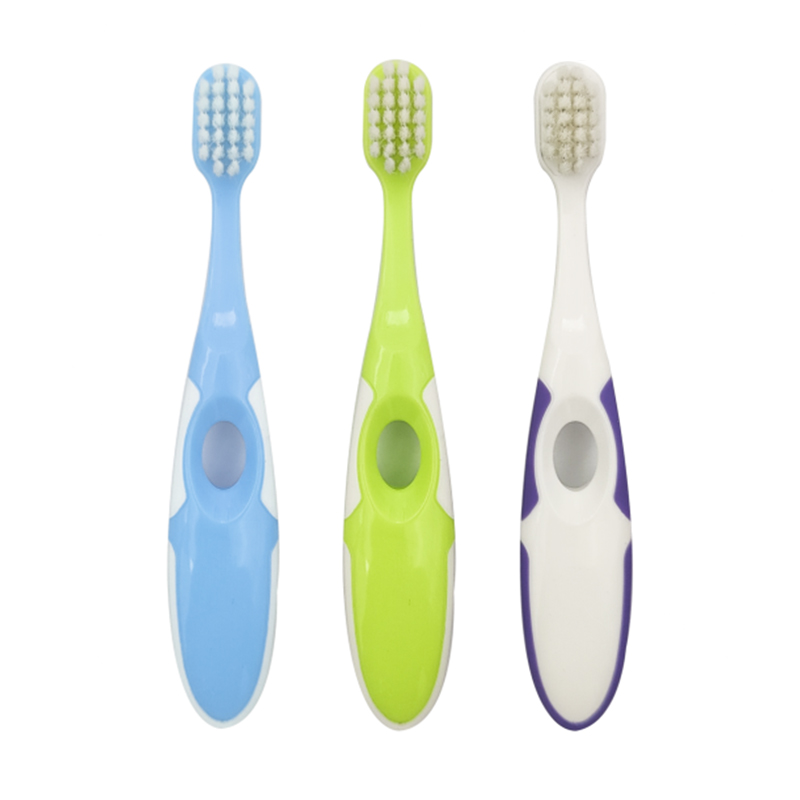 LB-4508 Kids Super Soft Small Head ToothbrushSquare-hole flocking process can clean teeth in high density. The large square-hole pores are suitable for four rows and 7 rows of high-density filament bristles, whic...View Product →
- The filaments spring back to their original angle after brushing
- The filament tips feel smooth when passed over the tongue
- The brush head is small enough for the back molars
- The handle offers a stable grip for a child's hand
The horizontal bar chart shows how long children typically brush compared with the two minutes dentists recommend. Children aged 6 to 7 brush for about 52 seconds on average. The number rises to 68 seconds for ages 8 to 10 and to 75 seconds for ages 11 to 12. Even at the upper end, that is more than a minute short of the target. This gap matters because plaque removal improves significantly once brushing passes one minute. Parents can close the gap with a timer, a brushing app, or a toothbrush with a built-in reminder.
Replacement Schedule: When the Brush Has to Go
Even the best toothbrush loses its cleaning ability over time. Soft bristles become softer, filaments bend permanently, and trapped bacteria accumulate in the head. Plan to replace the brush every 12 weeks, and inspect it once a week. If the bristles look frayed or bent, replace the brush sooner. This schedule applies to both manual and electric brushes, and it is especially important for children who develop cavities easily.
| Situation | Action |
|---|---|
| Every 12 weeks of regular use | Replace with a new brush |
| Bristles are frayed, bent, or discolored | Replace immediately |
| After strep throat, cold, or flu | Replace immediately |
| The child has outgrown the head size | Move up to a larger child model |
The purchase decision comes down to three simple tests. Hold the brush head against the child's back molar to confirm it fits, press the bristles to feel their softness, and let the child hold the handle to check the grip. Set a two-minute timer for every session, whether the brush has a built-in timer or you use a phone. Supervise brushing at least once a day to reinforce technique. A well-fitting soft brush used consistently will protect a 10 year old's growing permanent teeth more effectively than any expensive feature.
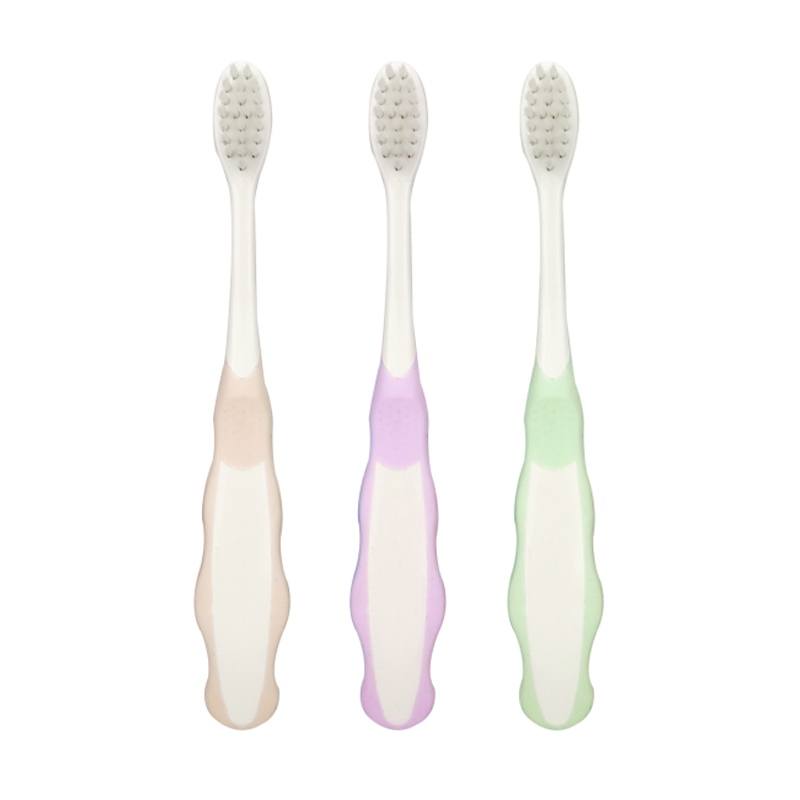 ALB-4511 Children's Soft Bristle Cleansing Small Head ToothbrushHello let's get in touchView Product →