
 English
 中文简体
中文简体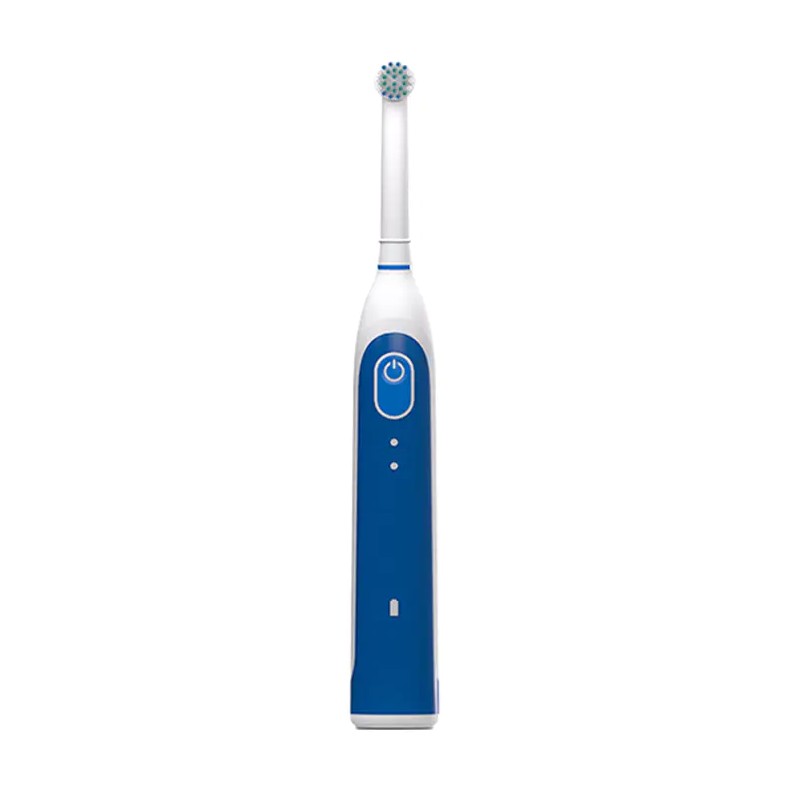
Phone:+86-13952799285
A six year old sits at a turning point in oral care. Permanent molars are arriving, the grip is stronger, and the child wants to brush alone. Yet most kids this age still lack the coordination to handle an adult brush correctly.
The best toothbrush for a 6 year old has a small head, soft bristles, and a child-friendly handle, sized to fit the current anatomy of the mouth rather than the size of the child's hand. When these three factors are right, brushing is easier, gentler, and more consistent. When they are wrong, even a motivated child will resist, because the brush feels uncomfortable or the bristles scratch.
Content
What Makes a Toothbrush Suitable for a Six Year Old
The main job of any toothbrush at age six is to remove plaque from all surfaces of primary teeth and the emerging permanent molars. The brush needs to reach the back of the mouth without triggering the gag reflex, and its bristles must be gentle enough for gums that are still maturing.
Three physical features carry the most weight: head size, bristle firmness, and handle shape. A smaller head gives better access to the last molars and reduces the chance of brushing trauma. Soft bristles clean plaque without wearing down the thinner enamel of new permanent teeth. A thicker, non-slip handle gives a six year old more control than a slim adult handle, especially during the sweeping motions across the molars.
| Age Group | Head Length | Bristle Firmness | Handle Design |
|---|---|---|---|
| Infant 0-2 years | 12-14 mm | Extra soft | Short and thick |
| Child 3-5 years | 14-16 mm | Soft | Non-slip, short neck |
| Child 6-8 years | 16-18 mm | Soft | Non-slip, standard length |
| Adult | 18-20 mm | Soft to medium | Standard |
These figures are a starting point rather than a strict rule. A useful practical test is simple: if the head touches the soft tissue at the back of the throat when the child opens wide, it is too long. If the child can only reach the front two teeth without moving the jaw, it is too short.
Before buying, check for these signs of a suitable brush:
- The head covers two to three teeth at most.
- The bristle tips feel soft against the back of the hand.
- The handle has a textured grip area.
- The brush is labeled for children around ages 5 to 8.
Manual or Electric: A Fair Comparison
Both manual and electric brushes work well for a six year old, but they satisfy different needs. If the child already brushes cooperatively and with decent technique, a manual brush is efficient and inexpensive. If brushing is a daily battle, an electric brush can solve the motivation problem while also providing more consistent plaque removal.
Most guidance suggests that children can use an electric toothbrush from around age three with help, and a six year old is certainly old enough to benefit. If you are weighing the decision, the article on the recommended age for children to start using an electric toothbrush explains the milestones in more detail.
The radar chart compares manual and electric brushes across five practical dimensions for a six year old. Electric brushes lead in cleaning efficiency, because the moving head does most of the brushing work and removes plaque more consistently along the gum line. Manual brushes score higher in gentleness, since the child can feel exactly how much pressure is applied and adjust naturally in the moment. Ease of use is fairly close, with a slight edge for electric because less skill is required to reach all tooth surfaces. Engagement strongly favors electric, as the vibration, sound, and motion keep a young child interested for the full two minutes. Cost value clearly goes to manual, given the lower purchase price and the absence of replacement heads. Many families find the engagement factor decisive, which is why the two types end up serving different children well.
Head Size and Bristle Softness at a Glance
Head size and bristle softness are the two specifications that determine whether a brush does its job without causing discomfort. Many parents buy a larger head assuming it will clean more teeth per stroke, but the opposite is true for a six year old: a smaller head is more maneuverable and safer.
The chart shows typical brush head lengths from infancy to adulthood. A baby brush sits around 12 mm and suits a mouth that only has front teeth. A preschool brush near 14 mm works during the toddler years as more primary teeth emerge. The 16 mm point is a common midpoint for children around age six, and most pediatric brushes for this age group converge there. From six onward, the head grows gradually toward 18 mm for older children and roughly 20 mm for the average adult. Choosing a head at the larger end of the age band is tempting, but a smaller head is almost always safer for reaching the back teeth and cleaning the gum line without irritation.
Bristle firmness matters just as much as head size. Soft bristles are the default recommendation for children because they remove plaque effectively while respecting enamel that is still developing. Extra soft can be useful for a child with tender gums or a heavy brushing pressure. Medium or hard bristles have no place in a six year old's routine, because they encourage gum recession and enamel wear. Rounded and polished bristle tips are another sign of quality, since square-cut tips create micro-scratches on young enamel.
The handle is where many parents overlook the details. A six year old is still developing fine motor coordination. A thicker, non-slip handle gives a more stable grip, and a brush with a simple shape is easier to maneuver than a slim adult handle that rotates in a small hand.
How the Right Brush Shapes Better Brushing Habits
Finding the right brush changes more than the quality of the clean; it changes the child's willingness to brush. Resistance often comes not from laziness but from a brush that feels wrong in the mouth. A soft, small-headed brush reduces sensory complaints, and a design the child likes makes brushing feel more like a small daily ritual.
The two lines show the share of planned brushing sessions completed over eight weeks in two scenarios. The red line represents a child using a brush designed for their age, with a small head, soft bristles, and an appealing look. The gray line represents a child using a generic adult brush with a larger head and firmer bristles. In the first week, both children complete fewer than half of their planned sessions. The child with the age-appropriate brush improves quickly and passes 70 percent completion by week three. By week eight, the age-appropriate brush sustains a rate around 90 percent, while the adult brush levels off near 65 percent. Comfort and preference explain most of the gap, not technique alone.
The goal at six is not perfect brushing. It is establishing a sustainable routine that the child can build on. Parental supervision still matters, especially for reaching the back molars and making sure the child does not swallow toothpaste.
When to Replace a Six Year Old's Toothbrush
Toothbrush heads wear out faster in children's mouths than many parents expect. A six year old often bites down on the bristles and brushes with more force than an adult, which flattens the bristle tips. The general rule is replacement every three months, but a parent should also inspect the bristles each month, because children can destroy a brush much faster than that.
This chart tracks a bristle wear index across six months of continued use. After one month, the bristles show about 10 percent measurable wear and still perform well. By the second month, the index reaches roughly 25 percent, and the fine bristle tips lose some of their original rounding. At three months, wear sits near 45 percent, which is exactly why the three month replacement rule is so common. By the fourth month, performance drops noticeably at 62 percent, and cleaning becomes less effective even if the brush still looks acceptable. Beyond five months, flattened bristles can irritate gum tissue and hold more bacteria. Staying on schedule matters as much as choosing the right brush in the first place.
Parents should also replace the brush after a bout of illness, because bacteria can remain trapped between the bristles. The same rule applies to electric brush heads, which need the same three month cycle.
Recommended Toothbrush Options for a Six Year Old
Putting these criteria together, three product types fit the needs of most six year olds. The first is a soft-bristle manual brush with a small head for daily supervised brushing. The second is a super-soft variant for a child with sensitive gums or a heavy hand. The third is a battery-powered electric brush for a child who needs more motivation.
Soft-Bristle Manual Brush with a Small Head
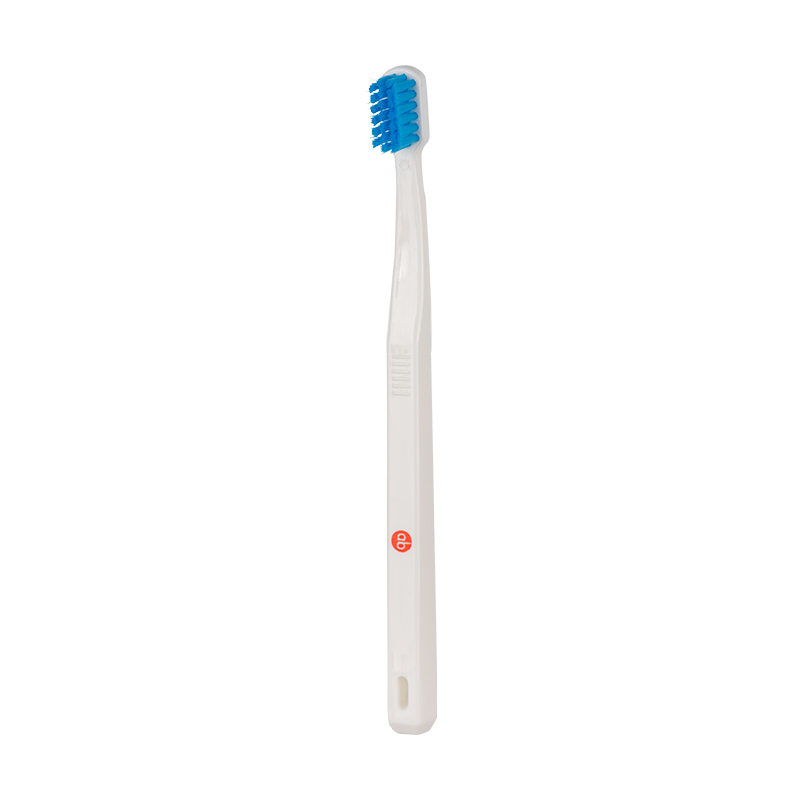 ALB-4010 Children's Manual Toothbrush with Small Head and Soft BristlesThis manual brush fits a six-year-old moving past toddler stage. Its compact head reaches back molars while soft filaments protect gums, making it a practical choice for supervised daily brushing.View Product →
This manual option uses a compact head, soft bristles, and a simple design that suits a six year old who has moved past the toddler stage. The small head reaches back molars comfortably, and the soft filaments protect the gum line during independent brushing. Use it with a pea-sized amount of fluoride toothpaste and supervise until the child can rinse and spit reliably.
Super-Soft Option for Sensitive Gums
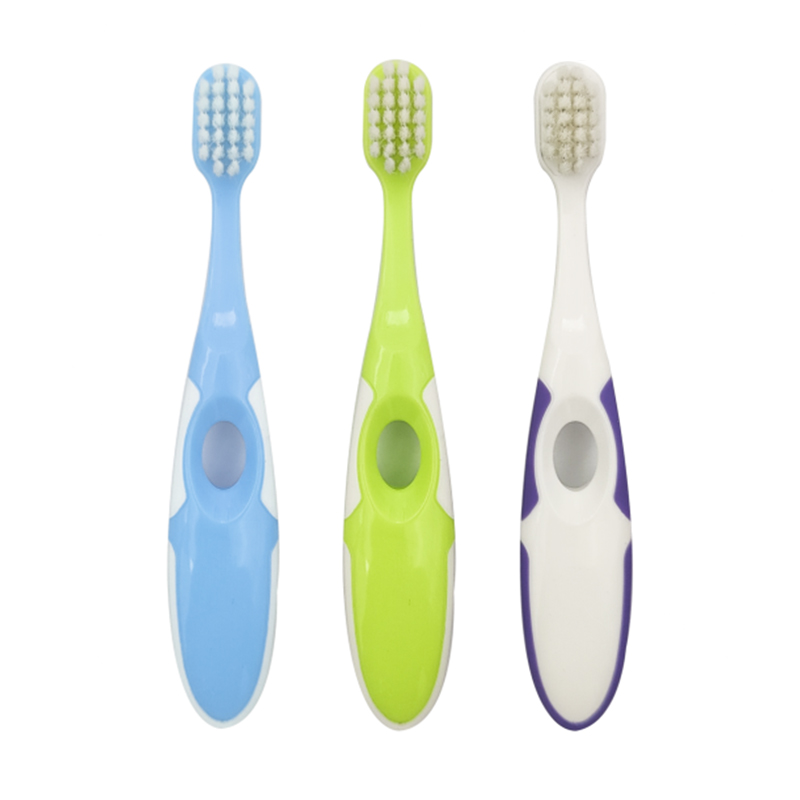 LB-4508 Kids Super-Soft Small Head Toothbrush with Ventilated HeadDesigned for sensitive gums or heavy-handed brushing, this super-soft brush uses dense, velvety bristles to clean gently without irritation. The breathable eye holes reduce moisture and bacteria growth, and the comfortable handle suits children's palms.View Product →
For children with tender gums or a habit of pressing too hard, super-soft bristles provide an extra margin of safety. The small head still cleans effectively, and the gentler filaments are less likely to cause bleeding or discomfort. Parents can alternate this brush with a regular soft model when sensitivity appears.
Battery-Powered Electric Brush for Reluctant Brushers
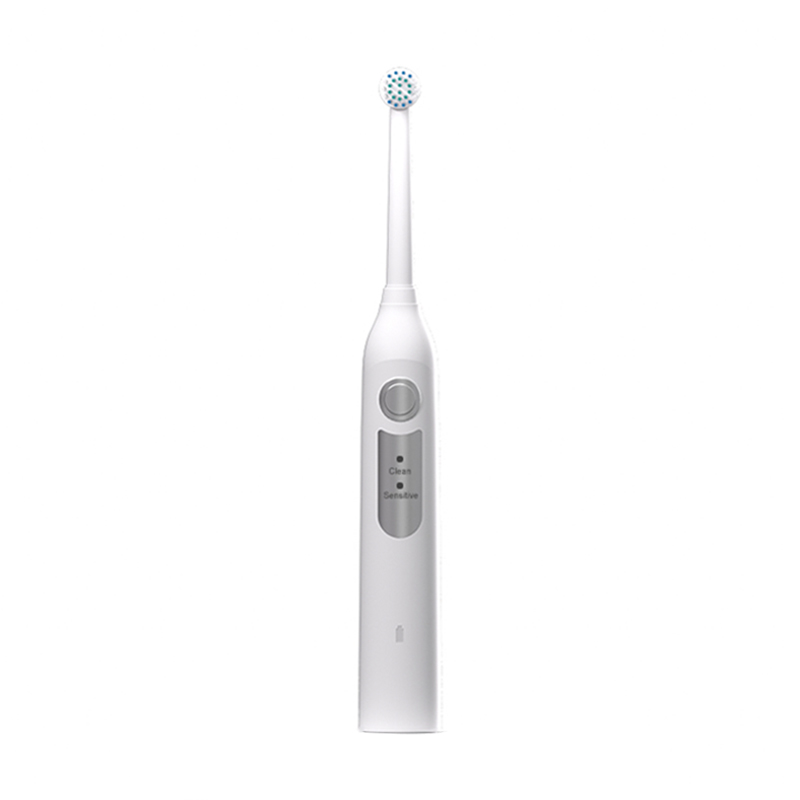
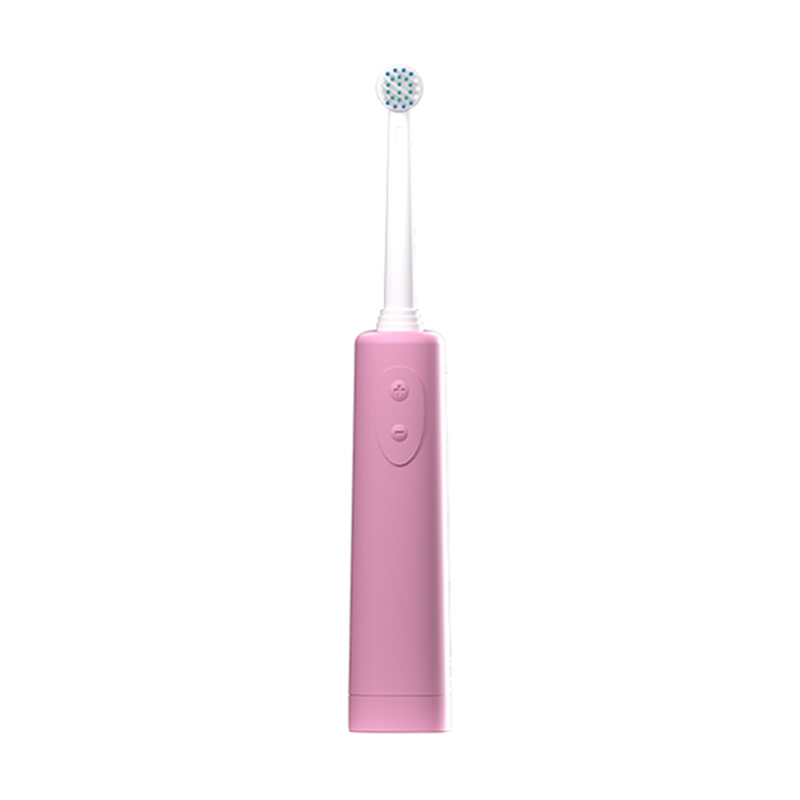
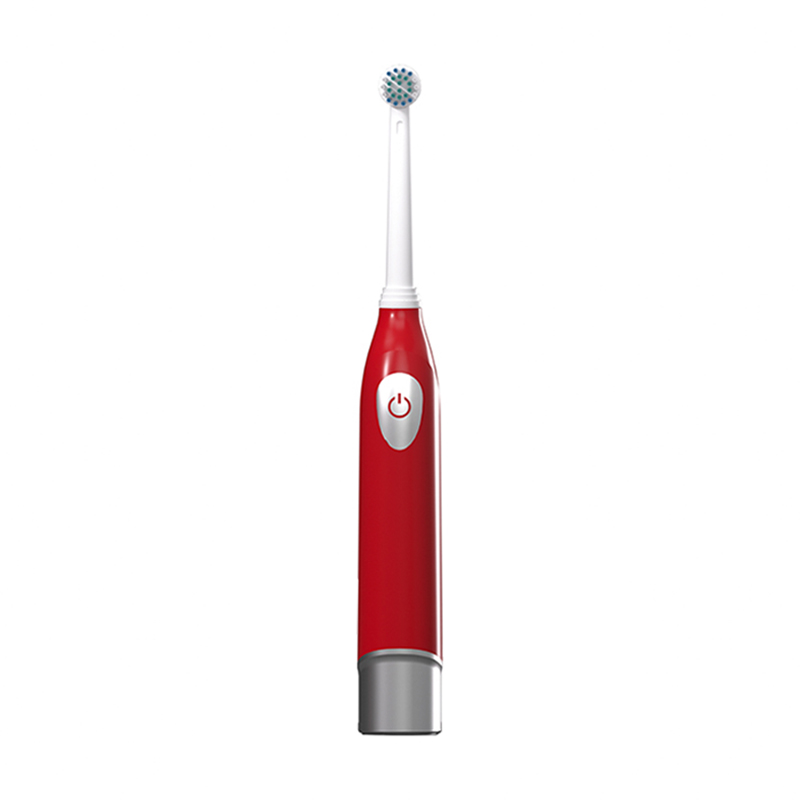
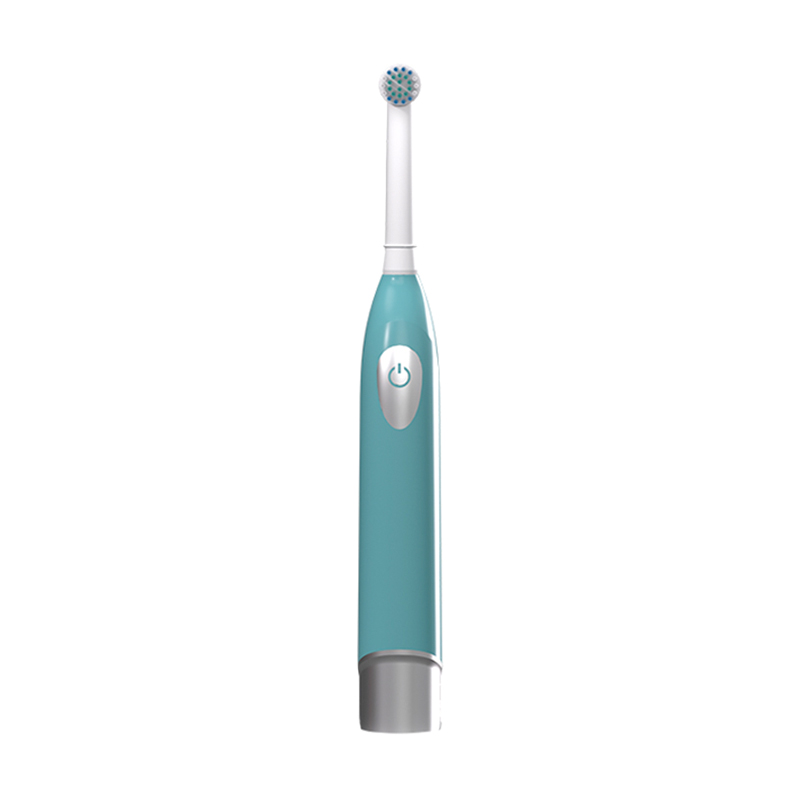
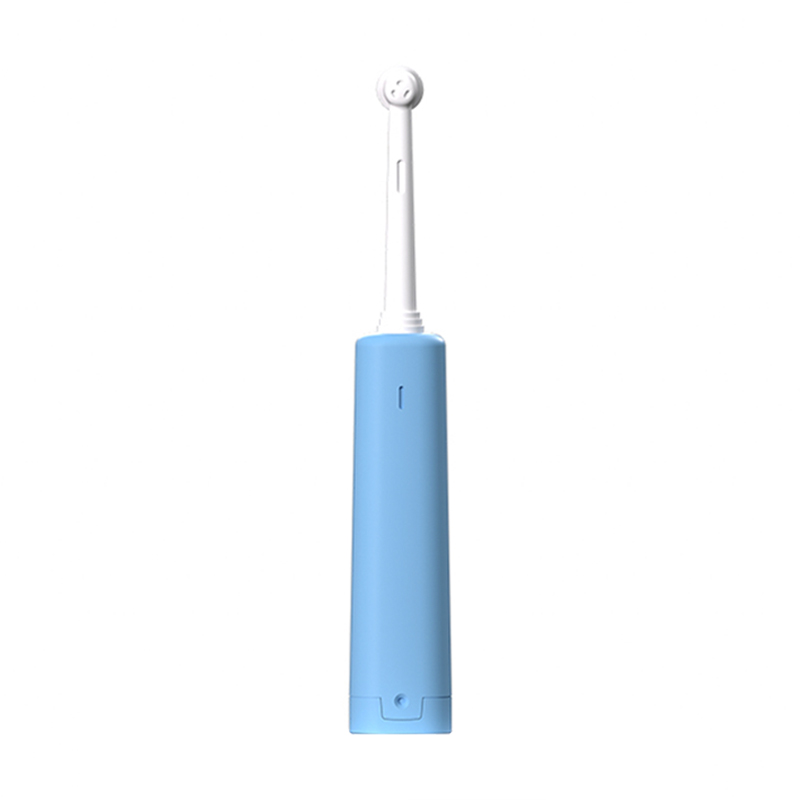 ALB-927 Colorful Battery-Powered Kids Electric ToothbrushThis battery-powered electric brush adds motivation with a colorful body and vibrating motion. It cleans more consistently than manual brushing, and AAA batteries make it travel-friendly without charging cables. Ideal for a six-year-old needing extra engagement.View Product →
When motivation is the bottleneck, a battery-powered electric brush changes the conversation. The colorful body and vibrating motion keep brushing interesting, and the powered head removes plaque more consistently than a manual brush in the same two minutes. Battery operation avoids charging cables and works well for travel.
For parents who choose a manual brush, the way the child holds it and moves it matters as much as the brush itself. A guide on how to properly use a kids manual toothbrush walks through the best motions and timing.
A six year old is old enough to brush independently but not old enough to be left entirely alone. The best brush for this age fits the mouth, protects the enamel, and makes the child willing to brush. Start with a soft-bristle small-head manual brush, consider a super-soft option for sensitive gums, and reach for an electric model if engagement is the issue. Pair the right brush with parental supervision, a three month replacement schedule, and a routine that happens at the same time every day. That combination is what truly keeps a six year old's teeth healthy.