
 English
 中文简体
中文简体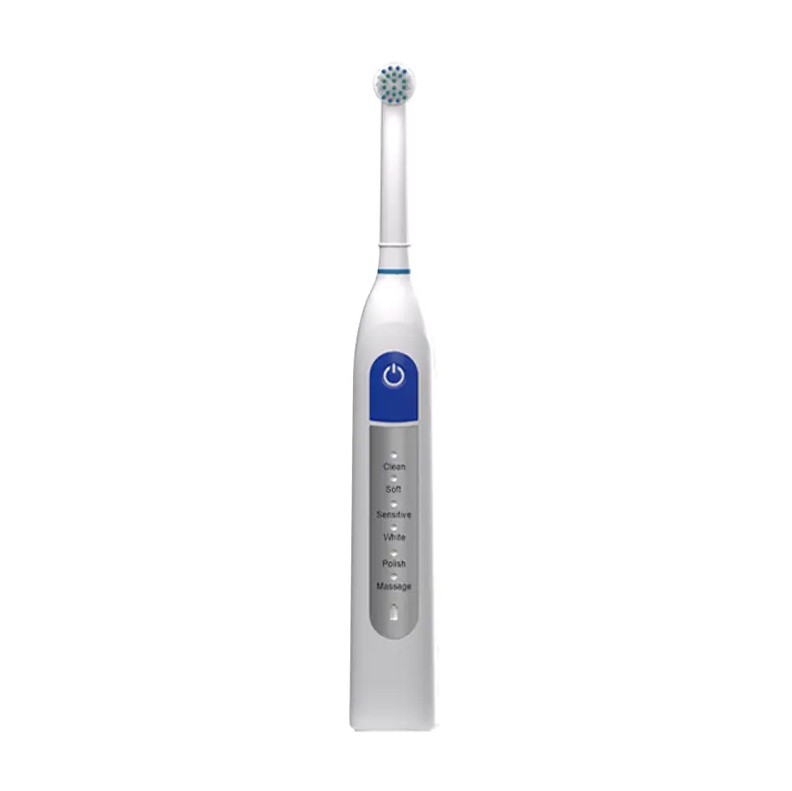
Phone:+86-13952799285
In daily life, toothbrushes are a core tool for maintaining oral hygiene. However, faced with a dazzling array of products on the market, many people wonder: which toothbrush is the healthiest? Is it the cost-effectiveness of manual toothbrushes or the high-tech features of electric ones?
Content
I. Manual Toothbrushes vs. Electric Toothbrushes: Which is Healthier?
The debate about toothbrush types has never stopped. In fact, the essence of health lies not in the "tool" itself, but in "cleaning efficiency."
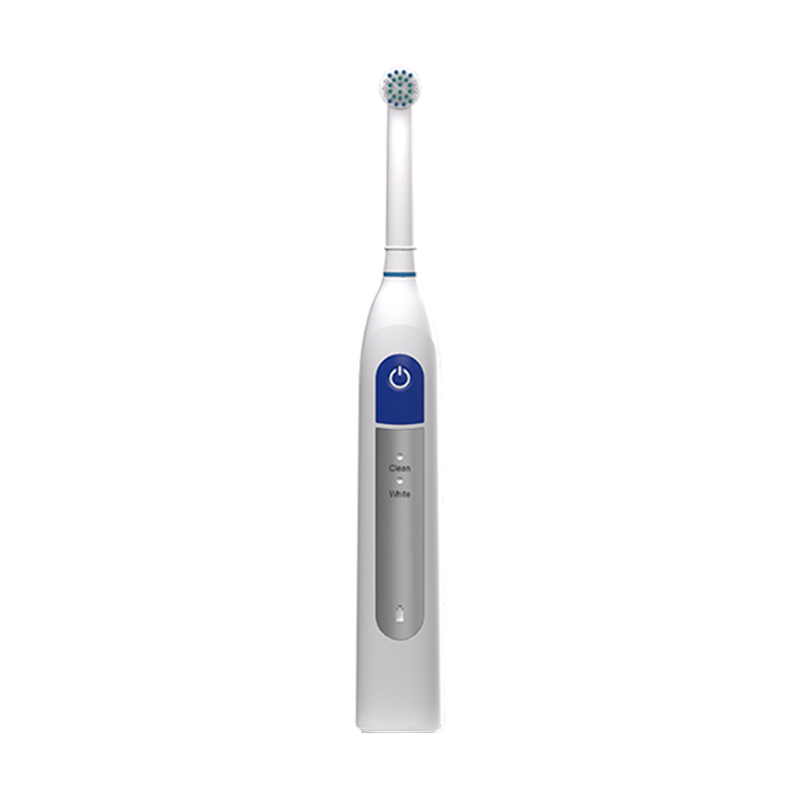
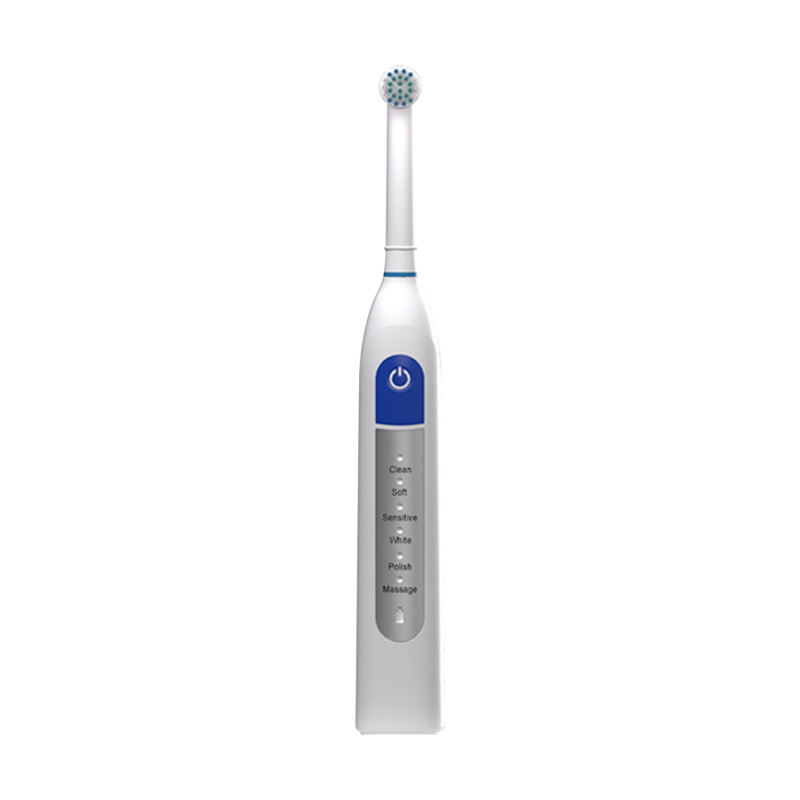
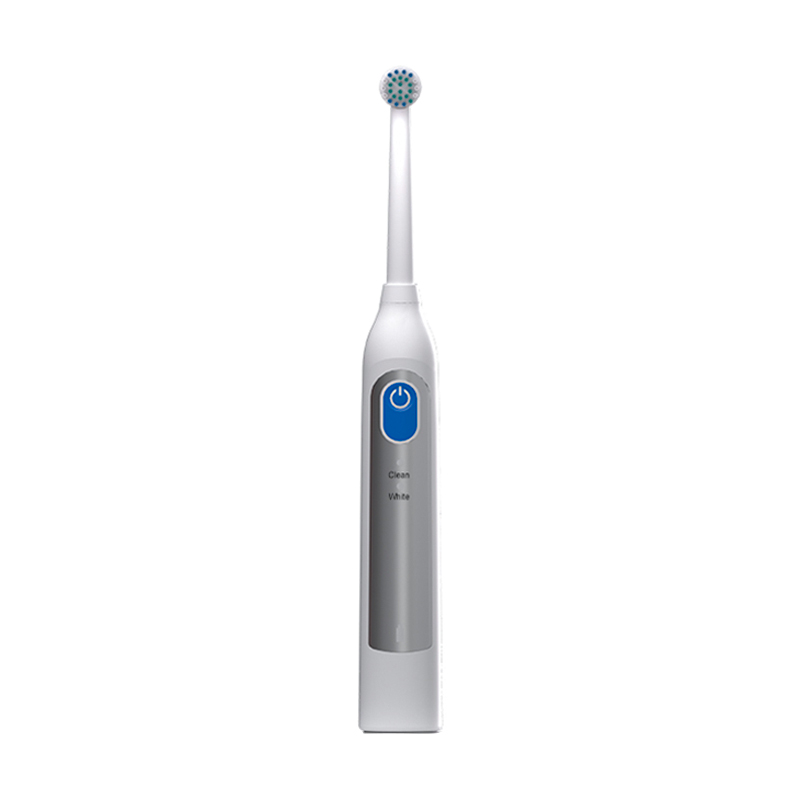
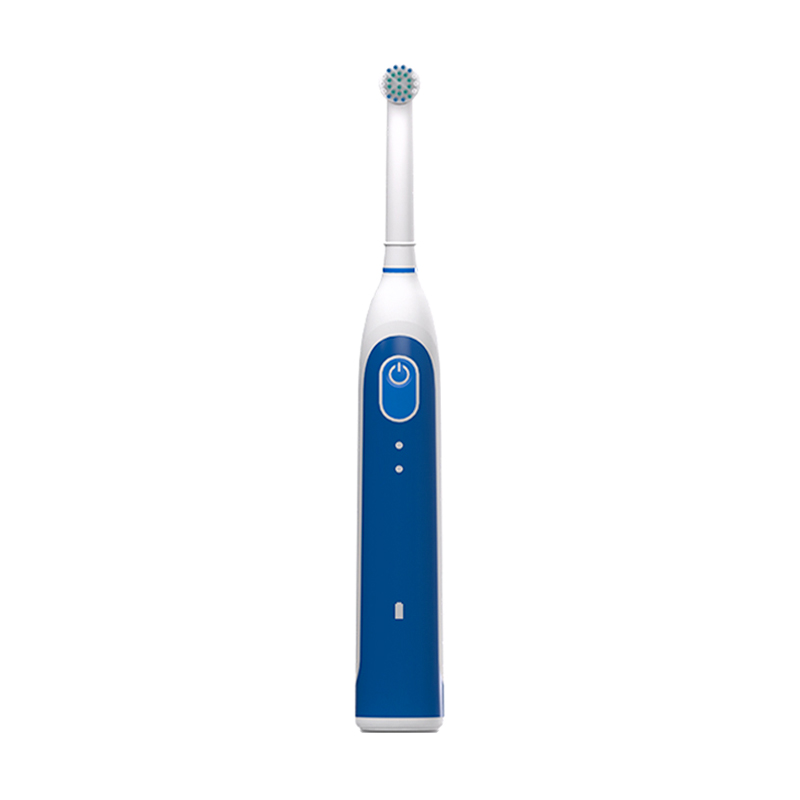
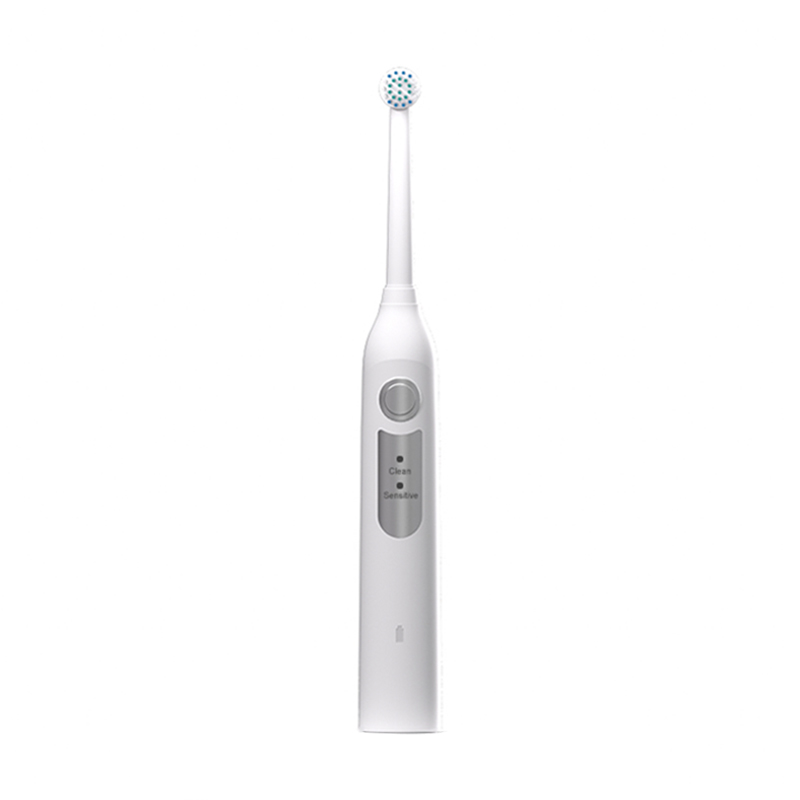
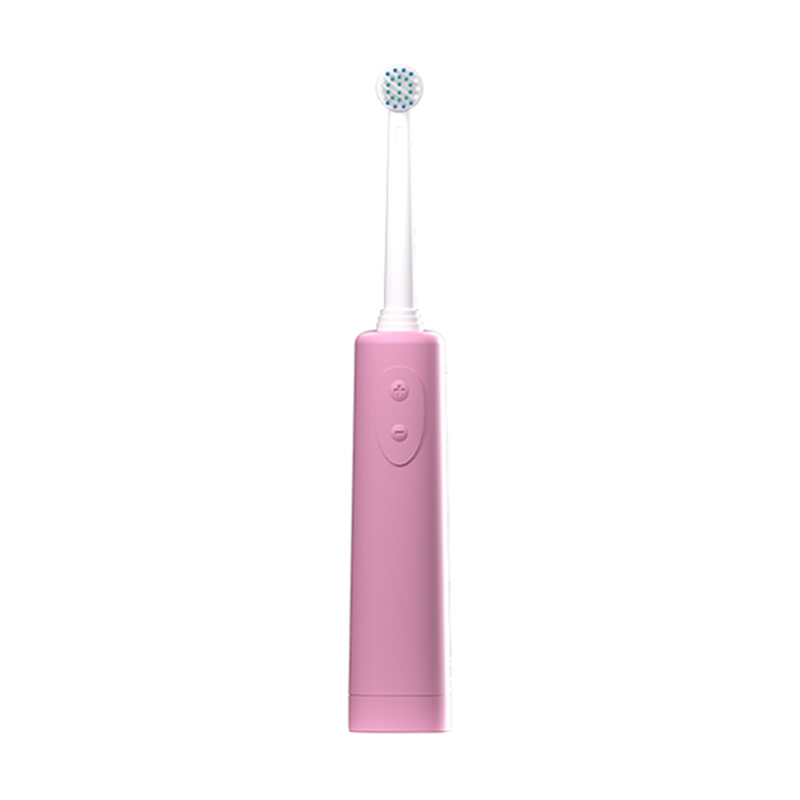
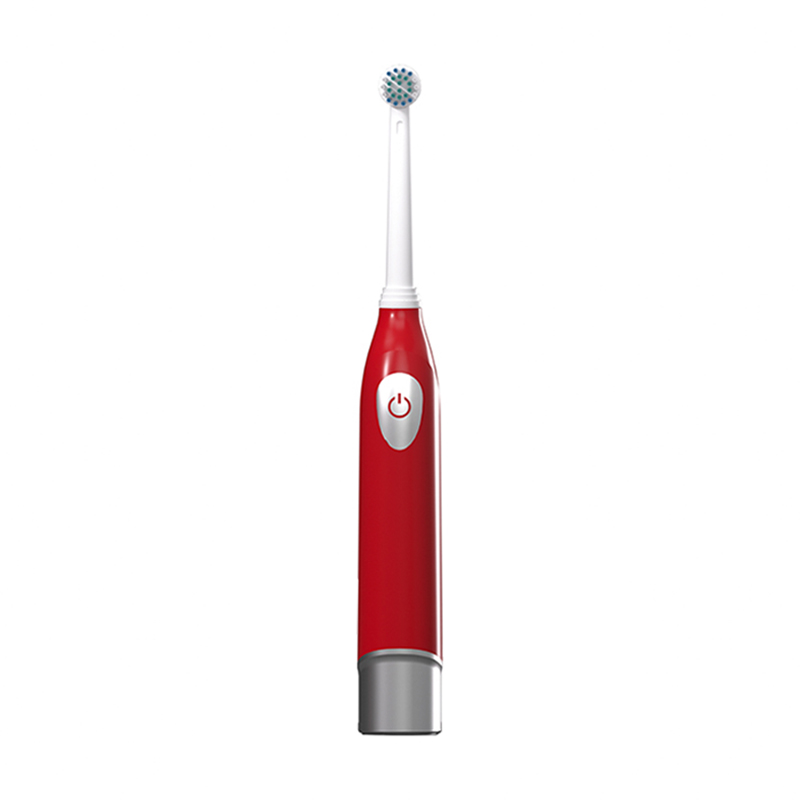
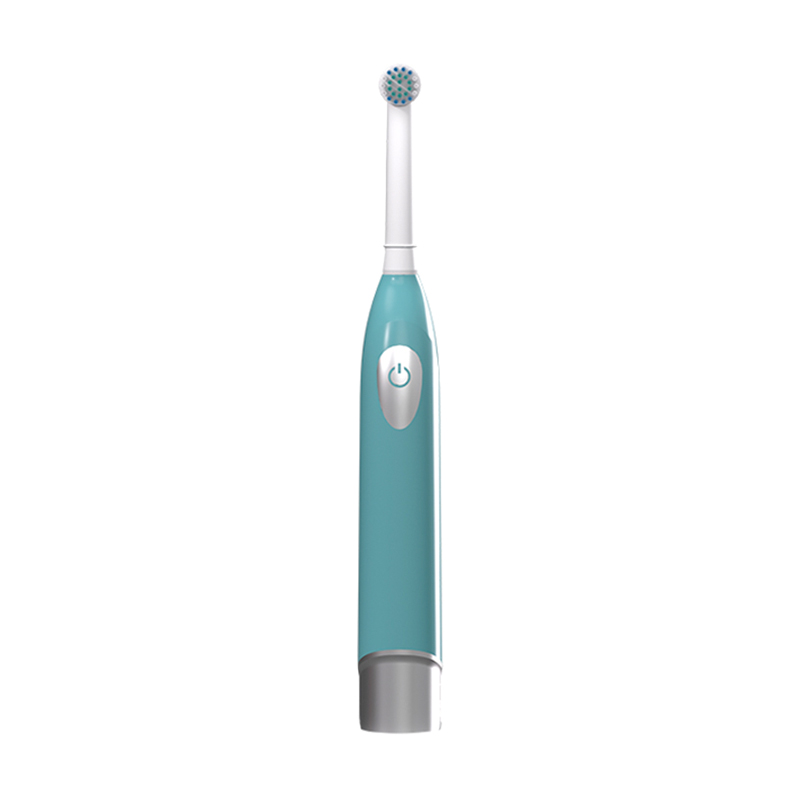
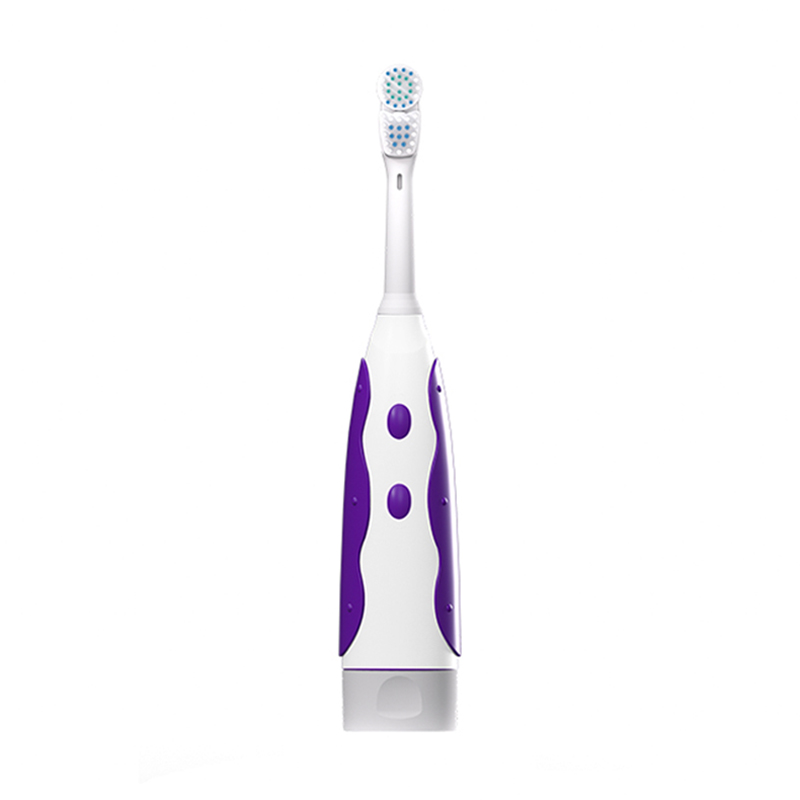
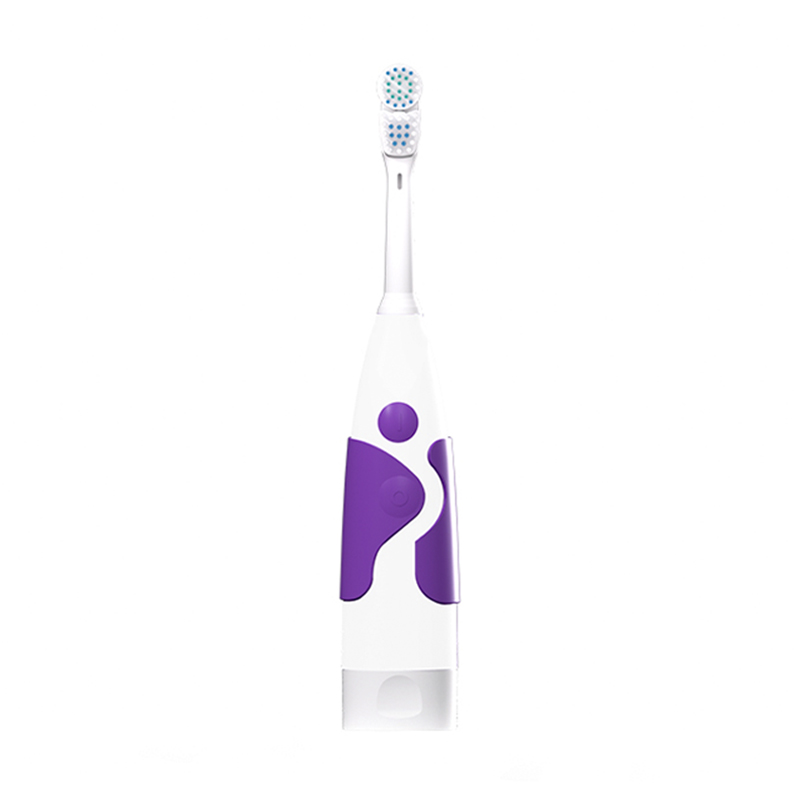
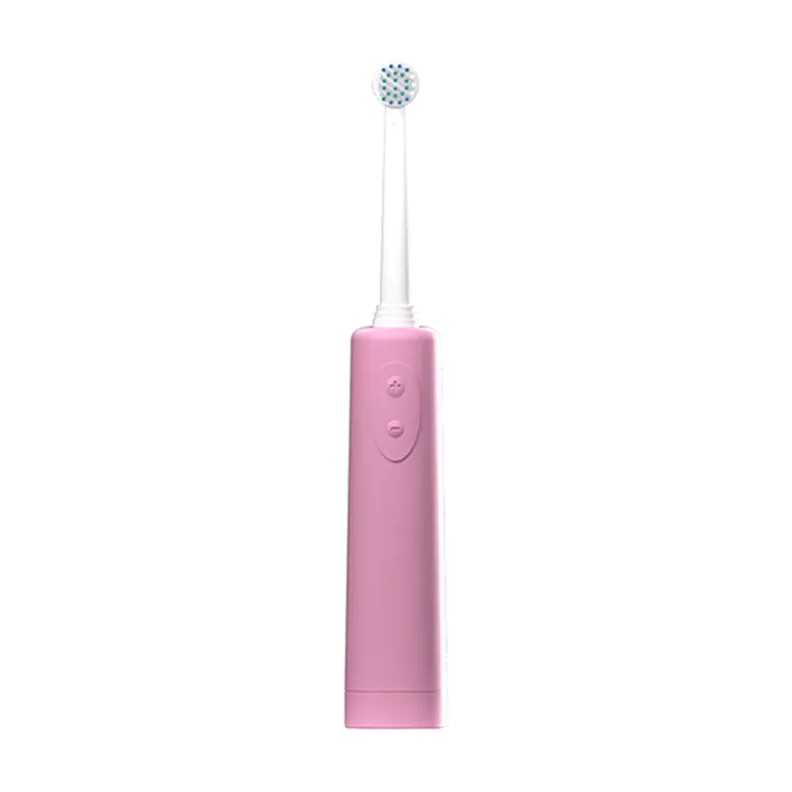
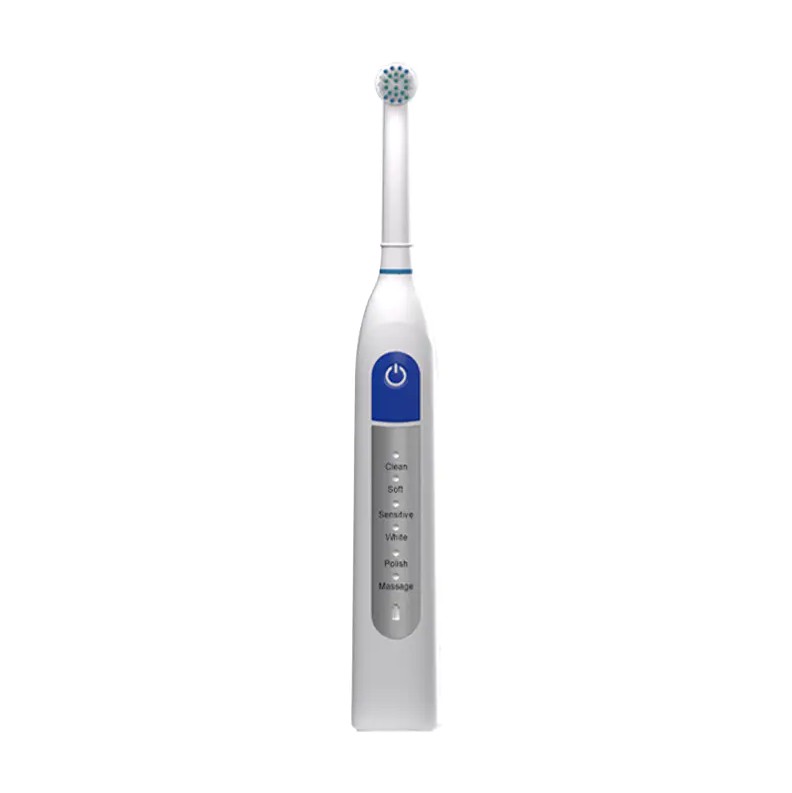
- Electric Toothbrushes: Clinical studies have shown that because electric toothbrushes have high-frequency vibration or rotation functions, their plaque removal rate is generally higher than that of manual toothbrushes. For those who are not good at brushing pressure and technique, electric toothbrushes can provide a more consistent cleaning effect.
- Manual Toothbrushes: If you master the scientific "Bass brushing technique," a manual toothbrush can also achieve a deep cleaning effect. Its advantages are flexibility and control, and it doesn't require charging, making it suitable for business trips and travel.
Expert Recommendation: Regardless of the type of toothbrush chosen, the cleaning time must be at least 2 minutes to effectively remove food debris from between teeth.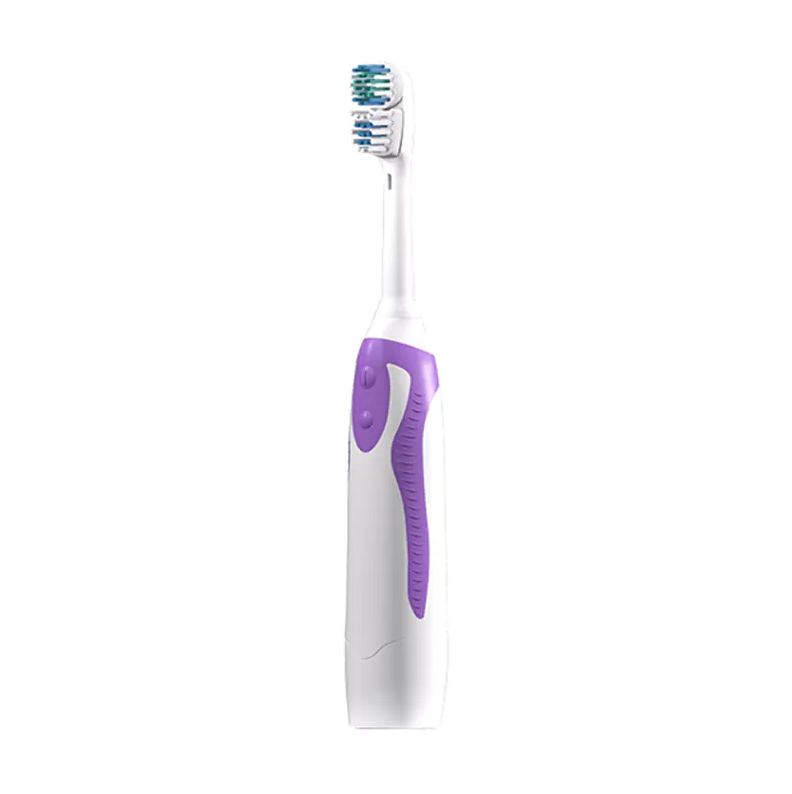
II. Key Indicators for Determining a Toothbrush's "Health"
Choosing a healthy toothbrush isn't just about appearance; the following three core parameters are crucial:
- Bristle Firmness: Many people believe that stiff bristles clean better, but this isn't necessarily true. Soft bristles are the preferred choice for dentists because stiff bristles can easily damage tooth enamel and lead to gum recession. High-quality, fine, soft bristles can reach deep into periodontal pockets while protecting the delicate oral mucosa.
- Brush Head Shape and Size: A healthy toothbrush head should be of moderate size. A small brush head can move flexibly in the mouth, easily reaching the molar area (wisdom teeth area), avoiding cleaning dead zones.
- Bristle Rounding Rate: This is the most easily overlooked point. High-quality toothbrushes have rounded bristle tips (i.e., rounded bristles). If the bristle tips are too sharp, long-term use can lead to tooth sensitivity.
III. Toothbrush "Shelf Life" and Hygiene Maintenance
Even the most premium toothbrush can become a breeding ground for bacteria if used improperly.
- Regular Replacement: It is recommended to replace your toothbrush every 3 months. If the bristles become frayed or split, replace it immediately, otherwise its cleaning power will be greatly reduced.
- Post-Illness Replacement: After recovering from a cold or oral inflammation, it is best to replace your toothbrush with a new one to prevent residual viruses from causing secondary infections.
- Keep Dry: After brushing, rinse thoroughly to remove any toothpaste residue and place the brush head upwards in a well-ventilated area to prevent mold growth in the damp environment of a bathroom.
In general, the healthiest toothbrush should have a small head, soft bristles, properly polished bristles, and be one you can consistently use morning and night with fluoride toothpaste.
Protecting oral health involves more than just choosing the right toothbrush; it also requires combining it with dental floss, water flossers, and other auxiliary tools for comprehensive deep cleaning.