
 English
 中文简体
中文简体
Phone:+86-13952799285
For most users, a sonic rechargeable electric brush provides superior cleaning performance compared to a standard rechargeable electric toothbrush. Sonic brushes operate at dramatically higher speeds and use fluid dynamics to clean beyond the reach of bristles — making them particularly effective for plaque removal, gum health, and whitening. However, the right choice ultimately depends on your sensitivity, budget, and specific oral health needs.
Content
- 1 How Each Type of Brush Actually Works
- 2 Cleaning Performance: A Side-by-Side Comparison
- 3 Plaque Removal and Gum Health: What the Research Shows
- 4 Sensitivity and Comfort: Which Is Gentler on Teeth and Gums
- 5 Smart Features and Technology Integration
- 6 Cost and Long-Term Value
- 7 The Verdict: Which Should You Choose
How Each Type of Brush Actually Works
Understanding the core technology behind each brush type is essential to making an informed comparison.
Sonic Rechargeable Electric Brush
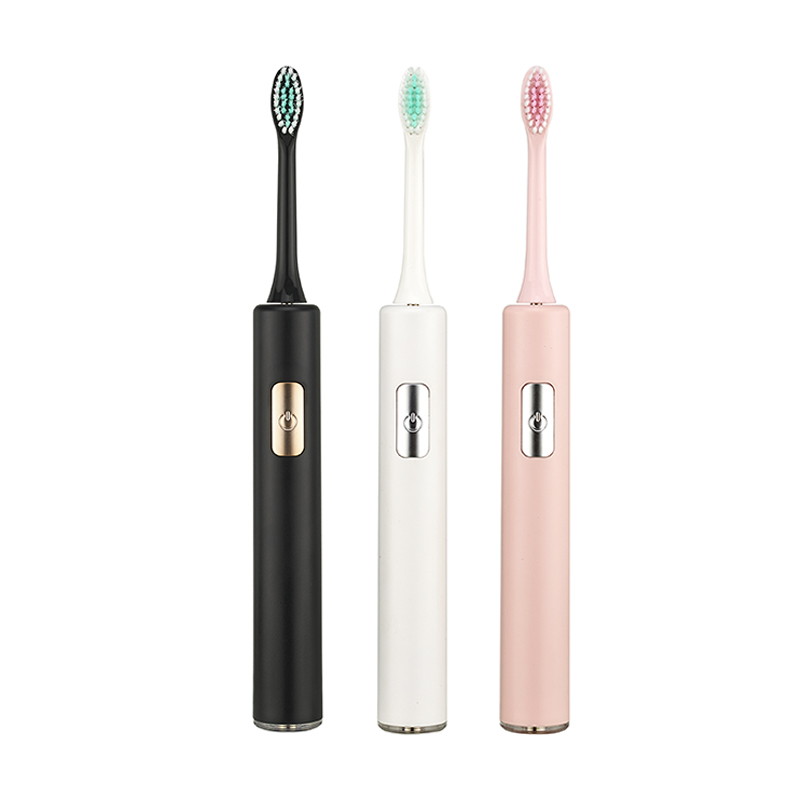
A sonic brush uses high-frequency vibrations — typically 31,000 to 62,000 brush strokes per minute — to create rapid side-to-side bristle movement. At this frequency, the motion also agitates the saliva and toothpaste mixture around the brush head, generating micro-fluid activity that can dislodge plaque and bacteria in spaces the bristles never physically touch. This is known as the "fluid dynamic" or "hydrodynamic" cleaning effect.
Standard Rechargeable Electric Toothbrush
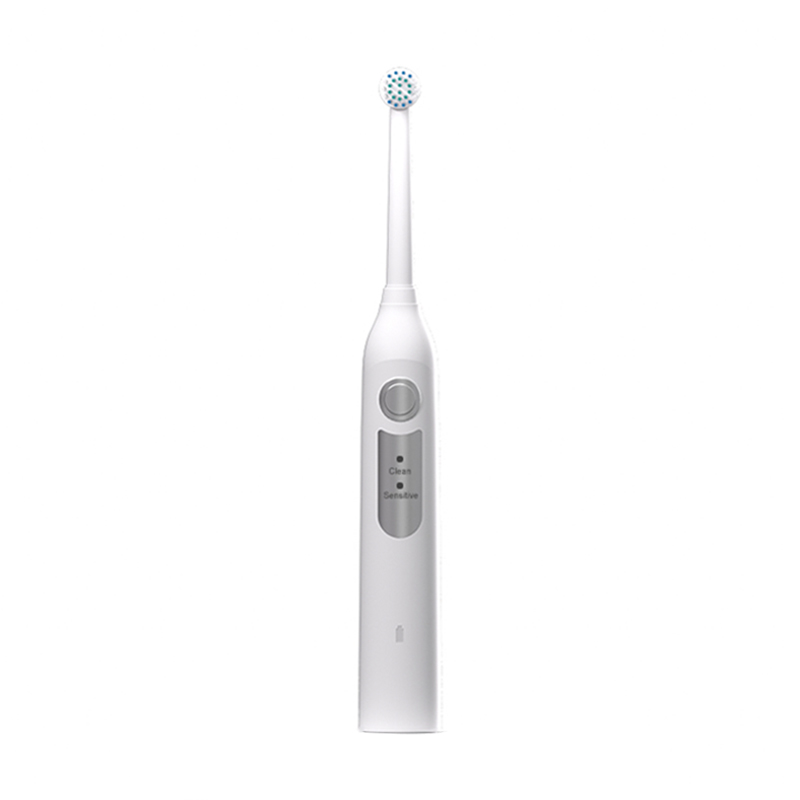
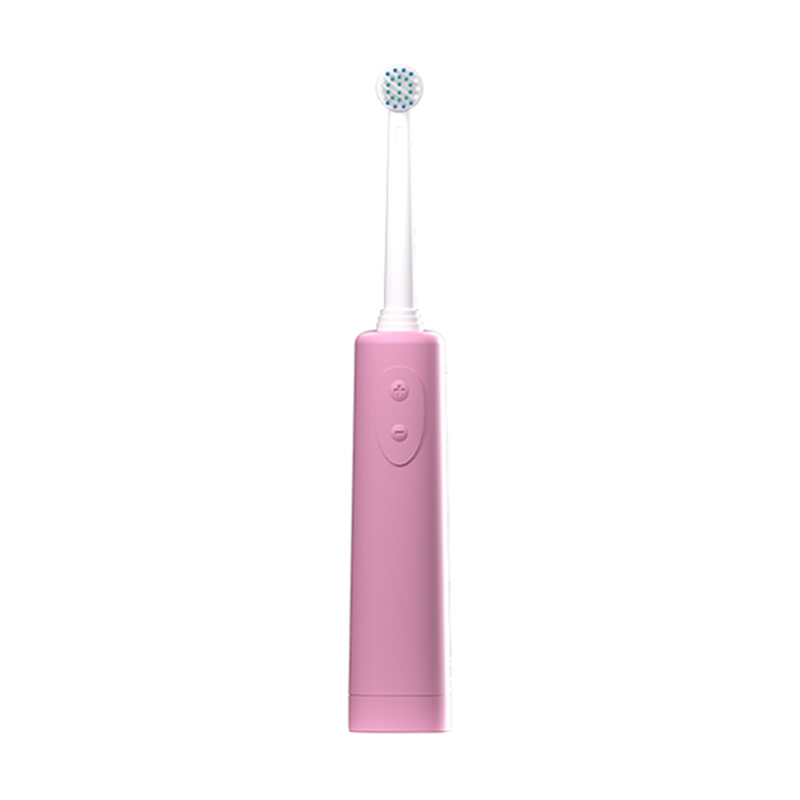
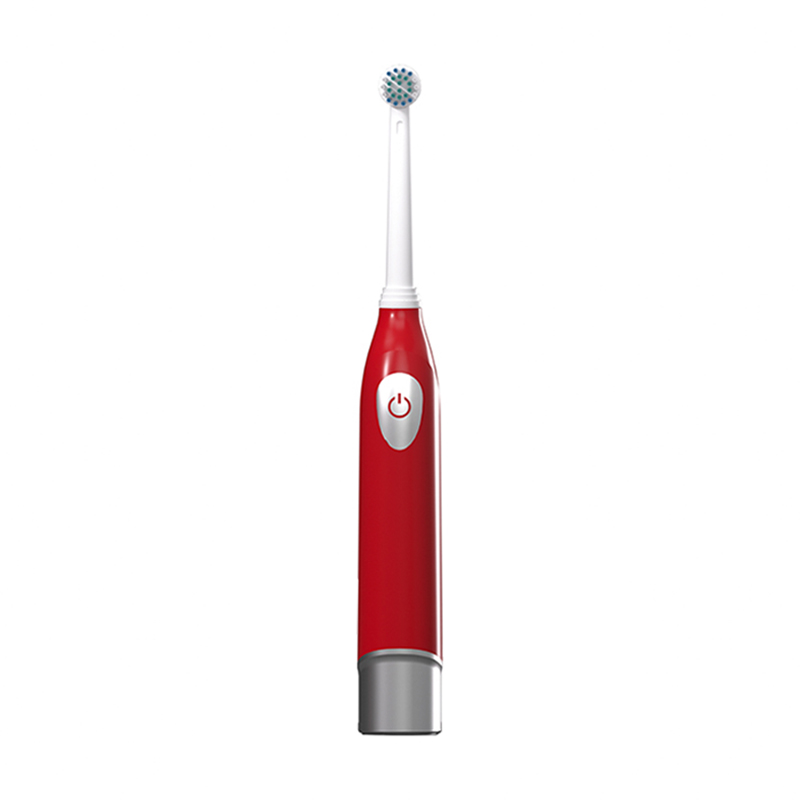
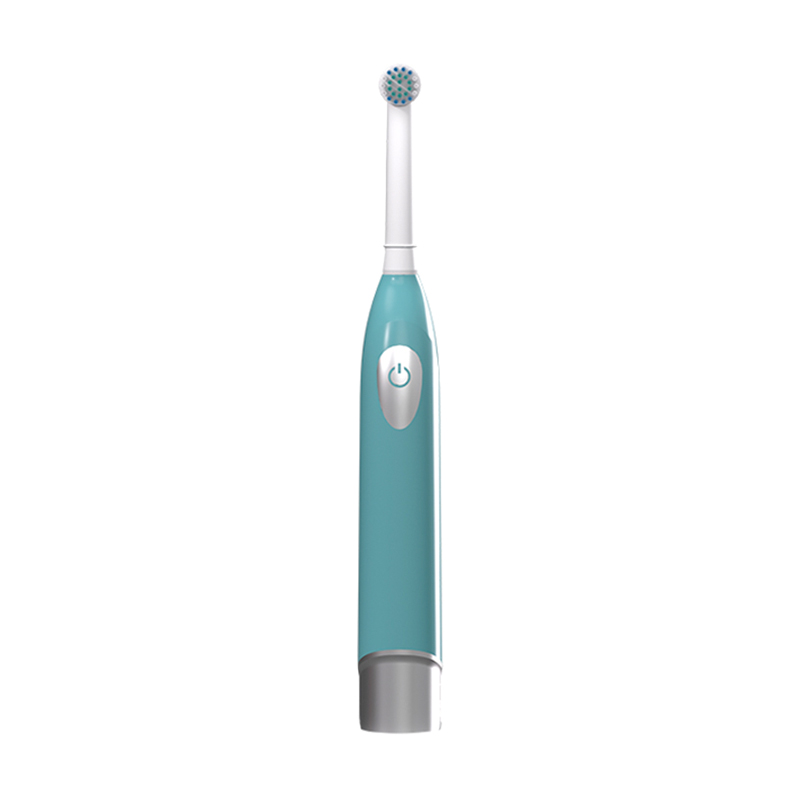
A standard rechargeable electric toothbrush — most commonly oscillating-rotating in design — moves its round brush head in a back-and-forth or circular motion at speeds of 2,500 to 8,800 oscillations per minute. Cleaning relies primarily on direct bristle contact with the tooth surface and gumline. There is no significant fluid dynamic effect at this speed range.
Cleaning Performance: A Side-by-Side Comparison
Both brush types outperform manual brushing, but they differ in how and where they clean most effectively.
| Feature | Sonic Rechargeable Brush | Standard Rechargeable Electric Toothbrush |
|---|---|---|
| Brush strokes per minute | 31,000–62,000 | 2,500–8,800 |
| Fluid dynamic cleaning | Yes | No |
| Plaque removal effectiveness | Very High | High |
| Gum health improvement | Excellent | Good |
| Suitable for braces/implants | Yes — gentle on hardware | Depends on model |
| Vibration sensation | High (may feel intense) | Moderate |
| Typical price range | $40–$200+ | $25–$150+ |
| Battery life (per charge) | 2–4 weeks | 2–3 weeks |
Plaque Removal and Gum Health: What the Research Shows
Clinical evidence supports the advantage of sonic brushing for most oral health outcomes. A review published in the Journal of Clinical Dentistry found that sonic toothbrushes reduced plaque by up to 20% more than standard electric toothbrushes after three months of use. Gingivitis scores also improved more significantly among sonic brush users in multiple independent studies.
The hydrodynamic cleaning effect of sonic brushes is particularly beneficial for cleaning 2–3mm below the gumline — the area most prone to periodontal disease. Because the fluid agitation extends cleaning beyond bristle contact, sonic brushes are especially effective for people with crowded teeth, wide interdental spaces, or orthodontic appliances.
Standard rechargeable electric toothbrushes, while highly effective, rely entirely on mechanical bristle contact. They still remove up to 100% more plaque than manual brushing, making them a strong upgrade from no powered brush at all — but they cannot replicate the extended reach of sonic technology.
Sensitivity and Comfort: Which Is Gentler on Teeth and Gums
This is where the standard rechargeable electric toothbrush often has an edge. The oscillating motion of a standard electric brush is more familiar to first-time users and generally causes less initial discomfort.
Sonic brushes produce a strong vibration that some users — particularly those with sensitive teeth, enamel erosion, or gum recession — find overwhelming at first. However, most sonic models include a sensitive or low-intensity mode that reduces vibration frequency while retaining much of the cleaning benefit. The majority of users adapt to the sensation within 1–2 weeks.
Who May Prefer a Standard Electric Toothbrush
- Users with high tooth sensitivity who find vibrations uncomfortable
- Children and elderly users who prefer gentler, more controlled movement
- Those transitioning from manual brushing for the first time
- Users on a tighter budget seeking proven performance at lower cost
Who Benefits Most from a Sonic Brush
- People with gum disease, gingivitis, or a history of periodontal issues
- Those with braces, dental implants, or crowns requiring thorough but gentle cleaning
- Users who want whitening benefits — the rapid motion polishes surface stains more effectively
- Frequent travelers who value long battery life and a slim, lightweight design
Smart Features and Technology Integration
Both sonic and standard rechargeable electric toothbrushes now offer smart features at mid-to-premium price points. However, sonic models tend to integrate more advanced technology at comparable price levels.
- Pressure sensors: Available on both types; alerts user to prevent overbrushing damage
- Quadrant timers: Divides 2-minute sessions into 30-second zones; common on both types
- Bluetooth connectivity: More frequently found in sonic models; syncs with apps for real-time coaching
- Multiple cleaning modes: Sonic brushes often include whitening, gum care, and tongue-cleaning modes
- UV sanitizing cases: Available on select sonic models for brush head sterilization between uses
Cost and Long-Term Value
Entry-level sonic brushes typically start around $40–$60, while quality standard rechargeable electric toothbrushes are available from $25–$40. The price gap narrows significantly at the mid-range, where both types offer similar smart features.
Replacement brush heads for both types generally cost $5–$15 per head and need replacing every 3 months. Some sonic brush systems use proprietary heads that may cost more than those for standard electric models — a factor worth checking before purchasing.
When viewed over a 2–3 year ownership period, the total cost of ownership is broadly similar between the two types if you choose comparable quality tiers. The higher upfront cost of a sonic brush is often offset by the superior oral health outcomes — potentially reducing dental treatment costs associated with gum disease and plaque-related conditions.
The Verdict: Which Should You Choose
If your priority is maximum plaque removal, gum health, and the most advanced cleaning technology available, a sonic rechargeable brush is the better choice for the majority of adults. Its fluid dynamic cleaning effect, higher stroke speed, and broader clinical evidence base give it a clear edge.
A standard rechargeable electric toothbrush remains an excellent option if you have very sensitive teeth, are introducing powered brushing to a child, or prefer a gentler experience without the intensity of sonic vibration. It still delivers a significant improvement over manual brushing and is well-supported by decades of dental research.
In short: choose sonic for performance, choose standard electric for comfort and simplicity — and either choice puts you ahead of manual brushing.