
 English
 中文简体
中文简体
Phone:+86-13952799285
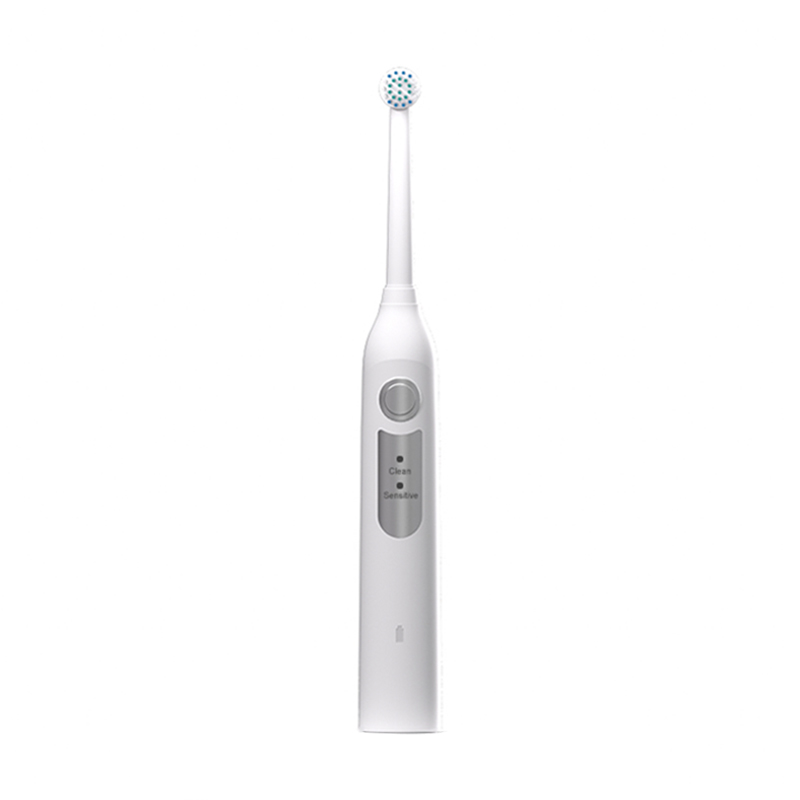
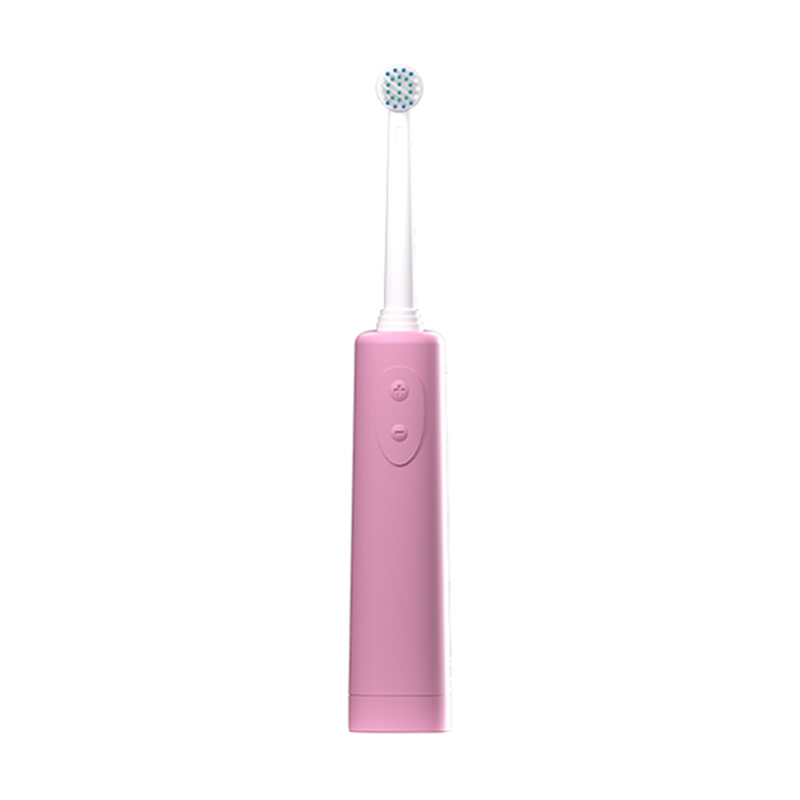
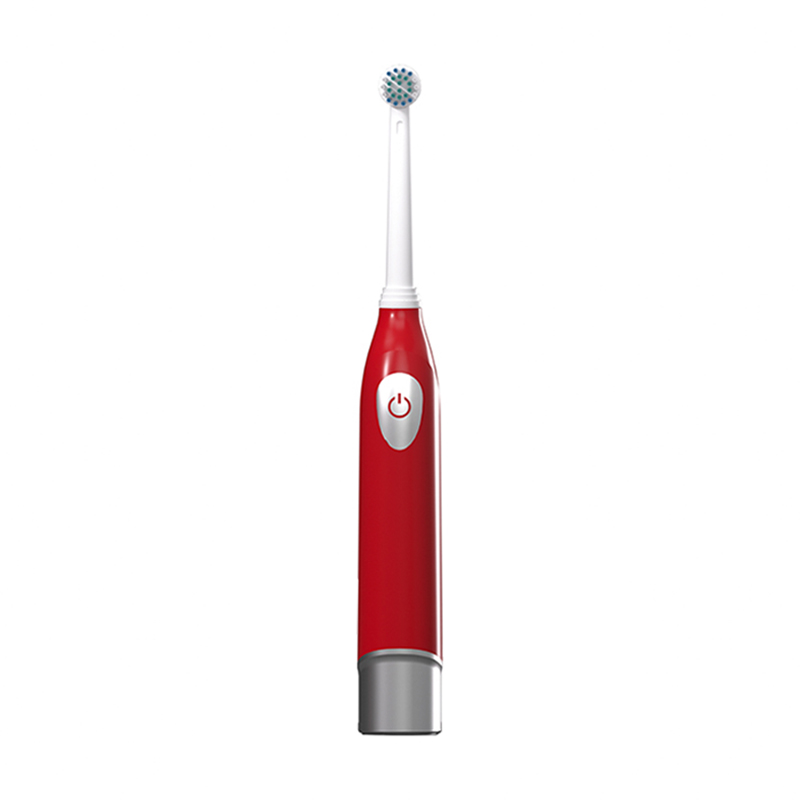
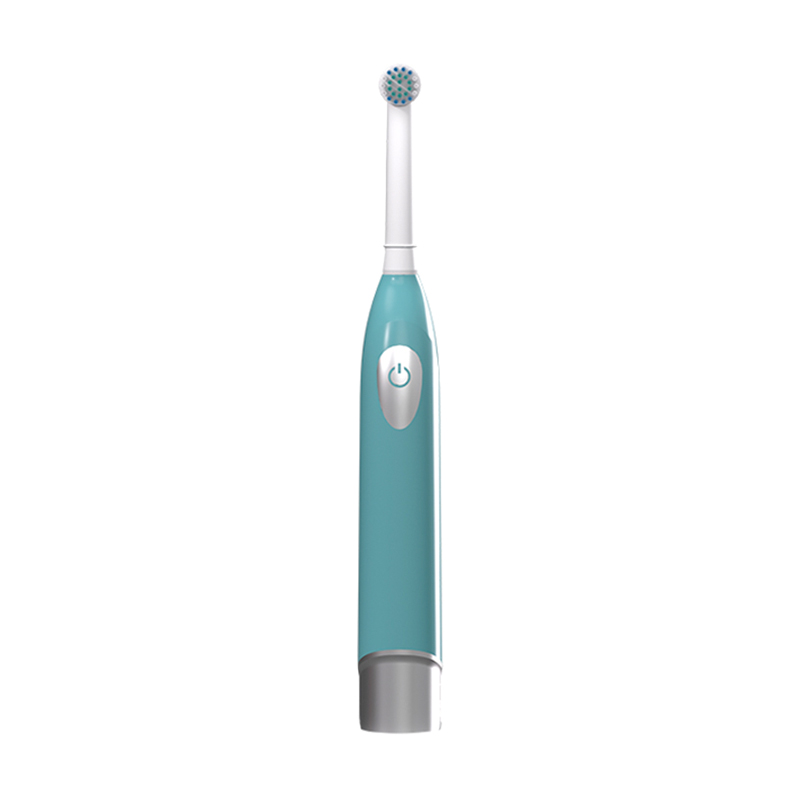
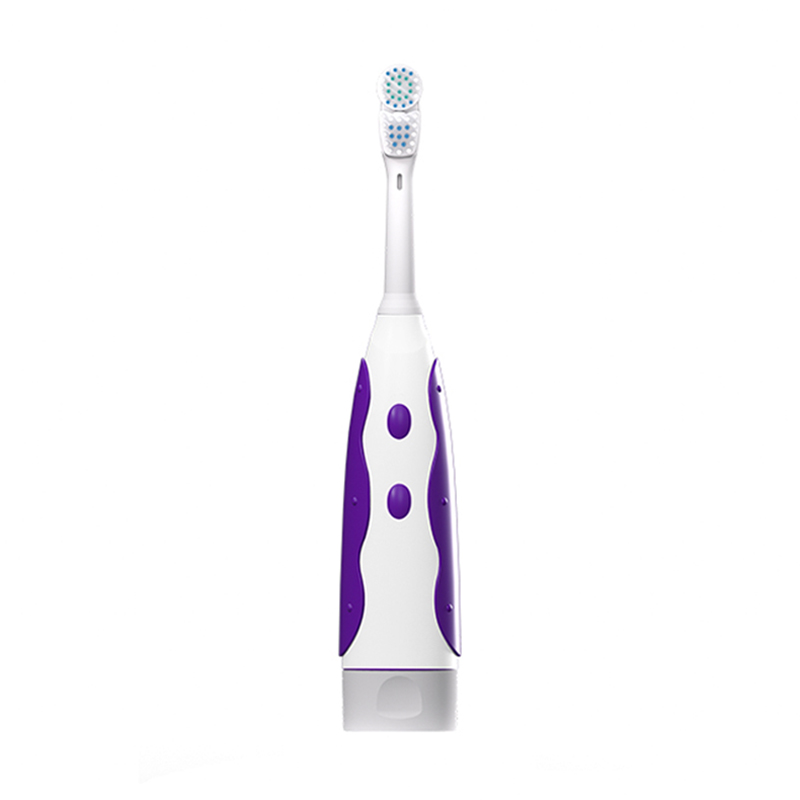
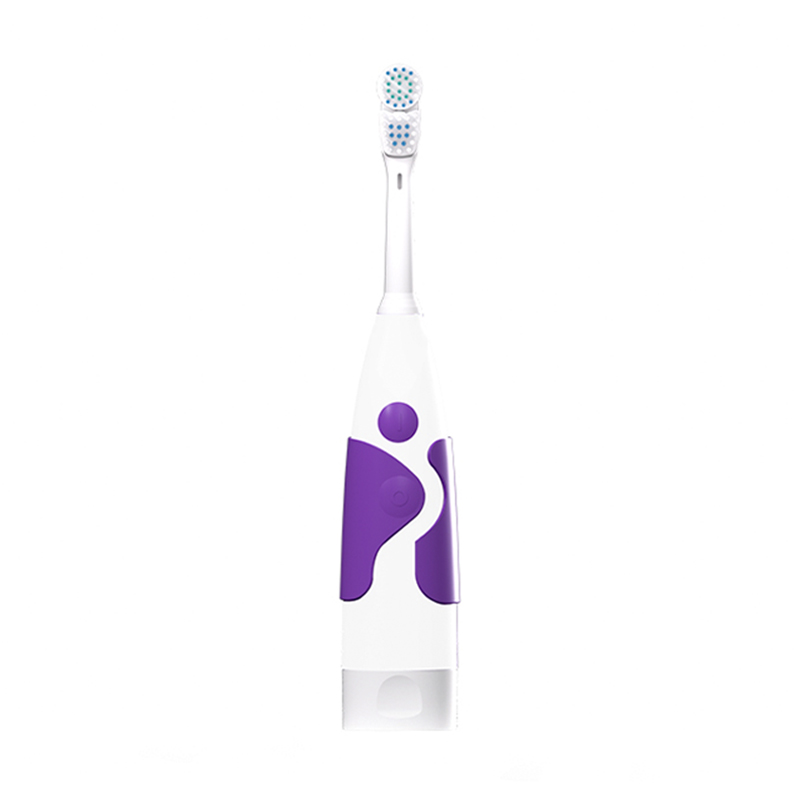
Sonic battery-powered electric toothbrushes combine the high-frequency cleaning performance of sonic technology with the portability and accessibility of battery power — providing a meaningful oral hygiene upgrade over manual brushing at a lower cost and with fewer logistical constraints than rechargeable electric models. Operating at 20,000 to 30,000 brush strokes per minute, they outclean manual brushing by a large margin, while their AA or AAA battery operation eliminates the need for charging stations, travel adapters, or USB cables.
Content
- 1 Advantage 1: Far More Strokes Per Minute Than Manual Brushing
- 2 Advantage 2: Battery Power Means No Charging Infrastructure Required
- 3 Advantage 3: Reduces Brushing Pressure Errors
- 4 Advantage 4: Consistent Performance for Users Who Brush Manually Incorrectly
- 5 Battery Sonic vs. Rechargeable Sonic vs. Manual: A Practical Comparison
Advantage 1: Far More Strokes Per Minute Than Manual Brushing
A manual toothbrush delivers approximately 300 brush strokes per minute — dependent entirely on how fast the user moves their hand. A sonic battery-powered toothbrush delivers 20,000 to 30,000 strokes per minute through its vibrating motor — a factor of 60 to 100 times more contact events per minute against tooth surfaces. This frequency difference translates directly into more effective plaque disruption on all tooth surfaces per two-minute brushing session.
%E6%8B%B7%E8%B4%9D-1.jpg?imageView2/2/w/600/format/webp/q/100)
Clinical studies consistently demonstrate that powered toothbrushes — including battery-powered sonic models — reduce plaque by approximately 21% more than manual brushes over 3-month periods, with corresponding reductions in gingivitis markers.
Advantage 2: Battery Power Means No Charging Infrastructure Required
Battery-powered sonic toothbrushes use standard AA or AAA alkaline batteries — available in every corner store and supermarket worldwide. This has practical advantages that rechargeable models cannot match:
- Travel compatibility: No charging cable to pack, no need to locate a power outlet in a hotel bathroom, no voltage converter required for international travel, no airport security battery concerns. The brush works in any country with standard alkaline batteries.
- Lower upfront cost: Battery sonic toothbrushes typically cost $5 to $25 versus $30 to $100+ for rechargeable models — making the sonic cleaning upgrade accessible to a much wider range of consumers.
- No charge management needed: There is no risk of picking up the brush to find it has discharged overnight. Battery replacement takes seconds; a fresh battery set provides weeks of use.
- Shared bathroom compatibility: No charging dock occupying counter or outlet space — the battery brush stores in a cup or drawer like a manual brush, with zero electrical footprint in the bathroom.
Advantage 3: Reduces Brushing Pressure Errors
One of the most common and harmful manual brushing errors is excessive pressure — studies show that many adults brush at 400 grams of force or more, well above the recommended maximum of 150 to 200 grams. Excessive pressure causes gum recession and enamel abrasion that accumulates over years and is irreversible.
With a sonic battery toothbrush, the vibration does the cleaning work — the user needs only to guide the brush across tooth surfaces at light contact pressure. The sonic action effectively cleans at lower applied force than manual scrubbing, making overbrushing both less necessary and less likely. Many users instinctively reduce their applied pressure when they feel the brush vibrating effectively.
Advantage 4: Consistent Performance for Users Who Brush Manually Incorrectly
The effectiveness of manual brushing is highly technique-dependent — requiring a 45-degree angle to the gumline, short circular strokes, and systematic coverage of all quadrants. Most people do not brush correctly, leaving specific areas — lingual surfaces of lower front teeth, distal surfaces of upper molars — consistently undercleaned.
A sonic battery toothbrush reduces technique dependency: the high-frequency vibration cleans effectively even when the angle is imperfect, and the brush's consistent stroke rate doesn't diminish with user fatigue. For children, elderly users, people with limited dexterity, and anyone whose manual brushing technique is inconsistent, this advantage is clinically meaningful.
Battery Sonic vs. Rechargeable Sonic vs. Manual: A Practical Comparison
| Criteria | Battery Sonic | Rechargeable Sonic | Manual |
|---|---|---|---|
| Strokes per minute | 20,000–30,000 | 30,000–40,000 | ~300 |
| Purchase cost | $5–$25 | $30–$100+ | $1–$10 |
| Travel convenience | High (no charging needed) | Moderate (needs cable/dock) | Very high |
| Pressure sensor | Not typically included | Often included | No |
| Built-in timer | Some models | Standard feature | No |
| Ongoing cost | Replacement heads + batteries | Replacement heads only | Replace whole brush |