
 English
 中文简体
中文简体
Phone:+86-13952799285
For most people, yes — oscillating rechargeable electric toothbrushes are better than manual toothbrushes and offer meaningful advantages over non-oscillating electric models as well. Multiple clinical studies have demonstrated that oscillating-rotating electric toothbrushes remove more plaque, reduce gingivitis more effectively, and produce measurably better oral health outcomes than manual brushing. For individuals with limited dexterity, orthodontic appliances, or a history of gum disease, the case for switching is especially strong.
That said, the best toothbrush is ultimately the one you use correctly and consistently. This article breaks down exactly how oscillating rechargeable electric toothbrushes work, what the evidence says about their effectiveness, and how to choose the right model for your needs.
Content
- 1 What Is an Oscillating Rechargeable Electric Toothbrush?
- 2 What the Clinical Evidence Says About Oscillating Toothbrushes
- 3 Oscillating vs. Manual vs. Sonic: A Direct Comparison
- 4 Key Benefits of Using an Oscillating Rechargeable Electric Toothbrush
- 5 Potential Drawbacks and How to Address Them
- 6 How to Use an Oscillating Electric Toothbrush Correctly
- 7 Who Benefits Most From Oscillating Rechargeable Electric Toothbrushes
- 8 What to Look for When Choosing an Oscillating Rechargeable Toothbrush
- 9 Oscillating Toothbrushes and Tooth Whitening: What to Expect
- 10 Are Oscillating Electric Toothbrushes Safe for Enamel and Gums?
- 11 Manufacturing Excellence Behind Oscillating Rechargeable Toothbrushes
- 12 Frequently Asked Questions About Oscillating Electric Toothbrushes
- 12.1 How long should I brush with an oscillating electric toothbrush?
- 12.2 Can children use oscillating electric toothbrushes?
- 12.3 Is an oscillating toothbrush safe to use on dental implants?
- 12.4 How often should I replace the brush head?
- 12.5 Do I still need to floss if I use an oscillating electric toothbrush?
- 13 Final Verdict: Is an Oscillating Rechargeable Electric Toothbrush Worth It?
What Is an Oscillating Rechargeable Electric Toothbrush?
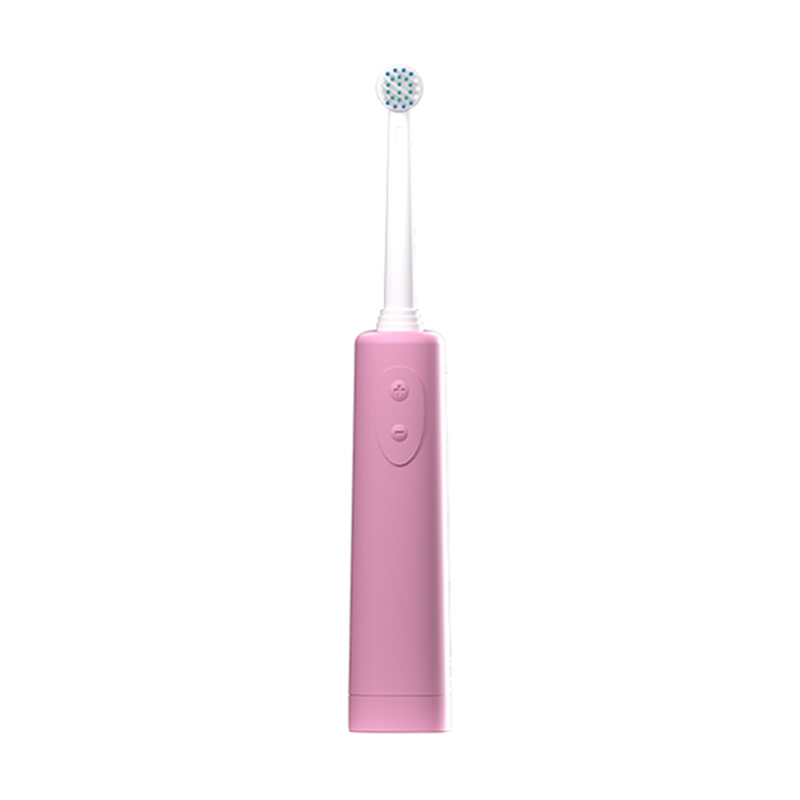
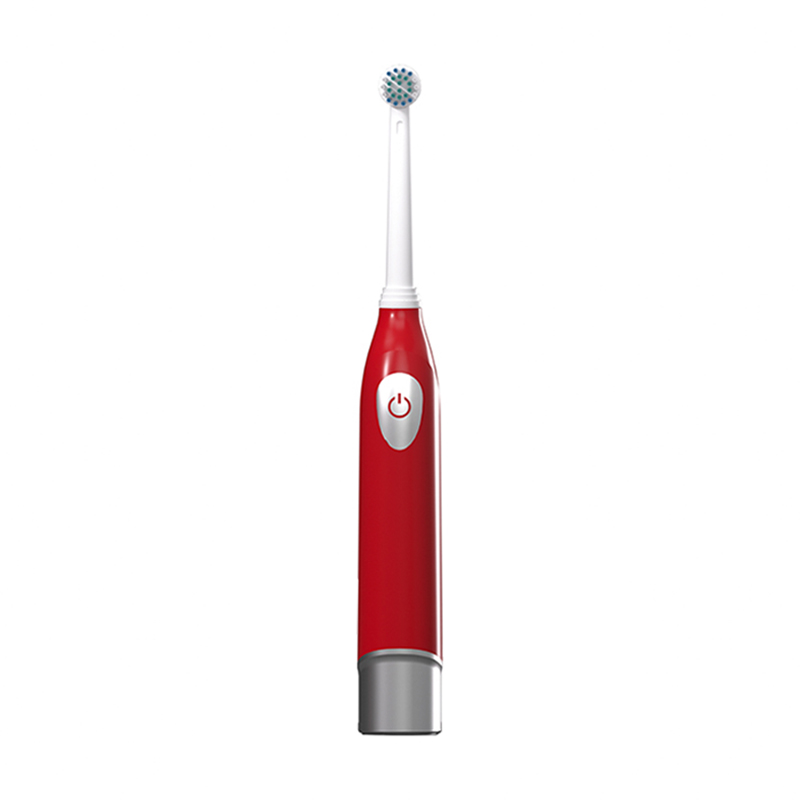
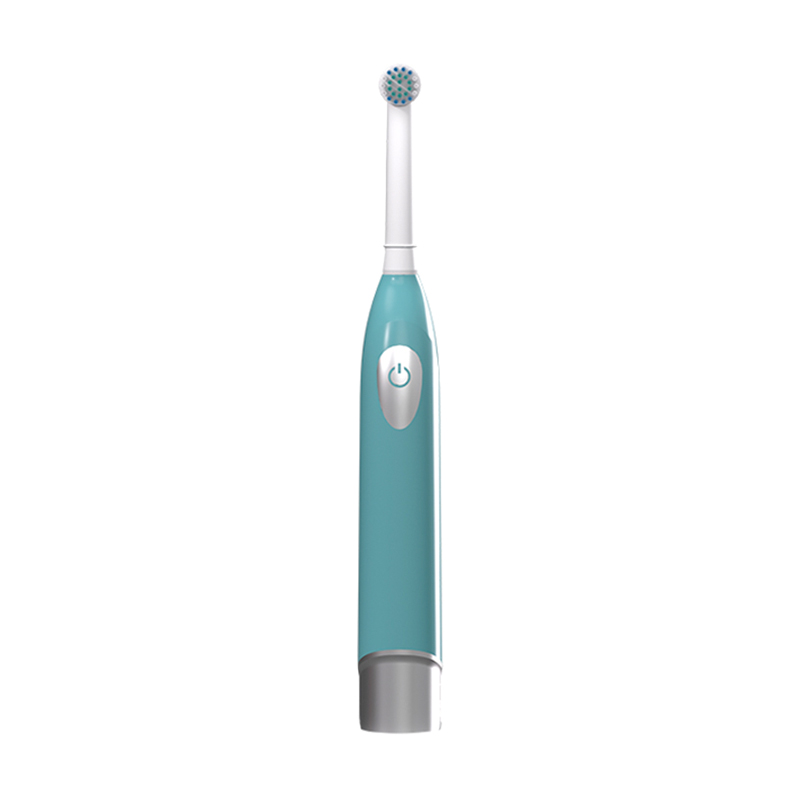
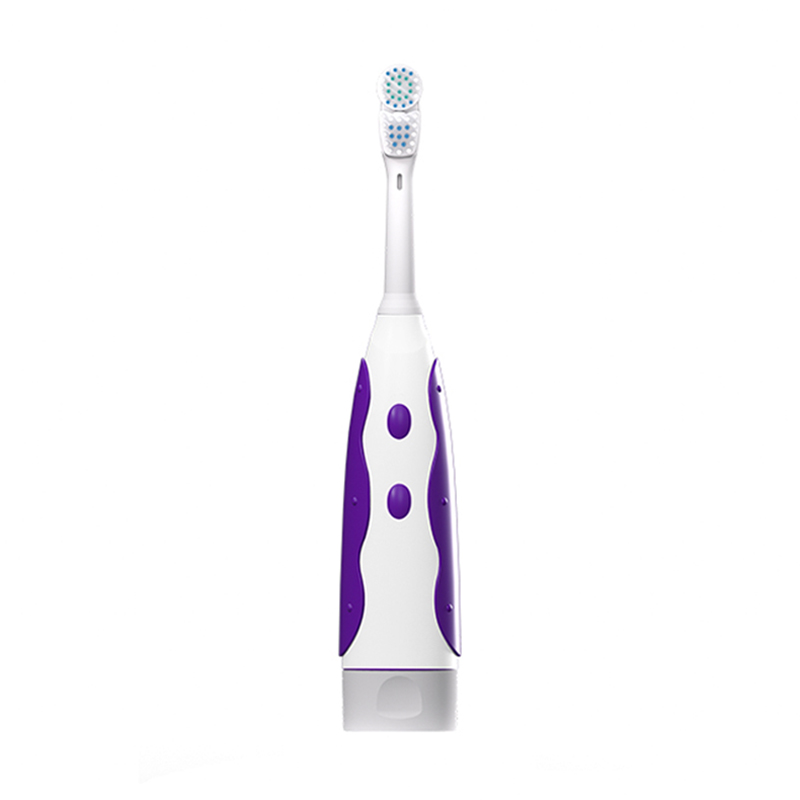
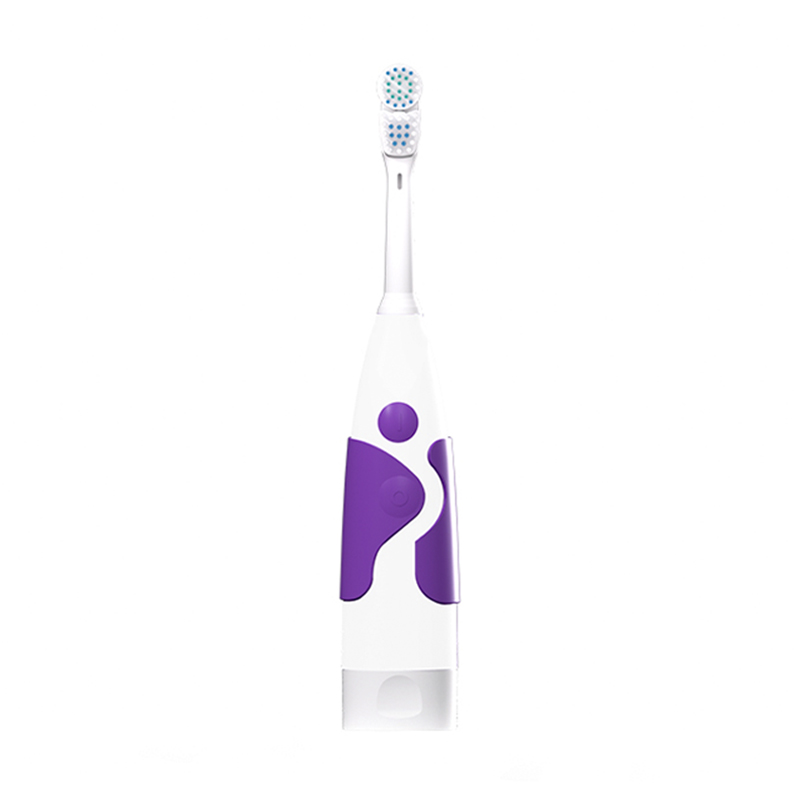
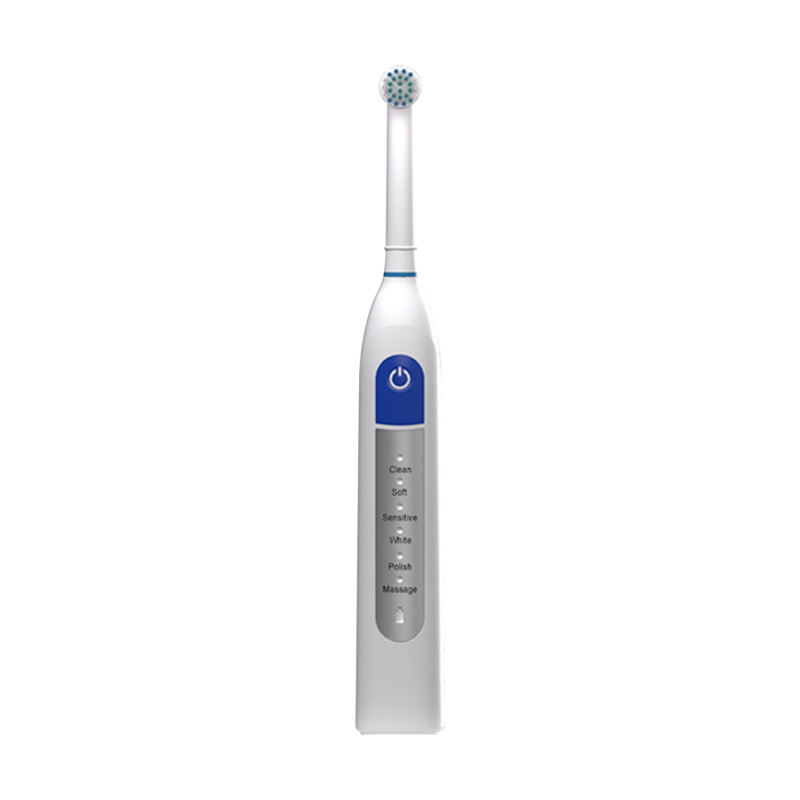
An oscillating rechargeable electric toothbrush uses a round brush head that rotates back and forth — typically at 7,000 to 8,800 oscillations per minute — to dislodge plaque and food debris from tooth surfaces and the gumline. Unlike sonic toothbrushes, which vibrate in a side-to-side sweeping motion at much higher frequencies, oscillating models use a mechanical rotating action that physically scrubs each tooth in a consistent, repeatable pattern.
The rechargeable aspect means the toothbrush is powered by a built-in lithium-ion or NiMH battery that is charged via an induction charging base, eliminating the need for disposable batteries. A full charge typically lasts 2 to 4 weeks with twice-daily use, making rechargeable models far more convenient and cost-effective over time than battery-powered alternatives.
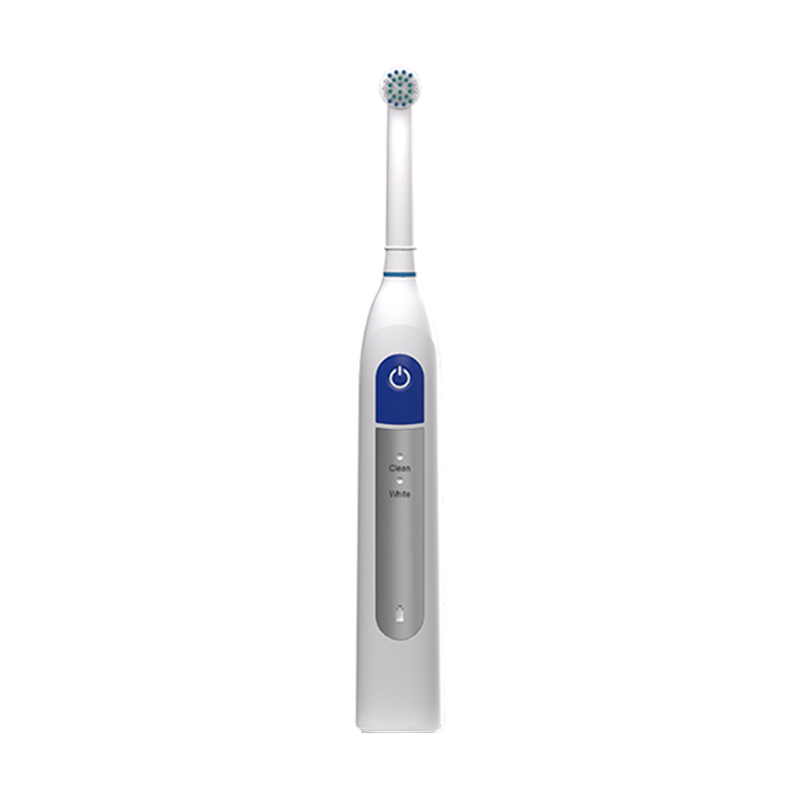
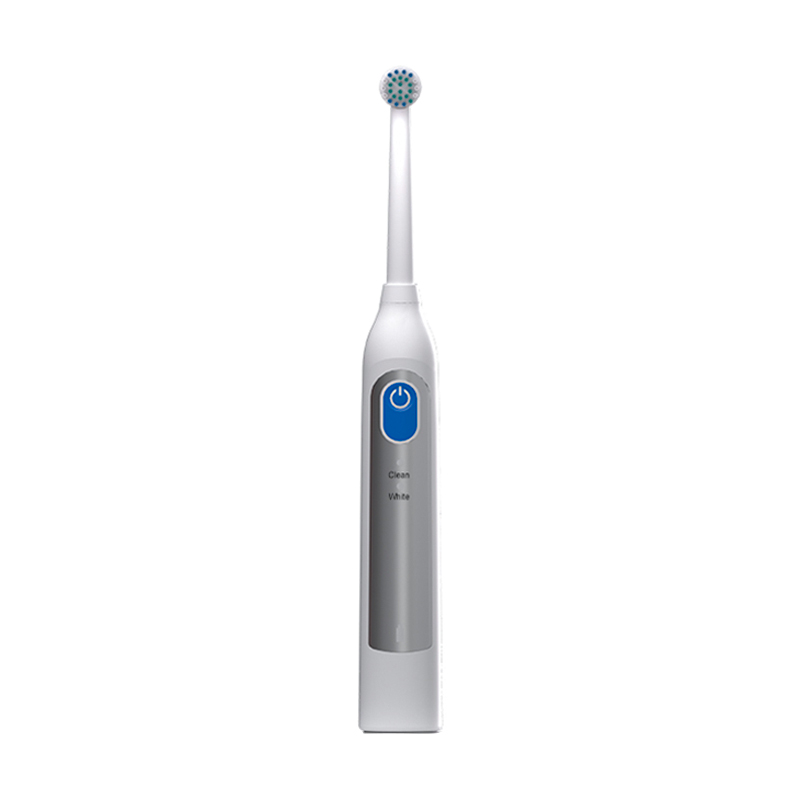
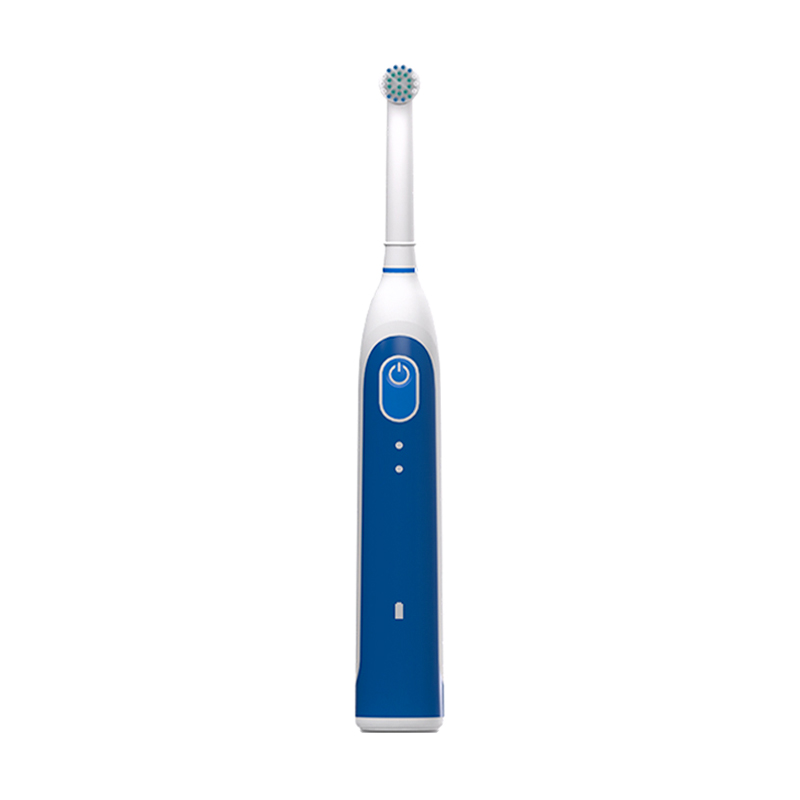
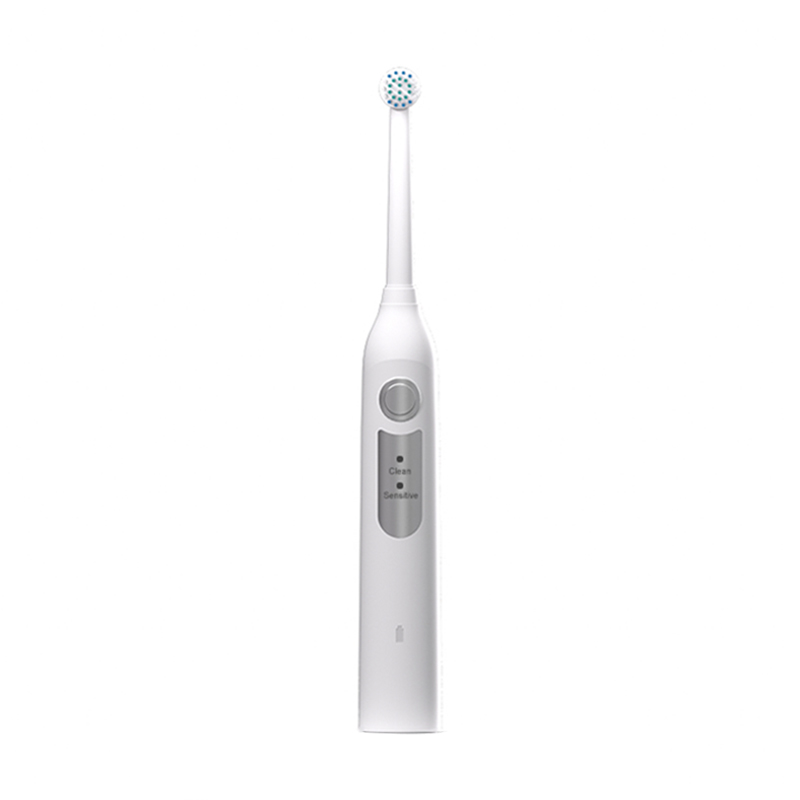
Key components of a standard oscillating rechargeable electric toothbrush include:
- Round oscillating brush head — typically 16–19mm in diameter, replaceable every 3 months
- Motor-driven handle — houses the drive shaft and rechargeable battery
- Pressure sensor — warns the user when brushing force exceeds safe levels (usually above 150–200g)
- Built-in 2-minute timer — helps users meet the dentist-recommended brushing duration
- Induction charging base — waterproof charging without exposed electrical contacts
What the Clinical Evidence Says About Oscillating Toothbrushes
The scientific evidence supporting oscillating rechargeable electric toothbrushes is substantial and consistent. A landmark Cochrane systematic review — one of the most rigorous forms of evidence in healthcare — analyzed 56 randomized controlled trials involving over 5,000 participants and found that oscillating-rotating electric toothbrushes reduced plaque by 11% more and gingivitis by 6% more than manual toothbrushes after three months of use.
Additional research findings include:
- A study published in the Journal of Clinical Periodontology found that oscillating electric toothbrush users showed a 17% reduction in bleeding on probing — a key indicator of gum inflammation — compared to manual brush users after 12 weeks.
- Long-term research over 11 years demonstrated that consistent use of an oscillating-rotating toothbrush was associated with fewer tooth extractions and less tooth loss compared to manual brushing.
- Research on children aged 6–12 showed that oscillating electric toothbrushes removed 37% more plaque than manual brushes in a single brushing session, particularly in hard-to-reach proximal areas.
- Among patients with fixed orthodontic appliances (braces), oscillating toothbrushes achieved significantly lower plaque index scores around brackets compared to manual brushes, reducing the risk of enamel demineralization during treatment.
Importantly, the evidence favors oscillating-rotating technology specifically over other electric toothbrush types. When oscillating models were compared directly to sonic models in head-to-head trials, oscillating toothbrushes consistently demonstrated equal or superior plaque removal, particularly in interproximal (between-tooth) and subgingival (below the gumline) areas.
Oscillating vs. Manual vs. Sonic: A Direct Comparison
Understanding how oscillating toothbrushes compare to the alternatives helps you make a fully informed decision:
| Feature | Manual Toothbrush | Oscillating Electric | Sonic Electric |
|---|---|---|---|
| Brush head movement | User-controlled back-and-forth | Rotating oscillation (7,000–8,800 rpm) | High-frequency side-to-side vibration |
| Plaque removal efficiency | Moderate (user-dependent) | High (clinically proven) | High (slightly lower interproximally) |
| Gum health improvement | Moderate | Significant (6–17% reduction in gingivitis) | Significant |
| Ease of use for limited dexterity | Difficult | Very easy | Very easy |
| Built-in timer | No | Yes (most models) | Yes (most models) |
| Pressure sensor | No | Yes (premium models) | Yes (premium models) |
| Battery life (per charge) | N/A | 2–4 weeks | 2–4 weeks |
| Travel convenience | Excellent | Good | Good |
Key Benefits of Using an Oscillating Rechargeable Electric Toothbrush
Superior Plaque Removal With Less Effort
The oscillating brush head does the mechanical work for you. Rather than relying on the user to apply the correct technique, speed, and pressure — all of which vary significantly between individuals — the oscillating motor delivers a consistent brushing action on every tooth. This is why clinical studies consistently show better plaque removal results regardless of brushing technique, making oscillating toothbrushes particularly effective for those who have never mastered proper manual brushing form.
Improved Gum Health and Reduced Bleeding
Gingivitis — inflammation of the gums caused by plaque accumulation — affects an estimated 47% of adults over 30 in varying degrees. Oscillating toothbrushes have been shown to reduce gingival bleeding indices by up to 17% compared to manual brushing. The consistent oscillating action cleans along and just below the gumline, which is where plaque accumulation is most dangerous and where manual brushers most often fall short.
Built-In Features That Reinforce Correct Brushing Habits
Most oscillating rechargeable models include a 2-minute timer — the duration recommended by dental professionals — often divided into four 30-second quadrant intervals via a brief pause or vibration change. This helps users distribute brushing time evenly across all areas of the mouth. Studies have found that without a timer, the average person brushes for only 45–70 seconds, well short of the recommended 2 minutes.
Pressure sensors are another valuable feature: brushing too hard can cause enamel abrasion and gum recession. Electric toothbrushes with pressure sensors alert users when they exceed safe brushing force, protecting long-term dental health in a way no manual toothbrush can.
Ideal for Users With Special Dental Needs
Oscillating rechargeable electric toothbrushes are especially beneficial for:
- Orthodontic patients: The small round head navigates around brackets and wires more effectively than a flat manual brush head.
- Elderly individuals: Reduced manual dexterity from arthritis or tremors is compensated by the automatic brushing action.
- Children aged 3 and older: Makes brushing more engaging and ensures adequate plaque removal during early tooth development.
- Individuals with periodontal disease history: Consistent subgingival cleaning reduces the risk of recurrence.
- Dental implant patients: Gentle, consistent brushing action helps maintain peri-implant tissue health.
Long-Term Cost Efficiency
While the upfront cost of a rechargeable electric toothbrush is higher than a manual brush, the long-term economics are favorable. The rechargeable handle lasts 3–5 years or longer, and only the brush head needs replacement every 3 months. Over a 5-year period, total costs are comparable to purchasing manual toothbrushes every 3 months — while delivering significantly better oral health outcomes that can reduce dental treatment costs over time.
Potential Drawbacks and How to Address Them
Oscillating rechargeable electric toothbrushes are not without limitations. Understanding these helps you make an informed decision and use the product effectively:
Adjustment Period for New Users
Users switching from manual toothbrushes may find the oscillating sensation unusual at first. Some report mild gum sensitivity during the first 1–2 weeks as their gums respond to more thorough cleaning of previously under-cleaned areas. This is a normal adaptation period and typically resolves on its own. Dentists recommend starting with a sensitive brushing mode if available, and gradually transitioning to a standard mode.
Ongoing Brush Head Replacement Cost
Replacement brush heads must be purchased separately every 3 months, as recommended by dental professionals. This is an ongoing expense. Choosing a model from a manufacturer that offers affordable compatible replacement heads is therefore an important consideration when selecting a toothbrush.
Requires Charging
Unlike manual or battery-powered toothbrushes, rechargeable models require periodic charging. However, with a battery life of 2–4 weeks per charge, this is rarely an inconvenience in practice. Most users simply place the toothbrush on its charging stand after each use as a habit.
Not Suitable as a Sole Interdental Cleaning Tool
Even the best oscillating toothbrush cannot replace flossing or interdental brushes. While oscillating models clean interproximally better than manual brushes, they still do not reach the contact points between teeth. Daily interdental cleaning remains essential regardless of what type of toothbrush is used.
How to Use an Oscillating Electric Toothbrush Correctly
One of the major advantages of oscillating toothbrushes is that correct technique is straightforward. Follow these steps for optimal results:
- Apply a pea-sized amount of fluoride toothpaste to the brush head before turning the toothbrush on, to avoid splatter.
- Hold the brush at a 45-degree angle to the gumline, allowing the oscillating head to contact both the tooth surface and the gum margin simultaneously.
- Guide the brush head slowly from tooth to tooth, spending approximately 2–3 seconds on each tooth surface. Do not scrub — let the oscillating action do the work.
- Brush all four quadrants (upper right, upper left, lower right, lower left) for 30 seconds each, totaling 2 minutes. Use the built-in timer to keep track.
- Do not press hard — apply only light, guiding pressure. If the pressure sensor activates, reduce your force immediately.
- Brush the outer surfaces, inner surfaces, and chewing surfaces of all teeth, and gently brush the tongue to reduce bacteria and freshen breath.
- Rinse the brush head under running water after use and return the handle to the charging stand.
Replace the brush head every 3 months, or sooner if the bristles show visible wear or fraying. Worn bristles reduce cleaning effectiveness by up to 30%.
Who Benefits Most From Oscillating Rechargeable Electric Toothbrushes
While oscillating electric toothbrushes benefit virtually all users, the improvement over manual brushing is most pronounced in certain groups:
| User Group | Primary Benefit | Key Feature to Look For |
|---|---|---|
| Adults with gingivitis or gum disease history | Consistent subgingival cleaning, reduced bleeding | Sensitive mode, pressure sensor |
| Orthodontic patients | Cleaning around brackets and wires | Orthodontic brush head compatibility |
| Children (ages 3–12) | Engagement, consistent plaque removal during development | Smaller brush head, fun design, pressure sensor |
| Elderly or users with arthritis | Compensates for reduced manual dexterity | Non-slip grip handle, lightweight design |
| Dental implant patients | Gentle, consistent peri-implant tissue cleaning | Sensitive mode, soft bristle head option |
| Busy adults (irregular technique) | Delivers good results regardless of technique variation | Built-in timer, quadrant pacer |
What to Look for When Choosing an Oscillating Rechargeable Toothbrush
Not all oscillating rechargeable electric toothbrushes are created equal. Here are the most important factors to evaluate:
Oscillation Speed and Power
Higher oscillation speeds generally deliver more thorough plaque removal. Look for models rated at 7,500 oscillations per minute or higher. Some advanced models also incorporate a pulsation action (in-and-out micro-movements) in addition to oscillation, which has been shown to further improve plaque disruption around the gumline.
Brushing Modes
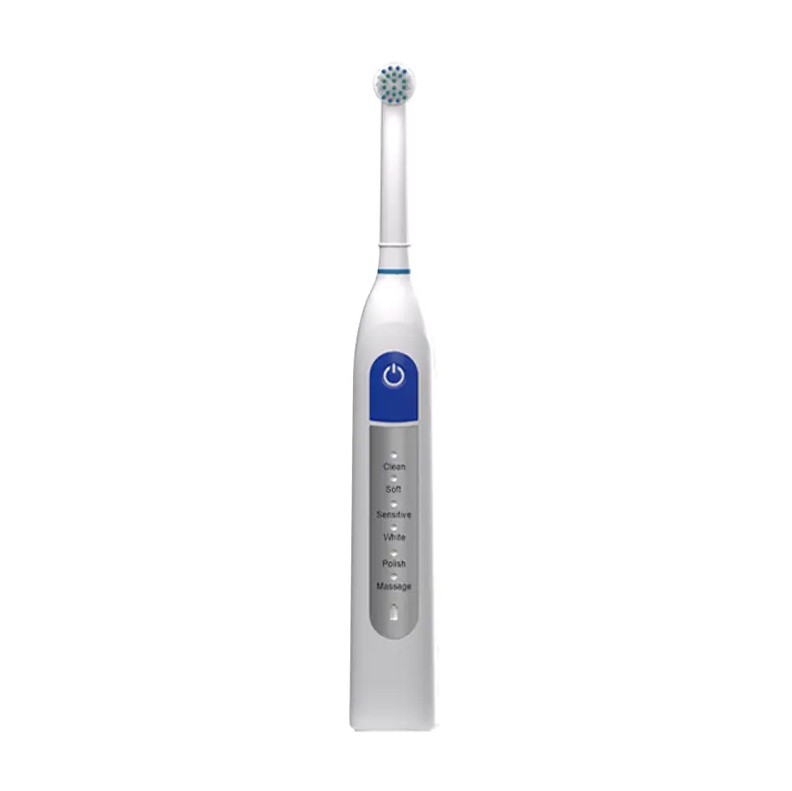
Entry-level models typically offer a single standard mode, while mid-range and premium models may include additional modes such as:
- Sensitive mode: Lower oscillation speed for new users, sensitive gums, or post-dental treatment use
- Whitening mode: Higher-intensity cleaning optimized for surface stain removal
- Gum care mode: A massage-like pulsation action specifically designed for gum stimulation and health
- Deep clean mode: Extended 3-minute cycle for a more thorough brushing session
Brush Head Compatibility and Availability
Since brush heads need replacing every 3 months, ensure that compatible replacement heads are readily available and affordable. Choose a model with multiple head types available — including standard, sensitive, compact, and orthodontic variants — so you can tailor the brushing experience to your specific needs over time.
Build Quality and Waterproofing
A toothbrush used in a wet bathroom environment must be waterproof. Look for models rated at least IPX7 waterproof (submersible to 1 meter for 30 minutes), which ensures both shower use and safe rinsing without risk of damage. Handle grip material is also important — rubberized or textured grips prevent the toothbrush from slipping when wet.
Battery Life and Charging Method
Look for models with at least 2 weeks of battery life per charge for practical daily use. Inductive (wireless) charging is the standard method for premium models and is preferable for hygiene and longevity. Some newer models offer USB-C charging for travel convenience.
Oscillating Toothbrushes and Tooth Whitening: What to Expect
A common question is whether oscillating electric toothbrushes whiten teeth. The honest answer is that they can improve the appearance of natural tooth shade by removing surface stains more effectively than manual brushing, but they cannot change the intrinsic color of teeth the way professional bleaching treatments do.
Extrinsic stains from coffee, tea, red wine, and tobacco are partially removed by the mechanical scrubbing action of an oscillating brush, particularly when used with a whitening toothpaste. Users often report noticeably brighter teeth within 4–8 weeks of switching from manual to oscillating electric brushing. However, for deep intrinsic staining, professional dental whitening remains the appropriate treatment.
Are Oscillating Electric Toothbrushes Safe for Enamel and Gums?
When used correctly, oscillating rechargeable electric toothbrushes are safe for enamel and gums. The key word is "correctly." The most common cause of enamel abrasion and gum recession associated with electric toothbrush use is excessive brushing pressure, not the oscillating action itself.
Research has demonstrated that when users apply heavy pressure with a manual toothbrush (above 300g), enamel loss is significantly higher than with an oscillating electric brush with a pressure sensor. The pressure sensor in most modern oscillating models actively limits the brushing force, making them safer for enamel in practice than unsupervised manual brushing by most users.
For individuals with existing gum recession or sensitive teeth, starting on a sensitive mode and using extra-soft replacement heads is recommended. In these cases, consulting a dentist before switching to a new toothbrush type is always advisable.
Manufacturing Excellence Behind Oscillating Rechargeable Toothbrushes
The quality of an oscillating rechargeable electric toothbrush is fundamentally determined by the precision of its engineering and the quality of its manufacturing. The oscillating motor, drive shaft tolerances, brush head attachment mechanism, and waterproof sealing all require advanced manufacturing expertise to deliver reliable, long-lasting performance.
Our company, founded in 1986, has grown from a specialized toothbrush factory focused on R&D and plastic mold design into a globally recognized oral care products supplier. With nearly 30 years of continuous innovation, the company integrates research, development, production, and sales of a comprehensive oral care portfolio — including manual toothbrushes, electric toothbrushes, interdental brushes, and dental floss.
Today, the company stands as one of the largest professional electric toothbrush manufacturing enterprises in China, serving as an OEM manufacturer of rotary rechargeable electric toothbrushes and operating a dedicated oscillating rechargeable toothbrush factory. This depth of manufacturing experience and vertical integration — from mold design to finished product — enables consistent product quality, flexible OEM customization, and the ability to meet the volume demands of global oral care brands and distributors.
Frequently Asked Questions About Oscillating Electric Toothbrushes
How long should I brush with an oscillating electric toothbrush?
The standard recommendation from dental professionals is 2 minutes, twice daily — 30 seconds per quadrant. Most oscillating rechargeable models have a built-in timer and quadrant pacer to guide you through this automatically.
Can children use oscillating electric toothbrushes?
Yes. Children aged 3 and older can safely use oscillating electric toothbrushes, provided the brush head is sized appropriately for their mouth. Many manufacturers offer junior brush heads and child-friendly handles. For children under 3, consult a pediatric dentist before introducing electric brushing.
Is an oscillating toothbrush safe to use on dental implants?
Yes, oscillating electric toothbrushes are generally safe and beneficial for cleaning around dental implants. The consistent gentle action helps remove plaque from peri-implant tissues. Use a sensitive mode and a soft or extra-soft brush head, and confirm with your implant dentist whether any specific technique modifications are needed.
How often should I replace the brush head?
Every 3 months, or sooner if the bristles appear visibly frayed or flattened. Many brush heads include color-fading indicator bristles that visually signal when replacement is due. Using a worn brush head reduces cleaning effectiveness significantly.
Do I still need to floss if I use an oscillating electric toothbrush?
Yes. Even the most effective oscillating toothbrush cannot clean the contact areas between teeth where the brush head cannot reach. Daily flossing or use of interdental brushes remains an essential component of a complete oral hygiene routine.
Final Verdict: Is an Oscillating Rechargeable Electric Toothbrush Worth It?
For the vast majority of users, yes — an oscillating rechargeable electric toothbrush is a worthwhile investment in long-term oral health. The clinical evidence is clear and consistent: oscillating models remove more plaque, reduce gingivitis more effectively, and support better gum health than manual toothbrushes, particularly over the medium and long term.
The built-in timers, pressure sensors, and multiple brushing modes help reinforce correct habits that most manual brushers never fully develop. For those with special dental needs — including gum disease history, orthodontic appliances, implants, or limited dexterity — the advantages are even more pronounced.
The main requirement for success is consistent use. Twice daily brushing for 2 minutes, regular brush head replacement every 3 months, and continued interdental cleaning will allow you to maximize the benefits of oscillating electric toothbrush technology and protect your oral health for the long term.