
 English
 中文简体
中文简体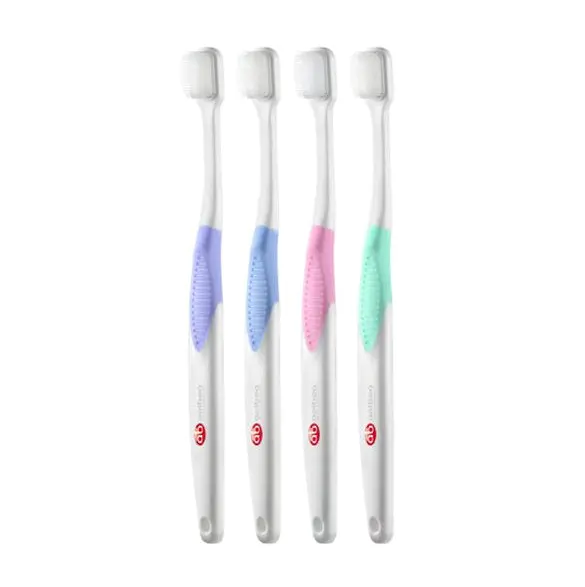
Phone:+86-13952799285
A manual toothbrush is the most basic and commonly used tool in our daily oral care routine. While seemingly simple, using a manual toothbrush correctly is crucial for maintaining healthy teeth and gums. A good brushing habit not only effectively removes plaque, preventing cavities and periodontal disease, but also enhances your smile's confidence.
Content
Choosing the Right Manual Toothbrush and Toothpaste
A good brushing experience begins with choosing the right manual toothbrush.
Brush Head Size
The brush head should be small and easily reach all areas of the mouth, especially the back teeth.
Bristles
Soft or medium-soft bristles are recommended. Hard bristles can damage tooth enamel and gums. The bristles should be blunt-ended to protect gum tissue.
Toothpaste
Choose a fluoride toothpaste. A pea-sized amount of toothpaste is sufficient for each application.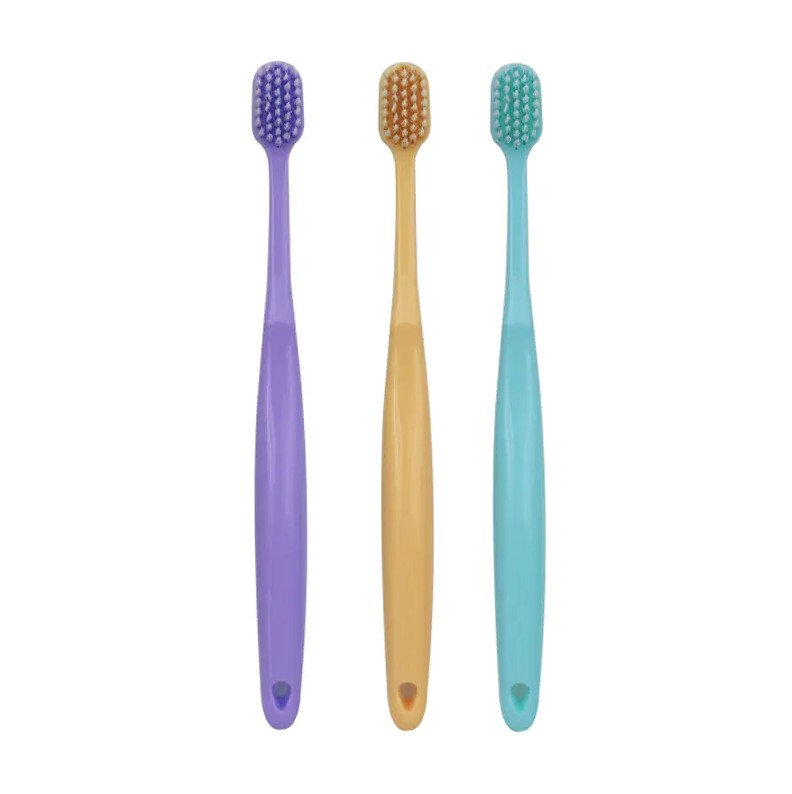
Correct Brushing Technique: Bass Technique
Dentists generally recommend the Bass Technique, which effectively cleans the gum line and tooth surfaces.
Preparation
Lightly moisten the brush head and apply a pea-sized amount of toothpaste.
Angle
Hold the manual toothbrush at a 45-degree angle, aiming at the gum line where the teeth meet.
Motion
Use gentle, horizontal, oscillating motions (not vigorous horizontal brushing), brushing two to three teeth at a time. Use gentle, horizontal strokes (about one millimeter) to ensure the bristles penetrate the gum sulci and interdental spaces.
Rotation
After about 10 oscillating motions, flick the brush head toward the crowns of the teeth (upward for upper teeth, upward for lower teeth) to dislodge dirt.
Areas
- Lateral and medial surfaces: Follow the "oscillating-and-swishing" technique described above, brushing the outer and inner surfaces of all teeth in turn.
- Occlusal surfaces: Clean the occlusal surfaces of the teeth with short, back-and-forth brushing motions (like grinding a bean).
- Inside the front teeth: This is an often-overlooked area. Hold the toothbrush upright and brush with the tip of the brush head in an up-and-down motion.
Brushing Duration and Frequency
Duration: Brushing should last at least two minutes each time. Divide your mouth into four areas (upper left, upper right, lower left, and lower right), brushing each area for 30 seconds.
Frequency: Brushing at least twice a day, morning and evening, is recommended. Brushing before bed is especially important to prevent bacteria from building up overnight.
Post-Brushing Care
After brushing, cleaning your tongue and flossing are important steps in maintaining good oral hygiene.
Tongue Cleaning
Use the tongue cleaning area on the back of your toothbrush or a dedicated tongue brush to gently scrape your tongue from the base to the tip several times to remove bacteria and maintain fresh breath.
Flossing
A toothbrush cannot completely remove plaque between the teeth (between the teeth). Daily flossing is key to cleaning these areas and preventing tooth decay and periodontal disease.
Maintaining Your Manual Toothbrush
Maintaining your manual toothbrush is crucial for effective and hygienic brushing.
Replacement Frequency
Your toothbrush should be replaced every three to four months, or immediately if the bristles become warped or frayed. Worn bristles significantly reduce cleaning efficiency.
Storage
Rinse your toothbrush thoroughly after each use and store it upright in a well-ventilated, dry place to allow the bristles to air dry and prevent bacterial growth.
Using your manual toothbrush correctly, mastering proper brushing technique, and combining it with tools like flossing, you can effectively maintain oral health and a healthy smile.