English
 中文简体
中文简体Phone:+86-13952799285

language

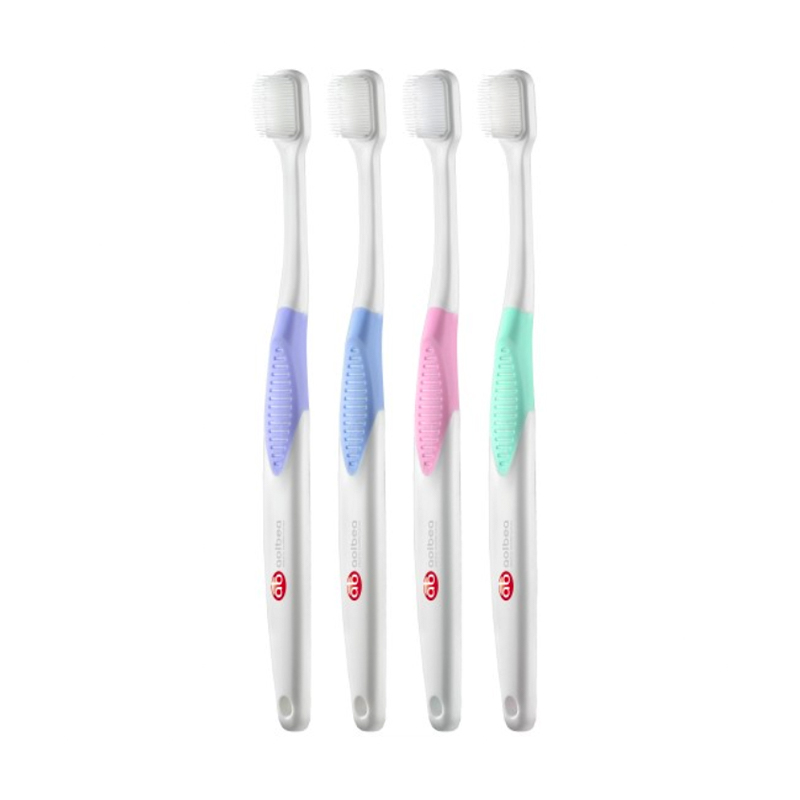
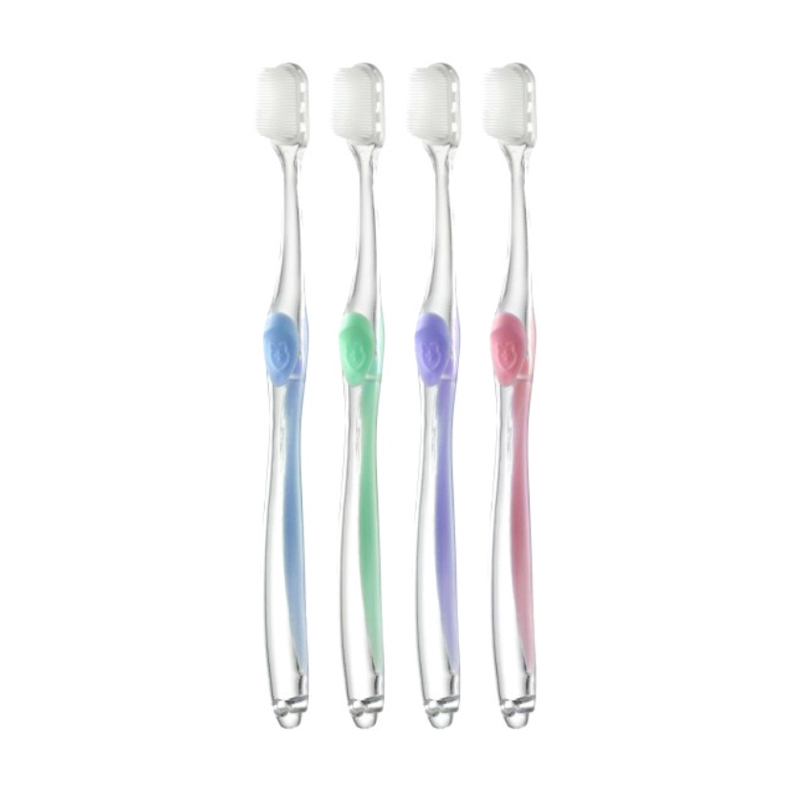
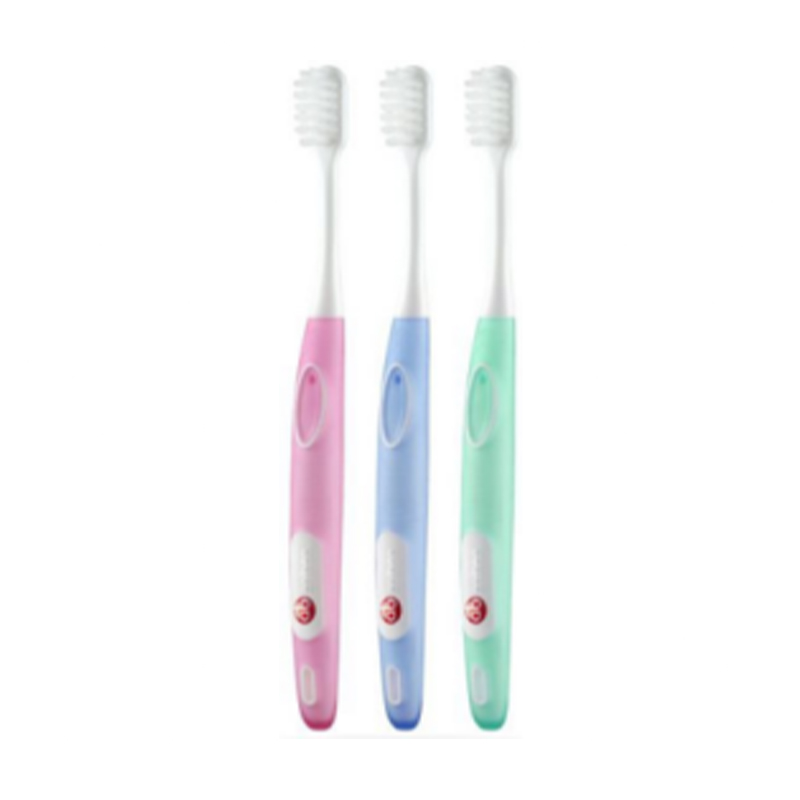
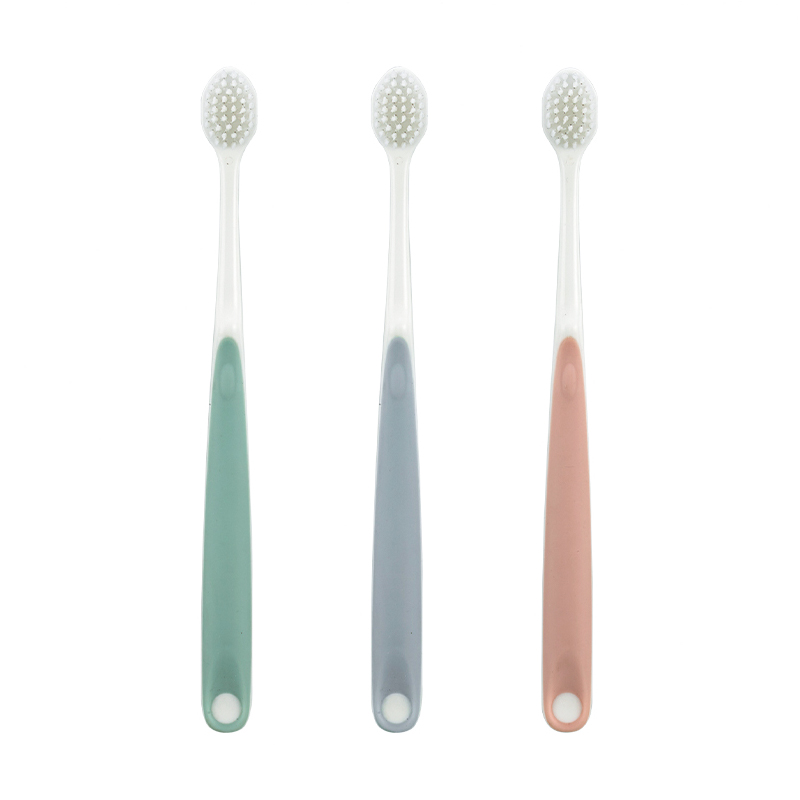
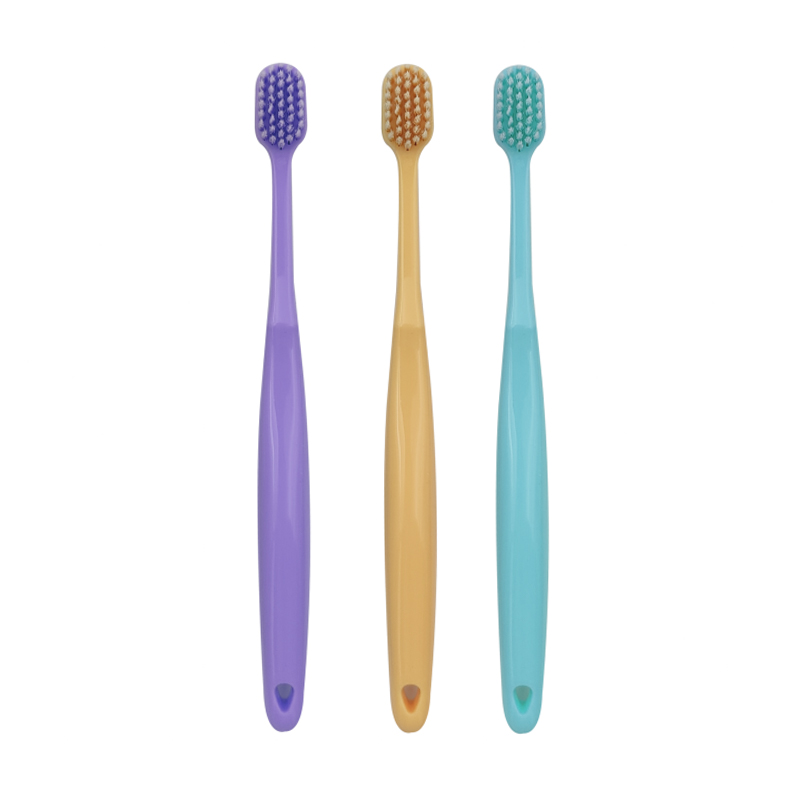
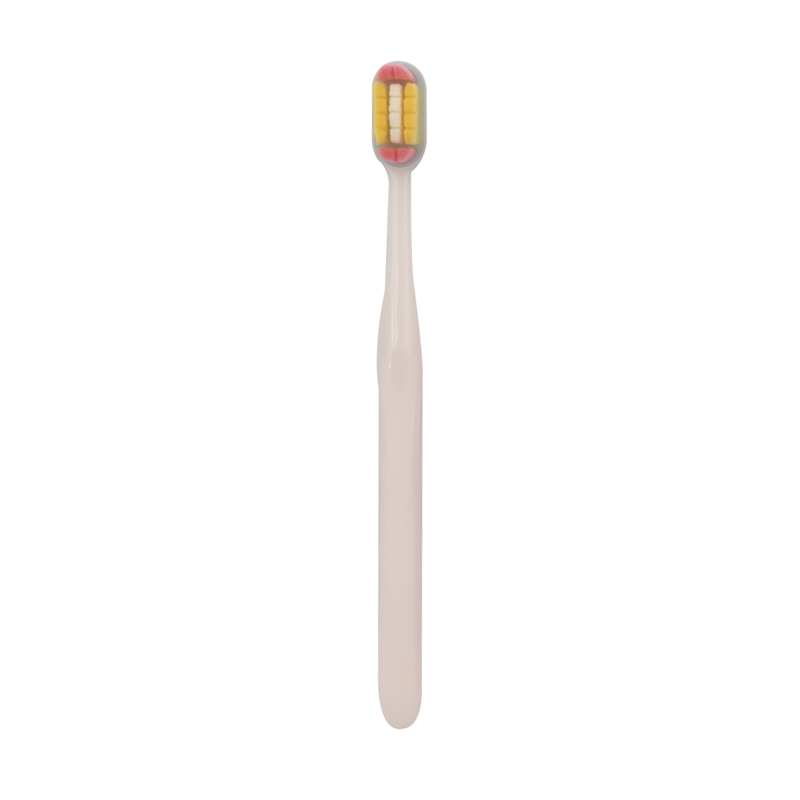
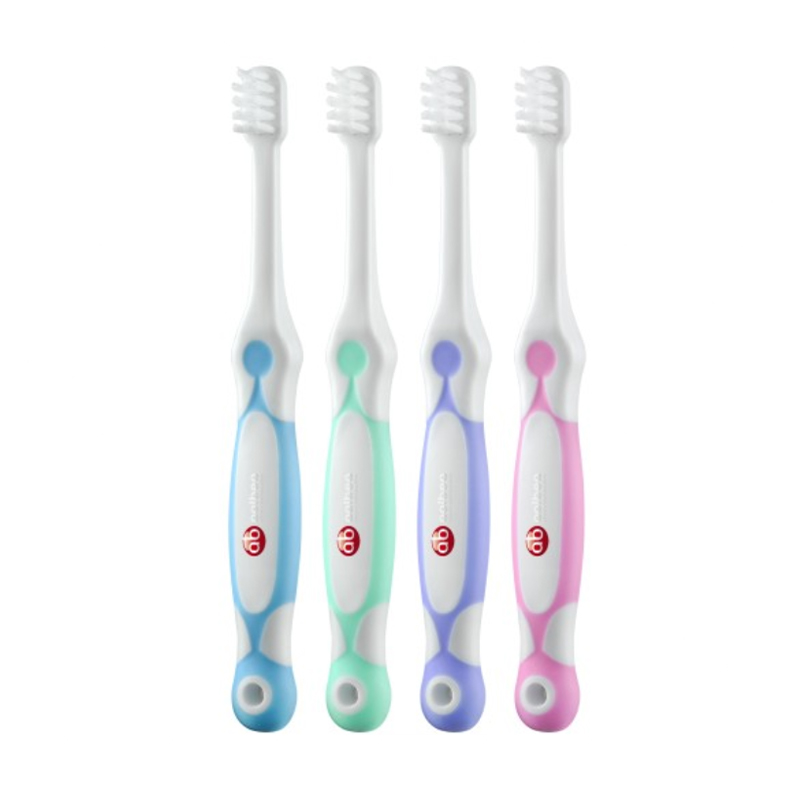
Manual toothbrush: The bristle eyeholes are designed with "breathing" air holes, which can effectively reduce the moisture residue caused by bacteria breeding due to the negative air pressure when brushing teeth; the bristle ends are sharpened (or rounded) to penetrate deep Cleans difficult areas such as between teeth and around the gum line; the brush handle structure combines ergonomic principles: the slender brush neck easily cleans the difficult areas of molars deep in the mouth, and the precise design of the thumb grip facilitates manipulation, ensuring easy brushing.
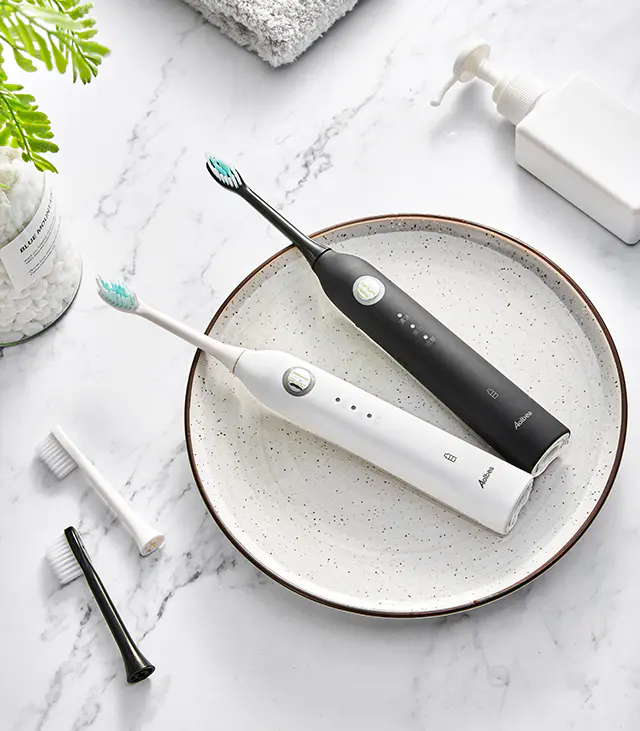

Founded in 1986, our company has developed from an early factory specializing in the R&D and plastic mold design and manufacturing of toothbrushes and healthcare products to a global oral care products supplier that currently integrates the R&D, production and sales of oral products such as manual toothbrushes, electric toothbrushes, interdental brushes and dental floss, etc. After nearly 30 years of continuous accumulation and innovation, the company has become one of the largest professional one of the electric toothbrush manufacturing enterprises. OEM Manual Toothbrush Manufacturers and Wholesale Manual Toothbrush Factory in China.
Firmly adhering to the corporate mission of "focusing on new technology of healthy dental care and promoting sustainable development of human oral health", our company has been committed to in-depth research and development of oral care product technology. At present, the company mainly produces and sells all kinds of children's smart toothbrushes, children's electric toothbrushes; adult electric toothbrushes, adult electric cleaning equipment, breathing patent toothbrushes and other more than 30 series of products, nearly 100 models, with independent intellectual property rights of various patents more than 130, in the electric toothbrush industry in a leading position. It is a national high-tech enterprise. Meanwhile, various products are exported to more than 100 countries and regions in the world's five continents, and have won good reputation from customers at home and abroad. Supply Wholesale Manual Toothbrush. In the world and in China, more and more people are choosing Orbea. Over the past 30 years, Orbea has been steadily developing its product quality and service.
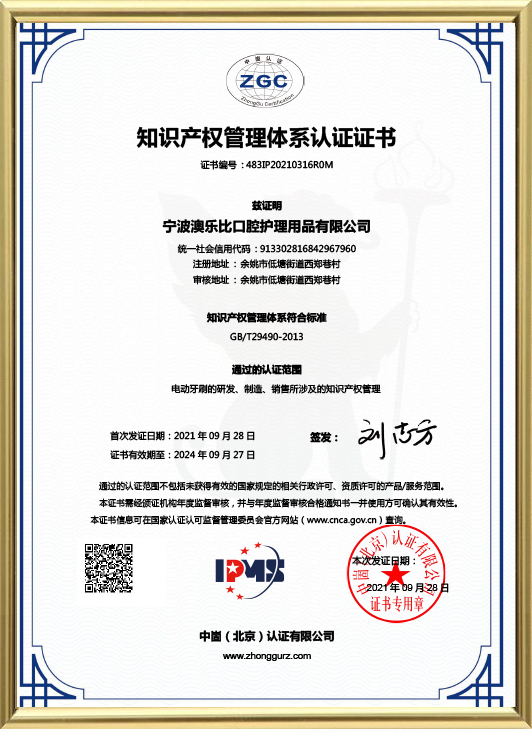
If something wears out over time, you can find the right product here. Continue to provide worry-free product supply to every customer.
A Manual Toothbrush continues to be one of the most dependable tools for everyday oral hygiene because it offers direct control over brushing pressure, angle, and technique. Dental professionals commonly note that when used correctly with proper technique for at least two minutes twice a day, a manual toothbrush can remove plaque effectively without relying on batteries or charging. For buyers and distributors researching packaging and product options, the Manual Toothbrush line is designed with attention to bristle softness, handle grip, and consistent quality control. The sections below break down consumer preference data, usage patterns, and performance attributes using visual comparisons to make the information easier to review at a glance.
Bristle firmness is one of the first decisions a buyer makes, and soft bristles are consistently the most requested option across general population surveys because they are gentler on enamel and gum tissue. Medium bristles are typically chosen by consumers who want a slightly firmer brushing sensation, while hard bristles make up the smallest share of preference due to concerns about gum sensitivity. The chart below illustrates this distribution using a horizontal bar format so the relative proportions are easy to compare side by side. This pattern is broadly consistent with guidance from the American Dental Association (ADA), which generally recommends soft bristles for most adult users. Manufacturers that prioritize soft and medium bristle production tend to align more closely with mainstream consumer demand.
Consumer usage of manual toothbrushes has stayed relatively stable over recent years even as electric alternatives have grown in visibility, largely because manual brushes remain affordable, travel-friendly, and simple to maintain. The line chart below shows an illustrative five-year pattern based on general dental care industry survey summaries, where adoption rates hover in a steady range rather than declining sharply. This steadiness suggests that manual brushing is still viewed by many households as a practical daily default rather than a secondary option. Seasonal upticks are sometimes observed around back-to-school and New Year periods, when households restock personal care items. Understanding this steady demand curve helps packaging manufacturers plan production schedules more accurately.
Replacement timing is another area where behavior varies noticeably by age group, and the column chart below compares approximate average replacement intervals in months. The ADA generally recommends replacing a toothbrush every three to four months, or sooner if bristles appear frayed, and younger adults tend to follow this guidance most closely. Older age groups sometimes extend usage slightly longer, which can reduce cleaning efficiency over time as bristles wear down. Encouraging consistent replacement intervals is a simple way to help maintain plaque removal effectiveness across all age groups. Packaging that clearly displays recommended replacement timing on the product card can help reinforce this habit at the point of purchase.
When evaluating a manual toothbrush, buyers typically weigh several attributes together rather than focusing on just one factor. The radar chart below compares five common attributes: cleaning effectiveness, ergonomic grip, portability, durability, and cost-effectiveness. A well-designed manual toothbrush generally scores evenly across these categories rather than excelling in only one area, which is part of why the format remains popular for households, hotels, and travel kits. Portability and cost-effectiveness tend to score highest for manual designs, since there is no battery or charging dock required. Balanced performance across categories is often what distinguishes a well-manufactured product from a basic one.
Handle shape has a direct influence on brushing consistency, since a comfortable grip encourages users to maintain proper angle and pressure throughout the full brushing session. Non-slip textured grips are particularly useful in bathroom environments where handles are frequently wet. The table below summarizes common handle design elements and their typical purpose.
| Design Element | Typical Purpose |
| Textured grip zone | Reduces slipping during wet use |
| Slim tapered neck | Improves reach to back molars |
| Flexible neck joint | Helps moderate brushing pressure |
| Contoured thumb rest | Supports a stable, controlled hold |
Consistent quality starts well before a toothbrush reaches store shelves, and packaging plays a meaningful role in protecting bristle hygiene during shipping and storage. Ningbo Huiho Cosmetics Packaging Co., Ltd. is located in Ningbo, Zhejiang Province, an area sometimes referred to as the "Venice of the East," and operates as a professional manufacturer of large-scale daily cosmetics packaging in China. After years of continuous research, development, and innovation, the company's products have earned recognition and trust from domestic and international partners, building a solid reputation within the packaging industry. This experience is reflected in the attention given to items such as the Manual Toothbrush, where consistent molding tolerances and quality checks help maintain a reliable finished product. Manufacturers with strong process control are generally better positioned to support consistent bulk orders for distributors and retailers.
Most dental guidance suggests replacing a manual toothbrush roughly every three to four months, or earlier if the bristles look frayed or splayed.
Soft bristles are generally suitable for the majority of adult users and are commonly recommended as a gentle default option for daily brushing.
When used with proper technique for a full two minutes, a manual toothbrush can support effective daily plaque removal as part of a consistent oral care routine.
A textured, non-slip grip and a comfortable contour are useful features that can help maintain steady control throughout each brushing session.
Frequent travel exposure to varied conditions can accelerate bristle wear, so checking bristle condition regularly is a practical habit for frequent travelers.
Relying on professional design, sophisticated mold manufacturing and advanced equipment, and perfect management, the company's various products are exported to more than 100 countries and regions on five continents.We are OEM Manual Toothbrush Factory.
 West Zhengxiang Village, Zhengxiang, Yuyao City, Zhejiang, China.
 +86-13952799285/+86-574-62291690
 +86-574-62294590